How to Remove Mould from Kitchen Sink Naturally and Fast
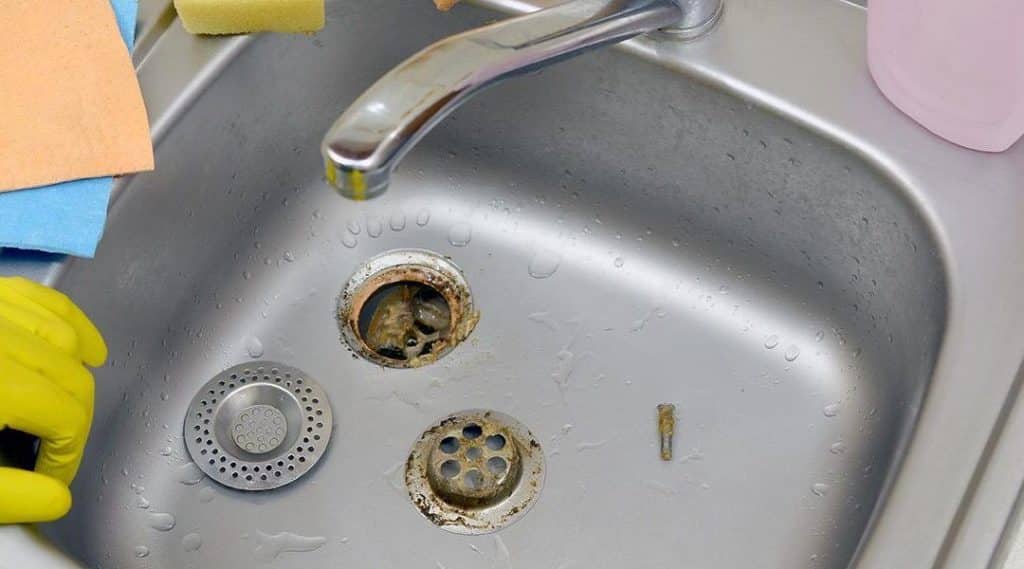
Is your kitchen sink showing unwanted black or green spots? That stubborn mould not only looks unpleasant but can also affect your health and the freshness of your kitchen.
You might be wondering how to get rid of it quickly and safely. You’ll discover simple, effective ways to remove mould from your kitchen sink and keep it mould-free for good. Keep reading to find easy steps that anyone can follow to restore your sink’s clean, fresh look.

Credit: www.amazon.co.uk
Causes Of Mould In Kitchen Sink
Mould grows in damp places like kitchen sinks. It can cause stains and bad smells. Understanding what causes mould helps stop it.
Many factors make mould grow in kitchen sinks. Moisture, food bits, and air flow all play a part.
Common Moisture Sources
Water is the main reason mould grows near sinks. Moisture stays in pipes, drains, and faucet areas. Small leaks add to the wetness.
Standing water and wet surfaces give mould a place to grow fast. Even small drops can cause problems over time.
Food Residue And Debris
Leftover food bits in the sink or drain feed mould. Grease and scraps build up and trap moisture. This mix creates a perfect mould home.
- Food scraps left after washing dishes
- Grease buildup inside pipes
- Sticky residue from drinks or sauces
- Crumbs around sink edges
Cleaning the sink and drain well stops food from feeding mould. Removing debris lowers mould chances.
Poor Ventilation Effects
Bad air flow makes the kitchen sink area stay wet longer. Humid air traps moisture on surfaces. This helps mould spores grow.
Without enough fresh air, damp places dry slowly. This keeps the sink wet and mould-friendly.
- Closed windows and doors
- Lack of exhaust fans
- High indoor humidity
- Blocked air vents
Safety Precautions Before Cleaning
Removing mould from your kitchen sink needs care. Mould can cause health problems if not handled properly.
Take safety steps before you start cleaning. This helps keep you safe and makes cleaning easier.
Protective Gear To Use
Wear the right gear to protect your skin and lungs. Mould spores can irritate your body.
- Use gloves to keep your hands safe
- Wear a mask to avoid breathing mould spores
- Put on goggles to protect your eyes
- Wear old clothes that cover your skin
Ventilating The Area
Good airflow helps clear mould spores from the air. Open windows and doors to let fresh air in.
Use a fan if you have one. This pushes air out and brings fresh air inside.
- Open all nearby windows
- Keep doors open to the kitchen
- Turn on a fan to improve airflow
- Avoid using the kitchen sink during cleaning
Handling Cleaning Agents Safely
Cleaning products can be strong and harmful. Use them carefully to avoid injury.
Read the label instructions before use. Do not mix different cleaners together.
- Wear gloves when handling chemicals
- Use only the recommended amount
- Keep cleaning products away from children
- Store products in a cool, dry place
Natural Remedies For Mould Removal
Mould in the kitchen sink is a common problem. It can cause bad smells and damage surfaces.
You can remove mould safely using natural ingredients found at home. These remedies are easy and eco-friendly.
Using White Vinegar
White vinegar kills most types of mould. It is acidic and breaks down mould spores on contact.
To use, pour undiluted white vinegar into a spray bottle. Spray directly on the mouldy areas of your sink. Let it sit for one hour. Then scrub with a brush and rinse with warm water.
Baking Soda Paste
Baking soda is a gentle cleaner that removes mould and deodorizes. Mix baking soda with water to form a thick paste.
- Mix 4 tablespoons of baking soda with a quarter cup of water.
- Apply the paste to the mouldy sink area using a cloth or sponge.
- Let it sit for 15 minutes to break down the mould.
- Scrub the area gently with a brush or sponge.
- Rinse the sink with warm water to remove residue.
Lemon Juice Applications
Lemon juice contains natural acids that fight mould and leave a fresh scent. It also bleaches stains lightly.
| How to Use | Details |
|---|---|
| Apply Lemon Juice | Pour fresh lemon juice on mould spots and let it sit for 10 minutes. |
| Scrub | Use a soft brush or sponge to scrub the area. |
| Rinse | Wash the sink with warm water to clear away residue. |
| Repeat | Repeat once a week to prevent mould from returning. |

Credit: www.youtube.com
Chemical Cleaners For Tough Mould
Removing mould from a kitchen sink can be hard. Tough mould needs strong cleaners to get rid of it.
Chemical cleaners are very effective for this task. They kill mould and stop it from coming back fast.
Bleach Solutions
Bleach is a common cleaner for mould. It kills mould spores and cleans surfaces well.
To use bleach safely, mix one part bleach with ten parts water. Apply it to the mouldy area and wait 10 minutes. Then scrub and rinse with water.
Commercial Mould Removers
Many stores sell mould removers made for kitchens. These products often work faster than bleach.
Most commercial removers come in spray form. Spray the mould, wait as the instructions say, then wipe it clean.
- Look for removers safe for kitchen sinks
- Check if the product kills mould spores
- Follow safety instructions on the label
Choosing The Right Product
Choose a cleaner based on how bad the mould is. Stronger mould needs stronger products.
Also think about your sink material. Some chemicals can damage certain surfaces like stainless steel or granite.
- Test a small area first to avoid damage
- Pick non-toxic products if you have kids or pets
- Read user reviews for product effectiveness
Step-by-step Cleaning Process
Mould in the kitchen sink can cause bad smells and damage surfaces. Cleaning it regularly keeps your sink safe and fresh.
Follow this simple process to remove mould from your kitchen sink effectively and safely.
Preparing The Sink Area
Clear the sink of dishes and food debris. Remove any items around the sink to avoid damage.
Wear gloves to protect your hands from cleaning chemicals and mould spores.
Applying Cleaning Agents
Use a mould remover or a mixture of white vinegar and baking soda. Spray or apply the solution directly on the mouldy areas.
Let the cleaning agent sit for 10 to 15 minutes. This helps break down the mould and makes scrubbing easier.
Scrubbing And Rinsing
Use a soft brush or sponge to scrub the mouldy spots gently. Avoid harsh tools that may scratch the sink.
Rinse the sink thoroughly with warm water. Make sure all cleaning agents and mould residues are washed away.
Drying And Final Inspection
Wipe the sink dry with a clean cloth or towel. Drying stops mould from growing again.
Check for any remaining mould spots. Repeat cleaning on stubborn areas if needed to ensure a clean sink.
Preventing Mould Regrowth
Mould can return quickly if your kitchen sink area stays damp. Preventing mould regrowth keeps your sink clean and safe.
Using good habits and simple fixes helps stop mould from coming back in your kitchen sink.
Regular Cleaning Tips
Clean your sink regularly to remove any mould spores and dirt. Use mild soap and warm water to scrub all surfaces.
- Wipe the sink dry after each use.
- Clean the drain and faucet handles weekly.
- Use a mixture of vinegar and water to kill mould spores.
- Remove food debris promptly to avoid moisture buildup.
Improving Sink Drainage
Good drainage stops water from pooling, which mould needs to grow. Check your sink for any clogs or leaks.
| Drain Issue | How to Fix |
| Slow draining water | Use a plunger or drain snake to clear blockages |
| Leaking pipes | Tighten connections or replace damaged parts |
| Standing water | Adjust sink angle or install a new drain trap |
Enhancing Kitchen Ventilation
Good airflow reduces moisture and keeps mould away. Ventilate your kitchen well after cooking or washing dishes.
- Open windows or doors to let fresh air in.
- Use exhaust fans or range hoods during and after cooking.
- Keep kitchen vents clean and clear of dust.
- Consider a dehumidifier if your kitchen is very humid.
Tools And Supplies Needed
Removing mould from your kitchen sink requires the right tools and supplies. These help clean thoroughly and keep the area safe.
Below, find the main items you need for cleaning mould effectively and safely.
Essential Cleaning Tools
You need tools that can reach tight spaces and scrub surfaces well. These make removing mould easier and faster.
- Scrub brush with stiff bristles
- Old toothbrush for small corners
- Rubber gloves to protect your hands
- Spray bottle for applying cleaning solution
- Microfiber cloths for wiping and drying
- Bucket for mixing cleaning products
Recommended Cleaning Products
Choose cleaning products that kill mould and are safe for kitchen surfaces. Use them as directed for best results.
| Product | Purpose |
| White vinegar | Kills mould and disinfects |
| Baking soda | Removes stains and deodorizes |
| Hydrogen peroxide | Kills mould spores effectively |
| Commercial mould cleaner | Special formula for tough mould |
| Dish soap | Helps remove grease and dirt |
Storage And Maintenance
Keep your tools and products in a dry, cool place to avoid damage. Proper storage extends their life and keeps them ready.
Follow these tips for storage and care:
- Rinse brushes and cloths after use
- Dry tools completely before storing
- Store cleaning products away from children
- Check expiry dates on chemicals regularly
- Keep spray bottles labeled and closed tightly

Credit: www.reddit.com
Frequently Asked Questions
How Do I Safely Remove Mould From A Kitchen Sink?
Use a mixture of white vinegar and baking soda to scrub the mould. Wear gloves and ensure good ventilation while cleaning. Rinse thoroughly with hot water to remove all residues and prevent mould regrowth.
What Household Items Kill Mould In Kitchen Sinks?
White vinegar, baking soda, and hydrogen peroxide effectively kill mould. These items are natural, non-toxic, and safe for kitchen use. Apply, scrub gently, and rinse well to eliminate mould and prevent its return.
How Can I Prevent Mould From Returning In My Kitchen Sink?
Keep the sink dry and clean regularly to prevent mould. Fix leaks promptly and improve ventilation in the kitchen area. Using a daily disinfectant wipe can also reduce mould growth over time.
Is Bleach Effective For Removing Mould In Kitchen Sinks?
Yes, bleach kills mould on non-porous surfaces like sinks. Dilute bleach with water and apply carefully to avoid damage. Always use gloves and ventilate the area during and after cleaning.
Conclusion
Removing mould from your kitchen sink is easier than it seems. Follow simple steps for a clean, healthy kitchen. Regular cleaning prevents mould from returning. Use vinegar or baking soda for natural solutions. Dry your sink thoroughly after each use.
This avoids moisture buildup, which mould loves. Check your pipes for leaks. Fix them promptly to prevent mould growth. Consistent maintenance keeps your kitchen fresh and hygienic. These simple actions ensure a mould-free sink. Enjoy a cleaner kitchen with these easy tips.
Keep your family safe and your kitchen bright. Mould-free means worry-free.