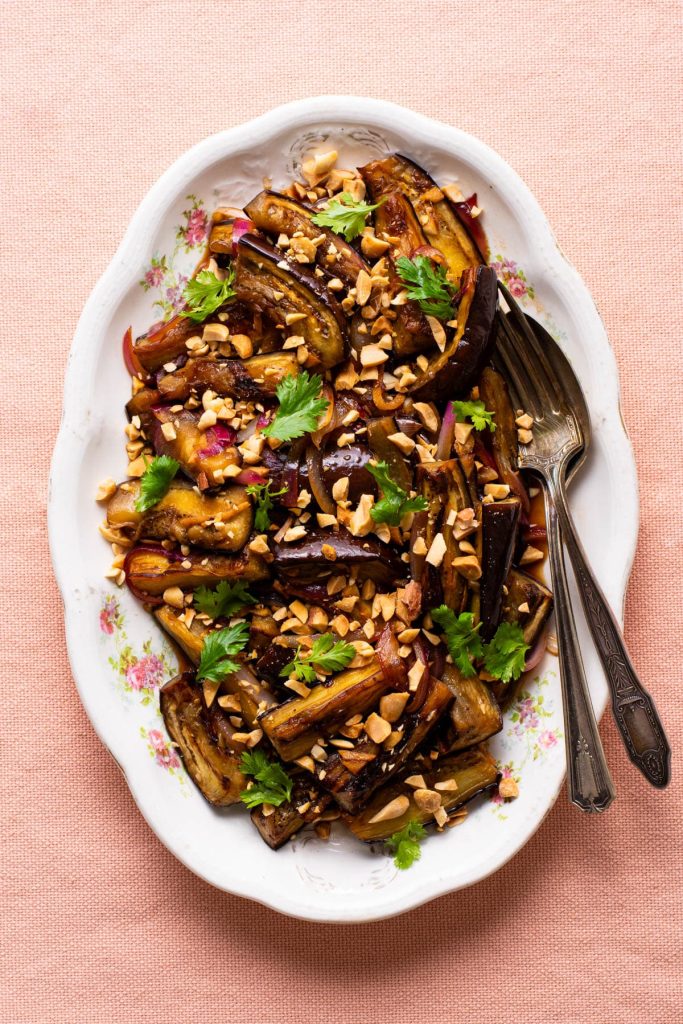
Imagine biting into a perfectly cooked piece of eggplant, crispy on the outside yet tender and juicy within. If you’ve ever struggled to achieve that ideal texture or flavor, you’re not alone.
Eggplants can be tricky, but mastering the art of pan frying them is easier than you might think. Whether you’re a seasoned cook or a kitchen newbie, learning how to pan fry eggplant can elevate your meals to a whole new level.
Intrigued? Keep reading to discover the simple steps and tips that will transform your eggplant dishes from ordinary to extraordinary. Your taste buds will thank you!

Credit: thenewbaguette.com
Choosing The Right Eggplant
Picking the right eggplant is key for a tasty pan-fried dish. The type and freshness matter a lot.
Use the best eggplants to get good texture and flavor. Let’s look at what works best.
Varieties That Work Best
Not all eggplants cook well in a pan. Choose these varieties for best results.
- Globe eggplant: Large and round with glossy purple skin.
- Italian eggplant: Smaller than globe, tender and mild.
- Japanese eggplant: Long, slender, and sweet flavor.
- Chinese eggplant: Thin skin, less bitter, cooks quickly.
Selecting Fresh And Firm Eggplants
Freshness affects taste and cooking time. Look for firm eggplants with smooth skin.
| Feature | What to Look For |
| Skin | Glossy, smooth, and free of blemishes |
| Firmness | Press gently; should bounce back, not stay indented |
| Weight | Heavy for its size, indicating freshness |
| Color | Deep purple or appropriate color for variety |
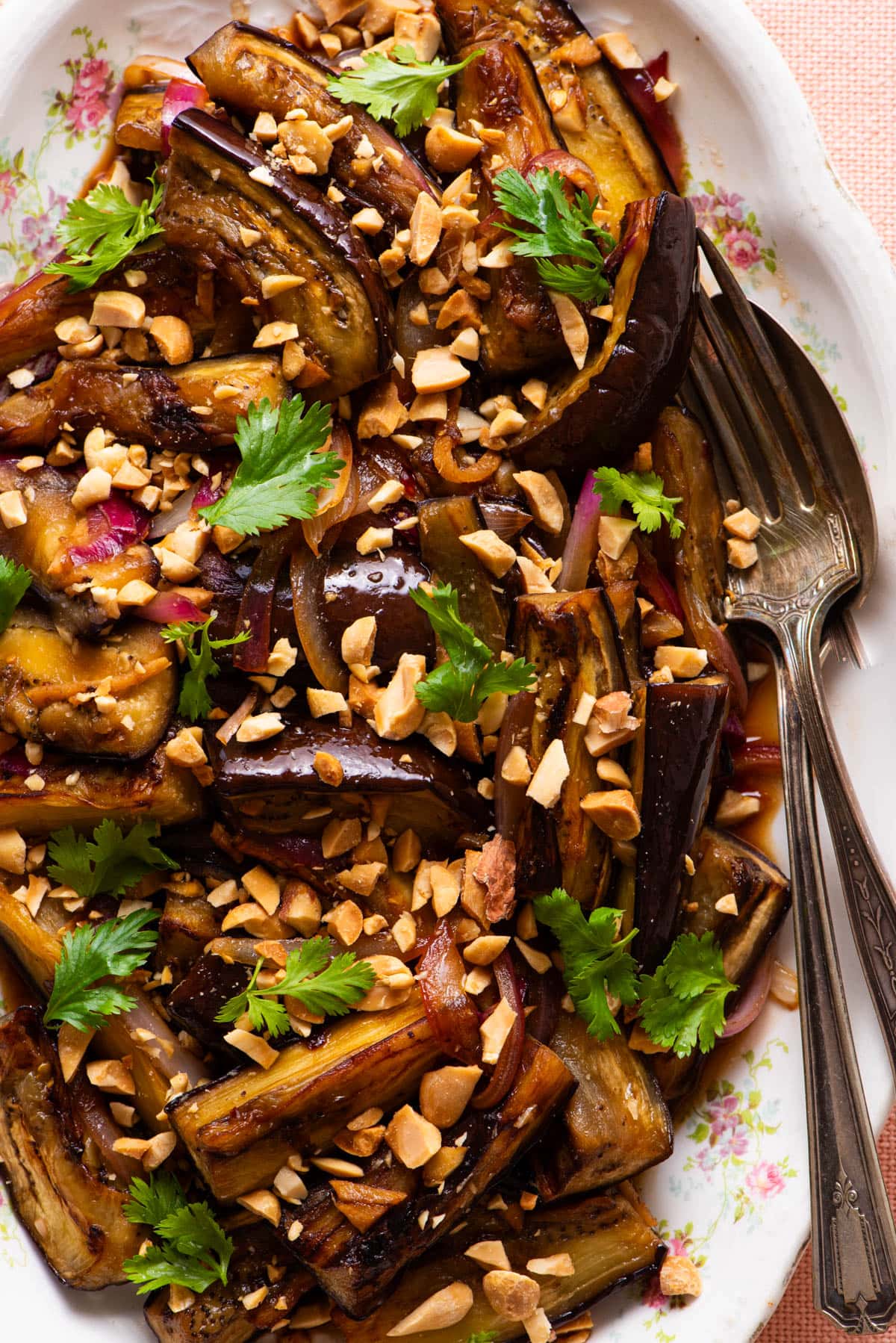
Credit: thenewbaguette.com
Preparing The Eggplant
Preparing eggplant properly makes it taste better and cook well. This guide shows how to get the eggplant ready for pan frying.
Good preparation helps remove bitterness and makes the eggplant crispy. Follow simple steps before cooking.
Washing And Slicing Techniques
Start by washing the eggplant under cold water. This removes dirt and any chemicals on the skin.
Cut the eggplant into even slices. You can slice it into rounds or long strips. Keep the slices about half an inch thick.
- Use a sharp knife to make clean cuts
- Keep slices uniform for even cooking
- Trim off the stem and bottom ends
Salting To Remove Bitterness
Eggplants can taste bitter. Sprinkling salt helps draw out this bitterness. It also reduces extra moisture.
Spread salt on both sides of each slice. Let them sit for 20 to 30 minutes. After that, rinse the salt off and pat dry.
- Use coarse salt for best results
- Do not skip rinsing the salt away
- Pat slices dry with a clean towel
Drying For Crispiness
Drying the eggplant slices helps them become crispy when fried. Use paper towels to remove surface moisture.
Lay the slices on a clean towel and press gently. Make sure to dry both sides well before cooking.
- Use fresh paper towels or a clean kitchen cloth
- Do not skip drying to avoid soggy eggplant
- Dry slices just before frying for best texture
Selecting The Best Oil
Choosing the right oil is important for pan frying eggplant. The oil affects cooking temperature and flavor.
You want an oil that can handle heat without burning. The flavor of the oil also changes the taste of the eggplant.
Oils With High Smoke Points
Oils with high smoke points can cook eggplant well without burning. They stay stable at high heat.
Using oils with low smoke points can cause smoke and bitter taste. Pick oils that handle frying heat.
- Avocado oil – smoke point around 520°F (271°C)
- Refined peanut oil – smoke point around 450°F (232°C)
- Sunflower oil – smoke point around 440°F (227°C)
- Light olive oil (refined) – smoke point around 465°F (240°C)
- Safflower oil – smoke point around 450°F (232°C)
Flavor Considerations
The flavor of the oil changes the taste of the eggplant. Mild oils keep the eggplant’s flavor clear.
Stronger oils add their own taste. Choose oil based on the flavor you want in your dish.
- Light olive oil adds a fruity, mild taste
- Avocado oil is neutral and buttery
- Peanut oil has a subtle nutty flavor
- Sunflower oil is very mild and clean
- Coconut oil adds a sweet, tropical flavor
Pan Frying Process
Pan frying eggplant is a quick way to make it tasty and soft. You use a small amount of oil in a pan to cook the slices.
The process needs some care to get the right texture and flavor. Here are tips to help you pan fry eggplant perfectly.
Preheating The Pan
Start by heating the pan before adding the eggplant. A hot pan helps the eggplant cook evenly and get a nice crust.
Use a medium to medium-high heat for best results. Wait for the pan to feel hot to the touch or for a drop of water to sizzle on the surface.
Cooking Temperature Tips
Keep the cooking temperature steady. Too low heat makes the eggplant absorb oil and become soggy. Too high heat burns the outside before the inside cooks.
- Use medium heat to cook eggplant slices evenly
- Adjust heat if oil starts to smoke or eggplant burns
- Turn slices gently to brown both sides
Avoiding Soggy Eggplant
Eggplant can soak up oil and become soggy if not prepared right. To avoid this, slice the eggplant and salt it before cooking.
Salting draws out moisture. Pat the slices dry with a paper towel before frying. Use enough oil to coat the pan but not flood it.
- Salt eggplant slices and wait 20 minutes
- Pat slices dry before cooking
- Use moderate oil for frying
- Do not overcrowd the pan; cook in batches
Achieving Crispy Texture
Pan frying eggplant can make it crispy and delicious. The key is to prepare it right and cook it carefully.
This guide explains two important tips to get that perfect crispy texture.
Using A Light Coating
Applying a light coating helps eggplant slices become crispy. Too much coating makes them soggy or greasy.
- Pat eggplant slices dry with paper towels to remove moisture.
- Lightly sprinkle salt and let sit for 10 minutes to draw out water.
- Dab off excess water before coating.
- Use a thin layer of flour or breadcrumbs for the coating.
- Do not soak slices in batter or thick mixtures.
Flipping For Even Browning
Flipping eggplant slices at the right time ensures both sides brown evenly. This keeps the texture crispy all over.
| When to Flip | What to Look For | Why It Matters |
| After 3–4 minutes | Edges turn golden brown | Prevents burning on one side |
| Use a spatula gently | Lift slice carefully | Keeps coating intact |
| Flip only once | Avoid flipping too often | Helps build crisp crust |
Flavor Enhancements
Pan frying eggplant is a simple way to cook it. Adding flavors makes it taste better. You can use seasonings, herbs, and spices to improve the dish.
These ingredients help bring out the eggplant’s natural taste. They also add aroma and color. Let’s see how to add them.
Seasoning Suggestions
Salt is the most common seasoning for eggplant. It helps remove bitterness and brings out flavor. Pepper adds a mild heat and sharpness.
You can also try garlic powder or onion powder for a savory taste. A splash of soy sauce or balsamic vinegar gives a nice tangy twist. Use these seasonings lightly to avoid overpowering the eggplant.
- Salt for reducing bitterness
- Black pepper for mild heat
- Garlic powder for savory flavor
- Onion powder for depth
- Soy sauce for umami
- Balsamic vinegar for tang
Adding Herbs And Spices
Fresh herbs give a bright and fresh taste. Basil, parsley, and cilantro work well with eggplant. You can add them at the end of cooking for best flavor.
Spices like cumin, paprika, and chili flakes add warmth and spice. Toast spices lightly before cooking to release their aroma. Use small amounts to keep the eggplant balanced.
- Basil for sweet freshness
- Parsley for mild flavor
- Cilantro for citrus notes
- Cumin for earthiness
- Paprika for color and warmth
- Chili flakes for heat
Serving Ideas
Pan-fried eggplant is a tasty and versatile dish. You can serve it in many ways that bring out its rich flavor.
This guide shows easy ideas for sauces and dishes to pair with your eggplant.
Pairing With Sauces
Eggplant works well with many sauces. These add moisture and enhance its taste.
- Garlic yogurt sauce for a creamy, tangy touch
- Spicy tomato sauce to add heat and acidity
- Tahini sauce for a nutty, rich flavor
- Basil pesto to bring fresh herbal notes
- Soy ginger glaze for an Asian-inspired twist
Incorporating Into Dishes
Pan-fried eggplant fits into many meals. Use it as a main or side ingredient to add texture and flavor.
| Dish Type | How to Use Eggplant |
| Salads | Add sliced eggplant for a smoky touch |
| Sandwiches | Layer it with cheese and veggies |
| Pasta | Mix cubed eggplant into tomato sauce |
| Grain Bowls | Top rice or quinoa with eggplant and sauce |
| Wraps | Combine with hummus and fresh greens |

Credit: thenewbaguette.com
Common Mistakes To Avoid
Pan frying eggplant is easy but some mistakes can ruin the dish. Avoid these errors to get perfect results every time.
Eggplant needs the right care in the pan to cook evenly and taste great. Let’s look at common problems and how to fix them.
Overcrowding The Pan
Putting too many eggplant pieces in the pan lowers the heat. This makes the eggplant soggy and unevenly cooked.
Give each piece space to brown well. Cook in batches if needed for the best texture.
- Use a large pan or fry in small batches
- Leave space between pieces for even heat
- Flip pieces only when the first side is golden brown
Using Too Much Oil
Eggplant soaks up oil quickly. Using too much can make the dish greasy and heavy.
Use just enough oil to coat the pan and help the eggplant crisp. You can add more if needed while cooking.
- Start with 1-2 tablespoons of oil for a medium pan
- Use a brush or paper towel to spread oil evenly
- Drain cooked eggplant on paper towels to remove extra oil
Frequently Asked Questions
How Do You Prepare Eggplant For Pan Frying?
To prepare eggplant, slice it evenly and sprinkle salt. Let it sit for 20-30 minutes to remove bitterness. Rinse and pat dry before frying to ensure a crispy texture.
What Oil Is Best For Pan Frying Eggplant?
Use oils with a high smoke point like olive oil, canola oil, or vegetable oil. These oils prevent burning and enhance the eggplant’s flavor during frying.
How Long Should You Pan Fry Eggplant Slices?
Pan fry eggplant slices for 3-4 minutes on each side. Cook until they turn golden brown and tender for the best taste and texture.
Should Eggplant Be Soaked Before Frying?
Soaking eggplant in salted water reduces bitterness and prevents it from absorbing too much oil. Soak for 20-30 minutes, then rinse and dry before frying.
Conclusion
Pan frying eggplant brings out its soft, rich flavor beautifully. This simple method cooks eggplant quickly and keeps it tender. Use a little oil and moderate heat for best results. Season well to enhance its natural taste. Serve it as a side dish or add to your favorite recipes.
Enjoy the crispy outside and creamy inside every time. Try pan frying eggplant soon and enjoy a tasty, healthy meal. Cooking eggplant this way is easy, fast, and delicious. Give it a try!