How to Pan Fry Tilapia: Are you ready to elevate your cooking game with a dish that’s both delicious and healthy? Pan frying tilapia is your ticket to a quick, flavorful meal that’ll impress everyone at the table.
Whether you’re a seasoned chef or just starting out in the kitchen, this guide will walk you through the simple steps to achieve perfectly cooked tilapia with a golden, crispy crust. Imagine the tantalizing aroma wafting through your home, making mouths water before the first bite.
Stay with us, and you’ll discover tips and tricks that ensure your tilapia is a hit every time. Ready to transform your dinner routine into a delightful experience? Let’s dive in!
Choosing Fresh Tilapia
Fresh tilapia tastes better and cooks well. Picking the right fish is key for a good meal.
Look closely at the fish before buying. Freshness affects flavor and safety.
Selecting Quality Fillets
Choose fillets that look firm and moist. Avoid fillets with dry or discolored spots.
Good fillets should have a clean smell. They should not smell fishy or sour.
- Firm texture without soft areas
- Moist surface, not slimy
- Light pink or white color
- No dark edges or bruises
- Fresh, mild ocean smell
Checking For Freshness
Check the fish’s eyes if buying whole tilapia. Clear, bright eyes show freshness.
Look at the gills. They should be red or pink, not brown or gray.
- Eyes: clear and shiny, not cloudy
- Gills: bright red or pink
- Skin: shiny and moist
- Smell: clean, not strong or sour
- Flesh: springs back when pressed

Credit: food52.com
Preparing The Fish
Preparing tilapia before pan frying helps the fish cook evenly. It also improves the flavor and texture.
Clean and season the fish carefully. This makes sure your tilapia tastes fresh and delicious.
Cleaning And Patting Dry
Rinse the tilapia under cold water to remove any slime or scales. This keeps the fish clean and fresh.
Use paper towels to pat the fish dry. Removing extra moisture helps the fish get crispy when pan fried.
- Rinse the fish gently under cold water
- Check for any leftover scales and remove them
- Pat the fish dry with paper towels on all sides
- Make sure the fish is completely dry before seasoning
Seasoning Techniques
Season the tilapia evenly for the best flavor. Simple spices work well to enhance the fish.
Use salt, pepper, and other herbs or spices you like. Rub the seasoning gently onto both sides of the fish.
- Sprinkle salt evenly over the fish
- Add ground black pepper for a mild kick
- Try paprika or garlic powder for extra taste
- Rub the spices lightly so they stick to the fish
Selecting The Right Pan And Oil
Pan frying tilapia needs the right pan and oil. These choices affect how the fish cooks and tastes.
Picking the best pan and oil helps you get a crispy, golden crust without burning the fish.
Best Pan Types For Frying
Use pans that heat evenly to cook tilapia well. Non-stick pans stop fish from sticking.
Cast iron pans keep heat steady. Stainless steel pans work but need more oil to stop sticking.
- Non-stick pans: easy to clean and prevent sticking
- Cast iron pans: great heat retention and even cooking
- Stainless steel pans: durable but may need more oil
Choosing Cooking Oils
Pick oils that handle high heat without burning. This keeps the tilapia tasty and healthy.
Oils with a high smoke point work best for pan frying. They also give a nice crisp to the fish.
- Canola oil: neutral taste and high smoke point
- Vegetable oil: affordable and heats well
- Peanut oil: adds a mild nutty flavor and resists burning
- Avocado oil: healthy with a very high smoke point
Heating The Pan Properly
Heating the pan properly is key to pan frying tilapia. It helps cook the fish evenly and gives a crispy crust.
Too low heat makes the fish soggy. Too high heat burns it outside and leaves it raw inside.
Ideal Temperature For Frying
The ideal pan temperature for frying tilapia is between 325°F and 375°F (163°C to 190°C). This range cooks the fish well without burning it.
Use medium to medium-high heat on your stove. This heat level allows the fish to cook through and develop a golden crust.
- Lower than 325°F: Fish cooks slowly and can stick to the pan.
- Higher than 375°F: Oil smokes and fish may burn quickly.
- Medium heat keeps fish juicy and crispy.
Testing The Oil Heat
Test the oil heat before adding tilapia. This step prevents soggy or burnt fish.
Drop a small piece of bread or fish skin into the oil. If it sizzles and bubbles, the oil is ready.
- No bubbles: Oil is too cool, wait longer.
- Light sizzle: Oil is warming up.
- Strong sizzle and bubbles: Oil is ready for frying.
- Smoke: Oil is too hot, reduce heat.
Frying The Tilapia
Pan frying tilapia is a quick way to cook this mild fish. It creates a crispy outside and tender inside.
Using the right heat and oil helps get a perfect golden crust. This guide shows how to fry tilapia well.
Placing Fillets In The Pan
Heat the pan with oil until it is hot but not smoking. Place the fillets gently in the pan to avoid splashes.
Lay the fillets skin-side down if they have skin. Leave space between fillets to cook evenly.
- Use medium heat for best results
- Do not overcrowd the pan
- Place fillets away from you to avoid oil splashes
Cooking Time And Flipping Tips
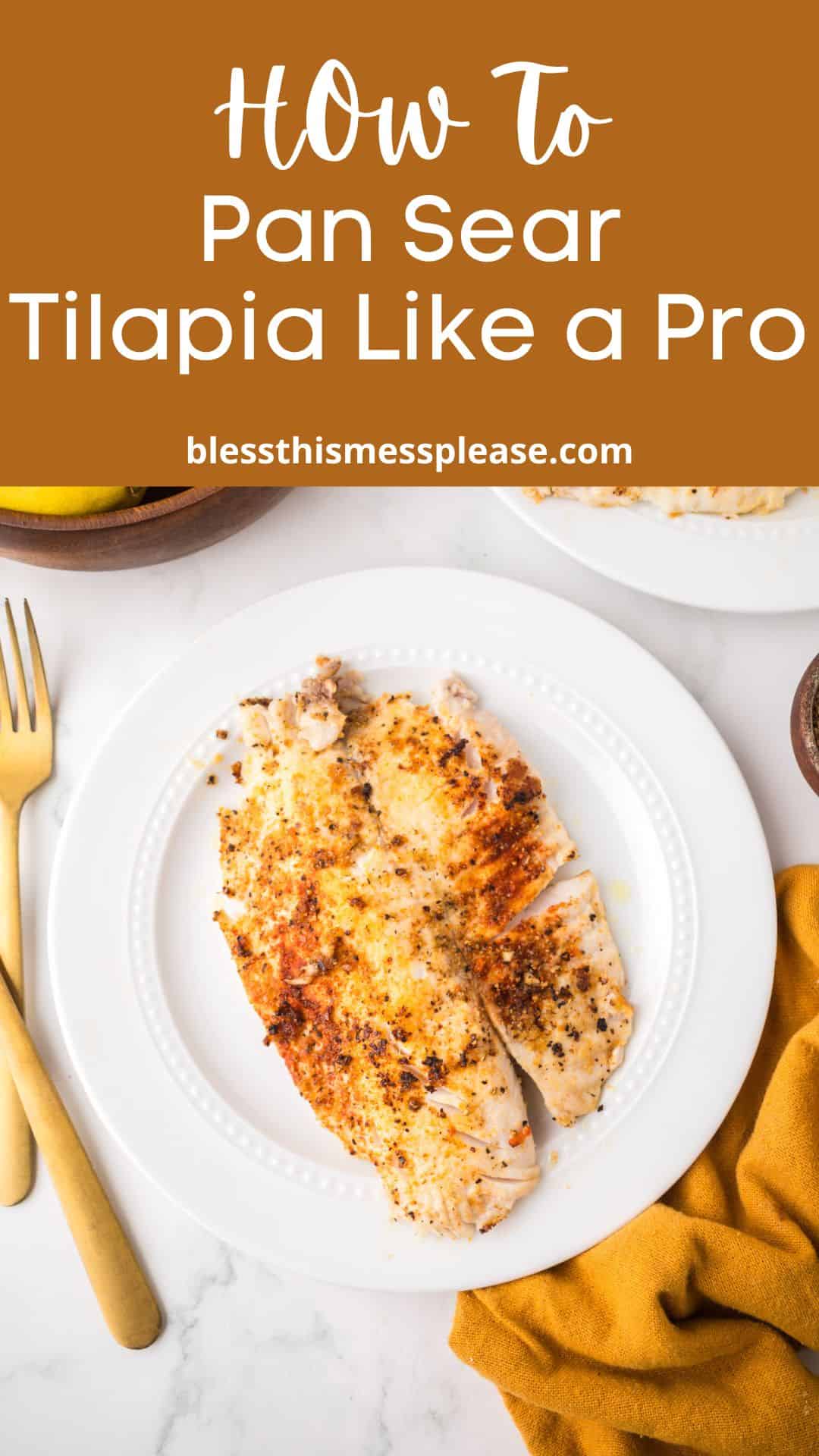
Cook tilapia fillets for about 3 to 4 minutes on one side. Flip carefully using a spatula to keep the fillet whole.
Cook the other side for 2 to 3 minutes until the fish is opaque and flakes easily with a fork.
- Flip only once to avoid breaking the fillet
- Use a thin spatula for easy turning
- Check for firm edges and clear color before flipping
Achieving Crispy Skin
Pan frying tilapia gives it a golden, crispy skin that many enjoy. Getting the skin crisp means using the right heat and technique.
This guide covers tips to avoid sticking and ways to add coatings for extra crispiness.
Avoiding Sticking
Sticking can ruin the crispy skin. Use a non-stick or well-seasoned pan for best results.
- Dry the fish skin well with paper towels before cooking.
- Heat the pan over medium-high heat before adding oil.
- Use enough oil to cover the pan surface evenly.
- Place the fish skin-side down and press lightly to keep contact.
- Do not move the fish until the skin releases easily from the pan.
Using Coatings For Extra Crispiness
Coatings help create a crunchier texture on the skin. Light coatings work best for tilapia.
| Coating Type | Description | Effect |
| Flour | Light dusting of all-purpose flour | Creates a thin, crispy crust |
| Cornstarch | Fine coating of cornstarch | Gives extra crunch and light texture |
| Panko Breadcrumbs | Coarse Japanese breadcrumbs | Adds a thick, crunchy layer |
| Seasoned Salt Mix | Flour or cornstarch mixed with spices | Adds flavor and crispiness |
Serving Suggestions
Pan fried tilapia tastes great with a variety of sides and sauces. Choosing the right pairings can make your meal more enjoyable.
Below are ideas for complementary side dishes and flavorful sauces to serve with your tilapia.
Complementary Side Dishes
Side dishes add texture and flavor that balance the mild taste of tilapia. Pick sides that are light and fresh.
- Steamed or roasted vegetables like asparagus, broccoli, or green beans
- Rice pilaf or quinoa for a filling grain option
- Simple garden salad with lemon vinaigrette
- Mashed potatoes with herbs
- Coleslaw for a crunchy contrast
Sauces And Garnishes
Sauces and garnishes enhance the flavor of pan fried tilapia. Use fresh ingredients to keep the dish light.
| Sauce/Garnish | Description | Best With |
|---|---|---|
| Lemon Butter Sauce | Rich and tangy butter with fresh lemon juice | Steamed vegetables, mashed potatoes |
| Mango Salsa | Fresh mango, red onion, cilantro, and lime juice | Rice pilaf, garden salad |
| Tartar Sauce | Creamy mayo base with pickles and herbs | Coleslaw, green beans |
| Herb Chimichurri | Parsley, garlic, vinegar, and olive oil mix | Quinoa, roasted asparagus |
Credit: www.blessthismessplease.com
Cleaning And Safety Tips
Pan frying tilapia is a quick way to cook this tasty fish. It is important to follow safety rules to avoid accidents. Cleaning the pan properly keeps your kitchen safe and ready for the next use.
This guide will help you handle hot oil safely and clean your pan after frying tilapia.
Handling Hot Oil Safely
Hot oil can cause serious burns. Always be careful when heating or using oil for frying.
Keep children and pets away from the stove. Use a deep pan to reduce splashing. Never fill the pan more than half with oil.
- Heat oil slowly and watch it carefully.
- Use long-handled utensils to turn the fish.
- Wear an apron and use oven mitts to protect yourself.
- Do not leave hot oil unattended.
- If oil starts smoking, lower the heat or remove the pan from the stove.
Cleaning The Pan After Frying
Clean the pan while it is warm but not hot. This helps remove leftover oil and food bits easily.
Use warm soapy water and a soft sponge to avoid damaging the pan’s surface. Avoid harsh scrubbers for non-stick pans.
- Pour out excess oil into a heat-safe container for disposal.
- Fill the pan with warm water and a few drops of dish soap.
- Let the pan soak for 10-15 minutes if food sticks.
- Gently scrub with a sponge or soft brush.
- Rinse well and dry with a clean towel.
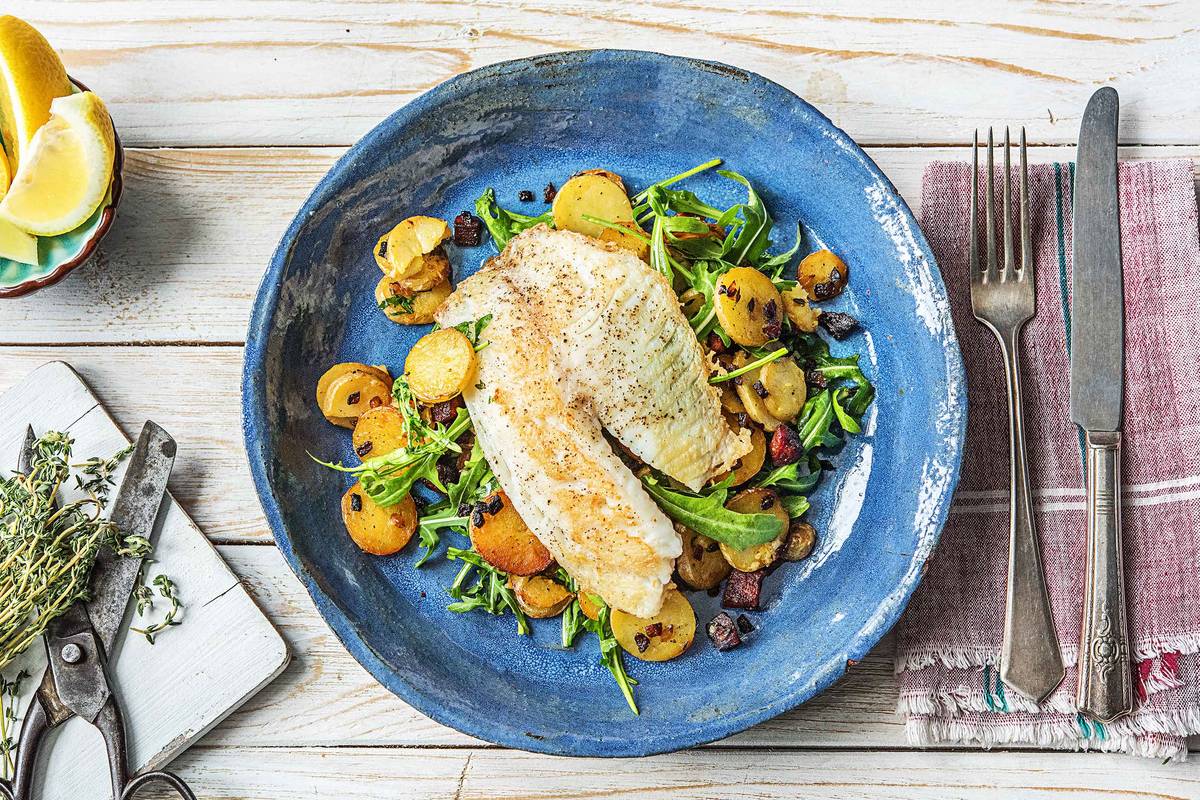
Credit: www.hellofresh.co.uk
Frequently Asked Questions
How Long Should I Pan Fry Tilapia Fillets?
Pan fry tilapia fillets for 3-4 minutes per side. Cook until the flesh is opaque and flakes easily with a fork. Avoid overcooking to keep the fish tender and moist.
What Oil Is Best For Pan Frying Tilapia?
Use oils with high smoke points like canola, vegetable, or avocado oil. These oils prevent burning and add a subtle flavor that complements tilapia well.
Should I Season Tilapia Before Pan Frying?
Yes, lightly season tilapia with salt, pepper, and optional spices. Seasoning enhances flavor and helps create a tasty crust during frying.
How Do I Know When Tilapia Is Fully Cooked?
Tilapia is done when it turns opaque and flakes easily. Use a fork to check; the flesh should separate without resistance.
Conclusion
Pan frying tilapia is quick and simple. Use fresh fish and heat the pan well. Cook each side until golden brown. A little oil keeps the fish from sticking. Season lightly to bring out the flavor. Serve with your favorite side dish.
Enjoy a tasty, healthy meal in minutes. Cooking tilapia this way suits busy days perfectly. Try it often for easy, delicious dinners.