

Are you dreaming of a kitchen that's as functional as it is beautiful? Whether you're planning a complete remodel or just a few tweaks, creating a detailed kitchen drawing is your first step to success.
Imagine cooking in a space that truly reflects your style and meets your everyday needs. With a well-thought-out kitchen drawing, you can visualize every element, from the layout to the finishing touches. This guide will show you how to transform your ideas into a clear and practical plan.
By following these steps, you'll ensure your kitchen not only looks great but also works perfectly for you and your family. Ready to design the kitchen of your dreams? Let’s dive into the process and get started on making it a reality.
Planning Your Kitchen Layout
Planning your kitchen layout is the first step to creating a functional space. A good plan helps you use the space wisely.
This guide covers how to assess your space, choose a layout, and think about workflow.
Assessing Space And Measurements
Start by measuring the kitchen area carefully. Include walls, doors, windows, and any appliances already in place.
- Measure the length and width of the room.
- Note the height of the ceiling.
- Mark the position of doors and windows.
- Check for plumbing and electrical outlets.
- Measure existing appliances or fixtures.
Choosing The Right Layout Style
Choose a layout that fits your space and needs. The main styles include single-wall, L-shape, U-shape, and galley kitchens.
| Layout Style | Description | Best For |
| Single-wall | All kitchen elements on one wall | Small spaces or open-plan rooms |
| L-shape | Two walls form an L | Medium to large kitchens |
| U-shape | Three walls or sections form a U | Large kitchens with space for many appliances |
| Galley | Two parallel walls with a walkway | Narrow kitchens needing efficient use |
Considering Workflow And Functionality
Think about how you move while cooking. A good workflow makes cooking easier and faster.
- Place the sink, stove, and refrigerator close but not crowded.
- Keep counter space near cooking and cleaning areas.
- Ensure there is enough room for opening doors and drawers.
- Plan storage near where you use items the most.
- Leave clear paths to avoid bumping into others.
Selecting Essential Kitchen Elements
Making a kitchen drawing starts with choosing the right elements. These elements help create a practical and beautiful kitchen space.
Focus on cabinets, appliances, and countertops. These parts shape how your kitchen looks and works.
Cabinets And Storage Solutions
Cabinets store dishes, pots, and food. Choose styles that fit your kitchen size and style.
Think about adding shelves, drawers, and organizers inside cabinets. They keep things tidy and easy to reach.
- Use tall cabinets for more storage
- Include pull-out drawers for easy access
- Add corner shelves to use space well
- Choose materials that resist moisture
Appliances Placement
Plan where to put your stove, fridge, and sink. This makes cooking easier and faster.
Keep the work triangle in mind. It connects the stove, sink, and fridge for smooth movement.
- Place the fridge near the kitchen entrance
- Keep the stove away from doors and windows
- Position the sink between the fridge and stove
- Leave enough counter space near appliances
Countertops And Work Surfaces
Countertops give you space to prepare food. Pick durable materials that are easy to clean.
Think about how much surface area you need. More space helps when cooking big meals.
- Choose stone or laminate for durability
- Include an island for extra workspace
- Leave clear areas for chopping and mixing
- Consider height for comfortable working
Sketching The Initial Design
Creating a kitchen drawing starts with a simple sketch. This helps you plan the space before building or remodeling.
The initial design sketch shows the layout and where key items will go. It guides your work.
Tools And Materials Needed
Gathering the right tools makes sketching easier and more accurate. Use simple materials you already have.
- Pencil and eraser for easy changes
- Graph paper to keep lines straight
- Ruler or straightedge for clean lines
- Measuring tape to get exact room sizes
- Calculator to add measurements correctly
Drawing Basic Floor Plans
Start with a simple floor plan showing walls and doors. Draw the room’s shape and size first.
Keep the drawing to scale so it matches the real kitchen size. Use squares on graph paper for help.
- Draw outer walls to show the room shape
- Mark door and window locations
- Include measurements along walls
- Leave space for kitchen furniture
Marking Key Features
Add important kitchen features to your floor plan. These include sinks, appliances, and cabinets.
Label these features clearly. This helps you see how the kitchen will work and flow.
- Draw the sink and its plumbing
- Place the stove and refrigerator
- Mark cabinet and counter locations
- Show space for walking and working
Adding Details And Enhancements
Adding details and enhancements makes your kitchen drawing clearer and more attractive. These elements help show how the kitchen will look in real life.
Focus on lighting, colors, materials, and decorative items. They bring life to the design and help visualize the space better.
Incorporating Lighting Fixtures
Lighting affects the kitchen’s mood and functionality. Place lights where you need good visibility for cooking and cleaning.
- Ceiling lights provide general illumination
- Under-cabinet lights brighten work surfaces
- Pendant lights add style over islands or counters
- Task lighting helps in detailed cooking tasks
Choosing Colors And Materials
Colors and materials set the kitchen’s tone and feel. Use combinations that match the style you want.
| Element | Color Options | Material Types |
| Cabinets | White, Gray, Blue | Wood, Laminate, MDF |
| Countertops | Black, Beige, Marble | Granite, Quartz, Marble |
| Flooring | Brown, Light Oak, Gray | Tile, Hardwood, Vinyl |
Including Decorative Elements
Decorative elements add character and warmth. They also make the kitchen feel welcoming and lived-in.
Consider adding:
- Plants or small herb pots on windowsills
- Artwork or framed prints on walls
- Colorful rugs or mats near sinks
- Stylish handles and knobs on cabinets
Using Digital Tools For Precision
Digital tools help create exact kitchen drawings. They make the design process easier and more accurate.
Using software, you can plan layouts, measure spaces, and see how everything fits before building.
Popular Kitchen Design Software
Several software options help with kitchen design. These tools vary in features and ease of use.
- SketchUp: Offers 3D modeling and easy editing.
- RoomSketcher: Allows floor plans and visualizations.
- Home Designer Suite: Good for detailed home and kitchen plans.
- Sweet Home 3D: Free and simple for beginners.
- Chief Architect: Professional software with many tools.
Benefits Of Digital Drafting
Digital drafting saves time and reduces errors. It improves communication with builders and clients.
| Benefit | Explanation |
| Accuracy | Precise measurements avoid mistakes. |
| Visualization | 3D views help understand the space better. |
| Easy Changes | Modify designs quickly without redrawing. |
| Cost Saving | Prevents costly errors during construction. |
| Sharing | Share plans easily with others. |
Tips For Effective Digital Designs
- Start with accurate measurements of your kitchen space.
- Use layers to separate elements like walls, furniture, and appliances.
- Check designs from different angles using 3D views.
- Save your work often to avoid data loss.
- Test different layouts to find the best fit.
- Use the software’s help features and tutorials.
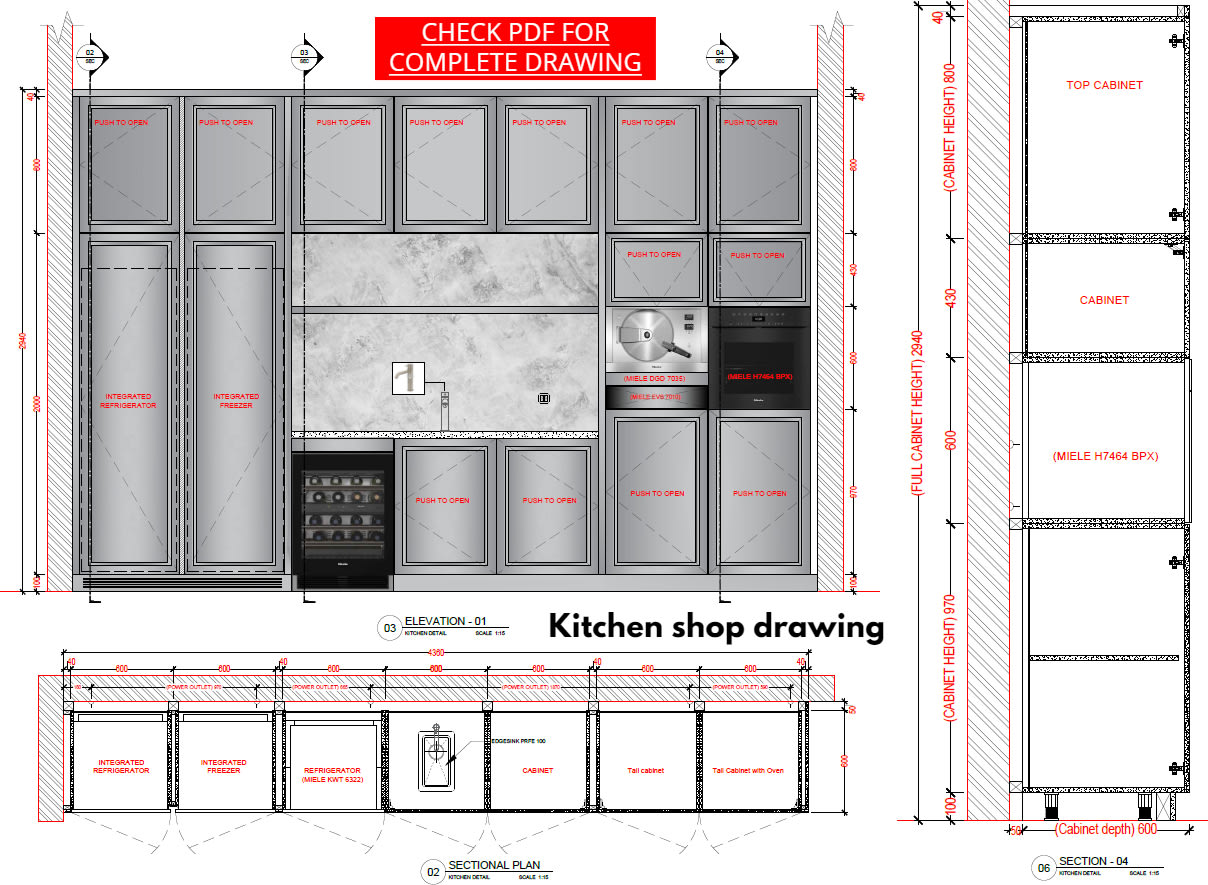
Credit: www.fiverr.com
Reviewing And Refining Your Drawing
After creating your kitchen drawing, take time to review it carefully. This step ensures your design works well and fits the space.
Refining your drawing helps avoid mistakes and improves the overall plan. Focus on measurements, feedback, and final changes.
Checking Measurements And Proportions
Check all dimensions to make sure parts fit together. Look at counters, appliances, and walkways to confirm sizes are correct.
| Element | Ideal Size | Check Points |
| Counter Depth | 24 inches | Measure depth from wall to edge |
| Walkway Width | 36 inches minimum | Ensure space between counters is enough |
| Appliance Size | Match manufacturer specs | Verify width, height, and depth |
| Cabinet Height | 84 to 96 inches | Check clearance and reachability |
Seeking Feedback And Suggestions
Ask others to look at your drawing. Fresh eyes can find problems you missed and give new ideas.
- Show your drawing to family or friends
- Get advice from a kitchen designer or contractor
- Use online forums for extra opinions
- Note all suggestions and consider changes
Making Final Adjustments
Use your notes and feedback to improve the drawing. Fix errors and polish details before finalizing.
- Correct any measurement mistakes
- Adjust layout for better flow
- Refine shapes and angles for clarity
- Double-check appliance placements
- Ensure all parts fit together smoothly
Preparing For Implementation
Making a kitchen drawing is the first step before building. It helps you see the space and plan well. Preparing for the implementation means getting ready to turn your drawing into reality.
This stage needs careful thought about materials, people who will help, and time needed. Proper planning saves money and avoids mistakes.
Creating Material Lists
Write down all materials you need for the kitchen project. Include items like wood, tiles, paint, and hardware.
A clear list helps you buy everything at once. It also avoids missing important supplies during work.
- Cabinets and shelves
- Countertops and sinks
- Flooring materials
- Lighting fixtures
- Paint and wall coverings
- Plumbing and electrical parts
Coordinating With Contractors
Talk to the contractors who will build your kitchen. Share your drawing and explain your ideas clearly.
Good communication helps avoid confusion and delays. Make sure everyone understands their tasks and timeline.
- Schedule meetings before work starts
- Discuss budget and materials
- Clarify work steps and safety rules
- Confirm contact details for quick updates
Setting A Realistic Timeline
Plan how long each part of the kitchen work will take. Be honest about what is possible in your time frame.
Include time for ordering materials, delivery, and unexpected delays. This helps keep the project on track.
| Task | Estimated Time |
|---|---|
| Material purchase | 1 week |
| Demolition and prep | 3 days |
| Cabinet installation | 1 week |
| Plumbing and electrical work | 4 days |
| Flooring and painting | 5 days |
| Final touches and cleanup | 2 days |

Credit: lewisandweldon.com

Credit: www.fiverr.com
Frequently Asked Questions
What Tools Are Needed For A Kitchen Drawing?
You need graph paper, pencils, rulers, and measuring tape. Digital tools like CAD software can also help create precise kitchen drawings.
How Do I Measure My Kitchen For Drawing?
Measure wall lengths, door and window locations, and appliance spaces. Record all dimensions accurately to ensure your drawing matches the actual kitchen size.
What Key Elements Should A Kitchen Drawing Include?
Include cabinets, countertops, appliances, sink, and electrical outlets. Mark plumbing and ventilation points to plan an efficient kitchen layout.
Can I Create A Kitchen Drawing Without Design Experience?
Yes, basic measurements and simple sketches can help. Use online templates or software with user-friendly interfaces for better results.
Conclusion
Creating a kitchen drawing helps plan your space clearly and smartly. Start with basic shapes and add details step by step. Use measurements to keep everything accurate and balanced. This drawing guides you to build a kitchen that fits your needs well.
Practice will make your drawings better and easier to understand. Keep your ideas simple and neat. Soon, your kitchen plan will look just right. Drawing your kitchen saves time and avoids mistakes later. Give it a try and enjoy designing your perfect kitchen space.


