Are you tired of seeing tiny, creepy creatures crawling in your kitchen? Mould mites might be the invisible problem ruining your clean space and affecting your health.
If you’re searching for How to Get Rid of Mould Mites in Kitchen, it’s important to know these tiny pests thrive in damp, moldy areas and can multiply quickly if left unchecked. But don’t worry—you’re about to learn simple, effective ways to get rid of mould mites for good. Keep reading, and you’ll discover easy steps to protect your kitchen and breathe easier every day.
Credit: airdogusa.com
Causes Of Mould Mites In Kitchen
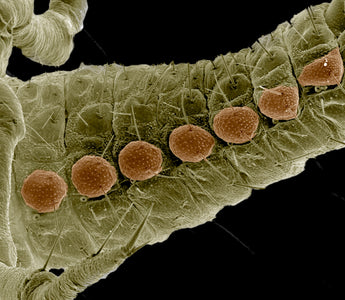
Mould mites are tiny pests that live on mold and damp areas. They often appear in kitchens because of moisture and food crumbs.
Understanding what causes mould mites helps to stop their growth and keep your kitchen clean.
Common Sources Of Infestation
Mould mites usually come from places where mold grows or food is left out. They feed on mold and organic matter.
Typical sources include old food, damp cupboards, and dirty kitchen corners.
- Forgotten crumbs on counters or floors
- Spilled liquids that stay wet for days
- Stored foods with mold growth
- Damp areas behind appliances
- Uncleaned trash bins
Environmental Factors
Mould mites thrive in warm, humid places. Kitchens with poor ventilation create perfect spots for them.
High moisture levels and lack of air flow increase mold growth and attract mites.
- High humidity above 60%
- Warm temperatures between 20°C and 30°C (68°F-86°F)
- Poor ventilation or air circulation
- Leaky pipes or water damage
- Condensation on walls and surfaces
Signs Of Mould Mite Presence
Mould mites are tiny creatures that live in damp places. They often appear in kitchens where moisture builds up.
Knowing the signs of mould mites can help you control them early. This guide covers visual indicators and health symptoms.
Visual Indicators
You may see small white or pale spots on kitchen surfaces. These spots are often clusters of mould mites.
- Tiny moving dots near damp areas
- White powdery patches on walls or shelves
- Black or green mould growth hosting mites
- Musty or damp smell in cabinets or corners
- Sticky residue left by mite activity
Health Symptoms
Mould mites can cause allergic reactions and breathing issues. Symptoms often appear after spending time in the kitchen.
| Symptom | Description |
| Itchy skin | Redness and irritation on exposed skin |
| Watery eyes | Eyes become red and tear frequently |
| Sneezing | Frequent sneezing fits without cold |
| Coughing | Dry cough that worsens indoors |
| Breathing difficulty | Shortness of breath or wheezing |
Immediate Actions To Take
Mould mites can quickly spread in kitchens. Acting fast helps stop the problem.
Focus on cleaning and removing moisture to get rid of these pests.
Cleaning Affected Areas
Start by wiping all surfaces where mould mites appear. Use hot, soapy water or a vinegar solution.
- Throw away spoiled food and containers.
- Scrub shelves and corners thoroughly.
- Clean kitchen appliances carefully.
- Vacuum cracks and crevices to remove mites.
- Wash dishcloths and sponges regularly.
Removing Moisture
Moisture feeds mould and mites. Cut off their water supply to stop them.
| Action | Purpose |
| Fix leaking pipes | Prevent water buildup |
| Use a dehumidifier | Lower air humidity |
| Keep kitchen ventilated | Let moisture escape |
| Dry wet surfaces quickly | Remove breeding spots |

Credit: www.reddit.com
Natural Remedies For Mould Mites
Mould mites live in damp places like kitchens. They feed on mould and can cause allergies. Natural remedies help remove them safely.
Using natural items found at home can keep your kitchen clean. These remedies also stop mould mites from coming back.
Essential Oils
Essential oils have strong smells that repel mould mites. They also kill mould spores, making your kitchen less friendly to mites.
Tea tree oil, eucalyptus oil, and lavender oil work well. Mix a few drops with water and spray on surfaces where mould grows.
- Combine 10 drops of essential oil with 1 cup of water.
- Pour mixture into a spray bottle.
- Spray kitchen corners, cupboards, and damp areas.
- Repeat every few days to keep mites away.
Vinegar And Baking Soda
Vinegar kills mould and baking soda dries damp spots. Together, they make a strong natural cleaner against mould mites.
Use vinegar to clean surfaces and baking soda to absorb moisture. This combination reduces the environment where mould mites live.
- Spray white vinegar on mouldy areas and let it sit for one hour.
- Wipe the surface clean with a damp cloth.
- Sprinkle baking soda on wet or damp spots.
- Let baking soda dry, then vacuum or wipe it away.
- Use these treatments weekly for best results.
Chemical Treatments
Chemical treatments can help remove mould mites in the kitchen. They kill mites quickly and stop their spread.
Choosing the right chemical and using it safely is important. Some chemicals are safe for kitchens, while others are not.
Safe Pesticides
Use pesticides that are safe for indoor use and food areas. Look for products labeled for kitchen use or safe around food.
- Pyrethrin-based sprays are natural and less toxic.
- Insecticidal soaps kill mites without harmful chemicals.
- Boric acid powders can control mites but avoid direct contact with food.
- Neem oil is a plant-based option effective against mites.
Usage Precautions
| Precaution | Reason |
| Read the label carefully | To know safe use and warnings |
| Keep food covered or removed | Prevent contamination |
| Wear gloves and masks | Protect skin and lungs from chemicals |
| Ventilate the kitchen well | Remove fumes and improve air quality |
| Store chemicals out of reach | Prevent accidental ingestion by children or pets |
Follow these rules to keep your family safe while using chemical treatments in the kitchen.

Credit: www.reddit.com
Preventing Future Infestations
Mould mites grow in damp and dirty kitchens. Stopping them means keeping your kitchen dry and clean.
Simple steps can help prevent mould mites from coming back. Focus on good airflow and regular cleaning.
Proper Ventilation
Good ventilation helps keep your kitchen dry. It lowers moisture that mould mites need to live.
Use exhaust fans or open windows while cooking. Let fresh air flow to reduce dampness.
- Turn on exhaust fans during and after cooking
- Open windows to let fresh air in
- Avoid blocking vents or airways
- Use a dehumidifier if the kitchen is very humid
Regular Maintenance
Clean your kitchen often to remove mould and dust. This stops mites from finding food and shelter.
Check for leaks and fix them fast. Dry places do not attract mould or mites.
- Clean sinks, counters, and shelves every day
- Check under the sink for leaks or moisture
- Keep food sealed and stored properly
- Empty trash regularly to prevent mould growth
When To Call Professionals
Mould mites in the kitchen can be annoying and hard to remove. Some infestations need expert help. Knowing when to call professionals saves time and stops damage.
If you see signs of a big problem, it is best to get professional pest control. They have tools and knowledge for safe removal.
Signs Of Severe Infestation
You may need help if mould mites spread fast or cause damage. Watch for these signs:
- Large clusters of tiny mites on food or surfaces
- Persistent mold growth despite cleaning
- Musty smell that does not go away
- Damage to wooden cabinets or kitchen walls
- Health issues like allergies or skin irritation
Choosing Pest Control Services
Picking the right service is key. Professionals offer different methods and guarantees. Use this table to compare important factors.
| Factor | What to Look For |
| Experience | Years dealing with mould mites and kitchen pests |
| Methods | Safe, eco-friendly treatments that suit your home |
| Guarantee | Offers follow-up visits if problem returns |
| Price | Clear and fair pricing with no hidden fees |
| Reviews | Positive customer feedback and ratings |
Frequently Asked Questions
What Are Common Signs Of Mould Mites In The Kitchen?
Mould mites appear as tiny, white or translucent specks. They often gather near damp, moldy areas like sinks or cupboards. You may notice increased moisture or a musty odor, indicating their presence.
How Do Mould Mites Affect Kitchen Hygiene?
Mould mites feed on mold and organic matter, contaminating surfaces. Their presence can worsen mold problems and trigger allergies. Keeping the kitchen dry helps maintain hygiene and prevents mite infestations.
What Natural Methods Eliminate Mould Mites Effectively?
Natural methods include cleaning with vinegar or baking soda solutions. Reducing moisture and increasing ventilation also discourages mites. These methods are safe, eco-friendly, and help control infestations without harsh chemicals.
Can Mould Mites Damage Kitchen Food Or Utensils?
Mould mites do not directly damage food or utensils but contaminate them by spreading mold spores. Proper food storage and regular cleaning prevent contamination and reduce mite risks in the kitchen.
Conclusion
Eliminating mould mites in your kitchen is manageable. Start by keeping areas dry. Moisture encourages mite growth. Clean surfaces regularly. Use natural solutions like vinegar for cleaning. Store food in airtight containers. This prevents mites from accessing food. Check for leaks or damp spots.
Fix them promptly. Regular inspection can help maintain a mite-free kitchen. Consistent efforts keep your kitchen safe and clean. Remember, prevention is key. With these steps, you can enjoy a healthier kitchen environment. Stay vigilant, and keep those mites away for good.