Are you tired of constantly worrying about germs lurking on your kitchen appliances? Do you often wonder if the trusty Clorox wipes you use on countertops can also tackle those greasy fingerprints on your fridge or the smudges on your microwave?
You’re not alone! Many of us seek quick and effective solutions to keep our kitchens sparkling clean. But before you reach for those wipes, let’s dive into whether they’re safe and effective for all your kitchen gadgets. Stick around, because what you’re about to discover might just change how you clean your kitchen forever.
Credit: www.rd.com
Clorox Wipes And Kitchen Appliances
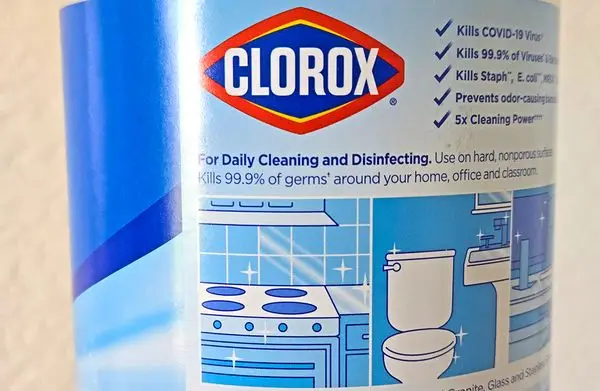
Clorox wipes are popular for cleaning many surfaces. People often wonder if they can use these wipes on kitchen appliances.
Kitchen appliances need gentle care to avoid damage. Let’s learn how Clorox wipes work on them.
Are Clorox Wipes Safe For Kitchen Appliances?
Clorox wipes can clean many kitchen appliances. They kill germs and remove stains quickly.
Still, some surfaces may get damaged by harsh chemicals. Test the wipe on a small area first.
How To Use Clorox Wipes On Appliances
Wipe the appliance gently with the Clorox wipe. Avoid scrubbing hard to protect the finish.
Let the surface air dry or wipe with a clean cloth. Do not rinse with water after using the wipe.
Appliances To Avoid Using Clorox Wipes On
Some appliances may not handle Clorox wipes well. Avoid using them on these items to prevent damage.
- Unfinished wood surfaces
- Touch screens without special coating
- Non-stick coatings on some appliances
- Painted or delicate finishes
Tips For Safe Cleaning With Clorox Wipes
- Always read the appliance care guide before cleaning
- Test wipes on a hidden spot first
- Do not use on hot surfaces
- Use wipes for quick cleaning, not heavy dirt
- Keep wipes away from food contact areas
Credit: www.walmart.ca
Safe Surfaces For Clorox Wipes
Clorox wipes are popular for cleaning kitchen appliances. They kill germs and remove dirt quickly.
It is important to know which surfaces can handle these wipes safely. Some materials react differently to cleaning chemicals.
Stainless Steel
Stainless steel is common in kitchen appliances like refrigerators and ovens. Clorox wipes are safe to use here.
They help remove fingerprints, smudges, and germs without damaging the surface. Always wipe gently to keep the finish shiny.
Glass And Ceramic
Glass and ceramic surfaces can be cleaned with Clorox wipes safely. These materials do not react badly to the chemicals.
- Use wipes on glass stovetops and ceramic sinks
- They remove stains and kill bacteria
- Avoid scrubbing hard to prevent scratches
Plastic And Laminates
Plastic and laminate surfaces are often found on small appliances and countertops. Clorox wipes work well on these.
| Surface Type | Safe to Use Clorox Wipes |
| Hard Plastic | Yes |
| Soft Plastic | Use with Care |
| Laminates | Yes |
| Painted Plastic | Test First |
Surfaces To Avoid
Clorox wipes are useful for cleaning many kitchen surfaces. Still, some materials can get damaged by these wipes.
It is important to know which surfaces to avoid using Clorox wipes on. This helps keep your appliances safe and looking good.
Wood And Veneer
Wood and veneer surfaces can be sensitive to harsh chemicals in Clorox wipes. These wipes may strip away the finish or cause discoloration.
Using Clorox wipes on wood can dry out the surface and lead to cracks or peeling over time.
- Avoid using Clorox wipes on all types of wood and veneer.
- Use a damp cloth with mild soap for cleaning wood surfaces.
- Dry wood immediately after cleaning to prevent damage.
Unfinished Or Painted Surfaces
Unfinished wood or painted surfaces are at risk of damage from Clorox wipes. The chemicals can remove paint or harm the unfinished material.
These surfaces may lose their color or develop spots if cleaned with harsh wipes.
- Do not use Clorox wipes on unfinished or painted surfaces.
- Clean gently with a soft cloth and mild cleaner instead.
- Test any cleaner on a small hidden area first.
Electronic Screens And Controls
Electronic screens and control panels often have special coatings. Clorox wipes can damage these coatings or cause malfunction.
Wipes may leave residue or moisture that harms the electronics inside appliances.
- Avoid using Clorox wipes on touchscreens and control panels.
- Use a dry microfiber cloth or cleaner made for electronics.
- Turn off the appliance before cleaning electronic parts.
Credit: www.snopes.com
Proper Cleaning Techniques
Cleaning kitchen appliances properly helps keep them safe and working well. Using Clorox wipes can be effective if done correctly.
Follow the right steps to clean and disinfect your appliances without causing damage.
Pre-cleaning Preparation
Before using Clorox wipes, unplug the appliance and remove any food or debris. This keeps you safe and makes cleaning easier.
- Turn off and unplug the appliance
- Remove loose crumbs or spills with a dry cloth
- Check the appliance manual for cleaning instructions
- Test Clorox wipes on a small hidden area first
Wiping And Disinfecting
Use Clorox wipes to clean surfaces gently. Avoid harsh scrubbing to prevent damage to finishes.
| Appliance Surface | Cleaning Tips |
| Stainless steel | Wipe gently with the grain of the steel |
| Glass | Use soft wipes, avoid scratching |
| Plastic | Do not soak; wipe quickly and dry |
| Control panels | Use minimal moisture, avoid buttons |
Drying And Ventilation
After wiping, allow appliances to dry fully. Good ventilation helps surfaces dry faster and prevents moisture buildup.
- Leave doors and lids open to air out
- Use a dry cloth to remove excess moisture
- Wait at least 5 minutes before plugging the appliance back in
Safety Precautions
Using Clorox wipes on kitchen appliances can help clean surfaces. It is important to follow safety steps to avoid risks. These steps protect you and keep your kitchen safe.
Read labels and use the wipes carefully. The following sections explain how to stay safe during cleaning.
Ventilation Tips
Always clean in a well-ventilated area. Open windows or turn on fans to clear fumes fast. Good airflow lowers the chance of breathing in strong chemicals.
Avoiding Chemical Residue
Clorox wipes can leave some chemical residue on appliances. To avoid this, wipe surfaces with a damp cloth after using the wipes. This removes leftover chemicals and keeps food areas safe.
- Use wipes only as directed on the label.
- Do not use wipes on surfaces that touch food directly without rinsing.
- Wipe again with water after using Clorox wipes on handles or buttons.
- Allow surfaces to dry fully before use.
Protecting Skin And Eyes
Clorox wipes contain chemicals that can irritate skin and eyes. Wear gloves to protect your hands. Avoid touching your face while cleaning.
| Precaution | Action |
|---|---|
| Skin contact | Wear rubber gloves and wash hands after use |
| Eye exposure | Do not touch eyes; rinse with water if contact occurs |
| Inhalation | Use in areas with good airflow to reduce breathing fumes |
Alternatives To Clorox Wipes
Clorox wipes are common for cleaning, but they can be harsh on kitchen appliances. Some surfaces may get damaged or lose their shine. Using gentler alternatives keeps appliances clean and safe.
This guide shows easy options to clean your kitchen appliances without using Clorox wipes. These alternatives are safe and effective.
Mild Soaps And Water
Mild soap mixed with water is a gentle way to clean appliances. It removes dirt and grease without harming surfaces. Use a soft cloth to avoid scratches.
This method works well on stainless steel, glass, and plastic parts of appliances. Always dry with a clean towel after cleaning to prevent water spots.
- Mix a few drops of mild dish soap with warm water
- Dip a soft cloth into the solution and wring out excess water
- Wipe appliance surfaces gently
- Rinse cloth with clean water and wipe again
- Dry surfaces with a soft towel
Vinegar Solutions
Vinegar is a natural cleaner that helps cut grease and remove odors. Dilute it with water to keep it mild. Avoid vinegar on natural stone or wood finishes.
Use a spray bottle to apply vinegar solutions. Let it sit briefly, then wipe off with a clean cloth. It works well for glass and metal surfaces.
- Mix equal parts white vinegar and water in a spray bottle
- Spray lightly on appliance surfaces
- Let it sit for 1-2 minutes
- Wipe off with a soft, damp cloth
- Dry with a microfiber towel for a streak-free shine
Specialty Appliance Cleaners
Some cleaners are made specifically for kitchen appliances. They are designed to clean without damaging finishes or parts. Always follow the product instructions carefully.
Look for cleaners labeled safe for stainless steel, glass, or plastic. These products often help remove fingerprints and smudges easily.
- Choose a cleaner made for your appliance material
- Apply with a soft cloth or sponge
- Wipe gently to avoid scratches
- Rinse if instructions say so
- Buff dry to restore shine
Frequently Asked Questions
Can Clorox Wipes Damage Kitchen Appliance Surfaces?
Clorox wipes are generally safe for sealed appliance surfaces. Avoid using them on unsealed or sensitive finishes to prevent damage or discoloration.
Are Clorox Wipes Effective For Kitchen Appliance Germs?
Yes, Clorox wipes kill 99. 9% of bacteria and viruses on kitchen appliances. They help maintain hygienic and clean surfaces effectively.
Can Clorox Wipes Be Used On Stainless Steel Appliances?
Clorox wipes can be used on stainless steel but may dull the finish over time. Wipe gently and dry the surface immediately.
Is It Safe To Use Clorox Wipes Near Food Preparation Areas?
Clorox wipes are safe if surfaces are wiped dry before contact with food. Always follow product instructions to avoid chemical residue.
Conclusion
Clorox wipes can clean many kitchen appliances safely. Always check the appliance label before use. Avoid using wipes on sensitive screens or unsealed surfaces. Wipe gently to prevent damage or streaks. Dry appliances well after cleaning to keep them shiny.
Use wipes to kill germs and remove dirt quickly. Regular cleaning helps keep your kitchen fresh and healthy. Keep safety in mind and follow simple steps. Clean smart, clean safe, and enjoy your tidy kitchen.