
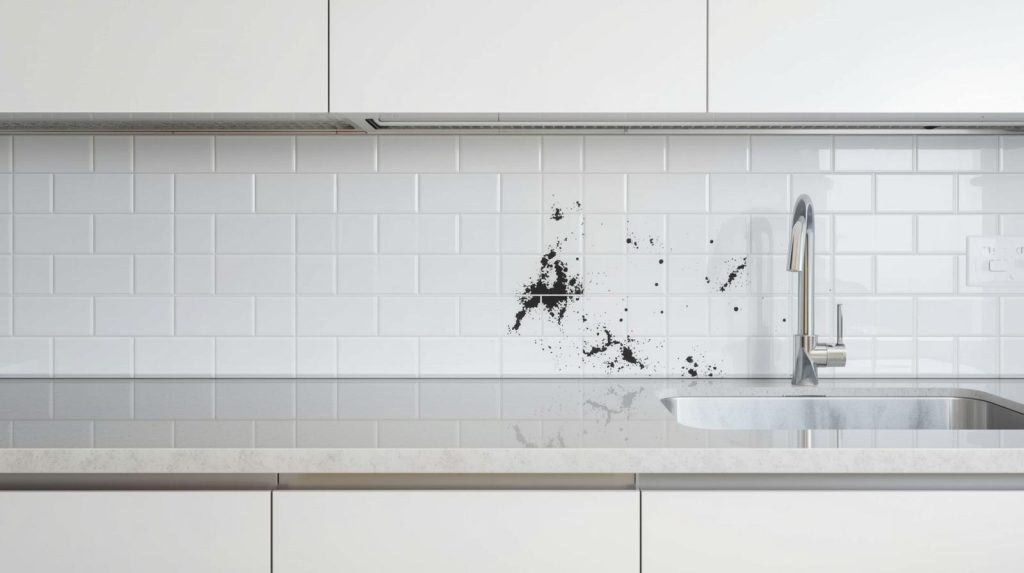
Black mould in your kitchen is more than just an eyesore—it can affect your health and damage your home. If you’ve noticed stubborn black spots around your sink, walls, or fridge, you’re not alone.
This guide on How to Get Rid of Black Mould in Kitchen shows you simple, effective steps to remove black mould quickly and prevent it from returning. With these methods, you can make your kitchen safe, clean, and fresh again without hiring expensive help.
Let’s dive in.
Causes Of Black Mould In Kitchen
Black mould grows in kitchens due to damp and dirty conditions. It can harm your health and damage surfaces.
Knowing what causes black mould helps you stop it early. Here are the main reasons it appears in kitchens.
Common Moisture Sources
Moisture is the main cause of black mould in kitchens. Water leaks and spills create damp spots for mould to grow.
- Leaky pipes under sinks
- Condensation on windows and walls
- Standing water in sinks or buckets
- Wet dishcloths left on counters
- Steam from cooking without venting
Poor Ventilation Effects
Bad airflow lets moisture stay in the kitchen. This creates a humid place for mould to form and spread.
| Ventilation Problem | Effect on Kitchen |
| No exhaust fan | Traps steam and humidity |
| Blocked vents | Stops air from flowing |
| Closed windows | Reduces fresh air inside |
| Old ventilation system | Fails to remove moisture |
Food Residue And Spills
Food left on surfaces feeds mould spores. Spills that are not cleaned add to moisture problems.
Common food residues that cause mould:
- Sticky syrup or juice drops
- Crumbs and grease on counters
- Leftover liquids in containers
- Rotting fruit or vegetables

Credit: www.devonlive.com
Health Risks Of Black Mould
Black mould in the kitchen is more than an eyesore. It can affect your health in many ways. Understanding these risks helps you stay safe.
Exposure to black mould spores can cause different symptoms. Some people may feel mild effects, while others may have serious problems.
Allergic Reactions
Black mould can trigger allergies in sensitive people. These reactions happen when the immune system reacts to mould spores.
- Sneezing and runny nose
- Itchy eyes and skin
- Watery eyes
- Skin rash
- Swelling in some cases
Respiratory Issues
Breathing in black mould spores can harm the lungs. People with asthma or weak lungs face higher risks.
| Symptom | Description |
| Coughing | Frequent cough that may worsen over time |
| Wheezing | Whistling sound when breathing |
| Shortness of Breath | Difficulty breathing or feeling out of breath |
| Chest Tightness | Feeling of pressure or discomfort in the chest |
Long-term Exposure Concerns
Long exposure to black mould may cause serious health issues. These problems can develop slowly and last a long time.
- Chronic lung infections
- Memory loss and confusion
- Fatigue and weakness
- Immune system damage
Preparing For Mould Removal
Removing black mould in your kitchen needs careful preparation. You must protect yourself and your home before cleaning.
Getting ready will make the process safer and more effective. Follow these steps to prepare for mould removal.
Safety Gear Essentials
Wear protective gear to avoid breathing mould spores or touching them. This gear keeps you safe during cleaning.
- Use an N95 mask or respirator for breathing protection
- Wear rubber gloves to protect your hands
- Put on goggles to shield your eyes
- Wear long sleeves and pants to cover your skin
- Use shoe covers or old shoes to avoid spreading spores
Clearing The Area
Clear the kitchen area where mould is present. This stops spores from spreading to other parts of your home.
Remove all items from cabinets, shelves, and counters near the mould. Open windows to improve air flow.
| Action | Reason |
| Remove kitchen items | Prevent contamination |
| Open windows | Increase ventilation |
| Cover nearby furniture | Protect from spores |
| Turn off HVAC system | Stop spores spreading through vents |
Gathering Cleaning Supplies
Collect all cleaning supplies before you start. Having everything ready saves time and keeps the process smooth.
Essential supplies include:
- Detergent or mould cleaner
- White vinegar or baking soda
- Spray bottle
- Scrub brush or sponge
- Disposable cloths or paper towels
- Bucket of warm water
- Trash bag for waste
Effective Cleaning Methods
Black mould in the kitchen is a common problem. It can grow in damp areas and cause health issues. Cleaning it properly is important to keep your kitchen safe.
There are several ways to remove black mould. This guide covers vinegar and baking soda, bleach solutions, and commercial mould removers.
Using Vinegar And Baking Soda
Vinegar and baking soda are natural cleaners that kill mould. Vinegar works by breaking down mould spores. Baking soda helps scrub the surface and absorb moisture.
- Spray white vinegar directly on the mouldy area and let it sit for one hour.
- Mix baking soda with water to create a paste.
- Apply the paste on the mould and scrub with a brush.
- Rinse the area with warm water and dry it completely.
- Repeat the process if mould remains.
Bleach Solutions For Tough Mould
Bleach is strong and can remove stubborn mould. Use it carefully to avoid damage or health risks. Always wear gloves and ventilate the room well.
- Mix one cup of bleach with one gallon of water in a bucket.
- Apply the solution to the mouldy surface using a sponge or spray bottle.
- Let it sit for 10 to 15 minutes to kill the mould.
- Scrub the area with a stiff brush to remove all mould residues.
- Rinse thoroughly with clean water and dry the surface fully.
Commercial Mould Removers
Commercial mould removers come in many types. Some are sprays, others gels. They often contain chemicals that kill mould quickly and prevent return.
| Product Type | Use | Precautions |
|---|---|---|
| Spray | Easy to apply on walls and cabinets | Use gloves and ventilate well |
| Gel | Good for vertical surfaces, sticks well | Avoid contact with skin and eyes |
| Foam | Expands to cover large areas | Wear mask to avoid inhaling fumes |
Preventing Mould Recurrence
Black mould in kitchens can return if the right steps are not taken. Preventing mould helps keep your home safe and clean.
Focus on good habits and changes in your kitchen to stop mould from growing again.
Improving Kitchen Ventilation
Good airflow reduces moisture, which mould needs to grow. Open windows or use exhaust fans when cooking.
- Install a range hood that vents outside
- Keep windows open during and after cooking
- Use fans to circulate air
- Fix any leaks around windows or pipes
Regular Cleaning Habits
Cleaning removes mould spores and prevents their growth. Pay attention to damp areas and corners.
| Cleaning Task | Frequency |
| Wipe kitchen walls and tiles | Weekly |
| Clean sink and faucet areas | Twice a week |
| Check and clean under appliances | Monthly |
| Wash dishcloths and sponges | Every 2-3 days |
Controlling Humidity Levels
Keep kitchen humidity below 60% to stop mould. Use tools and habits that lower moisture in the air.
Try these to control humidity:
- Use a dehumidifier in the kitchen
- Dry wet areas immediately
- Avoid drying clothes inside the kitchen
- Check for leaks and fix them fast
- Keep containers covered to prevent condensation
Credit: www.walmart.com
When To Call Professionals
Black mould in the kitchen can be harmful. Some cases need expert help. Knowing when to call professionals keeps you safe and your home clean.
This guide explains signs of serious mould problems and health risks. It helps you decide if you need a specialist.
Signs Of Severe Infestation
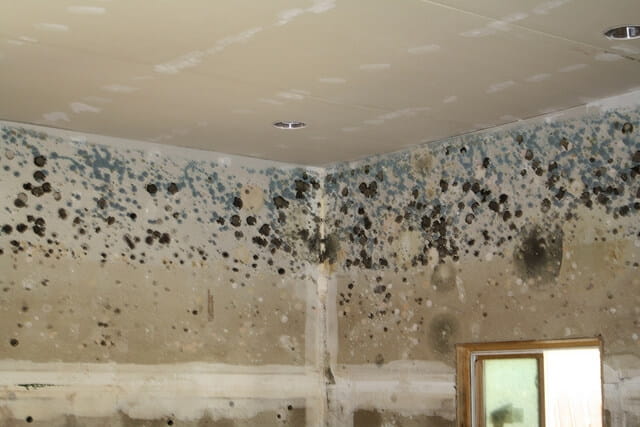
Severe mould growth looks different from small patches. It spreads fast and covers large areas. Here are key signs:
- Mould covers more than 10 square feet
- Black or dark green spots appear on walls, ceilings, or cabinets
- Musty or strong damp smell that won’t go away
- Visible damage to surfaces like peeling paint or warped wood
- Recurrent mould returns despite cleaning efforts
Health Safety Considerations
Black mould can affect your health. Some people get sick faster or more seriously. Here is a table of health risks and when to seek help:
| Health Risk | Symptoms | When to Call Professionals |
|---|---|---|
| Allergic Reactions | Sneezing, runny nose, itchy eyes | If symptoms worsen or persist |
| Asthma Attacks | Shortness of breath, wheezing | Immediately if breathing is hard |
| Respiratory Infections | Cough, chest tightness, fever | If infections repeat or don’t clear |
| Immune System Issues | Fatigue, headaches, dizziness | When symptoms affect daily life |
Credit: www.permagard.co.uk
Frequently Asked Questions
What Causes Black Mould In The Kitchen?
Black mould in kitchens thrives on moisture, warmth, and organic materials. Leaks, poor ventilation, and food spills promote its growth. It often appears near sinks, refrigerators, and damp corners.
How Can I Safely Remove Black Mould From Kitchen Surfaces?
Use gloves, a mask, and ventilation for safety. Clean with a mixture of water and detergent or vinegar. Avoid bleach on porous surfaces, and dry thoroughly after cleaning.
What Are The Health Risks Of Black Mould Exposure?
Black mould can cause allergic reactions, respiratory issues, and headaches. People with asthma or weakened immune systems are more vulnerable to its effects.
How To Prevent Black Mould Growth In The Kitchen?
Keep the kitchen dry and ventilated. Fix leaks promptly and clean spills immediately. Use a dehumidifier if needed and regularly inspect hidden areas for mould.
Conclusion
Eliminating black mould in the kitchen is crucial for health. Start with identifying affected areas. Use vinegar or baking soda for small spots. Large infestations need professional help. Regular cleaning prevents mould from returning. Keep the kitchen dry and well-ventilated.
Check for leaks and fix them promptly. Simple steps ensure a mould-free kitchen. A clean kitchen means a healthier home. Stay proactive and enjoy a fresh, safe environment.



