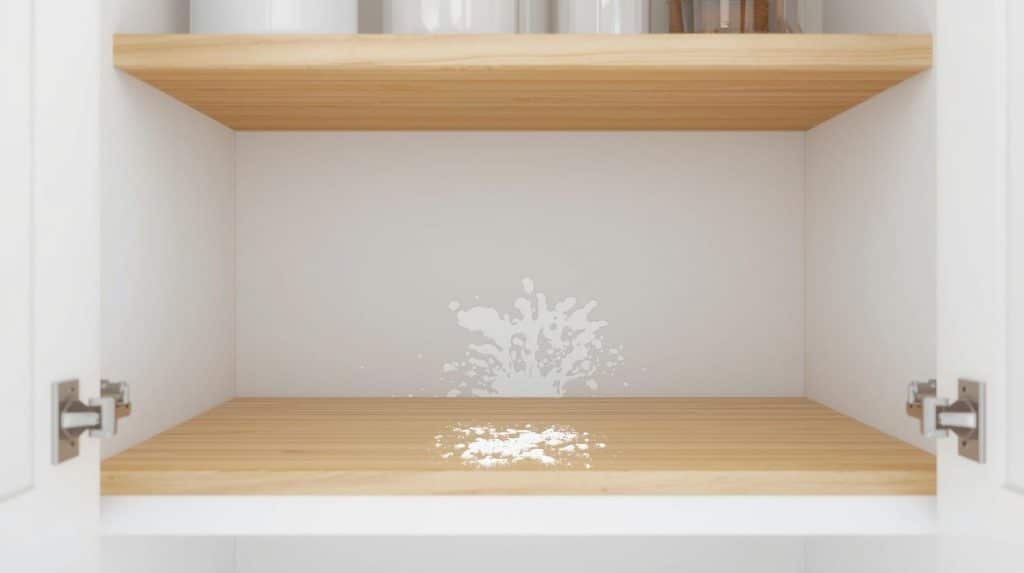
Is your kitchen cupboard hiding a musty secret? Mould can be a sneaky, unwelcome guest in your home, especially in damp, dark places like cupboards.
It not only looks unsightly but can also pose health risks and damage your belongings. Learning How to Stop Mould in Kitchen Cupboards can help you tackle this persistent problem effectively. Imagine opening your cupboard to find fresh, clean shelves instead of a mouldy mess. With the right strategies, you can make this a reality.
You’ll discover simple, actionable steps to banish mould for good and keep your kitchen cupboards fresh and safe. Ready to reclaim your kitchen space? Let’s dive in!
Credit: www.bustmold.com
Causes Of Mould In Cupboards
Mould grows in kitchen cupboards when conditions are right. Understanding the causes helps prevent it. Moisture and poor airflow often lead to mould problems.
This guide explains the common causes of mould in cupboards. Learn what creates the perfect environment for mould growth.
Humidity And Moisture Sources
Humidity and moisture are the main reasons mould grows in cupboards. Moisture can come from many places in your kitchen.
- Steam from cooking and boiling water
- Wet dishes or utensils stored inside cupboards
- Spills that are not cleaned promptly
- Condensation on cupboard surfaces
Poor Ventilation
Without good airflow, moisture stays trapped inside cupboards. This creates a damp space where mould thrives.
| Ventilation Issue | Impact on Cupboards |
|---|---|
| Closed kitchen windows | Reduces fresh air flow, increases humidity |
| Blocked vents or fans | Prevents moisture escape |
| Overcrowded cupboards | Limits air circulation inside cupboards |
Leaking Pipes And Appliances
Leaks from pipes or appliances near cupboards add extra moisture. This wetness encourages mould to grow quickly.
- Dripping sink pipes under cupboards
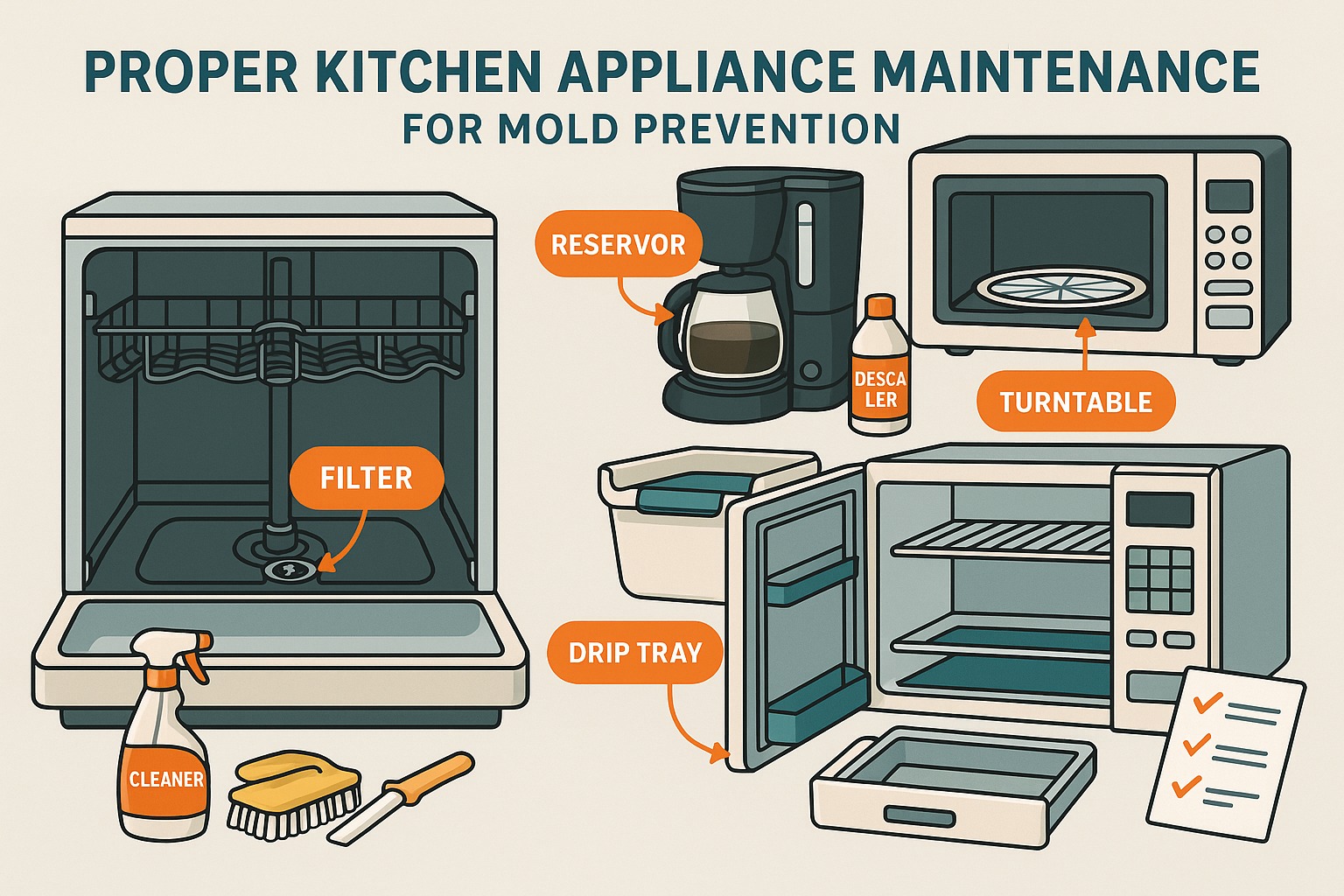
- Leaks from dishwashers or refrigerators
- Water spills from washing machines close to cupboards

Credit: www.allianz.com.au
Preventing Mould Growth
Mould grows in damp and dark places. Kitchen cupboards are common spots. Keeping them clean and dry helps stop mould from forming.
This guide shares easy ways to prevent mould in your kitchen cupboards. Follow these simple tips to protect your home.
Keep Cupboards Dry
Moisture causes mould to grow quickly. Keep your cupboards dry by wiping spills fast. Avoid storing wet items inside them.
- Check for leaks under the sink regularly.
- Dry dishes completely before putting them away.
- Use a cloth to clean damp shelves often.
- Leave cupboard doors open after cleaning to air them out.
Improve Air Circulation
Good airflow lowers humidity and stops mould. Avoid overcrowding cupboards so air can move freely. Use vents or fans if possible.
| Air Circulation Tip | How It Helps |
| Leave gaps between items | Allows air to flow around objects |
| Install small vents | Reduces moisture buildup inside cupboards |
| Use a fan nearby | Speeds up drying of damp areas |
| Keep cupboard doors slightly open | Prevents stale, moist air from settling |
Use Moisture Absorbers
Moisture absorbers help remove dampness from the air. Place them inside cupboards to keep humidity low and mould away.
Common moisture absorbers include:
- Silica gel packets
- Baking soda in open containers
- Charcoal bags
- Commercial moisture absorbers
Replace or recharge these absorbers regularly to keep them effective.
Cleaning Mould Safely
Mould in kitchen cupboards can cause health problems. Cleaning it safely is important.
This guide helps you choose the right products and protect yourself during cleaning.
Choose The Right Cleaning Products
Use cleaning products that kill mould and are safe for cupboards. Avoid harsh chemicals that can damage surfaces.
- White vinegar: natural and effective against mould
- Baking soda: gentle and helps remove odours
- Hydrogen peroxide: kills mould spores
- Commercial mould cleaners: follow label instructions carefully
Protect Yourself During Cleaning
Wear protective gear to avoid mould exposure and irritation.
| Protective Gear | Purpose |
| Gloves | Protect skin from mould and chemicals |
| Mask | Prevent breathing in mould spores |
| Goggles | Shield eyes from splashes |
| Old clothes | Avoid contaminating regular clothes |
Step-by-step Cleaning Process
Follow these steps to clean mould safely and thoroughly.
- Remove all items from the cupboard.
- Wear your protective gear.
- Mix your chosen cleaning product with water if needed.
- Use a sponge or cloth to scrub mouldy areas.
- Rinse with clean water and dry the surfaces well.
- Dispose of cleaning materials safely.
- Keep cupboards dry to prevent mould return.
Maintenance Tips To Avoid Mould
Mould in kitchen cupboards can cause bad smells and damage your cabinets. It grows in damp, dark places. Keeping mould away needs regular care and attention.
Follow simple maintenance tips to stop mould before it starts. These tips help keep your kitchen cupboards dry and clean.
Regular Inspections
Check your kitchen cupboards often for signs of mould or dampness. Look inside and under shelves where mould can hide. Early detection stops mould from spreading.
Inspect areas near sinks, pipes, and windows. These spots get wet easily and need close attention.
- Look for discoloration or black spots
- Smell for musty odors
- Touch surfaces to find dampness
- Check cupboard backs and corners
Fix Leaks Promptly
Leaks cause moisture buildup that feeds mould growth. Fix drips and leaks under sinks and pipes quickly. Small leaks can cause big problems over time.
Regularly check plumbing and seals. Replace worn-out parts to keep water from escaping.
- Repair dripping taps and pipes
- Seal gaps around sinks and counters
- Check water supply lines for cracks
- Use waterproof sealants where needed
Control Kitchen Humidity
High humidity helps mould grow fast. Keep your kitchen well ventilated to lower humidity. Use exhaust fans or open windows when cooking or washing dishes.
Use a dehumidifier if your kitchen stays damp. Keep cupboard doors open sometimes to air them out.
- Turn on exhaust fans during cooking
- Open windows for fresh air
- Use a dehumidifier if needed
- Keep cupboard doors open occasionally
When To Call A Professional
Mould in kitchen cupboards can cause health problems and damage your home. Small patches you can clean yourself. Big problems need expert help.
Knowing when to call a professional keeps your home safe. Experts handle tough mould safely and stop it from coming back.
Signs Of Severe Mould Infestation
Severe mould grows fast and spreads in hidden places. You may see black, green, or white patches inside cupboards.
Look for these signs that mean mould is out of control:
- Strong musty smell that won’t go away
- Visible mould covering large areas
- Peeling paint or warped cupboard surfaces
- Water damage or leaks near cupboards
- Health issues like coughing or allergies
Professional Remediation Services
Professionals use special tools and cleaners to remove mould safely. They find hidden mould behind walls or under cupboards.
Experts also fix the cause, like leaks or poor ventilation. They help prevent mould from returning.
- Inspect mould and test its type
- Remove mould using safe techniques
- Repair water damage or leaks
- Improve airflow and reduce moisture
- Give advice on preventing future mould

Credit: www.bustmold.com
Frequently Asked Questions
How Can I Prevent Mould In Kitchen Cupboards?
Keep cupboards dry and well-ventilated. Wipe spills immediately. Use moisture absorbers and avoid storing wet items inside cupboards.
What Causes Mould Growth In Kitchen Cupboards?
Mould thrives in damp, warm, and poorly ventilated spaces. Leaks, condensation, and food residues increase moisture, promoting mould growth inside cupboards.
How Do I Clean Mould Safely From Cupboards?
Wear gloves and a mask. Use a mixture of vinegar or baking soda with water to scrub mould. Dry thoroughly after cleaning.
Can Kitchen Cupboard Mould Affect Health?
Yes, mould spores can trigger allergies, asthma, and respiratory issues. Removing mould promptly helps reduce health risks.
Conclusion
Stopping mould in kitchen cupboards needs regular care and attention. Keep cupboards dry and clean to prevent mould growth. Use good ventilation to reduce moisture inside your kitchen. Check for leaks and fix them quickly to avoid dampness. Wipe spills immediately and avoid storing wet items.
These small steps help protect your kitchen from mould damage. A clean, dry cupboard means a healthier home for you and your family. Stay consistent with these habits to keep mould away for good. Simple actions make a big difference in mould prevention.