
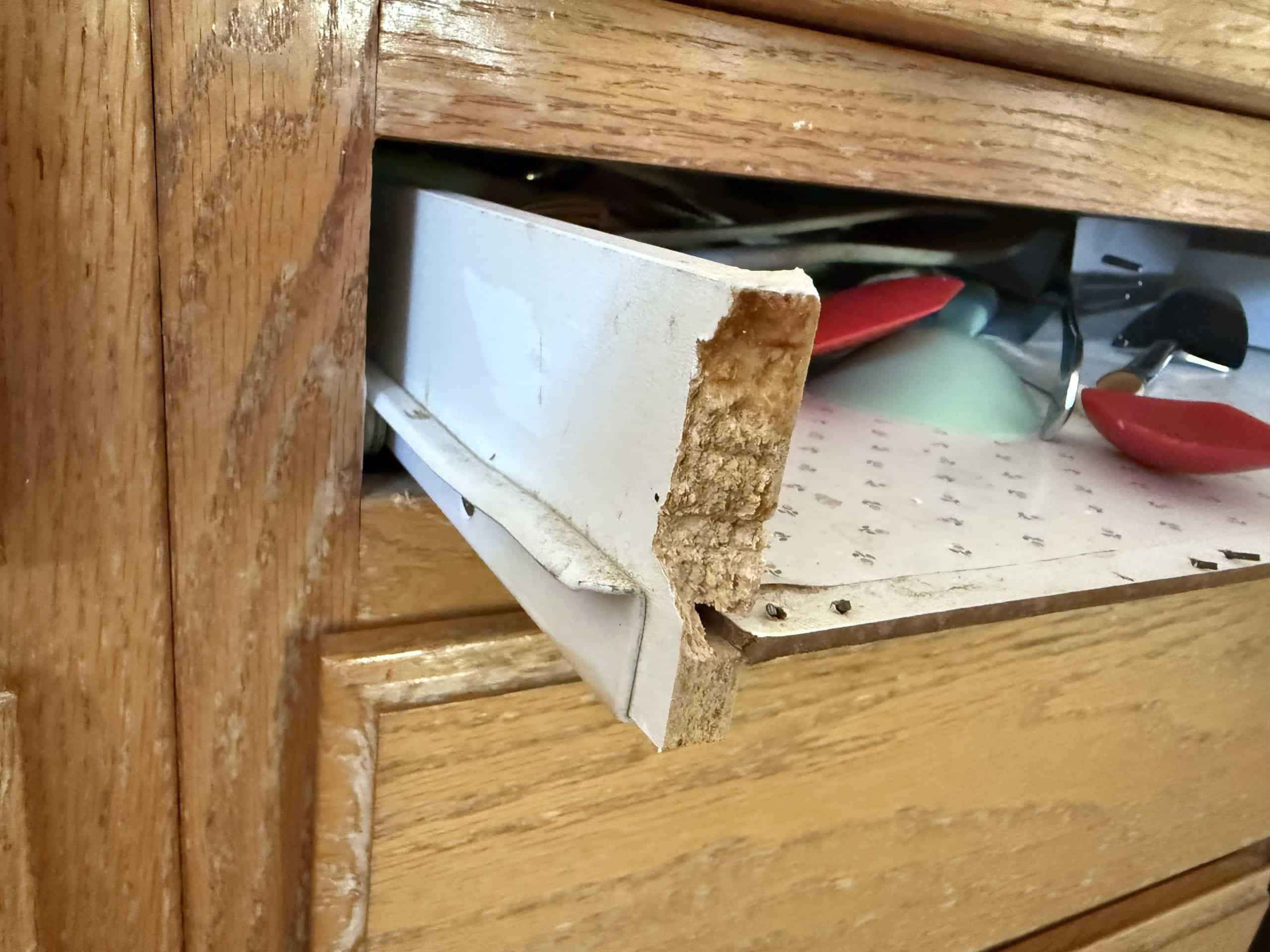
Is your kitchen drawer stuck again? We’ve all been there.
You’re in the middle of cooking, you go to grab a spoon, and the drawer jams, refusing to budge. Annoying, isn’t it? But don’t worry—fixing it might be easier than you think. Imagine the satisfaction of a drawer that slides smoothly every time you need it.
By the end of this article, you’ll know exactly how to tackle those stubborn drawers, and you won’t need to call in a professional. We’ll walk you through simple, effective steps that anyone can do. Ready to reclaim your kitchen space and make your life a little easier? Let’s dive in and get that drawer working perfectly again.
Credit: www.youtube.com
Identify Common Drawer Issues
Kitchen drawers often face problems that make them hard to use. Knowing these issues helps fix them quickly.
Below are the most common drawer problems and how to spot them in your kitchen.
Sticking Drawers
Sticking drawers do not open or close smoothly. Dust, dirt, or humidity can cause this. Wood can swell and make the drawer tight in its slot.
Check for these signs:
- Drawer feels tight or hard to pull out
- Drawer gets stuck halfway
- Scraping sounds when moving the drawer
Broken Drawer Slides
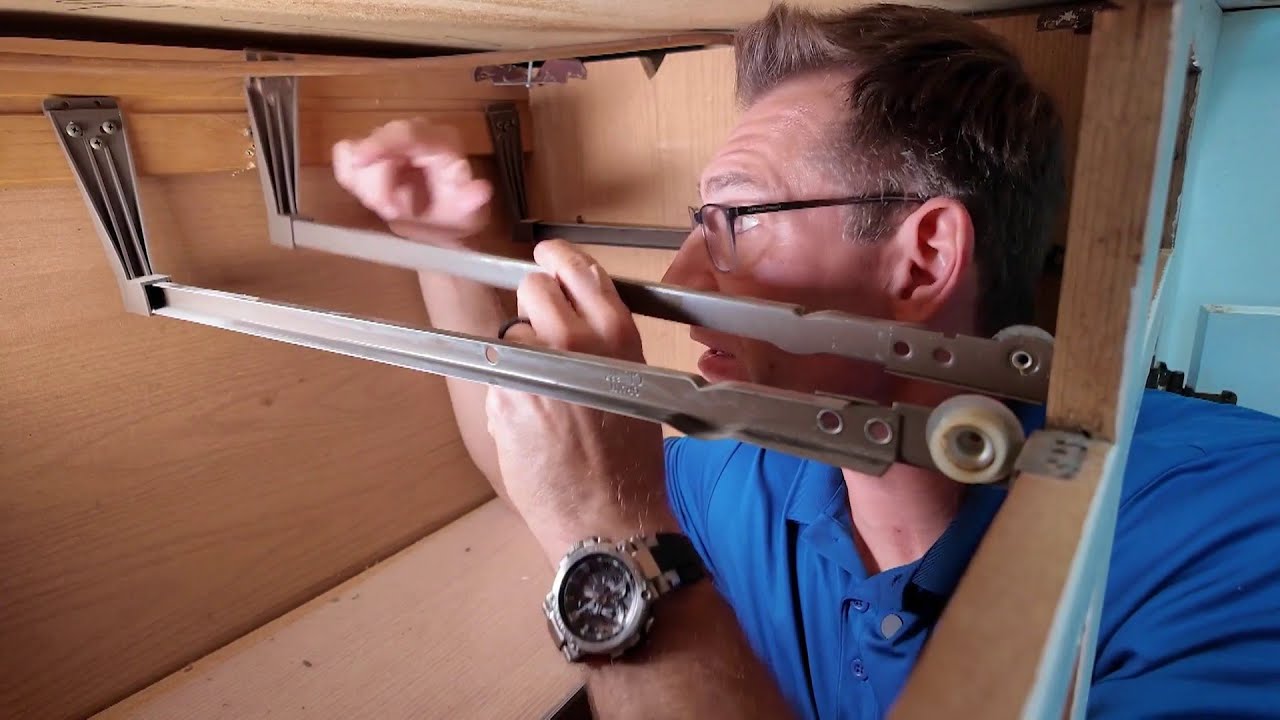
Drawer slides help the drawer move smoothly. Broken slides make the drawer wobbly or stuck. They may be bent, cracked, or missing parts.
| Problem | Cause | Effect |
| Bent slide | Heavy load | Drawer jams or sticks |
| Loose screws | Wear and tear | Drawer wobbles or falls off |
| Broken rollers | Old slides | Drawer does not open fully |
Loose Handles And Knobs
Handles and knobs can become loose from daily use. Loose handles make it hard to open the drawer and may fall off.
To check loose handles:
- Try to wiggle the handle or knob
- Look for missing screws
- Notice if the handle feels shaky or uneven
Misaligned Drawers
Misaligned drawers do not sit evenly in the cabinet. They may look crooked or leave gaps. This can happen from loose slides or damage to the drawer frame.
- Drawer front does not line up with cabinet edges
- Drawer tilts or leans when opened
- Gaps appear between drawer and cabinet

Credit: www.reddit.com
Gather Essential Tools
Fixing a kitchen drawer is easier with the right tools. Prepare everything before you start. This saves time and avoids frustration.
Knowing which tools to use helps you fix the drawer quickly. Each tool has a specific purpose to make the repair smooth.
Screwdrivers And Screws
You will need screwdrivers to remove and tighten screws on the drawer. Different sizes and types of screwdrivers fit different screws.
- Flathead screwdriver for simple slot screws
- Phillips screwdriver for cross-shaped screws
- Set of replacement screws to match old ones
Lubricants And Cleaners
Lubricants help the drawer slide smoothly. Cleaners remove dirt and grime that block movement. Use these to improve drawer function.
- Silicone spray or WD-40 for lubrication
- All-purpose cleaner for dirt and dust
- Soft cloths to wipe surfaces clean
Replacement Parts
Sometimes drawer parts break or wear out. Replacement parts restore the drawer to good condition. Check the drawer type to find matching parts.
| Part | Purpose | Common Materials |
| Drawer slides | Help drawer open and close | Metal, plastic |
| Handles or knobs | Allow easy drawer grip | Metal, wood, plastic |
| Screws | Hold parts together | Steel, brass |
Measuring Tape And Level
Measuring tape and level ensure the drawer fits well and is even. Accurate measurement avoids mistakes when fixing or replacing parts.
- Measuring tape to check drawer size
- Level to ensure drawer is straight
- Marking pencil to note measurements
Fix Sticking Drawers
Kitchen drawers can stick and make it hard to open or close them. Fixing sticking drawers improves how your kitchen works.
Simple fixes like cleaning, sanding, and lubricating can help your drawers slide smoothly again.
Clean Drawer Tracks
Dirt and crumbs collect in drawer tracks and cause sticking. Clean the tracks to remove debris.
Use a vacuum or a brush to clear out dust and dirt. Wipe the tracks with a damp cloth to remove sticky residue.
- Remove the drawer from the cabinet
- Vacuum the tracks to remove loose dirt
- Use a damp cloth to wipe inside the tracks
- Dry the tracks before putting the drawer back
Sand Rough Edges
Rough or damaged edges on the drawer or cabinet can cause sticking. Sand these edges smooth to fix the problem.
Use fine-grit sandpaper and gently sand any rough spots. Check for splinters or bumps and remove them.
- Remove the drawer from the cabinet
- Find rough or damaged edges on the drawer sides and tracks
- Use fine-grit sandpaper to smooth these areas
- Clean the dust before reassembling the drawer
Apply Lubricant
Lubricant helps the drawer slide smoothly and stops sticking. Use a dry lubricant for kitchen drawers.
Apply the lubricant to the tracks and drawer edges. Open and close the drawer several times to spread it evenly.
- Choose a dry lubricant like graphite powder or silicone spray
- Apply a small amount to drawer tracks and edges
- Move the drawer back and forth to spread the lubricant
- Wipe away any excess to avoid dirt buildup
Repair Or Replace Drawer Slides
Kitchen drawers can stop sliding smoothly if the slides wear out or break. Fixing or replacing the drawer slides can make your drawers work like new again. This guide will help you repair or replace drawer slides step by step.
We focus on three main steps: removing damaged slides, installing new slides, and testing the drawer movement. Follow these instructions carefully to get the best results.
Remove Damaged Slides
First, pull the drawer out completely and remove it from the cabinet. Look for screws or clips holding the drawer slides. Use a screwdriver to remove all screws and take off the old slides from both the drawer and cabinet sides. Keep the screws if they are still in good condition.
Install New Slides
Match the new slides with the old ones to ensure they fit correctly. Attach the new slides to the drawer and cabinet using screws. Make sure the slides are straight and aligned to avoid problems later. Tighten all screws firmly but do not over-tighten.
- Place the slide on the drawer edge and line up screw holes.
- Screw the slide into place securely.
- Attach the matching slide inside the cabinet.
- Check that both slides are level and aligned.
- Repeat for the other side of the drawer.
Test Drawer Movement
After installing the slides, carefully slide the drawer back into place. Open and close the drawer several times to check for smooth movement. If the drawer sticks or is loose, adjust the screws or reposition the slides slightly. The drawer should move quietly and easily.
| Problem | Possible Cause | Fix |
| Drawer sticks | Slides misaligned | Loosen screws and realign |
| Drawer too loose | Slides not tight | Tighten all screws |
| Drawer falls out | Incorrect slide type | Use correct slides |
Tighten Or Replace Handles
Kitchen drawer handles can become loose or damaged over time. Fixing them helps your drawers work smoothly.
Learn how to check handle screws and replace missing parts for a better kitchen experience.
Check Screw Tightness
Loose screws cause handles to wobble or fall off. Regularly check and tighten them to keep handles secure.
- Use a screwdriver to turn screws clockwise.
- If screws spin without tightening, remove and inspect them.
- Replace stripped screws with new ones of the same size.
- Tighten all screws evenly to avoid damaging the handle.
Replace Missing Hardware
Missing screws or handles make drawers hard to open. Replace parts to restore function and look.
| Hardware Type | What to Do | Tip |
| Screws | Buy matching screws at hardware stores. | Bring an old screw for size matching. |
| Handles | Choose handles that fit your drawer style. | Measure hole spacing before buying. |
| Washers | Use washers if screws loosen often. | Washers help distribute pressure evenly. |
Realign Misaligned Drawers
Kitchen drawers can become misaligned after regular use. This causes them to stick or not close properly.
Fixing misaligned drawers improves their function and keeps your kitchen neat.
Adjust Drawer Position
Start by checking if the drawer is sitting evenly on its tracks. Remove the drawer to inspect the slides.
Loosen screws slightly and move the drawer slides up or down to realign them. Tighten screws once aligned.
- Remove the drawer from the cabinet
- Check the metal or plastic tracks for damage
- Loosen the screws holding the tracks
- Move the tracks to adjust the drawer position
- Test the drawer for smooth movement
- Tighten screws firmly when aligned
Secure Drawer Front
Misaligned drawers often have loose fronts. Tighten or reposition the front panel if it looks crooked.
Remove the front panel if needed. Align it evenly before fixing screws back in place.
- Open the drawer fully
- Check screws attaching the front panel
- Loosen screws if the front is uneven
- Align the front so edges match the cabinet
- Tighten screws securely
- Test drawer alignment after securing
Prevent Future Drawer Problems
Kitchen drawers often face wear and tear from daily use. Taking simple steps can help avoid damage and keep them working well.
Preventing problems early saves time and money on repairs later.
Regular Cleaning
Keep your kitchen drawers clean to avoid dirt buildup. Dust and crumbs can cause the drawer tracks to jam or wear out.
- Remove all items before cleaning
- Use a soft cloth and mild soap
- Clean the drawer tracks with a brush
- Dry completely before replacing items
Avoid Overloading Drawers
Do not put too many heavy items in drawers. Overloading can cause the slides to bend or break, making the drawer hard to open.
| Load Amount | Effect on Drawer |
| Light (up to 10 lbs) | Drawer slides smoothly |
| Moderate (10-20 lbs) | Normal wear over time |
| Heavy (over 20 lbs) | Risk of damage and sagging |
Routine Maintenance Tips
Check your drawers regularly to spot any problems early. Small fixes can prevent bigger issues.
- Lubricate drawer slides with silicone spray every 6 months
- Tighten loose screws and handles
- Replace worn out or broken parts quickly
- Keep drawer tracks free of debris

Credit: www.reddit.com
Frequently Asked Questions
How Do I Fix A Stuck Kitchen Drawer?
To fix a stuck kitchen drawer, first remove it carefully. Clean the tracks and apply lubricant. Check for any damaged parts and replace them if needed. Reinstall the drawer smoothly to ensure it slides properly.
What Tools Are Needed To Repair A Kitchen Drawer?
Common tools include a screwdriver, hammer, lubricant, sandpaper, and replacement hardware. These help tighten screws, smooth rough edges, and fix misaligned parts for a smoothly operating drawer.
How Can I Realign A Misaligned Kitchen Drawer?
Remove the drawer and check the runners. Tighten loose screws or adjust the slides. Sand down any warped edges and reinstall the drawer to ensure it moves evenly and smoothly.
Why Is My Kitchen Drawer Not Closing Properly?
A drawer may not close due to misaligned tracks, broken slides, or debris inside. Inspect and clean the tracks, tighten hardware, or replace damaged parts to restore proper closing function.
Conclusion
Fixing a kitchen drawer can save time and money. Small problems like stuck drawers or loose handles are easy to solve. Using simple tools and steps makes the process smooth. You can enjoy a neat and functional kitchen again. Regular care helps keep drawers working well longer.
Try these tips today and improve your kitchen space. It feels good to fix things yourself. Your kitchen will look better and work better too.


