

Imagine stepping into a kitchen that's designed perfectly to meet your every need. A place where cooking feels effortless, and every inch is optimized for your lifestyle.
Achieving this dream kitchen starts with a well-thought-out plan, and the good news is, you can draw it out yourself. It may seem daunting at first, but with the right guidance, you'll find it's easier than you think. By the end of this article, you'll have the tools and confidence to sketch out a kitchen plan that reflects your personal style and functionality.
Ready to transform your cooking space into your dream kitchen? Let’s dive in and see just how simple it can be.
Planning Your Kitchen Layout
Designing a kitchen starts with a good plan. You must think about how the space will be used daily.
Planning helps make sure your kitchen is both useful and comfortable for cooking and other activities.
Assessing Your Space
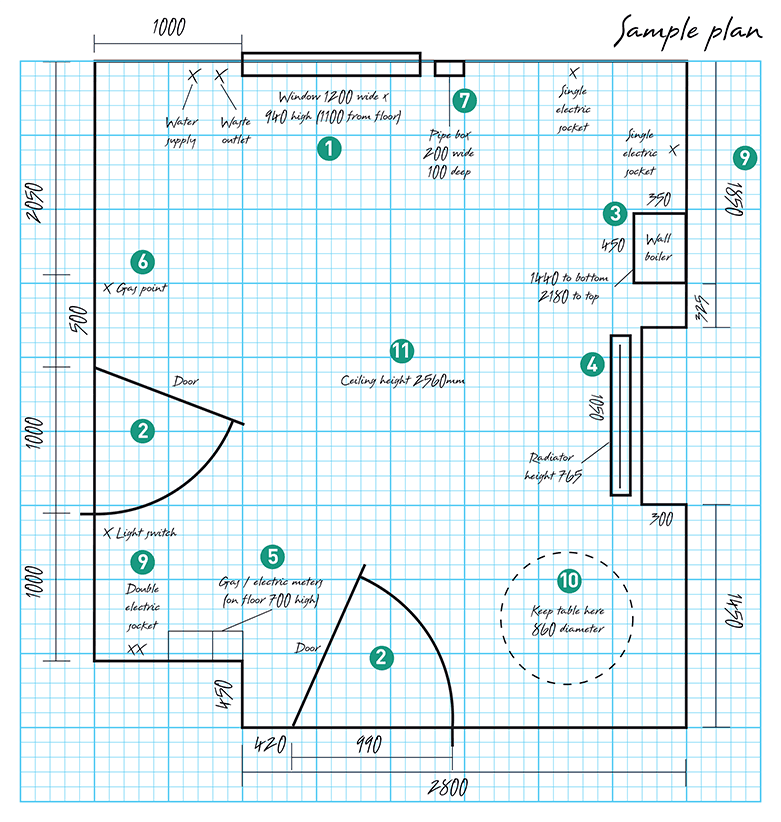
Look at the size and shape of your kitchen area. Measure walls, windows, and doors. Check where plumbing and electrical points are located.
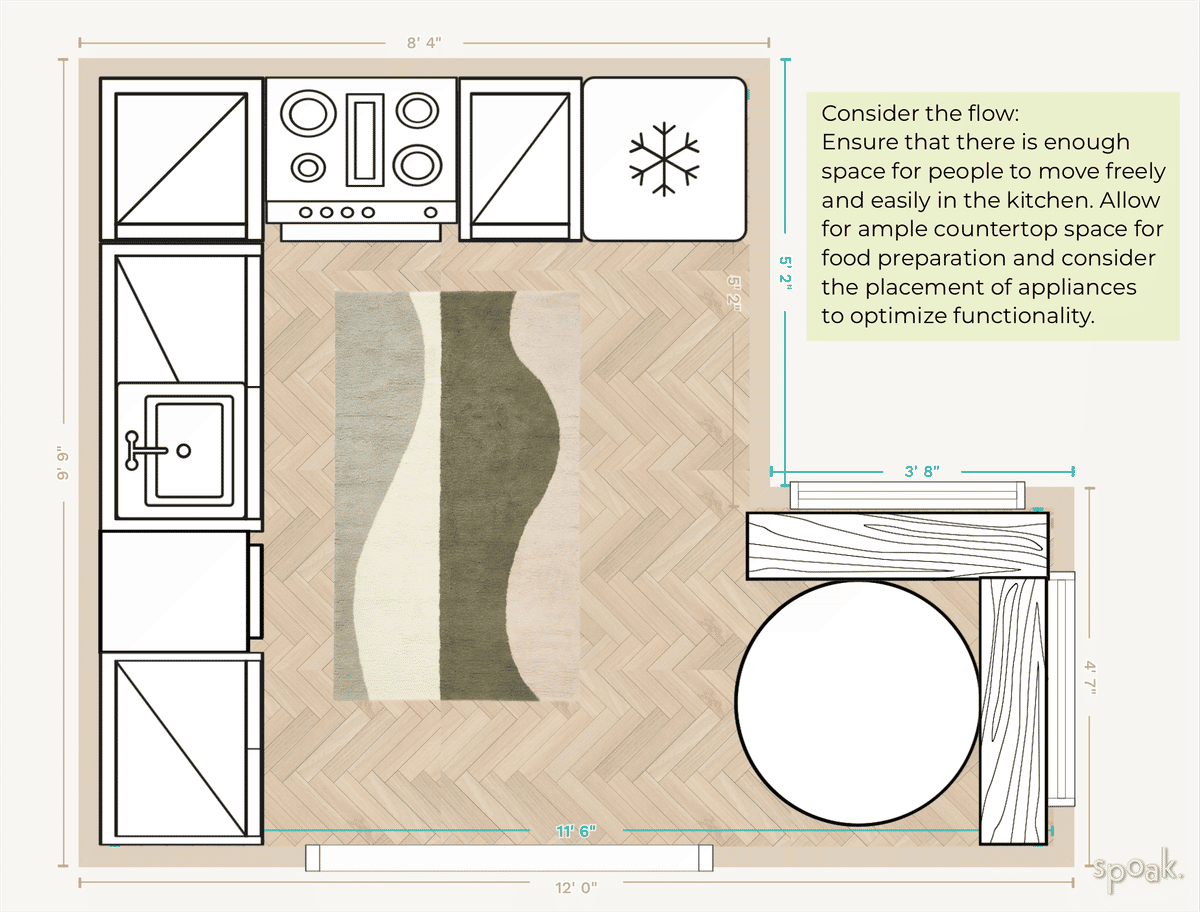
Think about how much space you have for cabinets, appliances, and walking paths. Keep enough room for easy movement.
Choosing A Kitchen Style
Pick a style that fits your taste and the rest of your home. Styles can be modern, traditional, rustic, or minimalist.
- Modern kitchens use clean lines and simple colors.
- Traditional kitchens have detailed woodwork and classic colors.
- Rustic kitchens show natural materials like wood and stone.
- Minimalist kitchens focus on function with little decoration.
Setting Priorities And Needs
Decide what is most important in your kitchen. Think about how many people cook and eat there.
| Priority | Consideration |
|---|---|
| Storage | Enough cabinets and pantry space for food and tools |
| Work Zones | Separate areas for cooking, cleaning, and prepping |
| Appliances | Choose sizes and types that fit your cooking style |
| Lighting | Good task lighting and natural light sources |
| Safety | Clear paths and proper placement of hot areas |
Credit: www.spoak.com
Gathering Tools And Materials
Drawing a kitchen plan needs the right tools and materials. This helps you create a clear and useful design.
Collecting everything before you start saves time and reduces mistakes.
Essential Drawing Tools
Use these basic tools for hand drawing your kitchen plan. They help keep your lines straight and measurements correct.
- Graph paper for easy scaling
- Pencils with different hardness for light and dark lines
- Ruler or straightedge for drawing straight lines
- Measuring tape for dimensions
- Eraser to fix mistakes
Using Software For Kitchen Design
Computer software can make kitchen plans faster and more precise. You can try many layouts without redrawing.
| Software | Features | Best For |
| SketchUp | 3D modeling, easy to use | Visualizing designs |
| RoomSketcher | Drag and drop, floor plans | Beginners |
| AutoCAD | Advanced tools, precise drafting | Professional use |
Measuring Accurately
Measure your kitchen space carefully to avoid errors in your plan. Check all walls, doors, and windows.
- Use a measuring tape that is at least 25 feet long
- Measure walls from corner to corner
- Note window and door sizes and positions
- Check the height of counters and appliances
- Record all numbers on paper or in your software
Sketching The Basic Floor Plan
Drawing a kitchen plan starts with sketching the basic floor plan. This helps you see the space and decide where to place key elements.
Use simple shapes to mark walls, doors, windows, and fixtures. This makes it easy to adjust the layout later.
Drawing Walls And Doors
Begin by drawing the outer walls of your kitchen. Use straight lines to show where each wall will be.
Add doors by sketching breaks in the walls. Show the door swings to avoid blocking cabinets or appliances.
- Use a ruler for straight, clean lines
- Mark door openings clearly
- Draw door swings with curved lines
Marking Windows And Fixtures
Next, add windows on the walls. Draw rectangles or squares where the windows will go.
Mark fixtures like sinks, stoves, and refrigerators. Use simple icons or shapes to represent each item.
- Place windows to allow natural light
- Position sink near plumbing lines
- Keep stove away from doors and windows
Planning Traffic Flow
Think about how people will move around the kitchen. Plan clear paths between key areas.
Avoid placing obstacles in walkways. Make sure there is enough space for opening cabinets and doors.
- Keep paths at least 36 inches wide
- Allow space between appliances and counters
- Plan a work triangle between sink, stove, and fridge
Credit: www.staxtradecentres.co.uk
Arranging Key Kitchen Zones
Drawing a kitchen plan helps organize your cooking space. Focus on placing important areas for easy use.
Good arrangement saves time and makes cooking more fun. Plan zones for work, storage, and appliances.
Designing The Work Triangle
The work triangle links the sink, stove, and refrigerator. It helps you move quickly between these spots.
Keep the triangle sides between 4 and 9 feet. Avoid obstacles in this area to keep it clear and easy.
- Sink for cleaning and prepping
- Stove for cooking
- Refrigerator for food storage
Positioning Appliances
Place appliances where they fit your cooking habits. Group related devices to save time and steps.
Keep heavy appliances near power and water sources. Leave enough space for doors and drawers to open.
- Oven and microwave close to the stove
- Dishwasher near the sink
- Refrigerator in a spot easy to reach
Allocating Storage Areas
Plan storage for utensils, pots, and food. Group items by use to make cooking smooth and fast.
Use cabinets, drawers, and shelves to keep everything neat. Keep daily-use items easy to reach.
- Store pots near the stove
- Keep dishes close to the dishwasher
- Use pantry space for dry goods
Adding Details And Features
Drawing a kitchen plan needs more than just the layout. Adding details and features helps make the space practical and nice.
Focus on the choice of materials, lighting, and utility points. These elements shape how your kitchen looks and works.
Selecting Countertops And Cabinets
Countertops and cabinets set the style and function in your kitchen. Pick materials that last and match your taste.
- Choose countertops that resist stains and scratches.
- Pick cabinet colors that fit your kitchen theme.
- Think about storage space inside cabinets.
- Match cabinet handles with other kitchen hardware.
Incorporating Lighting
Good lighting brightens your kitchen and helps with cooking tasks. Mix different types of lights for the best effect.
| Lighting Type | Purpose | Placement |
| Ambient | General light | Ceiling fixtures |
| Task | Focused light for work | Under cabinets, above counters |
| Accent | Highlight features | Inside cabinets, shelves |
Including Electrical And Plumbing Points
Plan where outlets and plumbing go. These details make your kitchen easier to use and safe.
Here is a simple checklist to guide you:
- Place electrical outlets near counters for small appliances.
- Include lighting switches at main entrances.
- Mark plumbing points for sinks and dishwashers.
- Consider water supply and drainage routes.
- Think about adding extra outlets for future needs.
Credit: www.therestauranthq.com
Reviewing And Refining Your Plan
After drawing your kitchen plan, it is important to review it carefully. This helps you find any mistakes or missing parts.
Refining your plan makes sure your kitchen will be practical and comfortable to use every day.
Checking Measurements And Scale
Check all measurements to confirm they match the real space. Make sure walls, doors, and windows are the right size.
Use a scale to keep everything in proportion. This helps you see how much space each item will take.
- Measure counters, cabinets, and appliances carefully
- Compare plan scale with actual room size
- Ensure walkways are wide enough for comfort
Making Adjustments For Functionality
Look at how the kitchen will work. Move items around to make cooking and cleaning easier.
Think about how you use your kitchen every day. Adjust the plan to fit your habits and needs.
- Place the sink, stove, and fridge close for easy reach
- Allow enough counter space for food prep
- Check that cabinets open without blocking paths
Seeking Feedback
Show your plan to family or friends. Ask what they think about the layout and design.
Listen to their ideas and concerns. They might notice things you missed.
- Ask if the space looks comfortable and safe
- Check if the plan fits your lifestyle
- Use feedback to improve your design
Finalizing And Presenting Your Design
After creating your kitchen plan, the final steps help you get ready to build. Presenting your design clearly makes it easier for everyone to understand your ideas.
Focus on making a clean draft, preparing for the next steps, and sharing your plan with the right people.
Creating A Clean Draft
Make sure your draft is neat and easy to read. Use clear lines and labels for all parts of the kitchen. Check measurements twice to avoid errors.
- Use a ruler or digital tools for straight lines
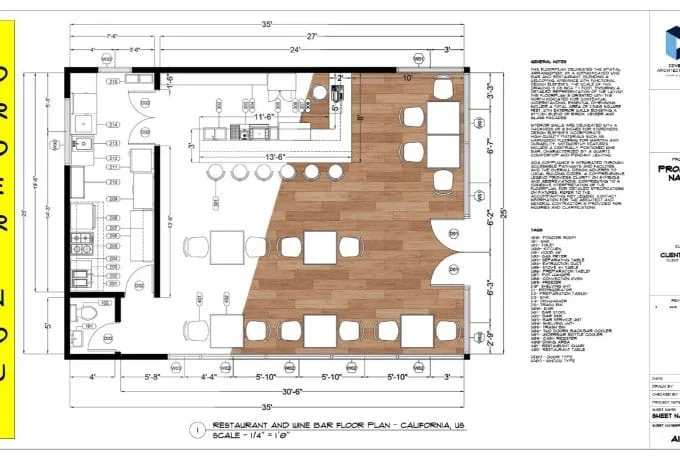
- Label cabinets, appliances, and work areas
- Mark door swings and window locations
- Double-check all dimensions
- Keep notes for special features or materials
Preparing For Implementation
Gather all documents and details needed to start the project. This includes permits, budgets, and timelines. Organize everything so the work goes smoothly.
| Document | Purpose | Notes |
| Kitchen Plan Draft | Guide builders and designers | Final checked version |
| Budget Sheet | Track costs | Include materials and labor |
| Permits | Legal approval | Check local requirements |
| Project Timeline | Schedule tasks | Set deadlines and milestones |
Sharing With Contractors And Designers
Present your plan clearly to contractors and designers. Use simple language and visuals. Make sure they understand your goals and needs.
- Use printed copies and digital files
- Explain key areas and special features
- Ask for feedback and answer questions
- Agree on timelines and costs together
Frequently Asked Questions
What Are The First Steps To Draw A Kitchen Plan?
Start by measuring your kitchen space accurately. Sketch the walls, doors, and windows. Note existing plumbing and electrical points for practical planning.
How Do I Optimize Kitchen Layout In My Plan?
Focus on the kitchen work triangle: stove, sink, and refrigerator. Ensure these elements are close but not crowded for efficient movement.
Which Tools Help In Drawing A Kitchen Plan?
Use graph paper or digital tools like SketchUp or RoomSketcher. These tools simplify precise measurements and layout adjustments.
How To Include Storage Solutions In A Kitchen Plan?
Plan cabinets and shelves based on your storage needs. Include pantry space and consider vertical storage to maximize space.
Conclusion
Drawing out a kitchen plan takes time and care. Start with a clear idea of your needs. Measure your space accurately to avoid mistakes. Sketch your layout step by step. Think about where appliances and cabinets will go. Keep the flow smooth for easy cooking and cleaning.
Review your plan and make changes if needed. A well-planned kitchen makes daily tasks easier and more fun. Take your time and enjoy the process. Your dream kitchen is closer than you think.


