

Thinking about redesigning your kitchen? An L-shaped layout might be just what you need.
It's a popular choice for both small and large spaces, offering flexibility and efficiency. But how do you start drawing the perfect L-shaped kitchen for your home? Don't worry! You're about to discover simple, effective steps that will guide you through the process.
Imagine your dream kitchen, where everything is within reach and cooking feels effortless. Intrigued? Keep reading to learn how you can bring that vision to life. Whether you're a design novice or just need a little guidance, this guide will make the process easy and enjoyable. Ready to transform your kitchen? Let's dive in!
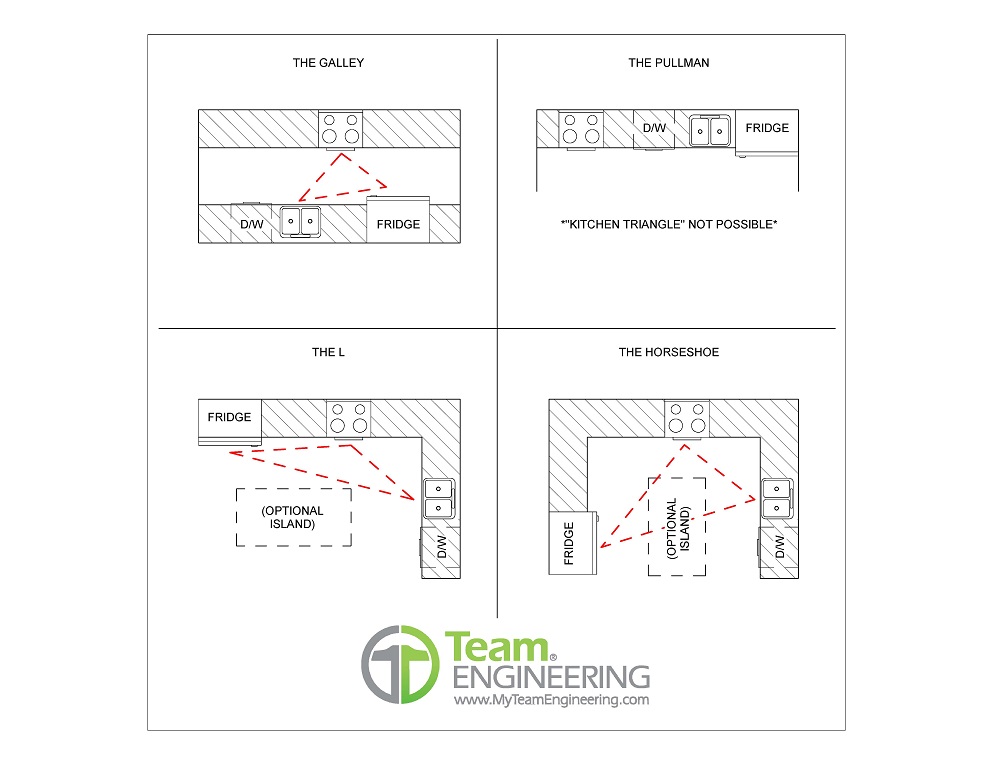
Credit: myteamengineering.com
Benefits Of L Shaped Kitchens
L shaped kitchens are popular for many homes. They use two walls to create a corner kitchen space.
This design offers many benefits, making cooking and moving around easier.
Maximizing Corner Space
L shaped kitchens make good use of corner areas that often go unused. Cabinets and shelves fit well in corners.
This helps store more kitchen tools and ingredients without crowding the room.
- Corner cabinets increase storage space
- Lazy Susans or pull-out shelves improve access
- Use vertical space with tall cabinets
Enhancing Workflow
The L shape creates a natural work triangle between the sink, stove, and fridge. This reduces walking distance.
It helps cooks move smoothly and quickly while preparing meals.
- Easy access to main work areas
- Clear paths avoid clutter and accidents
- More countertop space for prep work
Flexibility In Layout
L shaped kitchens fit many room sizes and shapes. They work well in small or large spaces.
You can add an island or dining table for extra seating or workspace.
- Fits open floor plans or closed rooms
- Easy to add extra storage or seating
- Allows multiple cooks to work together
Essential Tools And Materials
Drawing an L shaped kitchen requires some basic tools and materials. These help you create clear and accurate designs.
Using the right tools makes your drawing easier and more precise. You will need measuring tools, drawing supplies, and software options.
Measuring Tools
Measuring tools help you get exact dimensions of your kitchen space. This is important for planning the layout correctly.
Common measuring tools include tape measures and rulers. A laser measure tool can give more precise results.
- Tape measure: for measuring walls and corners
- Ruler or straight edge: for drawing straight lines
- Laser measure: for fast and accurate distance readings
- Carpenter’s square: to check right angles
Drawing Supplies
Drawing supplies are essential for creating your kitchen plan by hand. They help you sketch and add details.
You will need pencils, erasers, graph paper, and markers. Graph paper helps keep your drawing to scale.
- Pencils: for sketching and easy corrections
- Erasers: to fix mistakes
- Graph paper: to draw to scale
- Markers or pens: to highlight features
Software Options
Software tools make it simple to draw L shaped kitchens on your computer. They offer easy editing and precise measurements.
Some software is free, and others need payment. Choose one that fits your skill level and needs.
- SketchUp: user-friendly 3D modeling software
- Sweet Home 3D: free tool for interior design
- RoomSketcher: easy floor plan maker
- AutoCAD: professional design software
Planning The Kitchen Layout
Designing an L shaped kitchen starts with a clear plan. Good planning helps you use space well and makes cooking easier.
Think about how you want to move in the kitchen and where to place everything. This guide shows key points to plan your layout.
Determining Kitchen Dimensions
Measure the length of both walls that will form the L shape. Write down the exact sizes to avoid mistakes.
Check the height of the room and space for doors or windows. This helps to plan cabinets and appliances correctly.
- Measure wall lengths accurately
- Note window and door positions
- Check ceiling height for tall cabinets
- Leave space for appliances and walking
Placing Key Zones
Identify the main areas: cooking, cleaning, and storage. These zones should be easy to reach from each other.
Place the stove, sink, and refrigerator in a triangle to make moving between them simple and fast.
- Cooking zone: stove and oven
- Cleaning zone: sink and dishwasher
- Storage zone: fridge and cabinets
- Keep these zones close but not crowded
Considering Traffic Flow
Plan paths where people will walk inside the kitchen. Avoid blocking these paths with appliances or furniture.
Make sure there is enough space for two people to move comfortably without bumping into each other.
- Keep main walkways clear
- Allow 3 feet wide paths for easy movement
- Keep doors and drawers easy to open
- Place trash bins where they do not block traffic

Credit: cadbull.com
Step-by-step Drawing Process
Drawing an L shaped kitchen helps you plan your space well. It shows where everything will go.
This guide will walk you through simple steps to create your drawing clearly.
Sketching The Basic Shape
Start by drawing two straight lines that form a right angle. This represents the walls of your kitchen.
Make sure the lines are to scale. This will help you fit cabinets and appliances later.
- Use a ruler for straight lines
- Draw the longer wall first
- Connect the second wall at a right angle
- Mark the corner where the two walls meet
Adding Cabinets And Appliances
Next, draw rectangles along the walls to show where cabinets will go. Place larger rectangles for appliances.
Keep space between items to allow movement and workspace.
- Draw base cabinets first
- Add wall cabinets above base cabinets
- Mark spots for the stove, fridge, and sink
- Leave gaps for walking and opening doors
Marking Plumbing And Electrical Points
Show where water pipes and electrical outlets will be. This is important for installation.
Use symbols or small circles to mark these points on your drawing.
- Place plumbing marks near the sink and dishwasher
- Mark electrical points behind appliances
- Indicate lighting spots on the ceiling
- Check distances to avoid conflicts
Tips For Perfect Design
Designing an L shaped kitchen needs good planning. A well-made layout balances storage and workspace. This helps make cooking easier and more fun.
Choosing the right materials and lighting also adds to the kitchen's look and feel. These tips will help you create a space that works well and looks nice.
Balancing Storage And Workspace
In an L shaped kitchen, storage and workspace must fit together. Too much storage can reduce counter space. Too little storage can cause clutter.
- Place cabinets along both walls to use space well
- Use corner cabinets with pull-out shelves for easy access
- Keep frequently used items near the main work area
- Include enough counter space for food prep and small appliances
- Use vertical space by adding wall-mounted racks or shelves
Choosing Appropriate Materials
Pick materials that last and suit your kitchen style. Durable surfaces resist scratches and stains. These materials also make cleaning easier.
| Material | Features | Best Use |
| Granite | Durable, heat-resistant | Countertops |
| Laminate | Affordable, many designs | Cabinet surfaces |
| Stainless Steel | Modern look, easy to clean | Appliance fronts, sinks |
| Tile | Water-resistant, colorful | Backsplash |
Incorporating Lighting
Good lighting brightens the kitchen and helps with tasks. Layer different lights for the best effect. Use a mix of overhead, task, and accent lights.
- Install ceiling lights for general brightness
- Add under-cabinet lights to illuminate counters
- Use pendant lights above the dining or island area
- Choose LED bulbs for energy savings and long life
Common Mistakes To Avoid
Designing an L shaped kitchen can be tricky. Many people make errors that affect comfort and function.
Pay attention to the layout to avoid problems later. Here are common mistakes to watch out for.
Ignoring Ergonomics
Ergonomics means making sure the kitchen is easy and comfortable to use. Ignoring this causes strain and slows work.
- Placing the sink too far from the stove
- Making counters too high or too low
- Forgetting enough space to open cabinets and appliances
- Not considering walking paths between work areas
Overcrowding Corners
Using corners poorly creates cramped spaces. It makes cooking less efficient and harder to clean.
| Common Corner Issues | Effects |
|---|---|
| Piling too many appliances in corners | Limited workspace and clutter |
| Installing corner cabinets without pull-out shelves | Hard to reach items |
| Ignoring corner lighting | Dark work areas |
Neglecting Ventilation
Good ventilation removes smoke, smells, and heat. Without it, the kitchen feels stuffy and unsafe.
- Do not skip installing a range hood or exhaust fan
- Avoid placing cooking appliances where airflow is blocked
- Keep vents clear of obstructions
- Consider windows or additional vents for fresh air
Using Technology To Enhance Design
Technology helps make kitchen designs easier and more accurate. It lets you see ideas before building.
Using digital tools saves time and helps avoid mistakes in L shaped kitchen layouts.
3d Modeling Tools
3D modeling software shows your kitchen design in three dimensions. You can view it from all angles.
- Create walls, cabinets, and appliances to scale.
- Try different materials and colors.
- Check how much space you have for walking and working.
- Make quick changes to test new ideas.
Virtual Reality Previews
Virtual reality (VR) lets you walk inside your kitchen design before building it. You can see how it feels.
VR helps find problems early, like tight corners or poor lighting. It makes designs more user-friendly.
Online Design Resources
| Resource | Use | Benefit |
| Kitchen design websites | Find inspiration and templates | Saves time planning |
| Material calculators | Estimate needed supplies | Prevents waste and extra costs |
| Community forums | Ask questions and get advice | Learn from others’ experiences |

Credit: www.fiverr.com
Frequently Asked Questions
What Tools Are Needed To Draw An L Shaped Kitchen?
To draw an L shaped kitchen, you need graph paper, pencil, ruler, and eraser. A measuring tape helps for accurate dimensions. A kitchen design software can also assist in creating precise layouts.
How Do I Measure Space For An L Shaped Kitchen?
Measure the length and width of your kitchen area precisely. Note window, door, and appliance locations. Accurate measurements ensure your L shaped kitchen fits well and functions effectively.
What Is The Best Layout For An L Shaped Kitchen?
The best L shaped kitchen layout places the sink, stove, and fridge in a triangle. This maximizes efficiency and workflow. Ensure ample counter space between these key areas for prep work.
How To Optimize Storage In An L Shaped Kitchen?
Use corner cabinets with rotating shelves to utilize corner space. Install tall cabinets and drawers for extra storage. Open shelves can also add storage while keeping the kitchen airy.
Conclusion
Drawing an L-shaped kitchen can be simple and fun. Start with clear lines and keep measurements right. Focus on balance and space for easy movement. Add details like cabinets and counters step by step. Practice makes your drawing better each time.
Soon, you will create a neat and useful kitchen plan. This skill helps with home design and ideas. Keep trying, and enjoy designing your perfect kitchen space.


