Are you planning to redesign your kitchen or build one from scratch? Drawing a kitchen layout might seem tricky, but it’s easier than you think.
With the right steps, you can create a clear plan that fits your space and needs perfectly. Imagine having a kitchen that flows smoothly, where everything is within reach, and cooking feels effortless. You’ll discover simple tips and tricks to draw your ideal kitchen layout.
Keep reading, and you’ll soon have a design that makes your kitchen both beautiful and functional.
Credit: www.dreamstime.com
Kitchen Layout Basics
Designing a kitchen layout helps make cooking easier and more enjoyable. A good layout saves time and space.
Knowing the basics lets you plan a kitchen that fits your needs and home size.
Types Of Kitchen Layouts
There are several common kitchen layouts. Each has its own strengths and fits different spaces.
- Single Wall:All appliances and cabinets are on one wall. Good for small spaces.
- Galley:Two parallel walls with a walkway in between. Ideal for narrow kitchens.
- L-Shaped:Cabinets and appliances on two connected walls forming an L. Fits open floor plans.
- U-Shaped:Three walls of cabinets and appliances. Offers lots of storage and workspace.
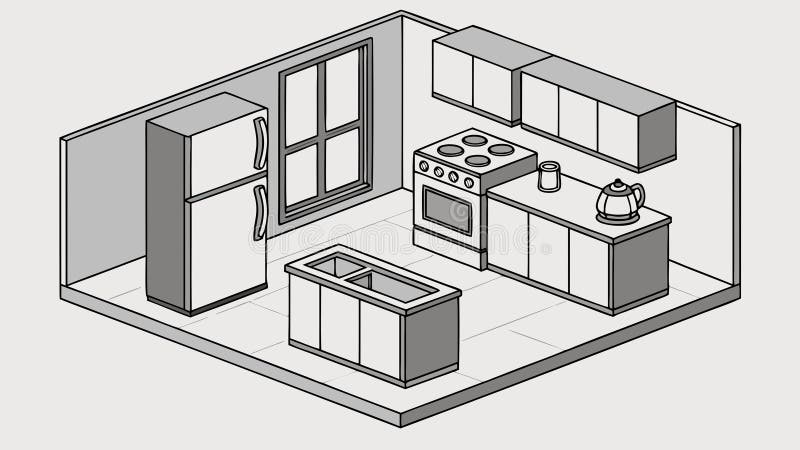
- Island:A freestanding counter in the center. Adds extra work area and storage.
Choosing The Right Layout For Your Space
Think about how much space you have and how you like to cook. This helps pick the best layout.
| Layout | Best For | Key Benefit |
| Single Wall | Small apartments | Saves space and easy to build |
| Galley | Narrow rooms | Efficient use of space |
| L-Shaped | Open floor plans | Good flow and corner space |
| U-Shaped | Medium to large kitchens | Lots of storage and counters |
| Island | Large kitchens | Extra workspace and seating |
Measuring Your Kitchen
Measuring your kitchen accurately is key to drawing a good layout. It helps you plan space for cabinets, appliances, and work areas.
Take your time to get exact numbers. This makes your kitchen design both functional and comfortable.
Tools You Need
Gathering the right tools makes measuring easier and more precise. Here are some common tools used for kitchen measurements.
- Tape measure (at least 25 feet)
- Laser distance measurer
- Notebook and pencil
- Level tool
- Camera or smartphone for photos
Key Measurements To Take
Record all important dimensions to create an accurate layout. Measure walls, windows, doors, and openings.
| Measurement | What to Measure | Notes |
| Wall Length | Each kitchen wall from corner to corner | Include baseboard thickness |
| Wall Height | From floor to ceiling | Check for variations |
| Door & Window Size | Width and height of all doors and windows | Include frame thickness |
| Distances Between Features | Space between doors, windows, and corners | Important for appliance placement |
| Ceiling Height | Height of the ceiling at different points | Note any slopes or beams |
Planning Work Zones
Designing a kitchen layout starts with planning work zones. Each zone has a clear purpose. This helps you work smoothly and save time.
Focus on three main zones: cooking, cleaning, and storage. Organize each area to fit your needs and habits.
Cooking Area
The cooking area includes the stove, oven, and nearby counter space. It should be close to the fridge and storage for easy access.
- Place the stove away from doors and walkways for safety.
- Keep counter space next to the stove for prep work.
- Install good lighting above the cooking zone.
Cleaning Area
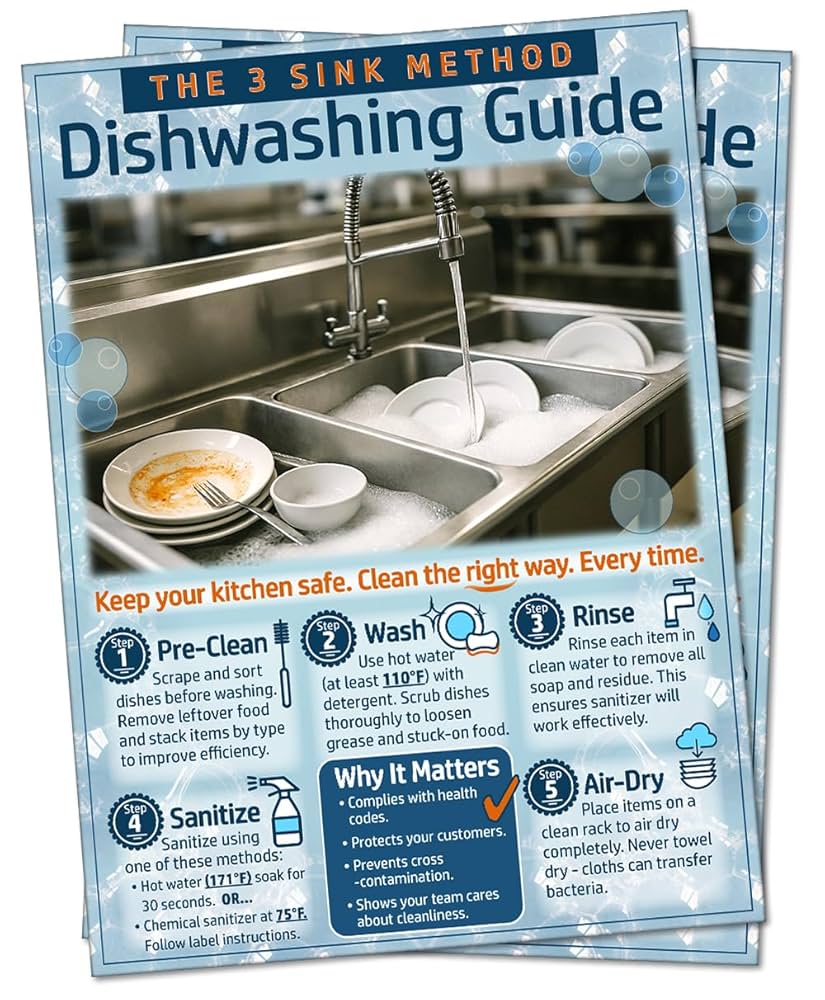
The cleaning area has the sink, dishwasher, and trash bin. This zone needs enough space for washing and drying dishes.
| Item | Recommended Placement |
| Sink | Near window if possible |
| Dishwasher | Next to the sink for easy loading |
| Trash Bin | Close to prep and cleaning zones |
Storage Area
Storage includes cabinets, pantry, and refrigerator. Organize items by how often you use them.
Use this list to plan your storage:
- Store everyday dishes and utensils near the cleaning zone.
- Keep pots and pans close to the cooking area.
- Place dry goods and canned foods in the pantry within reach of the prep space.
Sketching Your Design
Drawing a kitchen layout helps you plan the space well. It makes sure everything fits and works together.
Start by sketching your ideas on paper or using a digital tool. This will guide your design decisions.
Drawing To Scale
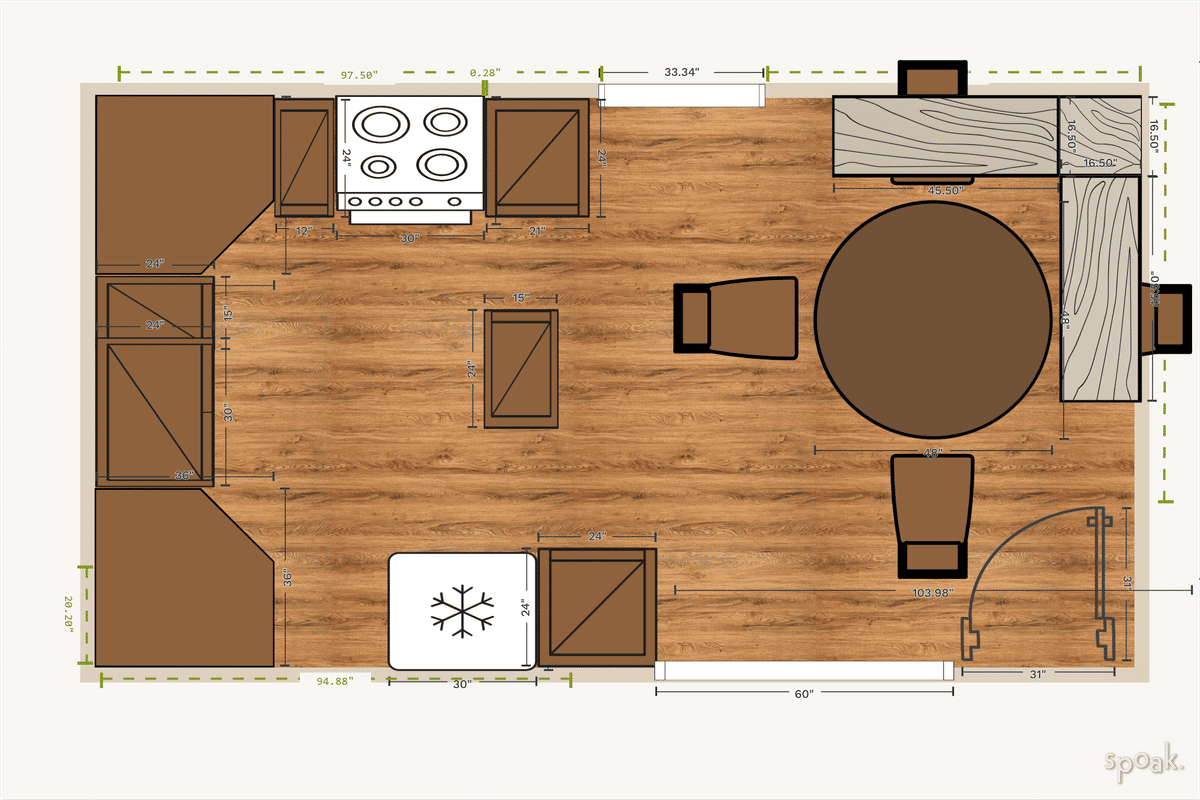
Drawing to scale means making your sketch the right size on paper. It shows the real space and size of your kitchen.
- Measure your kitchen’s length and width.
- Choose a scale, like 1 inch equals 1 foot.
- Draw the walls using this scale.
- Include doors and windows in the drawing.
- Check that the drawing matches your real measurements.
Adding Appliances And Fixtures
Add appliances and fixtures to your layout. This helps you see how they fit and work in the space.
| Appliance/Fixture | Typical Width | Typical Depth | Notes |
| Refrigerator | 36 inches | 30 inches | Place near the food prep area |
| Oven/Range | 30 inches | 25 inches | Allow clearance on both sides |
| Sink | 24-36 inches | 22 inches | Position near dishwasher |
| Dishwasher | 24 inches | 24 inches | Next to the sink for easy loading |
Optimizing Space And Flow
Designing a kitchen layout needs careful planning. Space and flow should guide your design choices.
A good layout makes cooking easier and keeps the kitchen safe and comfortable.
Creating The Work Triangle
The work triangle connects the sink, stove, and refrigerator. It helps reduce walking time during cooking.
- Place the sink near the dishwasher and trash bin for easy cleanup.
- Keep the stove away from doors and corners to allow safe cooking space.
- Position the refrigerator within reach but not in the main cooking area.
- Make sure the paths between these three points are clear and short.
- Avoid placing obstacles in the triangle to maintain smooth flow.
Maximizing Storage And Counter Space
Good storage and counters keep the kitchen tidy and functional. Use every inch wisely.
| Storage Type | Purpose | Placement Tips |
|---|---|---|
| Upper Cabinets | Store dishes and glasses | Above counters for easy reach |
| Lower Cabinets | Hold pots, pans, and appliances | Near stove and sink |
| Drawers | Organize utensils and tools | Close to prep areas |
| Counter Space | Prep food and place small appliances | Keep clear and near sink or stove |
Credit: www.spoak.com
Choosing Materials And Finishes
Choosing the right materials and finishes shapes your kitchen’s style and function. Pick options that fit your daily needs and taste.
Focus on durable materials that are easy to clean and maintain. This helps keep your kitchen looking fresh for years.
Countertops And Cabinets
Countertops and cabinets are the main surfaces in your kitchen. They need to be strong and match your design.
- Countertops:Choose materials like granite, quartz, or laminate. Granite is tough but costs more. Quartz resists stains well. Laminate is budget-friendly and comes in many colors.
- Cabinets:Wood cabinets offer warmth and style. Look for hardwoods like oak or maple. For a modern look, consider painted or laminated finishes.
- Finish Options:Glossy finishes reflect light and look bright. Matte finishes hide fingerprints and scratches better.
Flooring And Backsplashes
Floors and backsplashes protect your kitchen and add color and texture. Choose materials that are easy to clean and water-resistant.
| Material | Advantages | Considerations |
|---|---|---|
| Ceramic Tile | Durable and water-resistant | Can be cold and hard underfoot |
| Vinyl | Soft, warm, and budget-friendly | Can scratch or dent easily |
| Glass Backsplash | Easy to clean, modern look | Can show smudges and fingerprints |
| Natural Stone | Unique texture and color | Needs regular sealing |
Reviewing And Adjusting Your Layout
After drawing your kitchen layout, it is important to review it carefully. This helps ensure your kitchen will work well in daily use.
Adjustments may be necessary to improve comfort, safety, and efficiency before you start building.
Checking For Practicality
Look at your layout with a practical eye. Think about how you will move and work in the kitchen.
- Make sure there is enough space between counters for easy movement.
- Check if the work triangle (sink, stove, refrigerator) is efficient and not too large.
- Verify that doors and drawers can open fully without blocking pathways.
- Confirm that there are enough electrical outlets in convenient spots.
- Ensure lighting is planned well for cooking and cleaning areas.
Incorporating Feedback
Ask family or friends to review your design. They can give useful ideas you might miss.
| Feedback Type | Possible Change |
| Too little counter space | Add an island or extend counters |
| Hard to reach cabinets | Lower shelves or add pull-out drawers |
| Cramped cooking area | Rearrange appliances for better flow |
| Lack of natural light | Add windows or use brighter lights |

Credit: ravencontemporary.com.au
Frequently Asked Questions
How Do I Start Drawing A Kitchen Layout?
Begin by measuring your kitchen space accurately. Sketch the walls, doors, and windows. Mark key appliances and work zones to create a functional plan.
What Are The Essential Zones In A Kitchen Layout?
A good kitchen layout includes the cooking, cleaning, and storage zones. These zones improve workflow and make cooking efficient and enjoyable.
Which Tools Help In Drawing A Kitchen Layout?
Use graph paper, pencils, and rulers for manual drawing. Alternatively, try kitchen design software for precise and easy modifications.
How Can I Optimize Space In A Small Kitchen Layout?
Maximize vertical storage, use compact appliances, and design an open layout. Keep pathways clear to make the kitchen feel spacious.
Conclusion
Creating a kitchen layout can be simple and fun. Start by considering your needs and space. Remember to plan for essential appliances. Ensure you have enough storage and counter space. Consider the work triangle for efficiency. Make sure pathways are clear and wide enough.
Choose materials that are easy to clean. Keep lighting in mind for a bright, inviting kitchen. Test your design with a drawing or software. Adjust until it feels right. A well-planned kitchen can make cooking enjoyable. Enjoy creating your perfect kitchen!