

Are you ready to transform your kitchen space with a layout that's both functional and stylish? Drawing a kitchen layout can seem daunting, but it doesn't have to be.
Imagine having a kitchen that not only meets your needs but also reflects your personal style. With just a few simple steps, you can create a design that maximizes space and efficiency. Whether you're planning a renovation or starting from scratch, this guide will show you how to draw a kitchen layout easily.
Dive in, and discover the secrets to crafting a kitchen that’s perfect for you and your home. You won't believe how simple it can be to bring your vision to life!
Credit: www.spoak.com
Choosing The Right Kitchen Shape
Drawing a kitchen layout starts with picking the right shape. The shape affects space use and how you move in the kitchen.
Each kitchen shape fits different room sizes and cooking needs. Learn about common kitchen layouts to find the best one for you.
Single Wall Kitchens
Single wall kitchens place all appliances and counters along one wall. This layout works well in small spaces.
This design keeps everything in a line, making it simple but with less storage and counter space.
L-shaped Designs
The L-shaped kitchen uses two walls at a right angle. It fits corners and creates a good work triangle.
- More counter space than single wall kitchens
- Good for small to medium rooms
- Allows for dining or extra storage in the open area
U-shaped Layouts
U-shaped kitchens have counters on three walls. This layout offers plenty of work and storage space.
This shape suits larger kitchens and helps keep everything within easy reach.
Galley Kitchens
Galley kitchens have two parallel counters. This shape works well in narrow spaces.
| Advantages | Disadvantages |
| Efficient use of space | Can feel cramped |
| Easy to move between tasks | Limited room for multiple cooks |
| Good for small homes | Less open space |
Island And Peninsula Options
Islands and peninsulas add extra counters and storage. They also create a gathering spot in the kitchen.
Consider these points for islands and peninsulas:
- Islands are freestanding and need enough room around them.
- Peninsulas connect to one wall or counter.
- Both can add seating and work areas.
- They work best in large kitchens.
Measuring Your Space Accurately
Measuring your kitchen space is the first step to a good layout. Accurate measurements help you plan better and avoid mistakes.
Take your time to measure carefully. Write down every detail to make drawing your kitchen easier.
Tools You Need
Gather the right tools before you start measuring. These tools make your work faster and more accurate.
- Tape measure (at least 25 feet long)
- Notepad and pencil for notes
- Laser distance measurer (optional for better accuracy)
- Level tool to check flat surfaces
- Step stool or ladder for high areas
Marking Walls And Fixtures
Mark the walls and kitchen fixtures clearly on your drawing. This helps you see where everything fits.
Measure the length and height of each wall. Include cabinets, sinks, and appliances in your marks.
- Note the position of kitchen counters
- Mark where appliances will go
- Include plumbing and electrical points
- Draw walls to scale for better accuracy
Accounting For Doors And Windows
Doors and windows affect your kitchen layout. Measure their size and position carefully.
Note how doors open and space they need. Include window height and width for natural light planning.
- Measure door width and swing direction
- Record window width and height
- Check space around doors and windows
- Plan counters and cabinets around these areas
Planning The Work Triangle
The work triangle is the key to an efficient kitchen layout. It connects the sink, stove, and refrigerator. This triangle helps you move easily while cooking.
Planning the work triangle well saves time and effort. It makes your kitchen more comfortable and practical.
Locating The Sink
The sink is the most used spot in the kitchen. Place it near a window if possible for natural light. It should have enough counter space on both sides.
- Position the sink between the stove and refrigerator.
- Allow space for washing and preparing food.
- Keep plumbing access in mind.
Positioning The Stove
The stove needs good ventilation and safety space around it. Place it near the sink but not too close. This helps in easy food preparation and cleaning.
| Distance Between | Recommended Range |
| Sink and Stove | 4 to 9 feet |
| Stove and Refrigerator | 4 to 9 feet |
| Sink and Refrigerator | 4 to 9 feet |
Placing The Refrigerator
Put the refrigerator where it is easy to open the doors fully. It should be close enough to the stove and sink for quick access.
- Keep it away from heat sources like ovens or direct sunlight.
- Leave space around it for air circulation.
- Place near the kitchen entrance for easy grocery storage.
Selecting Storage Solutions
Choosing the right storage helps keep your kitchen neat and easy to use. Good storage fits your space and cooking habits.
Think about how much space you need and what items you use most. This makes your kitchen more organized and practical.
Cabinet Types
Cabinets come in many styles and sizes. Pick cabinets that match your kitchen size and storage needs.
Base cabinets hold heavy items like pots. Wall cabinets store lighter items like dishes.
- Base cabinets: under the countertop
- Wall cabinets: mounted on walls
- Tall cabinets: for pantry or broom storage
- Corner cabinets: use hard-to-reach space
Drawer Organizers
Drawer organizers help keep small items tidy. They stop utensils and gadgets from mixing together.
Use dividers or trays to separate forks, knives, and spoons. Special trays work for spices or baking tools.
- Utensil trays: separate forks, knives, spoons
- Spice racks: keep spices in one place
- Baking trays: organize measuring cups and spoons
- Deep drawer dividers: store pots and pans lids
Open Shelving Ideas
Open shelves give easy access to items you use often. They also make your kitchen feel more open.
Keep only neat and used items on open shelves. Use baskets or containers to reduce clutter.
- Display plates and bowls for quick reach
- Use baskets for small items and snacks
- Store cookbooks and plants for style
- Keep open shelves near cooking area
Choosing Appliances And Fixtures
Choosing the right appliances and fixtures is key for a good kitchen layout. They affect how the kitchen looks and works.
Think about what appliances you need and how they will fit in your space. This helps you plan better.
Size And Placement Tips
Measure appliances before you buy. Make sure they fit in your kitchen without crowding.
Place appliances so they are easy to reach and use. Keep the stove, fridge, and sink close to each other.
- Leave enough space around appliances for doors to open fully
- Keep the fridge near the entrance for easy access
- Place the sink between the stove and fridge for smooth workflow
- Avoid placing ovens or microwaves too low or too high
Energy Efficiency Considerations
Pick appliances with good energy ratings. They save money and help the environment.
Look for labels like ENERGY STAR. These show the appliance uses less electricity.
- Energy-efficient fridges use less power
- LED lighting in fixtures saves energy
- Induction cooktops use heat well and waste less energy
- Choose water-saving faucets and dishwashers
Popular Appliance Styles
Appliances come in many styles to match your kitchen design. Choose one that fits your taste.
Stainless steel is common for a modern look. White and black finishes suit classic kitchens.
- Stainless steel: sleek and easy to clean
- Matte black: bold and stylish
- White: bright and classic
- Built-in appliances: blend into cabinets
- Retro styles: add a vintage touch
Credit: www.spoak.com
Sketching Your Layout
Drawing a kitchen layout helps you plan where everything will go. It makes building or remodeling easier.
Start with a rough sketch to place cabinets, appliances, and counters. This helps you see the space clearly.
Drawing To Scale
Drawing to scale means your sketch matches real measurements. This shows the exact size of your kitchen parts.
Use a ruler and measure your kitchen. Then draw your layout smaller but with the same proportions.
- Measure walls, doors, and windows carefully
- Choose a scale like 1 inch equals 1 foot
- Draw every part using the scale
- Check if items fit well in the space
Using Grid Paper
Grid paper helps keep your drawing neat and correct. Each square can represent a set length.
This makes it easier to draw walls, counters, and appliances with even spacing and straight lines.
- Pick grid paper with squares that match your scale
- Use a pencil to draw on the grid
- Keep your lines straight using the squares
- Label parts like the fridge, stove, and sink
Digital Tools For Beginners
Digital tools let you draw your kitchen on a computer or tablet. They often have simple drag and drop features.
You can try free apps or websites made for home design. These tools can save time and show your layout clearly.
- Look for beginner-friendly kitchen design apps
- Use templates to start your sketch quickly
- Add cabinets and appliances easily
- Change sizes and move items with a click
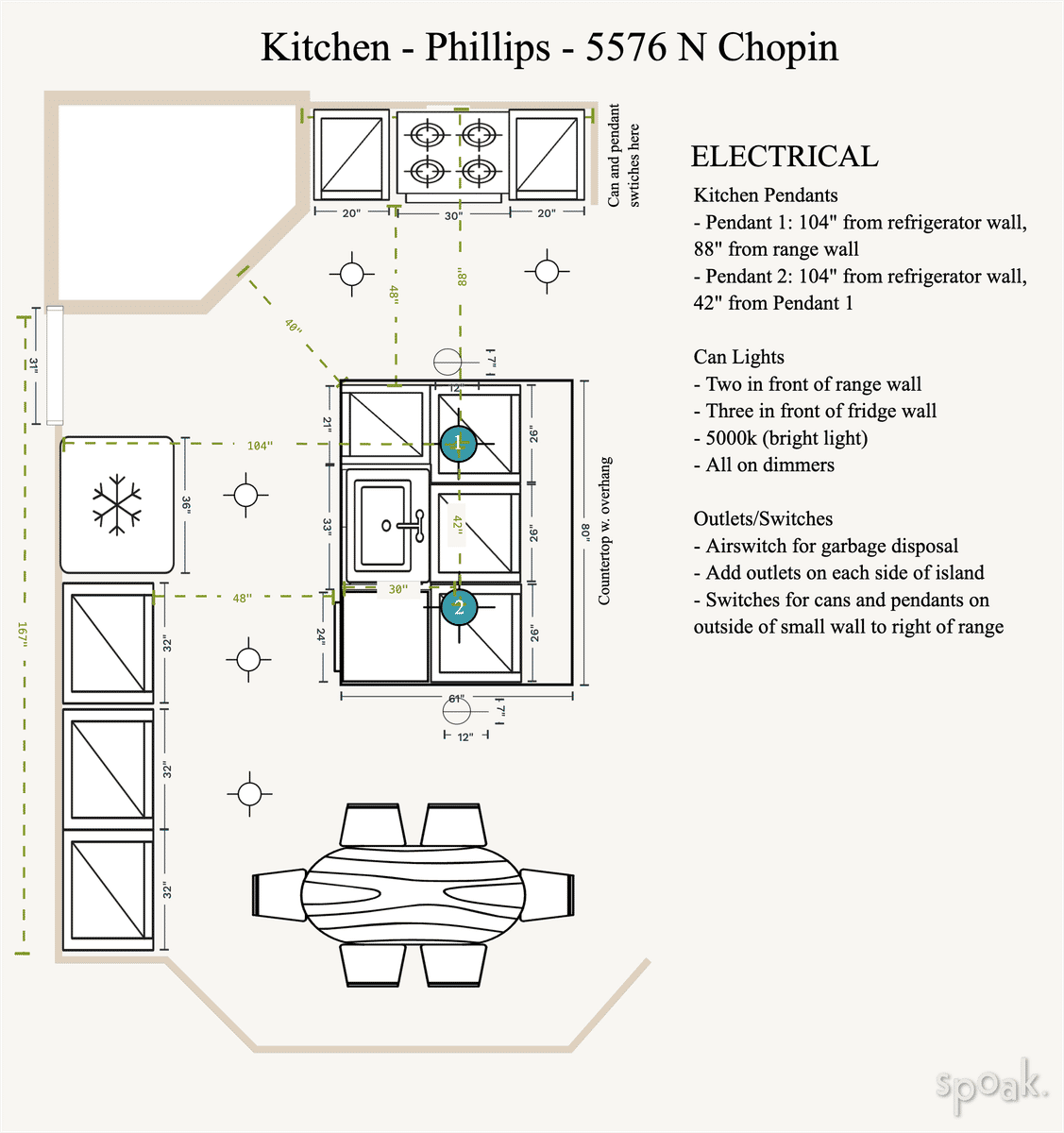
Adding Lighting And Electrical Plans
Lighting and electrical plans are key to a practical kitchen layout. They help create a safe and bright workspace.
Good lighting makes cooking easier. Proper outlet placement keeps appliances powered without clutter.
Task Lighting Options
Task lighting focuses light where you need it most. It helps with chopping, cooking, and cleaning.
- Under-cabinet LED strips brighten countertops.
- Pendant lights over islands add direct light.
- Adjustable track lights allow flexible positioning.
- Recessed ceiling lights avoid shadows on work areas.
Ambient And Accent Lighting
Ambient lighting provides overall brightness in the kitchen. Accent lighting highlights features and adds style.
| Lighting Type | Purpose | Common Fixtures |
|---|---|---|
| Ambient | General light for the room | Ceiling fixtures, flush mounts |
| Accent | Highlight cabinets, artwork | Spotlights, strip lights |
Outlet Placement
Place outlets where you use small appliances. Plan for enough outlets on counters and islands.
- Install outlets every 4 feet along backsplash areas.
- Include outlets inside cabinets for hidden appliances.
- Use GFCI outlets near sinks for safety.
- Add USB outlets for charging devices.

Credit: www.jlconline.com
Finalizing And Reviewing Your Design
After drawing your kitchen layout, spend time to finalize the design. Careful review helps catch mistakes early.
Check if the design meets your needs and fits well in the space. Make sure it is both useful and comfortable.
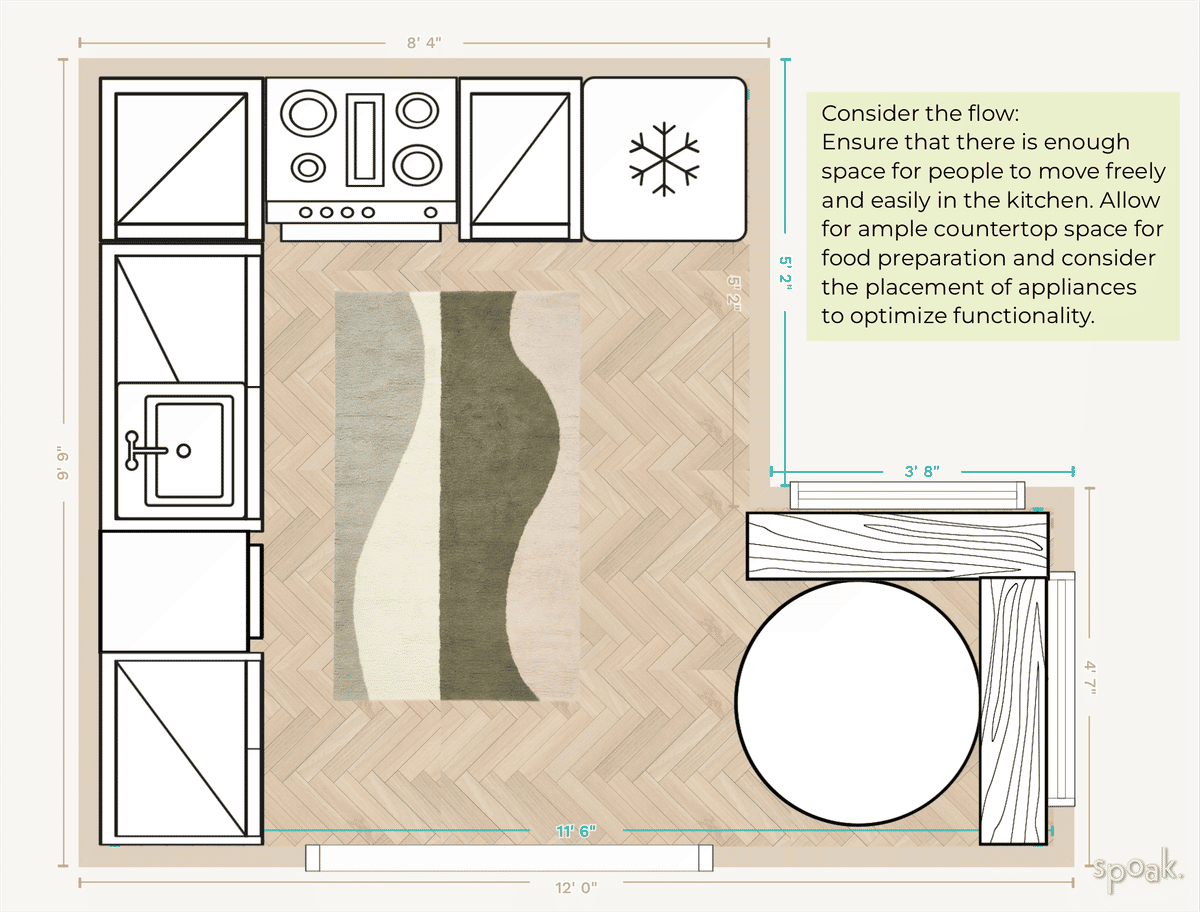
Checking For Flow And Function
Good kitchen design lets you move easily between areas. Check if the work triangle between sink, stove, and fridge is clear.
- Ensure enough space for opening doors and drawers
- Look for clear walking paths without obstacles
- Place the sink near the dishwasher for easy cleanup
- Check counter space around cooking and prep areas
- Consider lighting and ventilation placement
Seeking Feedback
Ask family or friends to review your layout. Fresh eyes can spot problems you missed.
| Feedback Area | Questions to Ask |
| Space | Is there enough room to move around? |
| Storage | Are cabinets and shelves easy to reach? |
| Function | Does the layout make cooking easier? |
| Safety | Are there any hazards or tight spots? |
| Comfort | Is the lighting and ventilation good? |
Making Adjustments
Use the feedback to improve your design. Small changes can make a big difference.
Consider these tips when adjusting your kitchen layout:
- Move appliances to improve the work triangle
- Increase counter space where you do most prep work
- Add or resize storage for better access
- Improve lighting and ventilation as needed
- Make sure all doors and drawers open fully
Frequently Asked Questions
What Is The Easiest Way To Draw A Kitchen Layout?
Start with a rough sketch of your kitchen space. Include walls, doors, and windows. Then add major appliances and cabinets. Use simple shapes and labels to keep it clear and organized.
How Do I Plan Kitchen Work Zones Effectively?
Divide your kitchen into zones: cooking, cleaning, and storage. Place appliances and sinks accordingly. This setup improves workflow and efficiency while cooking and cleaning tasks.
Which Tools Help In Drawing Kitchen Layouts Quickly?
Use graph paper or digital tools like SketchUp or RoomSketcher. These help create accurate and scalable kitchen layouts with ease. They also allow easy adjustments and visualization.
How To Measure Kitchen Space Accurately For Drawing?
Measure walls, doorways, windows, and ceiling height with a tape measure. Record measurements carefully. Accurate dimensions ensure your layout fits perfectly and prevents costly errors.
Conclusion
Drawing a kitchen layout can be simple and fun. Start with clear measurements and basic shapes. Plan where each appliance and cabinet will go. Keep space for movement and work areas. Check your design to make sure it feels right.
Practice helps you get better and faster. Soon, you will create a kitchen layout that fits your needs well. Keep trying and enjoy the process!


