
How to Cook Spaghetti Pasta? Imagine the delightful aroma of a steaming plate of spaghetti pasta wafting through your kitchen. It’s a comforting scent that brings back memories of family dinners and cozy nights in.
You’re about to unlock the secrets to creating this classic dish perfectly every time. Cooking spaghetti pasta might seem simple, but with a few expert tips and tricks, you can elevate your pasta from ordinary to extraordinary. Whether you’re a seasoned chef or a kitchen novice, this guide will show you how to achieve that perfect al dente texture and infuse your pasta with flavors that will tantalize your taste buds.
Ready to become the master of your spaghetti universe? Let’s get started!
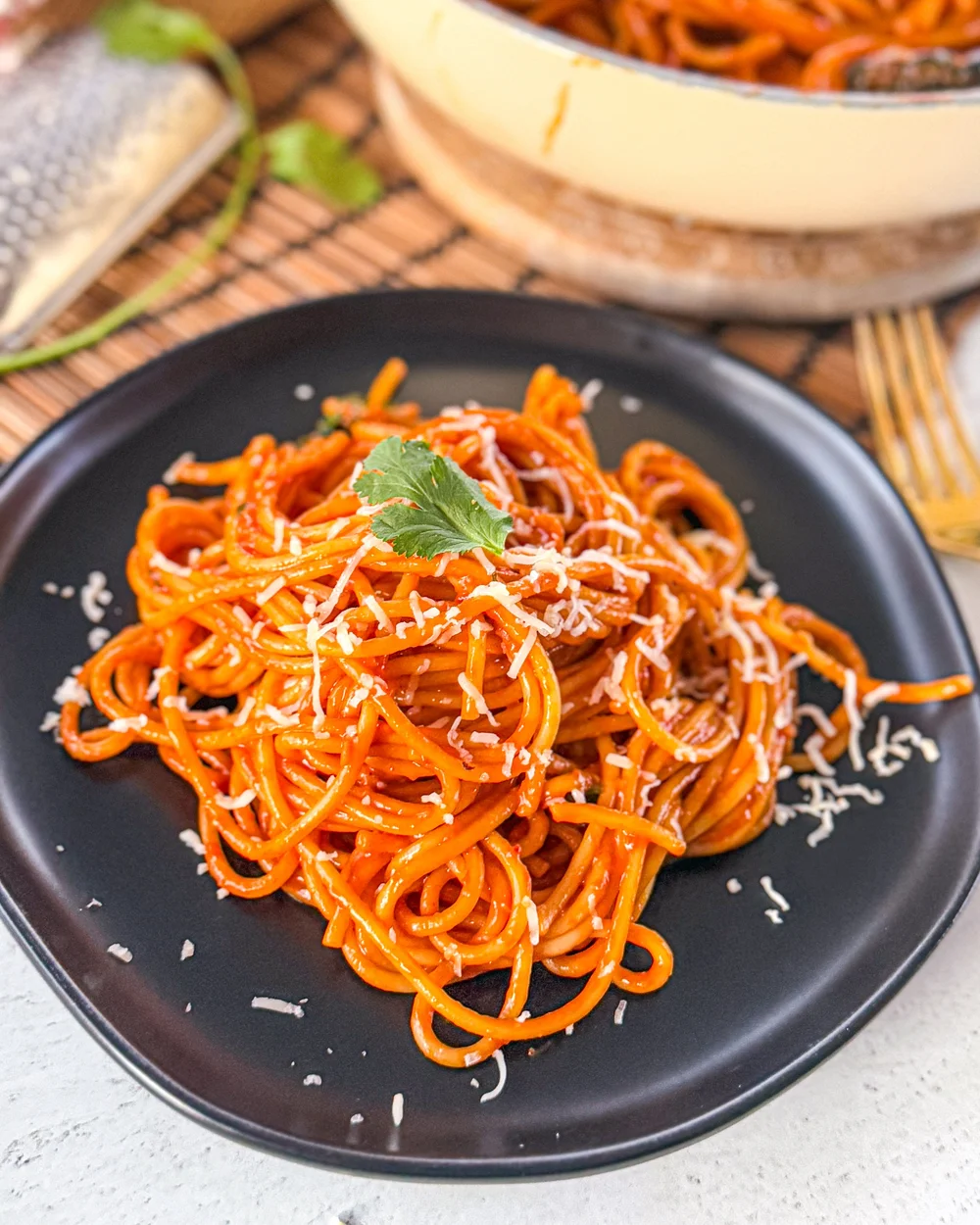
Credit: theglobalvegetarian.com
Choosing The Right Spaghetti
Spaghetti is a popular pasta shape loved by many. Picking the right type can change your dish’s taste and texture.
This guide helps you understand different spaghetti types and what makes quality pasta.
Types Of Spaghetti
Spaghetti comes in many forms. Each type suits different recipes and sauces.
- Classic Spaghetti:Thin and round, perfect for tomato sauces.
- Spaghetti No. 5:Slightly thicker, holds creamy sauces well.
- Whole Wheat Spaghetti:Made with whole grain, has a nuttier flavor.
- Gluten-Free Spaghetti:Made from rice or corn, good for gluten intolerance.
Quality Matters
Good spaghetti cooks evenly and tastes better. Look for these quality signs when buying pasta.
| Quality Factor | What to Check | Why It Matters |
| Color | Should be pale yellow, not white | Shows it is made from durum wheat |
| Texture | Rough surface is best | Helps sauce stick to spaghetti |
| Ingredients | Look for 100% durum wheat | Durum wheat gives firm texture |
| Brand | Choose trusted pasta makers | Ensures consistent quality |
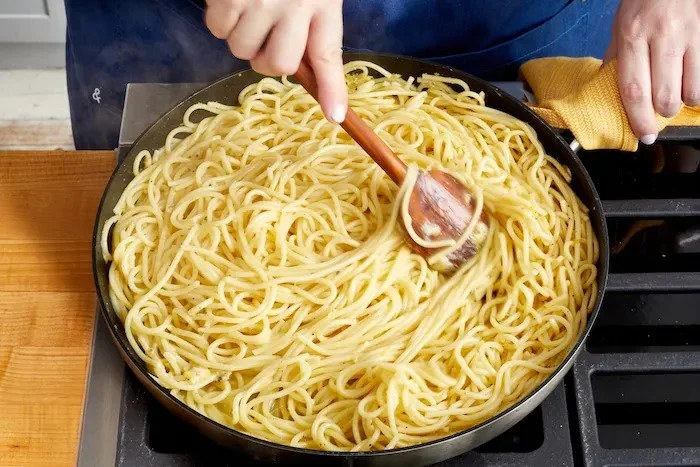
Credit: blog.blueapron.com
Preparing To Cook
Cooking spaghetti pasta starts with good preparation. Getting the basics right helps the pasta cook evenly and taste better.
Before boiling, you need to pick the right pot, measure water and salt, and know how to handle boiling water safely.
Selecting The Pot
Use a large pot for cooking spaghetti. A wide pot gives pasta room to move and cook evenly.
The pot should be deep enough to hold plenty of water without spilling. Stainless steel pots work well for even heat.
Amount Of Water And Salt
Use enough water so pasta can float freely. Too little water makes pasta stick together.
| Amount of Pasta | Water Needed | Salt to Add |
| 100 grams (about 3.5 oz) | 1 liter (4 cups) | 1 teaspoon |
| 200 grams (about 7 oz) | 2 liters (8 cups) | 2 teaspoons |
| 500 grams (about 1 lb) | 5 liters (20 cups) | 5 teaspoons |
Salt adds flavor. Add salt once the water boils, before putting pasta in.
Boiling Water Tips
Follow these tips to boil water safely and quickly:
- Use a lid to cover the pot. This speeds up boiling.
- Keep the stove heat high until water boils.
- Do not add pasta before water boils.
- Stir pasta after adding to prevent sticking.
- Use a timer to cook pasta as per package instructions.
Cooking The Spaghetti
Cooking spaghetti pasta is easy and fast with the right steps. You just need boiling water, salt, and patience.
Follow simple tips to cook spaghetti that is tender but firm to bite. This guide helps you cook perfect pasta every time.
Adding Pasta To Boiling Water
Wait for the water to boil before adding the spaghetti. Boiling water cooks the pasta evenly and prevents it from sticking.
Hold the spaghetti bundle and gently add it to the pot. Let the ends soften, then push the pasta down slowly.
Stirring Techniques
Stir the pasta right after adding it to the water. Stirring stops the noodles from sticking together.
Stir occasionally during cooking, especially in the first few minutes. Use a long spoon to reach the bottom of the pot.
- Stir gently to avoid breaking the pasta
- Stir every 1-2 minutes early on
- Less stirring needed after pasta softens
Cooking Time Guide
Most spaghetti cooks in 8 to 12 minutes. Cooking time depends on thickness and brand.
Check the pasta by tasting a strand near the end of cooking. It should be soft but still firm inside, called al dente.
| Spaghetti Type | Cooking Time (minutes) |
|---|---|
| Thin Spaghetti | 6 – 8 |
| Regular Spaghetti | 8 – 10 |
| Thick Spaghetti | 10 – 12 |
Checking For Doneness
Cooking spaghetti pasta perfectly needs you to check if it is done. Overcooked pasta becomes mushy and undercooked is too hard.
Knowing when spaghetti is just right helps you enjoy the best texture and flavor. Let’s learn how to check doneness well.
Al Dente Explained
“Al dente” means the pasta is cooked but still firm to the bite. It is not soft or mushy.
Spaghetti cooked al dente holds its shape and has a slight chewiness. This texture is popular in Italian cooking.
- Firm, but not hard
- Slight resistance when bitten
- Not crunchy or raw inside
- Better for sauces to cling
Taste Testing Methods
Taste testing is the best way to check spaghetti doneness. You take a small piece and bite it.
Look for a balance between softness and firmness. If it feels too hard or crunchy, cook longer.
- Use tongs or a fork to lift pasta out
- Cool it slightly before tasting
- Bite the pasta to check texture
- Cook more if pasta feels too firm
- Remove from heat when al dente
Draining And Serving
Cooking spaghetti pasta ends with draining and serving. These steps keep the pasta tasty and ready to eat.
Good draining removes water without losing pasta. Serving goes well with the right sauce and timing.
Proper Draining Techniques
Drain pasta carefully to keep its shape and texture. Use a colander or strainer that fits your pot.
- Place a colander in the sink before pouring pasta and water.
- Pour slowly to avoid splashing hot water.
- Shake the colander gently to remove extra water.
- Do not rinse pasta unless the recipe says so.
- Save some cooking water to adjust sauce consistency.
Avoiding Overcooking
Overcooked pasta becomes soft and sticky. Watch the cooking time on the package.
- Start checking pasta a minute before the shortest cooking time.
- Take one strand and bite it to test firmness.
- Stop cooking when pasta is tender but firm to bite.
- Drain immediately to stop cooking process.
Pairing With Sauces
Choosing the right sauce makes your pasta meal delicious. Match sauce thickness with pasta texture.
| Sauce Type | Best Pasta Pairing |
| Light Olive Oil or Garlic | Thin spaghetti, angel hair |
| Tomato-Based Sauces | Standard spaghetti, penne |
| Thick Cream Sauces | Wide noodles, fettuccine |
| Chunky Meat Sauces | Thick or ridged pasta |
Tips For Perfect Pasta Every Time
Cooking spaghetti pasta is simple but needs care for the best taste and texture. Small tips can make your pasta turn out perfect every time.
These tips will help you cook spaghetti that is tasty and easy to enjoy. Follow them to avoid common pasta problems.
Using Pasta Water
Save some pasta water before draining. It contains starch that helps sauces stick to the pasta.
Add a few spoonfuls of pasta water to your sauce. This will make the sauce smooth and help it coat the spaghetti well.
- Use salted water to cook pasta for better flavor
- Reserve about half a cup of pasta water before draining
- Add pasta water gradually to your sauce while stirring
Avoiding Stickiness
Sticking happens when pasta is crowded or not stirred enough. Stir often while cooking to keep strands separate.
Use plenty of water so pasta has space to move. Avoid adding oil to the water as it stops sauce from sticking later.
- Use at least 4-6 quarts of water per pound of pasta
- Stir pasta gently during the first two minutes of cooking
- Drain pasta well but do not rinse it
Storage And Reheating
Store leftover pasta in an airtight container in the fridge. It stays fresh for up to 3 days.
Reheat pasta by adding a little water or sauce. Warm it gently to keep it soft and avoid drying out.
- Cool pasta before storing to avoid sogginess
- Use microwave or stovetop to reheat with a splash of water or sauce
- Do not reheat pasta more than once for best quality
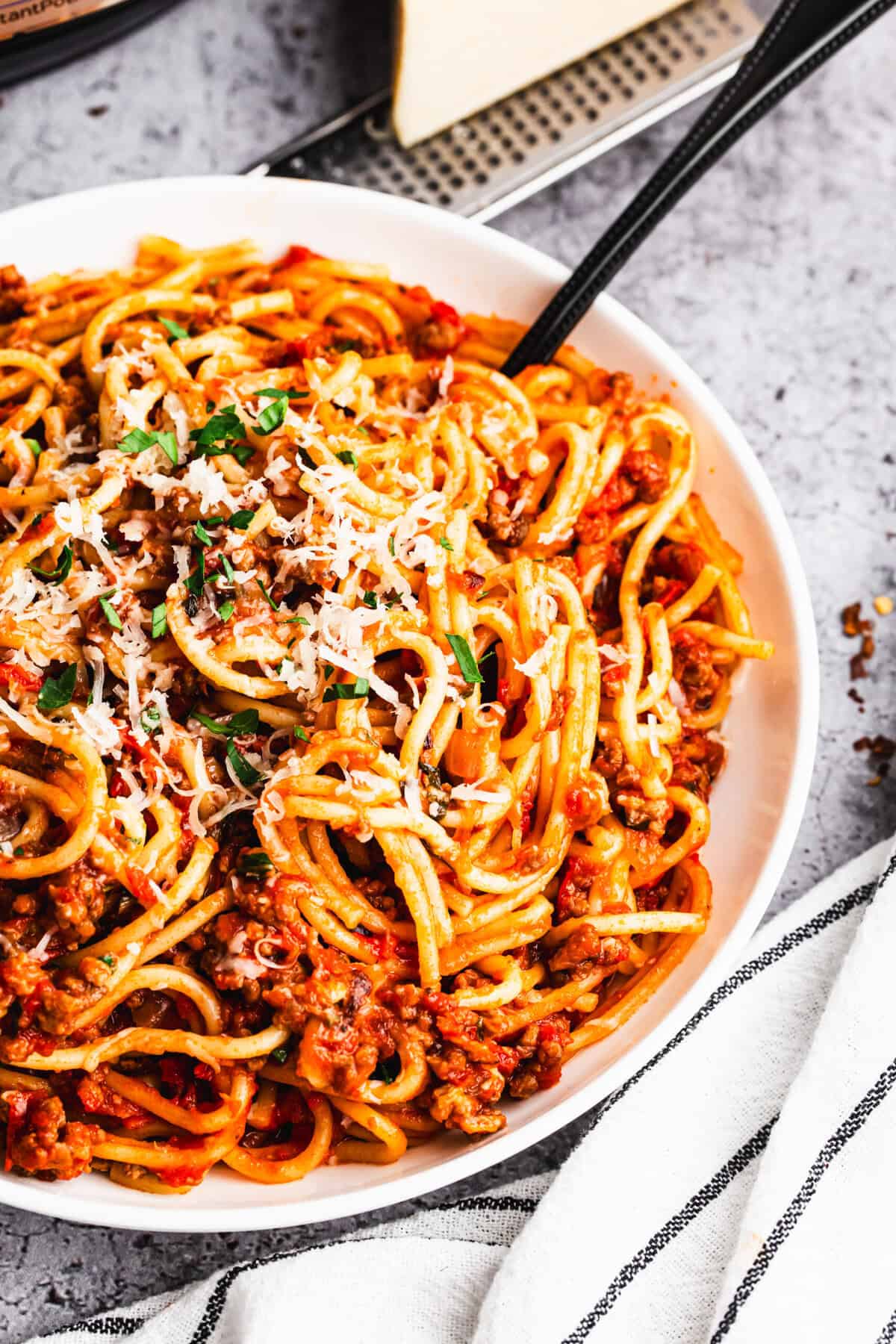
Credit: tastesbetterfromscratch.com
Frequently Asked Questions
How Long Should I Boil Spaghetti Pasta?
Boil spaghetti for 8-12 minutes until al dente. Check package instructions for exact timing. Stir occasionally to prevent sticking.
What Type Of Water Is Best For Cooking Spaghetti?
Use plenty of salted boiling water for pasta. Salt enhances flavor and prevents pasta from sticking. Avoid using oil in water.
How Much Spaghetti Pasta Should I Cook Per Person?
Cook about 2 ounces (56 grams) of dry pasta per person. Adjust amount based on appetite and recipe requirements.
Should I Rinse Spaghetti After Cooking?
Do not rinse spaghetti after cooking. Rinsing removes starch that helps sauce adhere. Only rinse if using pasta in a cold dish.
Conclusion
Cooking spaghetti pasta is simple with the right steps. Boil water, add salt, and stir the pasta. Cook until tender but still firm. Drain well and add your favorite sauce. Taste often to avoid overcooking. This method gives you perfect pasta every time.
Enjoy a delicious meal made from scratch. Practice makes cooking easier and more fun. Try different sauces to find what you like best. Cooking pasta can be quick and satisfying. Give it a try and enjoy your homemade spaghetti!