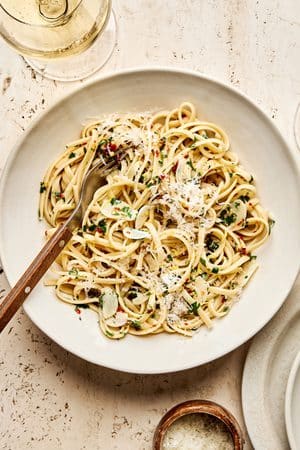
How to Cook Linguine Pasta? Imagine the tantalizing aroma of perfectly cooked linguine pasta wafting through your kitchen. It’s a simple yet exquisite dish that can transform an ordinary meal into a culinary delight.
Whether you’re planning a romantic dinner or just craving a comforting bowl of pasta, learning how to cook linguine to perfection is a must. You might think it’s just boiling water and tossing in some pasta, but there’s a bit more to it if you want that perfect al dente texture.
In this guide, you’ll discover the secrets to cooking linguine like a pro, ensuring each strand is cooked to perfection. Get ready to elevate your pasta game and impress anyone who shares your table.
Choosing The Right Linguine
Choosing the right linguine pasta is important for a great meal. Different types of linguine affect the taste and texture.
Knowing the difference between fresh and dried linguine helps you pick what fits your recipe best.
Types Of Linguine Pasta
Linguine pasta comes in various types. Some are made with plain wheat, while others include eggs or whole grains.
- Plain linguine: made from durum wheat semolina
- Egg linguine: contains eggs for richer flavor
- Whole wheat linguine: higher fiber and nuttier taste
- Gluten-free linguine: made from rice or corn flour
Each type offers a unique texture and taste. Choose based on your dietary needs and flavor preference.
Fresh Vs. Dried Linguine
Fresh linguine is soft and cooks quickly. It has a delicate texture and is best with light sauces.
Dried linguine is firm and stores longer. It holds shape well and works with thicker sauces.
- Fresh linguine:cooks in 2-3 minutes, softer texture
- Dried linguine:cooks in 8-12 minutes, firmer bite
- Storage:fresh needs refrigeration, dried can be kept at room temperature
- Flavor:fresh tastes light, dried has a stronger wheat flavor
Preparing To Cook
Cooking linguine pasta starts with good preparation. Using the right tools and ingredients helps the pasta taste better.
Before boiling, take time to get your pot, water, and salt ready. This makes cooking easier and the pasta perfect.
Selecting The Right Pot And Water
Choose a large pot to give the linguine enough space to cook evenly. Use plenty of water so the pasta does not stick together.
- Use a pot at least 5 quarts in size
- Fill the pot with 4 to 6 quarts of water
- Make sure water is at a rolling boil before adding pasta
- Stir pasta occasionally to prevent sticking
Adding Salt For Flavor
Salt boosts the flavor of linguine pasta. Add salt once the water boils to dissolve it quickly.
| Amount of Water | Amount of Salt |
| 4 quarts | 1 tablespoon |
| 6 quarts | 1.5 tablespoons |
| 8 quarts | 2 tablespoons |
Cooking The Pasta
Cooking linguine pasta properly gives you the best taste and texture. It is important to focus on the cooking process.
This guide will help you cook linguine pasta perfectly every time.
Boiling Water To The Right Temperature
Use a large pot to boil water for linguine. This helps the pasta cook evenly. Bring the water to a rolling boil before adding pasta.
Adding salt to the boiling water improves the pasta’s flavor. Use about one tablespoon of salt for every four quarts of water.
Timing For Al Dente Texture
Cook linguine until it is al dente. This means it is firm to the bite but not hard. Check the pasta package for cooking time.
Start tasting the pasta two minutes before the package time ends. Drain it as soon as it reaches the right texture.
- Typical cooking time: 8-10 minutes
- Test pasta by biting a strand
- Stop cooking when slightly firm inside
Stirring Tips To Prevent Sticking
Stir linguine often during the first few minutes of cooking. This stops the strands from sticking together.
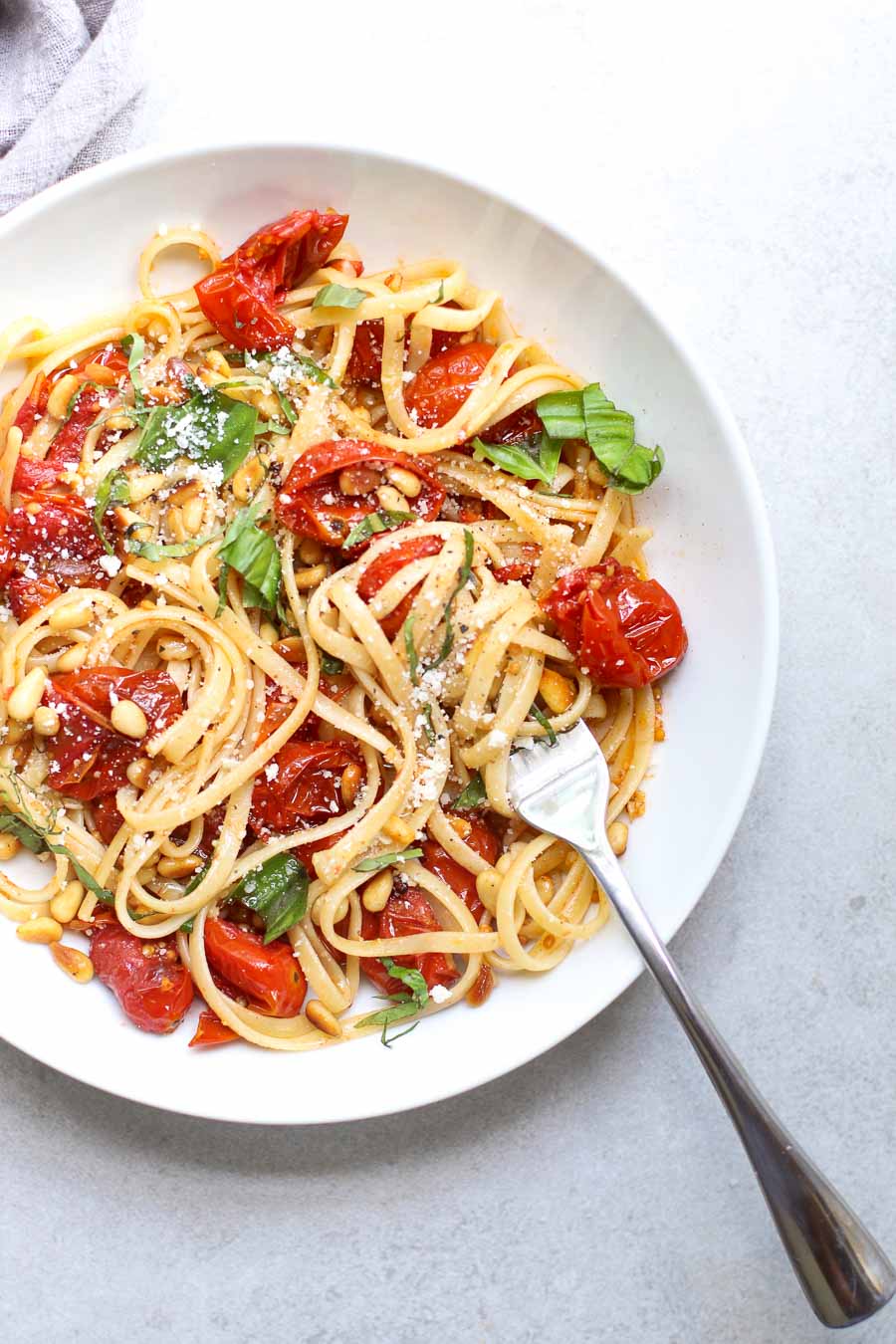
Use a long spoon or pasta fork to stir gently but thoroughly. After the first few minutes, stir occasionally until done.
Credit: marisamoore.com
Draining And Saving Pasta Water
Draining linguine pasta correctly helps keep its texture perfect. Saving pasta water can improve your sauce’s flavor and consistency.
Learn when to drain your pasta and how to use the pasta water to make your sauce better.
When And How To Drain
Drain your linguine pasta as soon as it reaches the desired firmness. Usually, this is after 8 to 10 minutes of boiling.
- Use a colander to drain the pasta safely.
- Reserve about one cup of pasta water before draining.
- Do not rinse the pasta; rinsing removes starch that helps the sauce stick.
- Drain quickly to avoid overcooking.
Using Pasta Water For Sauces
Pasta water contains starch that helps thicken sauces and makes them cling to the pasta better.
| Use of Pasta Water | How to Use |
| Thicken Sauce | Add a few spoonfuls while cooking sauce |
| Adjust Sauce Consistency | Add more water if sauce is too thick |
| Help Sauce Stick | Mix pasta and sauce with water for better coating |
Pairing With Sauces
Linguine pasta is long and flat, perfect for many sauces. Choosing the right sauce makes the dish delicious.
Some sauces stick well to linguine, bringing out the pasta’s smooth texture and flavor.
Classic Sauce Options
Tomato-based sauces work well with linguine. They add a rich taste and fresh aroma.
- Marinara sauce – simple and tangy
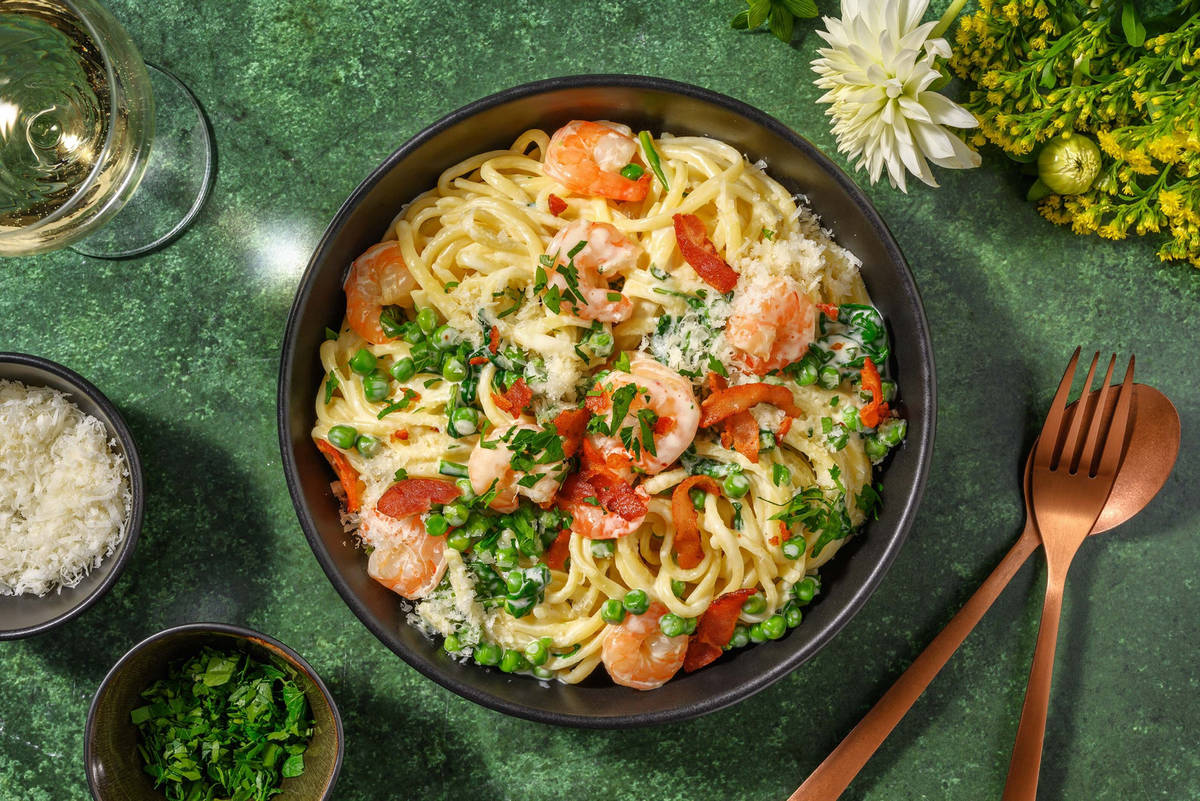
- Alfredo sauce – creamy and smooth
- Pesto sauce – fresh and herby
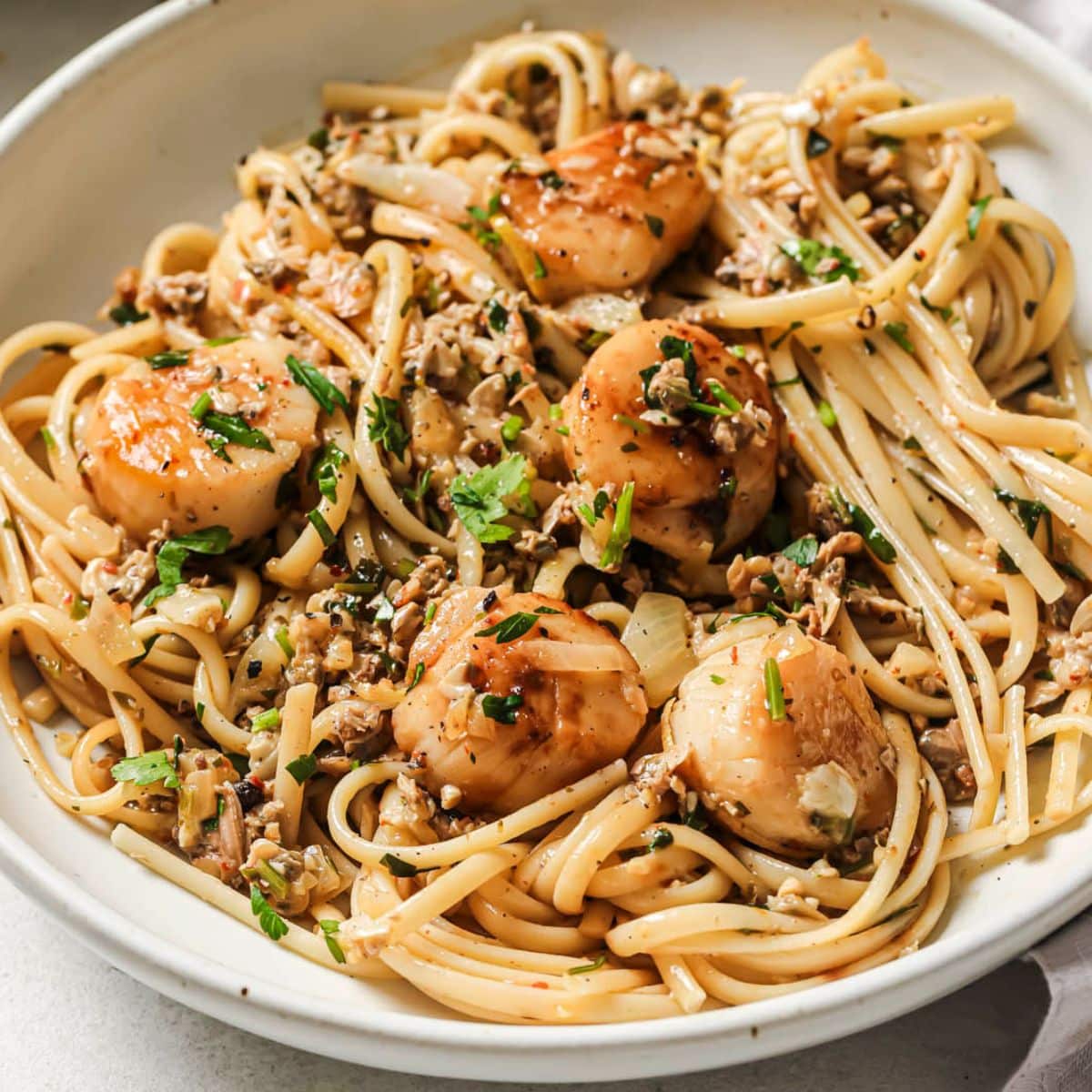
- Clam sauce – light and savory
Each sauce gives linguine a unique flavor that suits different meals and moods.
Tips For Combining Pasta And Sauce
Use enough sauce to coat the pasta without drowning it. This keeps the flavors balanced.
Reserve some pasta water to mix with the sauce. It helps the sauce stick better to linguine.
- Toss linguine with sauce over low heat for a minute
- Add pasta water little by little if sauce is too thick
- Serve immediately for the best taste and texture
Credit: www.hellofresh.ca
Finishing Touches
Finishing your linguine pasta well makes a big difference in taste. Simple additions bring out fresh flavors.
Try adding herbs and cheese. Also, think about how you serve the pasta to enjoy it fully.
Adding Fresh Herbs And Cheese
Fresh herbs give your linguine a bright, fresh flavor. They add color and a nice aroma too.
Grated cheese adds creaminess and a salty kick. Use just enough to enhance the pasta.
- Basil adds a sweet and peppery taste
- Parsley gives a fresh and mild flavor
- Oregano offers a warm and slightly bitter note
- Parmesan or Pecorino Romano cheese works best
- Sprinkle herbs and cheese after draining the pasta
Serving Suggestions
How you serve linguine affects the whole meal experience. Keep it simple and neat on the plate.
Serve linguine with a side or topping that matches the sauce and herbs.
- Pair with garlic bread or a light salad
- Add cooked vegetables like cherry tomatoes or spinach
- Top with grilled chicken or shrimp for protein
- Use a wide shallow bowl to keep pasta warm
- Drizzle a little olive oil on top for shine
Troubleshooting Common Issues
Cooking linguine pasta seems simple, but small mistakes can spoil it. Common problems include overcooking, undercooking, and sticky pasta. Fixing these issues will make your pasta taste better.
Read these tips to solve the most frequent problems when cooking linguine. You can enjoy perfect pasta every time with easy fixes.
Overcooked Or Undercooked Pasta
Overcooked pasta is soft and mushy. Undercooked pasta is hard and chewy. Both affect taste and texture. Check pasta early to avoid these problems.
Test your pasta by tasting it a minute or two before the package time ends. It should be tender but still firm. This is called “al dente.”
- Boil water with enough salt before adding pasta.
- Stir pasta to stop it from sticking.
- Drain pasta when it feels firm but not hard.
- If overcooked, rinse with cold water to stop cooking.
- If undercooked, cook a little longer, testing often.
Sticky Or Clumpy Pasta Fixes
Sticky pasta sticks together and forms clumps. This happens when pasta cools or cooks without enough water. Use these tips to keep pasta separate and smooth.
Adding oil or rinsing pasta can help. Also, toss pasta with sauce right after draining. This stops it from sticking as it cools.
- Use a large pot with plenty of water.
- Stir pasta often during cooking.
- Do not add oil to boiling water; it stops sauce from sticking.
- Rinse pasta with warm water only if using in cold dishes.
- Toss pasta with sauce immediately after draining.
Credit: jz-eats.com
Frequently Asked Questions
How Long Does Linguine Pasta Take To Cook?
Linguine pasta typically takes 8 to 10 minutes to cook. Boil it in salted water until al dente. Check texture frequently to avoid overcooking. Drain and serve immediately for best taste and texture.
What Is The Best Water-to-pasta Ratio?
Use 4 to 6 quarts of water per pound of linguine. This prevents pasta from sticking and cooks it evenly. Adding salt to water enhances flavor. Stir occasionally during cooking to separate strands.
Should I Rinse Linguine After Cooking?
No, do not rinse linguine after cooking. Rinsing removes starch that helps sauce cling to pasta. Drain well and toss immediately with sauce for best results.
Can I Cook Linguine Pasta Without Salt?
Yes, but salted water improves pasta flavor. Without salt, linguine tastes bland. Adding about 1-2 tablespoons of salt per 4-6 quarts of water is ideal. It enhances the overall dish taste.
Conclusion
Cooking linguine pasta is simple and rewarding. Boil water with salt for better taste. Add pasta and cook until tender but firm. Drain well and toss with your favorite sauce. Practice helps you cook perfect pasta every time. Enjoy delicious meals made with fresh linguine easily.
Try different sauces to find what you like best. Cooking pasta at home saves money and feels great. Now, you are ready to make tasty linguine dishes often.