How to Cook Tagliatelle Pasta? Imagine the aroma of a freshly cooked pasta dish wafting through your kitchen. It’s the kind of meal that brings comfort and joy to both the cook and those lucky enough to share it.
If you’ve ever wondered how to create this magic at home, you’re in the right place. Cooking tagliatelle pasta is not just a culinary skill; it’s an art that transforms simple ingredients into a delightful dining experience. Whether you’re a seasoned chef or a kitchen novice, you’ll find that mastering this dish is easier than you might think.
Ready to impress your taste buds and those of your loved ones? Let’s dive into the step-by-step process that will have you serving up perfect tagliatelle pasta in no time.
Choosing The Right Tagliatelle
Tagliatelle is a popular pasta shape that comes in different types and sizes. Picking the right one affects your dish’s texture and taste. Let’s explore how to choose the best tagliatelle for your cooking.
Two main factors to consider are whether the tagliatelle is fresh or dry and the size and thickness of the pasta. Both affect cooking time and sauce pairing.
Fresh Vs. Dry Tagliatelle
Fresh tagliatelle is soft and cooks quickly. It has a delicate texture and absorbs sauces well. Dry tagliatelle lasts longer and has a firmer bite after cooking.
- Fresh Tagliatelle:Made with eggs and flour, cooks in 2–4 minutes.
- Dry Tagliatelle:Made with semolina and water, cooks in 7–9 minutes.
- Storage:Fresh needs refrigeration, dry can stay on shelves.
- Flavor:Fresh tastes richer, dry has a neutral flavor.
Size And Thickness Matters
Tagliatelle comes in different widths and thicknesses. These features change the cooking time and how the pasta holds sauce. Thicker pasta needs longer cooking. Wider ribbons pair well with heavy sauces.
| Width | Thickness | Best Sauce Type | Cooking Time |
|---|---|---|---|
| 6 mm (standard) | Thin | Light cream, tomato sauces | 4–5 minutes |
| 8 mm | Medium | Meat, mushroom sauces | 6–7 minutes |
| 10 mm | Thick | Rich ragù, heavy cream | 8–10 minutes |

Credit: www.177milkstreet.com
Preparing The Cooking Water
Cooking tagliatelle pasta needs the right water preparation. Good water helps the pasta cook evenly and taste great.
Focus on water amount, salt, and boiling to make your pasta perfect every time.
Ideal Water Quantity
Use plenty of water to give the pasta space to cook. This stops it from sticking together.
A good rule is to use four to six quarts of water for every pound of pasta.
- More water cools less when pasta is added
- Enough water helps pasta cook evenly
- Too little water can make pasta sticky
Salt And Its Importance
Add salt to the water to improve the pasta’s flavor. It also raises the boiling point slightly.
Use about one to two tablespoons of salt per four to six quarts of water.
- Salt seasons the pasta from inside
- Do not add salt before water boils
- Use coarse salt for easy measuring
Bringing Water To Boil
Bring the water to a rolling boil before adding pasta. This keeps the pasta from getting mushy.
Wait until the water bubbles strongly and steam rises before adding salt and pasta.
- Use a large pot for fast boiling
- Cover pot to speed up boiling
- Remove lid once boiling to prevent overflow
Cooking Tagliatelle Properly
Tagliatelle is a type of pasta that cooks quickly and tastes best when done right. Proper cooking helps keep its texture firm and delicious.
Follow simple tips to cook tagliatelle pasta perfectly every time.
Adding Pasta To Water
Start by boiling a large pot of water. Use plenty of water so pasta cooks evenly.
Once the water is boiling rapidly, gently add the tagliatelle pasta. Adding pasta too early can cause it to become mushy.
Stirring Tips To Prevent Sticking
Stir the pasta soon after adding it to the boiling water. This stops the strands from sticking together.
Keep stirring occasionally during cooking. Use a large spoon or pasta fork to separate the noodles.
- Stir immediately after adding pasta
- Stir every 1-2 minutes while cooking
- Use a gentle motion to avoid breaking pasta
Cooking Time Guidelines
Check the tagliatelle package for the recommended cooking time. Usually, fresh tagliatelle cooks faster than dried pasta.
Test the pasta by tasting a strand. It should be soft but still firm in the center, known as al dente.
- Fresh tagliatelle: 2-4 minutes
- Dried tagliatelle: 7-9 minutes
- Drain immediately to stop cooking
Testing Pasta For Doneness
Cooking tagliatelle pasta to the right texture is important. You want it to be firm but not hard.
Testing pasta during cooking helps you get the perfect bite. It stops the pasta from becoming mushy.
Al Dente Texture
Al dente means the pasta is cooked but still firm in the center. It has a slight bite without being raw.
- Boil the pasta in salted water as the package suggests.
- Start testing the pasta 2 minutes before the time ends.
- Take one piece out and bite it gently.
- Check if the center feels firm but not crunchy.
- If it is too hard, cook for 30 seconds more and test again.
Taste And Texture Checks
| Test | What to Look For | Action |
| Bite Test | Firm in the center, no raw taste | Cook more if too hard |
| Appearance | Pasta looks slightly swollen, not dry | Keep cooking if dry |
| Texture Test | Soft outside, slight resistance inside | Stop cooking if texture is right |
Draining And Serving
Cooking tagliatelle pasta well means knowing when and how to drain it. The pasta should be drained just right to keep its texture. Saving pasta water helps make the sauce taste better.
Combining the pasta with sauce is the last step. This mix makes the dish tasty and full of flavor. Let’s look at the details for these steps.
When And How To Drain
Drain tagliatelle when it is cooked but still firm to the bite. This is called “al dente.” Use a colander to drain the water carefully.
Do not rinse the pasta with water. Rinsing removes the starch that helps sauce stick. Drain quickly to keep the pasta warm and ready.
Saving Pasta Water For Sauce
Save some pasta water before draining. The water has starch that makes the sauce creamy. Add a little to the sauce to improve its texture.
- Use a cup to scoop pasta water before draining.
- Add water slowly to the sauce to reach the right consistency.
- Do not add too much water to avoid a thin sauce.
Combining With Sauce
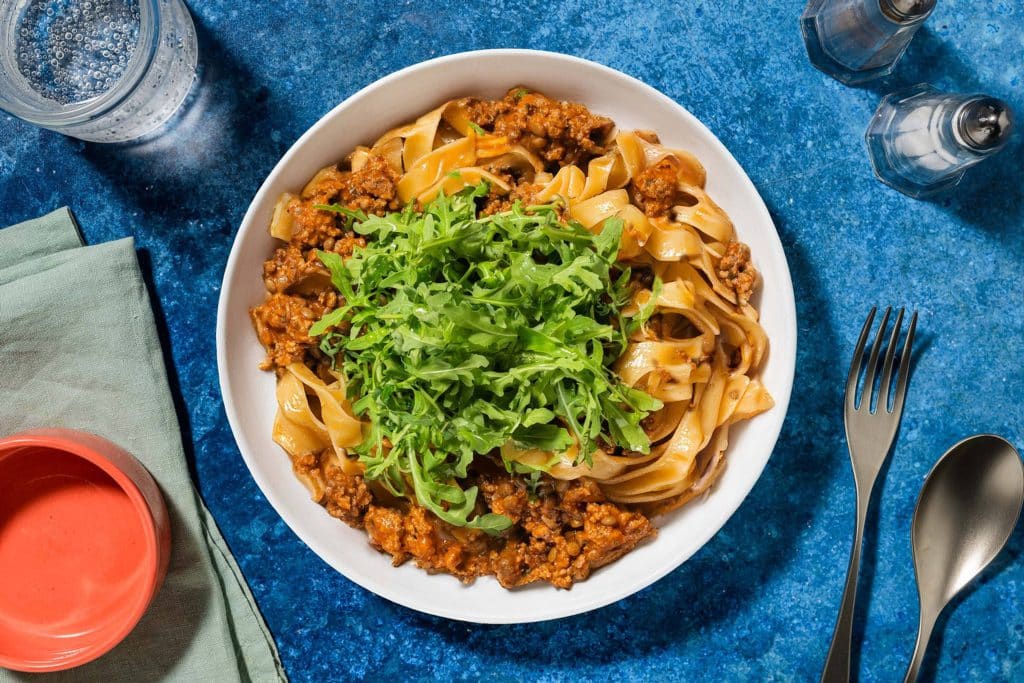
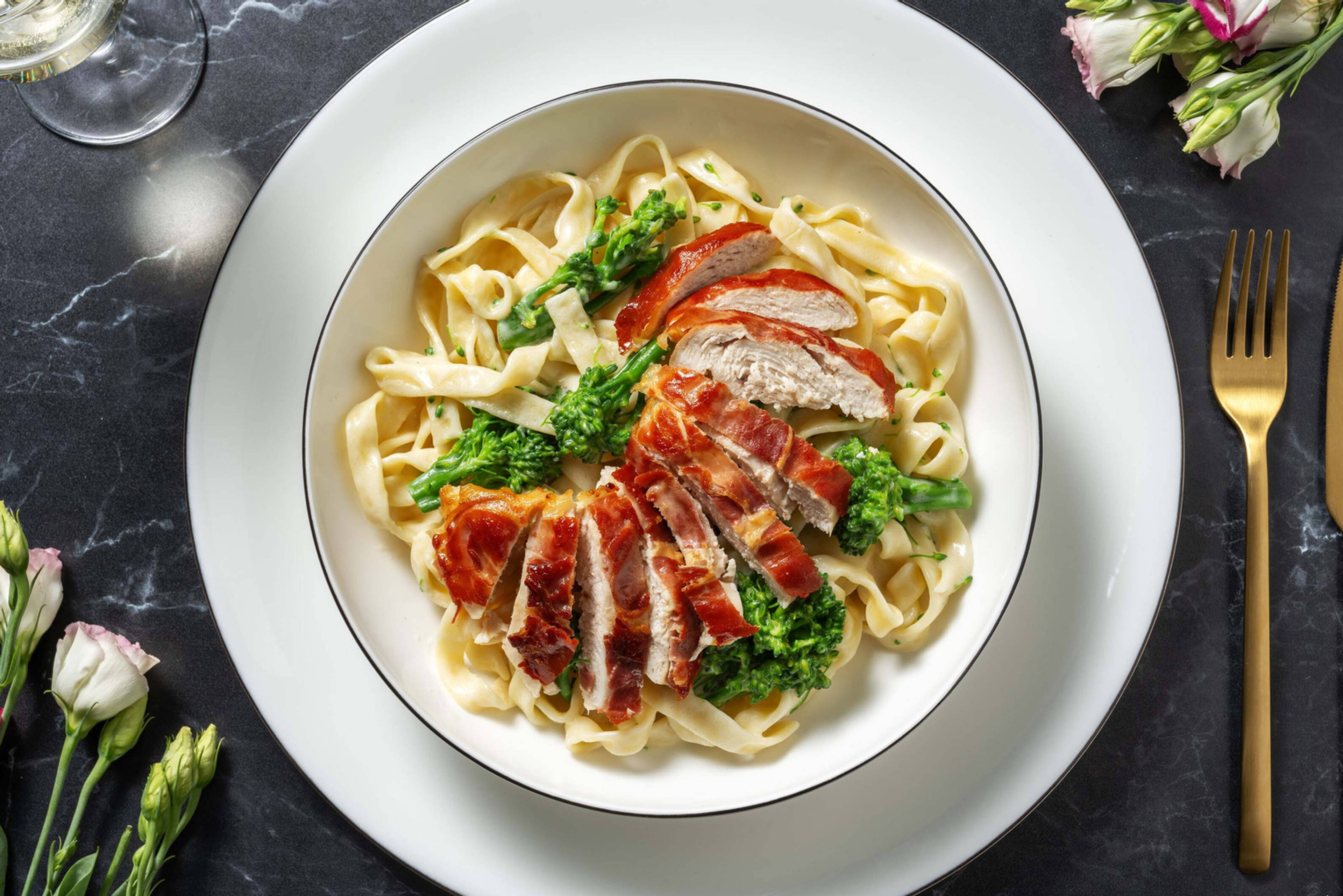
After draining, add the tagliatelle to the sauce pan. Toss the pasta gently with the sauce to coat all strands evenly.
Add saved pasta water if the sauce is too thick. Heat the mixture for a minute to blend flavors well. Serve immediately to enjoy the best taste.
Credit: www.hellofresh.co.uk
Tips For Perfect Tagliatelle
Cooking tagliatelle pasta well makes your meal taste better. It is a simple process but needs care.
These tips will help you cook tagliatelle that is tasty and has the right texture.
Avoiding Overcooking
Overcooked tagliatelle becomes soft and sticky. It loses its shape and flavor.
Cook the pasta until it is just tender but still firm. This is called “al dente.”
- Use plenty of boiling water to cook the pasta.
- Stir the pasta gently during cooking to stop sticking.
- Check pasta a minute before the package time ends.
- Drain the pasta quickly and do not rinse it.
Enhancing Flavor
Adding salt to the water helps bring out the pasta’s natural taste.
Mix tagliatelle with sauces right after cooking to absorb flavors well.
- Add a pinch of salt to boiling water before adding pasta.
- Use fresh herbs or grated cheese to top the pasta.
- Mix pasta with sauce while still warm for better taste.
- Reserve some pasta water to adjust sauce thickness.
Storing And Reheating
Store leftover tagliatelle in an airtight container in the fridge. Use within two days.
Reheat pasta gently to keep it from drying out or becoming mushy.
- Coat pasta with a little olive oil before storing.
- Reheat in a pan with a splash of water or sauce.
- Avoid microwaving too long to keep texture firm.
- Stir pasta during reheating for even heat.
Credit: www.hellofresh.co.uk
Frequently Asked Questions
What Is The Best Way To Cook Tagliatelle Pasta?
Boil tagliatelle in salted water for 2-4 minutes until al dente. Stir occasionally to prevent sticking. Drain and toss with sauce immediately for best flavor.
Can I Cook Tagliatelle Pasta From Frozen?
Yes, cook frozen tagliatelle directly in boiling water. Add 1-2 minutes extra cooking time. Stir gently and check texture to avoid overcooking.
How Do I Know When Tagliatelle Pasta Is Done?
Taste a strand after 2 minutes of boiling. It should be tender but firm to bite. Avoid overcooking to maintain texture and flavor.
Should I Use Salted Water For Cooking Tagliatelle?
Yes, always add salt to boiling water before cooking. Salt enhances pasta flavor and prevents blandness. Use about 1 tablespoon per 4 quarts of water.
Conclusion
Cooking tagliatelle pasta is simple and rewarding. Boil water, add salt, and cook pasta until tender. Drain well to avoid sogginess. Pair with your favorite sauce for best taste. Fresh pasta cooks faster than dried. Serve immediately for the best texture.
Enjoy your meal with confidence and ease. Cooking pasta can be fun and satisfying. Try different sauces to find your favorite. Keep practicing, and you will improve quickly. Happy cooking!