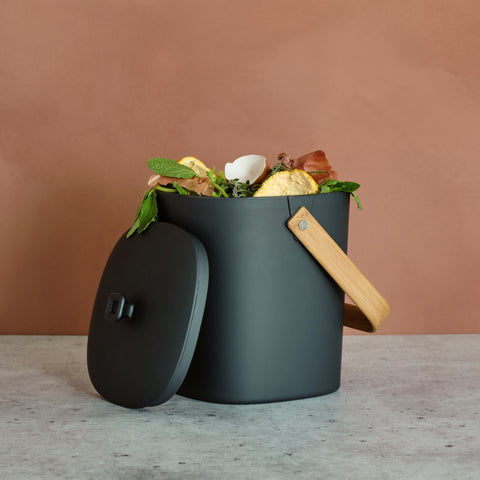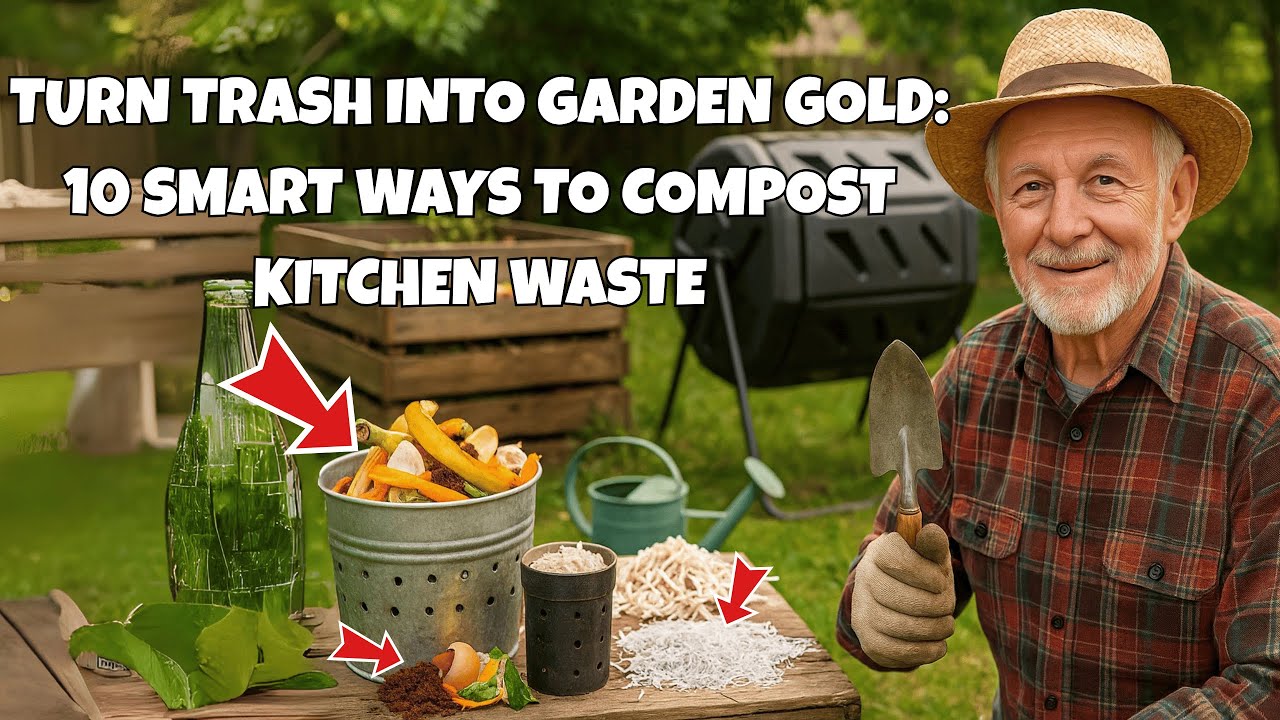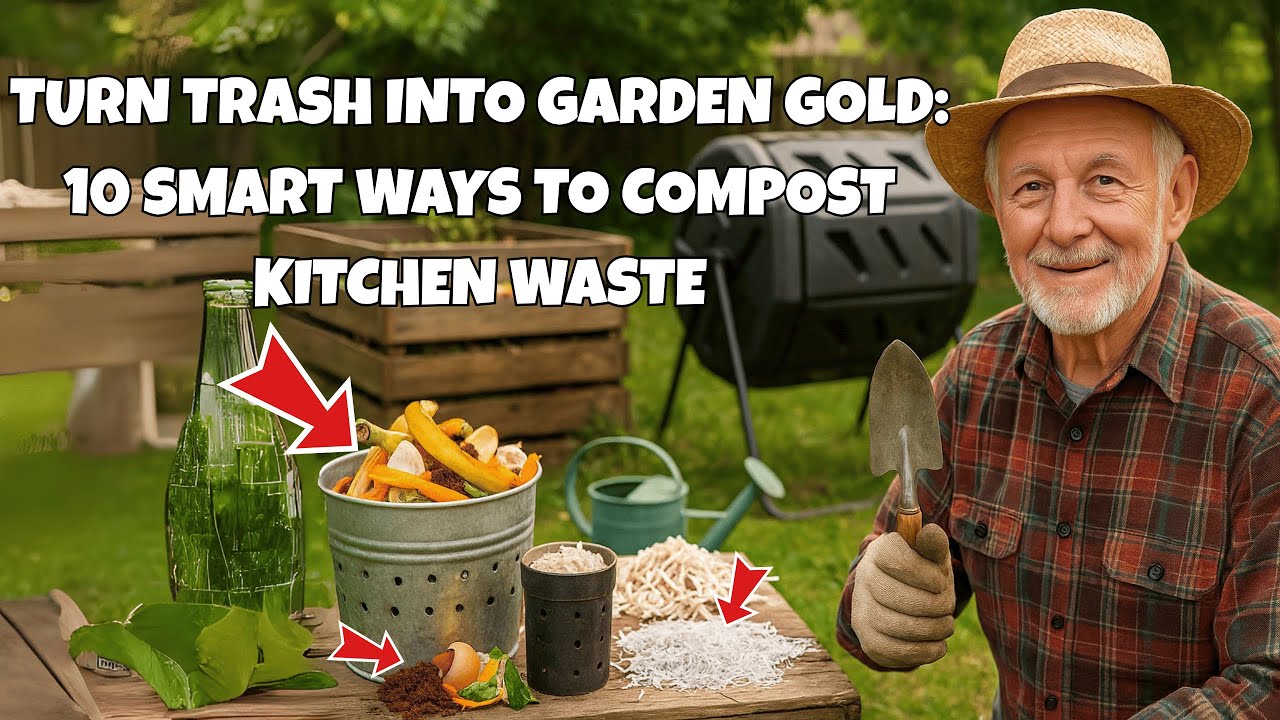
Are you tired of throwing away kitchen scraps every day? What if you could turn that waste into something valuable for your garden?
Learning How to Convert Kitchen Waste into Compost is easier than you think, and it can save you money while helping the environment. Imagine transforming peelings, coffee grounds, and leftovers into rich, dark soil that makes your plants thrive. You’ll discover simple steps to convert your kitchen waste into compost quickly and effectively.
Keep reading to unlock the secret to a greener home and garden!
Benefits Of Composting Kitchen Waste
Composting kitchen waste helps reduce the amount of trash sent to landfills. It turns food scraps into valuable material for plants.
This simple process supports a cleaner environment and helps gardens grow healthy and strong.
Reducing Household Waste
Composting cuts down the waste your household produces every day. Instead of throwing away food scraps, you reuse them.
- Less garbage to manage and pay for
- Fewer odors and pests from rotting waste
- Lower carbon footprint by reducing landfill use
Enriching Soil Naturally
Compost adds nutrients to soil without chemicals. It improves soil texture and helps plants absorb water better.
| Benefit | Effect on Soil |
| Increases Nutrients | Helps plants grow strong |
| Improves Drainage | Prevents water logging |
| Boosts Microbes | Supports healthy soil life |
Supporting Sustainable Living
Composting is a simple way to live sustainably. It lowers waste and helps the environment stay healthy.
Benefits of sustainable composting include:
- Reducing greenhouse gases
- Saving natural resources
- Encouraging eco-friendly habits
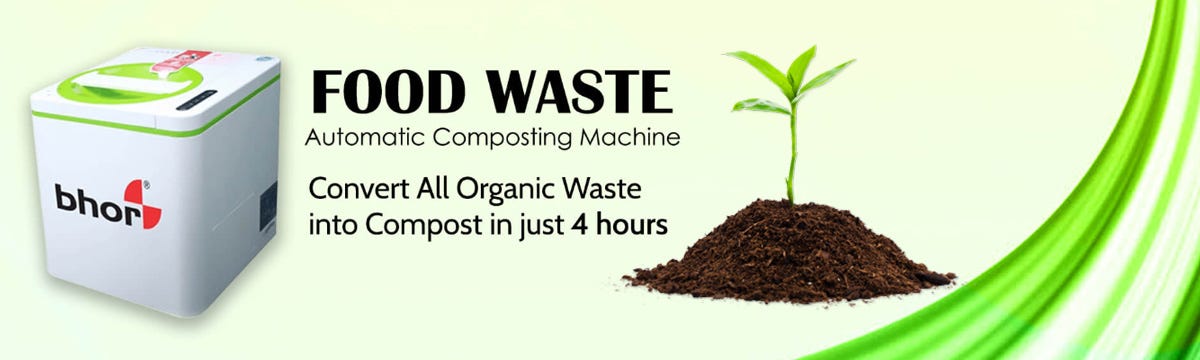
Credit: medium.com
Choosing The Right Composting Method
Turning kitchen waste into compost helps reduce trash and enrich soil. Different composting methods suit different spaces and needs.
This guide explains indoor, outdoor, and worm-based composting. You can pick what fits your lifestyle best.
Indoor Composting Options
Indoor composting works well if you have limited outdoor space. It uses small bins or containers to break down waste inside your home.
- Use a sealed container to avoid smells
- Add kitchen scraps like fruit peels and coffee grounds
- Turn the compost often to speed decomposition
- Keep the compost moist but not wet
Outdoor Composting Techniques
Outdoor composting needs more space. It is good if you have a garden or yard. You can use compost bins or piles.
| Technique | Space Needed | Time to Compost |
| Compost Bin | Small to Medium | 2 to 6 months |
| Compost Pile | Medium to Large | 3 to 12 months |
| Rotating Tumbler | Small to Medium | 1 to 3 months |
Vermicomposting With Worms
Vermicomposting uses worms to turn food scraps into rich compost. It is good for indoor use and small spaces.
- Use a worm bin with bedding like shredded paper
- Feed worms fruit and vegetable scraps only
- Keep the bin in a cool, dark place
- Harvest worm castings every few months
Preparing Kitchen Waste For Compost
Composting kitchen waste turns scraps into healthy soil. It helps reduce trash and supports plants.
Getting your kitchen waste ready is important. Proper preparation speeds up the composting process.
Types Of Waste To Include
Use kitchen scraps that break down easily. These provide nutrients to the compost.
- Fruit and vegetable peels and scraps
- Used coffee grounds and tea bags
- Eggshells, crushed into small pieces
- Leftover grains and bread (without mold)
- Nut shells (except walnut shells)
Materials To Avoid
Some items slow compost or cause bad smells. Avoid putting these in your compost bin.
- Meat, fish, and dairy products
- Oils and greasy foods
- Pet waste or litter
- Diseased plants or weeds with seeds
- Plastic, glass, or metal pieces
Chopping And Balancing Greens And Browns
Chop kitchen scraps into small pieces to help them break down faster. Mix wet and dry materials well.
Greens are wet and rich in nitrogen. Browns are dry and full of carbon. Balance them for good compost.
- Greens: fruit scraps, vegetable peels, coffee grounds
- Browns: dried leaves, paper towels, small cardboard pieces
- Use about two parts browns to one part greens
- Chop bigger items into small pieces before adding
Setting Up Your Compost Bin
Turning kitchen waste into compost helps reduce trash and feeds your garden. Setting up a compost bin is the first step. It needs the right container, place, and care.
This guide shows how to select the best bin, find a good spot, and layer materials correctly for good compost.
Selecting A Compost Container
Choose a container that holds waste and lets air in. It should be easy to turn and keep pests out. You can use plastic bins, wooden boxes, or metal containers.
- Size: At least 3 feet wide, deep, and tall for proper composting
- Material: Durable and weather-resistant
- Ventilation: Holes or slats for airflow
- Access: Removable lid or door to add and turn compost
- Drainage: Holes at bottom to avoid water build-up
Ideal Location For Composting
Pick a dry, shaded spot outside. The location should drain well and be near your kitchen for easy waste dropping. Avoid places that flood or get very hot.
| Condition | Why It Matters |
| Shaded area | Keeps compost from drying out |
| Near kitchen | Makes adding waste easy |
| Good drainage | Prevents waterlogging |
| Protected from wind | Stops compost from drying too fast |
Layering And Moisture Control
Layer dry and wet kitchen waste to help compost break down. Keep the pile moist like a wrung-out sponge. Too wet or dry slows the process.
- Start with coarse materials like small branches or straw for airflow
- Add a layer of green waste like vegetable scraps or coffee grounds
- Cover with brown waste like dry leaves or shredded paper
- Repeat layers until bin is full
- Water lightly if the pile feels dry
- Turn the compost weekly to add air and speed up decay
Maintaining The Compost Pile
Proper care keeps your compost pile healthy and active. Regular attention helps break down kitchen waste faster. This guide shows how to maintain your compost well.
Good maintenance includes turning the pile, managing smells and pests, and checking temperature and moisture. These steps create the best conditions for composting.
Turning And Aerating
Turning the compost adds air to the pile. Oxygen helps microbes break down waste faster. Use a garden fork or compost aerator tool.
- Turn the pile every 3 to 5 days to mix materials.
- Move outer parts to the center and vice versa.
- Break up clumps to let air reach all areas.
- Check for dry spots and moisten if needed.
- Keep turning until compost looks dark and crumbly.
Managing Odors And Pests
Bad smells and pests mean something is wrong. Usually, smells come from too much wet or green material. Pests like fruit flies or rodents can also appear.
- Cover fresh food scraps with dry leaves or shredded paper.
- Avoid adding meat, dairy, or oily foods to the pile.
- Keep the compost moist but not wet to prevent smells.
- Use a compost bin with a lid to keep pests out.
- Turn the pile often to reduce odors and discourage pests.
Monitoring Temperature And Moisture
Temperature and moisture control help microbes work well. Ideal temperatures kill harmful bacteria and speed composting. Moisture must be just right.
| Temperature Range | Moisture Level | Effect |
| 130°F - 160°F (54°C - 71°C) | 40% - 60% | Best for fast breakdown and pathogen kill |
| Below 100°F (38°C) | Too dry or too wet | Slow composting and odor problems |
| Above 160°F (71°C) | Too hot | Kills helpful microbes, slows process |
Check temperature with a compost thermometer. Feel the pile to test moisture. Add water if dry and turn if too wet. Keep conditions steady for good results.
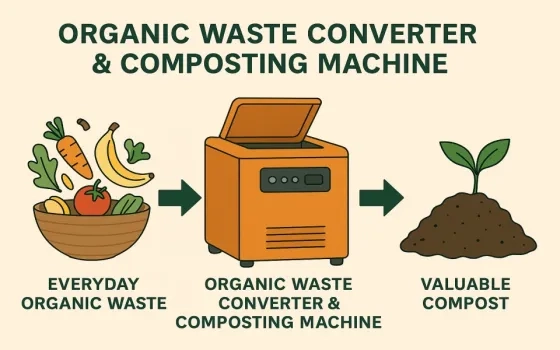
Credit: community.nasscom.in
Harvesting And Using Compost
Turning kitchen waste into compost helps enrich your garden soil. Harvesting and using compost correctly improves plant growth.
Learn how to identify finished compost, use it in your garden, and store it properly for best results.
Identifying Finished Compost
Finished compost looks dark and crumbly. It smells like earth and has no food scraps or large pieces.
- Color: dark brown or black
- Texture: crumbly and soft
- Smell: fresh, like soil
- No visible food or waste parts
- Temperature: cool to touch
How To Use Compost In Your Garden
Compost adds nutrients and improves soil structure. Use it to feed plants and help soil hold water.
| Use | How to Apply | Best Time |
| Soil amendment | Mix compost into garden soil | Before planting |
| Mulching | Spread on top around plants | Any season |
| Potting mix | Mix with soil for containers | When repotting |
| Lawn top dressing | Spread thin layer on grass | Spring or fall |
Storing Compost Properly
Keep compost dry and aerated. Store it in a shaded, well-ventilated place to keep quality.
- Use a covered bin or container
- Turn compost regularly to add air
- Keep compost moist but not wet
- Protect from heavy rain and direct sun
- Store away from pests and animals
Troubleshooting Common Compost Issues
Composting kitchen waste is simple but sometimes problems happen. These issues slow down the process or cause bad smells. You can fix most problems with easy steps.
Here are some tips to solve common compost troubles. This guide helps you keep your compost healthy and working well.
Fixing Slow Decomposition
Compost breaks down slowly if conditions are not right. Lack of air, moisture, or the wrong mix can cause this. You need balance to speed up the process.
- Turn the compost pile often to add air.
- Check moisture: it should feel like a damp sponge.
- Add brown materials like dry leaves or paper for balance.
- Chop kitchen scraps into small pieces before adding.
- Keep compost pile size moderate for better heat.
Handling Bad Smells
Bad odors come from too much moisture or lack of air. Smelly compost can attract pests and be unpleasant.
| Cause | Fix |
| Too wet | Add dry brown materials and turn the pile |
| Poor air flow | Mix compost and add bulky materials |
| Too much food waste | Balance with brown materials like leaves |
| Meat or dairy added | Remove these items immediately |
Dealing With Unwanted Pests
Pests come to compost when food scraps are exposed or the pile is too wet. They can be bugs, rodents, or flies.
- Cover fresh scraps with dry leaves or soil.
- Avoid adding meat, dairy, or oily foods.
- Keep the compost moist but not soggy.
- Use a closed compost bin if pests are a big problem.
- Turn the compost regularly to keep it hot and less inviting to pests.
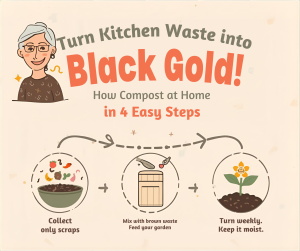
Credit: canadale.ca
Frequently Asked Questions
What Kitchen Waste Can Be Composted Effectively?
Most fruit and vegetable scraps, coffee grounds, eggshells, and tea bags compost well. Avoid meat, dairy, and oily foods as they attract pests and cause odor issues.
How Long Does Kitchen Waste Take To Turn Into Compost?
Kitchen waste typically takes 2 to 6 months to fully decompose into compost. The time varies based on temperature, moisture, and how often you turn the pile.
Can I Compost Citrus And Onion Scraps Safely?
Yes, citrus and onion scraps can be composted in small amounts. Too much may slow decomposition or affect beneficial microbes, so balance with other kitchen waste.
What Is The Best Composting Method For Kitchen Scraps?
Using a compost bin or worm composting (vermicomposting) is ideal for kitchen scraps. These methods control odor, speed up decomposition, and produce nutrient-rich compost efficiently.
Conclusion
Turning kitchen waste into compost is simple and rewarding. It reduces waste and enriches your garden. Start small with a compost bin or pile. Use fruit peels, vegetable scraps, and coffee grounds. Mix and turn regularly for best results. Avoid meat and dairy to prevent odors.
Patience is key; composting takes time. Enjoy the benefits of homemade compost. Your plants will thrive with this natural fertilizer. Composting also helps the environment. Less waste in landfills means a healthier planet. Try it today and see the difference in your garden!
For a visual walkthrough of multiple beginner-friendly methods for composting kitchen scraps, including small-space options, watch this helpful video:
http://www.youtube.com/watch?v=hOg2llGNpuE