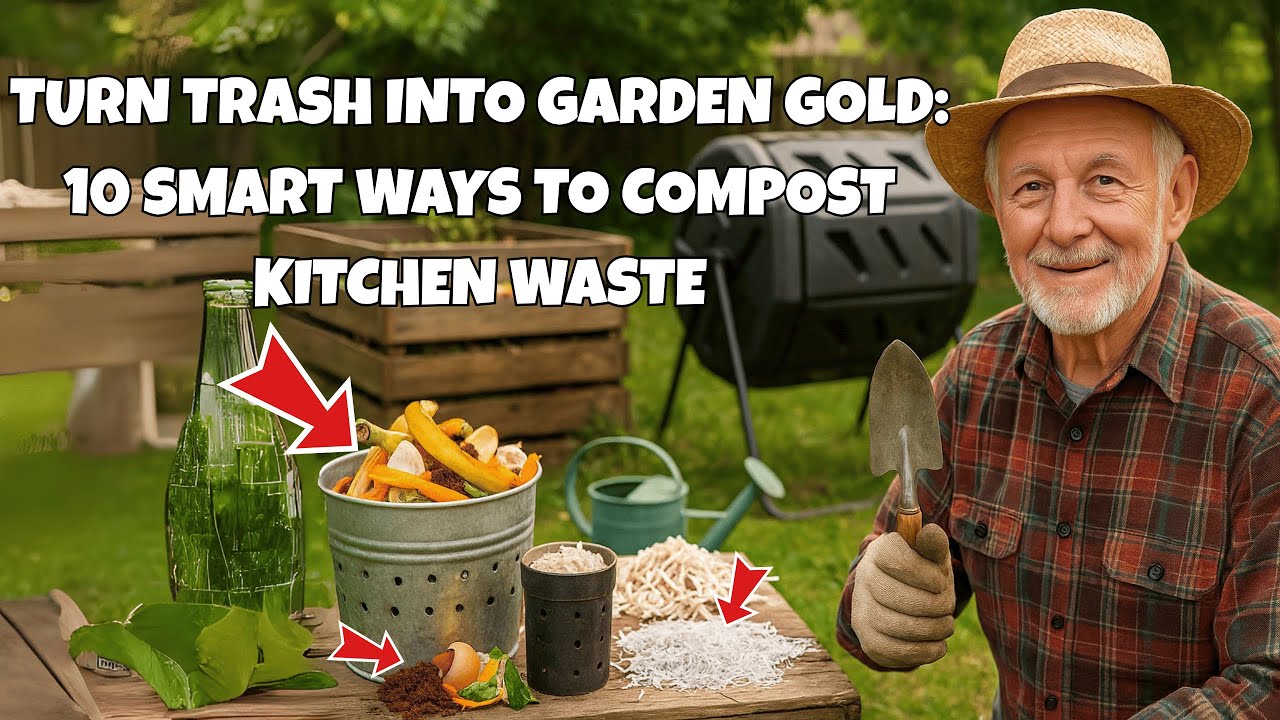
How to Compost Kitchen Waste: Have you ever wondered what happens to all the food scraps and leftovers from your kitchen? Instead of tossing them in the trash, you can turn your kitchen waste into something valuable—nutrient-rich compost for your garden.
Composting not only reduces waste but also helps your plants grow healthier and stronger. You’ll discover simple, practical steps to start composting your kitchen waste today. By the end, you’ll have everything you need to transform scraps into black gold right at home.
Ready to make a positive change that benefits both your wallet and the environment? Let’s dive in!
Benefits Of Composting Kitchen Waste
Composting kitchen waste turns food scraps into useful soil. It helps reduce trash and supports healthy plants.
This process benefits the environment and your garden. It is easy to start and saves money.
Reducing Household Waste
Composting cuts down the amount of garbage sent to landfills. Food scraps make up a large part of household waste.
By composting, you reduce trash bags and lower waste disposal costs. It also keeps your home cleaner.
Enriching Garden Soil
Compost adds nutrients to the soil. It improves soil texture and helps plants grow strong.
Using compost reduces the need for chemical fertilizers. It keeps your garden healthy and natural.
Lowering Carbon Footprint
Composting kitchen waste lowers greenhouse gases from landfills. It helps reduce harmful carbon emissions.
Compost stores carbon in the soil. This process supports cleaner air and fights climate change.
Choosing The Right Composting Method
Composting kitchen waste helps reduce trash and creates useful soil. Picking the right composting method depends on your space and needs.
Some methods work well indoors, while others suit outdoor areas. Worm composting is also a popular choice for small spaces.
Indoor Composting Options
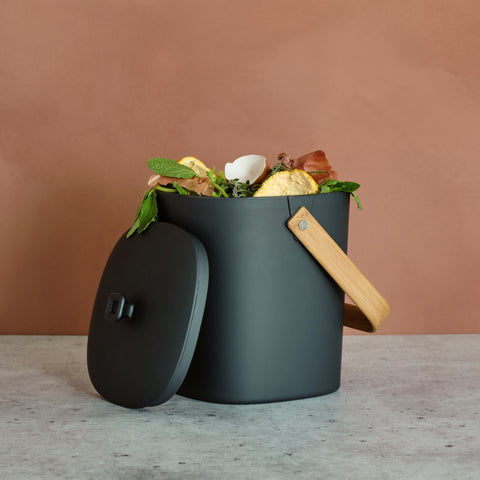
Indoor composting lets you recycle food scraps inside your home. It works well in apartments or places without a yard.
Use small bins with lids to keep odors away. Add kitchen scraps like fruit peels and coffee grounds. Avoid meat and dairy to prevent pests.
- Use a compost bin or bokashi system
- Keep the bin in a cool, dry spot
- Turn the compost often to add air
- Balance green (wet) and brown (dry) materials
Outdoor Composting Techniques
Outdoor composting works well if you have a garden or yard. You can compost larger amounts of kitchen waste and garden debris.
Build or buy a compost pile or bin. Place it on bare soil for good drainage. Turn the pile regularly to speed up decomposition.
- Use a compost bin, tumbler, or open pile
- Mix kitchen scraps with leaves, straw, or paper
- Keep the pile moist but not too wet
- Turn every 1-2 weeks for faster compost
Vermicomposting With Worms
Vermicomposting uses worms to break down kitchen waste quickly. It is good for small spaces and produces rich compost.
Red wigglers are the best worms for composting. Use a shallow bin with holes for air and drainage. Feed worms fruit and vegetable scraps.
- Choose a worm bin with bedding like shredded paper
- Keep the bin in a cool, dark place
- Feed worms small amounts regularly
- Harvest worm castings every few months
Preparing Kitchen Waste For Composting
Composting kitchen waste helps reduce trash and creates healthy soil. It starts with preparing the waste properly. This makes the compost process faster and cleaner.
Sorting and cutting kitchen scraps can improve how well they break down. Knowing what to compost and what to avoid is important.
Types Of Compostable Kitchen Waste
Many kitchen scraps can go into the compost bin. These items add nutrients and moisture to the pile. Choose fresh or dried scraps that break down easily.
- Fruit peels and scraps (banana, apple, orange)
- Vegetable scraps (carrot tops, potato skins, lettuce)
- Coffee grounds and tea bags (without plastic)
- Eggshells, crushed into small pieces
- Nut shells (except walnut shells, which can be toxic)
- Leftover cooked grains and bread (in small amounts)
Avoiding Non-compostable Items
Some kitchen waste does not break down well or attracts pests. Avoid adding these to your compost bin. They can cause bad smells or slow composting.
- Meat, fish, and bones
- Dairy products like cheese and milk
- Oils, grease, and sauces
- Plastic, glass, and metal packaging
- Diseased or chemically treated plants
- Pet waste and cat litter
Chopping And Layering Waste
Cutting kitchen scraps into small pieces helps them break down faster. Mixing wet and dry materials keeps the compost balanced. Layering waste improves air flow and moisture.
- Chop large scraps into small pieces
- Mix green (wet) waste with brown (dry) waste
- Start with a layer of coarse materials like twigs
- Add chopped kitchen scraps in thin layers
- Cover wet scraps with dry leaves or paper
- Turn compost regularly to add air
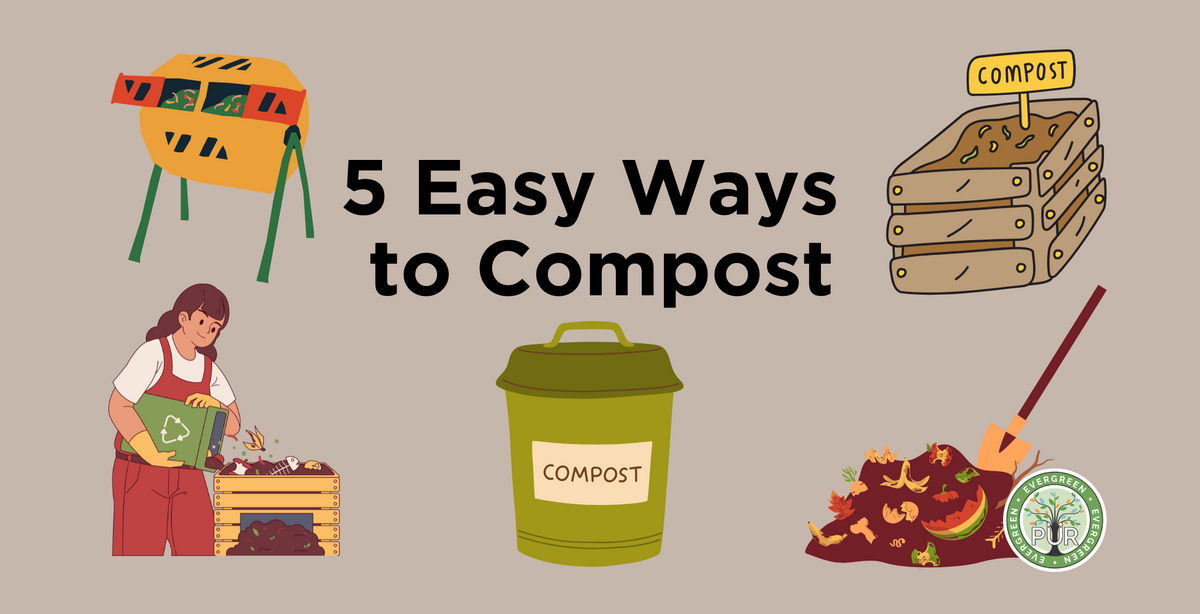
Credit: purevergreen.com
Maintaining Your Compost Pile
Keeping your compost pile healthy needs care and attention. Proper maintenance helps waste break down fast and well. This guide shows easy ways to care for your compost pile.
Focus on balancing materials, turning the pile, and managing moisture. These steps create a good environment for composting kitchen waste.
Balancing Green And Brown Materials
Your compost needs a mix of green and brown materials. Greens are wet and rich in nitrogen. Browns are dry and full of carbon. Both are important for good compost.
- Green materials: vegetable scraps, coffee grounds, fresh grass clippings
- Brown materials: dry leaves, shredded paper, cardboard, straw
- Use about two parts brown to one part green for best results
- Too many greens make the pile smell bad
- Too many browns slow down decomposition
Turning And Aerating Compost
Turning your compost adds air to help microbes work faster. It stops the pile from getting smelly or wet. Use a garden fork or compost turner to mix the pile.
- Turn the pile every 1 to 2 weeks
- Mix the outer parts into the center
- Break up clumps and wet spots
- Check if the pile feels warm inside
Managing Moisture Levels
Your compost should feel like a damp sponge. Too dry or too wet slows the process. Watch the moisture and fix it as needed.
| Condition | What to Do |
| Too dry | Add water little by little and turn the pile |
| Too wet | Add more brown materials and turn to dry it out |
| Just right | Keep turning and check moisture weekly |
Harvesting And Using Finished Compost
Finished compost is rich, dark, and smells like soil. It helps plants grow strong and healthy. Learning how to identify, apply, and store compost keeps your garden thriving.
Using compost correctly saves money and reduces waste. Let's look at how to tell when compost is ready, how to use it in gardens, and how to store it safely.
Identifying Ready Compost
Ready compost looks crumbly and dark brown. It has a fresh, earthy smell. You should not see food scraps or large pieces of material in it.
- The texture is soft and moist but not wet.
- It feels warm or cool, not hot.
- It has a uniform color, usually dark brown or black.
- There is no strong odor or signs of mold.
- It breaks apart easily when squeezed.
Applying Compost In Gardens
Compost improves soil by adding nutrients and helping water retention. You can spread it on flower beds, vegetable patches, or lawns.
- Remove weeds and debris from the garden area.
- Spread 1 to 3 inches of compost evenly over the soil surface.
- Mix compost into the top 6 to 8 inches of soil with a garden fork or tiller.
- Water the area gently after applying compost.
- Use compost as mulch to protect plants and keep soil moist.
Storing Compost Safely
Store finished compost in a dry, shaded place to keep it healthy and ready to use. Cover it to protect from rain and pests.
| Storage Tip | Reason |
|---|---|
| Keep compost off the ground on pallets | Prevents moisture buildup and pests |
| Cover compost with a tarp or lid | Keeps compost dry and stops nutrient loss |
| Store in a shaded area | Prevents overheating and dries out compost |
| Turn compost occasionally | Maintains airflow and stops bad smells |

Credit: www.familyhandyman.com
Troubleshooting Common Issues
Composting kitchen waste is easy but sometimes problems happen. These issues can slow down the process or cause bad smells.
Use this guide to fix common problems and keep your compost healthy and working well.
Dealing With Odors
Bad smells usually mean your compost is too wet or lacks air. These problems stop good bacteria from working.
- Turn the compost often to add air.
- Add dry materials like leaves or paper if it is too wet.
- Do not put meat or oily foods in the compost.
- Make sure the compost pile is covered to keep rain out.
Preventing Pests
Pests come to compost if food scraps are exposed or the compost is too wet. They can slow decomposition and spread waste.
| Cause | Solution |
| Uncovered food scraps | Cover scraps with dry leaves or soil |
| Too much fruit or sugary waste | Balance with brown materials like paper |
| Compost pile too wet | Turn pile and add dry materials |
| Large pieces of food | Cut scraps into smaller bits |
Fixing Slow Decomposition
Slow composting happens when the mix has the wrong balance of materials or lacks moisture and air.
- Check the balance: Use about two parts brown materials for every one part green.
- Keep the pile moist like a damp sponge, not wet.
- Turn the pile every few days to add air.
- Chop scraps into small pieces to speed up breaking down.

Credit: www.youtube.com
Frequently Asked Questions
What Kitchen Waste Can I Compost At Home?
You can compost fruit peels, vegetable scraps, coffee grounds, eggshells, and tea bags. Avoid meat, dairy, and oily foods as they attract pests and slow composting.
How Long Does Kitchen Waste Take To Compost?
Kitchen waste usually takes 2 to 6 months to compost fully. The duration depends on factors like temperature, moisture, and aeration.
Can I Compost Cooked Food Scraps Safely?
Avoid composting cooked food scraps because they attract pests and cause odors. Instead, use raw vegetable and fruit scraps for best results.
How Do I Maintain My Kitchen Compost Bin?
Keep your bin moist but not wet. Turn or stir the compost every week to add oxygen and speed up decomposition.
Conclusion
Composting kitchen waste is simple and rewarding. It reduces landfill waste and enriches soil. Start with fruit, vegetable scraps, and eggshells. Avoid meat and dairy for best results. Turn your pile regularly to speed up decomposition. Keep it moist but not soggy.
Soon, you'll have rich compost ready for your garden. This practice is great for the environment and your plants. Begin your compost journey today for a greener tomorrow. It’s easy, beneficial, and makes a difference. Happy composting!