Your kitchen sponge might seem like just a simple tool for washing dishes, but it can be a breeding ground for unpleasant odors and harmful bacteria. Have you ever noticed that funky smell when you reach for your sponge?
You’re not alone. Many people experience this issue, and it’s more than just an annoyance—it’s a potential health hazard. But don’t worry! Keeping your kitchen sponge fresh and clean doesn’t have to be a daunting task. You’ll discover simple and effective ways to banish those nasty smells and ensure your sponge is as hygienic as possible.
Say goodbye to odors and hello to a fresher, cleaner kitchen experience. Ready to dive in? Let’s get started!
Credit: www.thekitchn.com
Causes Of Sponge Odors
Kitchen sponges often smell bad after some use. This happens because they hold dirt and moisture. Understanding why sponges smell helps keep them clean.
Sponges provide a perfect place for germs to grow. Food bits and wetness make the smell worse. Let’s look at the main causes of sponge odors.
Bacterial Growth
Bacteria multiply quickly on kitchen sponges. They eat leftover food and produce smelly waste. Warm and wet sponges are perfect for bacteria to live.
Some bacteria can cause bad smells and spread germs. Cleaning sponges often can reduce these bacteria and keep odors away.
Food Residue
Small food pieces get trapped inside sponges. These bits rot over time and cause bad odors. Grease and sauces are especially hard to clean out.
Removing food residue by rinsing well after use helps stop smells. Using sponges only for certain tasks can also reduce trapped food.
Moisture Retention
Sponges stay wet for a long time after use. This moisture keeps bacteria alive and growing. A dry sponge does not smell as bad.
Leaving sponges in a dry place helps them dry faster. Squeezing out water after use also lowers the chance of bad smells.
Daily Sponge Care
Keeping your kitchen sponge clean is important to avoid bad smells. Daily care helps stop germs and bacteria from growing.
Simple habits can keep your sponge fresh and safe to use every day. Follow these tips to care for your sponge properly.
Rinsing And Squeezing
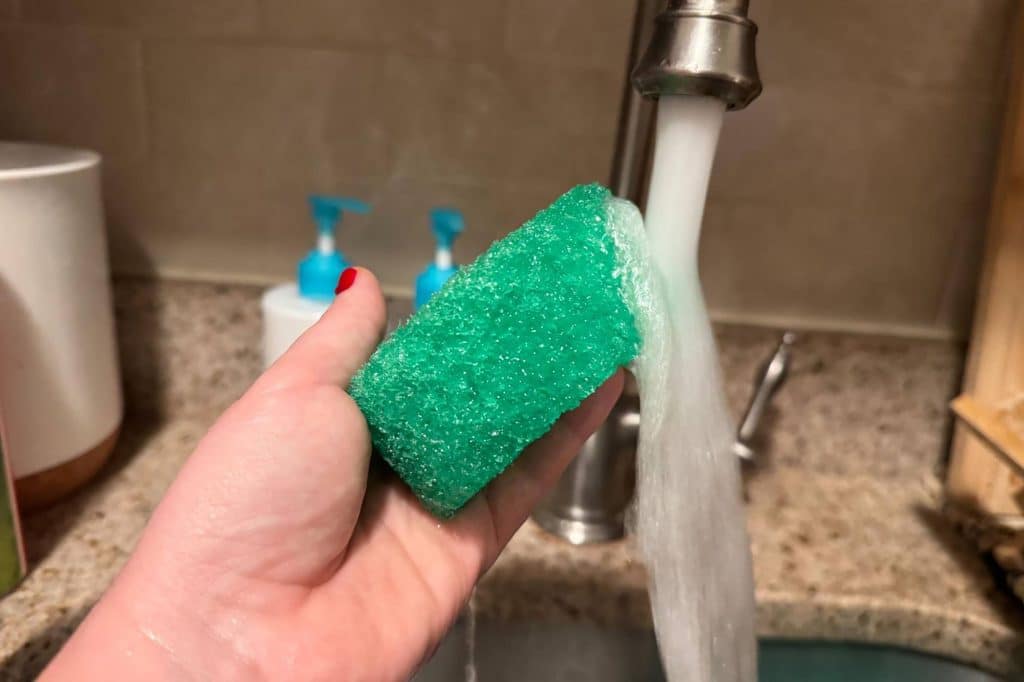
After each use, rinse your sponge well under hot water. This removes food particles and soap residue. Then squeeze out all the water to keep it dry.
- Hold the sponge under hot running water.
- Rub it to remove leftover food.
- Squeeze the sponge firmly to remove water.
- Repeat if the sponge still feels wet.
Proper Storage
Store your sponge where it can dry quickly. Avoid leaving it in a wet sink or dark place. Good air flow helps stop bacteria growth.
- Use a sponge holder with drainage holes.
- Keep the sponge off the sink surface.
- Place it in a sunny spot if possible.
- Allow the sponge to air dry fully between uses.
Regular Replacement
Even with good care, sponges wear out and collect germs. Replace your sponge often to keep your kitchen clean and safe.
| Replacement Frequency | Reason |
|---|---|
| Every 1-2 weeks | Prevent bacteria buildup and bad smells |
| After cleaning raw meat | Avoid cross-contamination |
| If sponge smells bad or falls apart | It is no longer effective or safe |
Effective Cleaning Methods
Kitchen sponges often smell bad because they hold bacteria and food particles. Cleaning them regularly helps remove germs and odors.
There are easy ways to clean sponges using common household items. These methods keep your sponge fresh and safe to use.
Microwave Sanitizing
Microwaving a wet sponge kills most bacteria inside. The heat disinfects the sponge quickly and easily.
Make sure the sponge is wet before placing it in the microwave. Heat it on high for two minutes, then let it cool down before use.
Boiling Technique
Boiling a sponge in water is a simple way to clean it deeply. The hot water kills germs and removes smells.
Place the sponge in boiling water for five minutes. Remove it carefully and squeeze out excess water before using again.
Dishwasher Cleaning
Cleaning sponges in the dishwasher is an easy, hands-free option. The hot water and soap clean and sanitize the sponge.
Place the sponge on the top rack of the dishwasher. Run a full cycle with the hottest water setting for best results.
Bleach Soak
Soaking sponges in bleach kills bacteria and removes strong odors. Use a safe bleach solution for this process.
Mix one tablespoon of bleach with one cup of water. Soak the sponge for five minutes, then rinse well with clean water.
Credit: www.thekitchn.com
Natural Cleaning Alternatives
Kitchen sponges can hold lots of germs and smells. Cleaning them naturally keeps them fresh without harsh chemicals.
Here are some easy and natural ways to clean smelly kitchen sponges using vinegar, baking soda, and lemon juice.
Vinegar Soak
Vinegar kills bacteria and removes odors from sponges. It is a simple and effective way to freshen your sponge.
To use vinegar soak:
- Fill a bowl with equal parts white vinegar and water.
- Place the sponge in the bowl and let it soak for 5 minutes.
- Rinse the sponge thoroughly with clean water.
- Squeeze out excess water and let the sponge air dry.
Baking Soda Scrub
Baking soda is a natural deodorizer and mild abrasive. It helps remove grime and bad smells from sponges.
| What You Need | How to Use |
| 1 tablespoon baking soda | Sprinkle baking soda on the wet sponge |
| Water | Rub the sponge to scrub away odors and dirt |
| Rinse the sponge well and dry it |
Lemon Juice Treatment
Lemon juice has natural acids that clean and freshen sponges. It also leaves a pleasant citrus scent.
- Mix lemon juice with water in a bowl.
- Soak the sponge in the mixture for 10 minutes.
- Rinse the sponge with clean water.
- Allow the sponge to air dry completely.
Preventing Future Odors
Kitchen sponges often develop bad smells from moisture and bacteria. Taking steps to keep sponges dry and clean stops odors before they start.
Using different types of sponges and regular care also helps keep your kitchen fresh. Below are ways to prevent smelly sponges.
Drying Strategies
Drying your sponge properly is the easiest way to stop smells. Wet sponges hold bacteria that cause odor.
- After use, rinse sponge well and squeeze out all water
- Place sponge in a dry, well-ventilated spot
- Use a sponge holder that allows air to flow around it
- Avoid leaving sponges in sinks or closed containers
- Replace sponges often if they stay damp too long
Using Sponge Alternatives
Some sponge types resist odors better. Switching to these can reduce smell problems.
| Alternative | Benefits |
| Silicone Sponges | Dries quickly, easy to clean, less bacteria |
| Microfiber Cloths | Machine washable, dries fast, reusable |
| Natural Fiber Sponges | Biodegradable, less odor if dried well |
Routine Maintenance Tips
Regular cleaning keeps sponges fresh and odor-free. Follow these simple steps often.
- Sanitize sponges weekly by microwaving damp sponge for one minute
- Soak sponges in vinegar or lemon juice to kill bacteria
- Wash microfiber cloths in hot water after use
- Replace sponges every two weeks or if smell persists
- Keep sponges separate from dishcloths to avoid cross-contamination
Credit: www.thekitchn.com
Frequently Asked Questions
How Often Should I Clean Kitchen Sponges?
Clean kitchen sponges every 2-3 days to prevent bacteria buildup. Frequent cleaning helps maintain hygiene and extends sponge life. Regular sanitization reduces unpleasant odors and harmful germs.
What Is The Best Method To Clean Smelly Sponges?
Microwaving damp sponges for 1-2 minutes kills bacteria effectively. Alternatively, soak them in vinegar or bleach solution for 5 minutes. These methods eliminate odors and sanitize sponges thoroughly.
Can I Use A Dishwasher To Clean Kitchen Sponges?
Yes, placing sponges on the dishwasher’s top rack with detergent cleans and sanitizes them well. Use the hottest cycle to kill germs and remove odors safely.
Why Do Kitchen Sponges Smell Bad Quickly?
Kitchen sponges harbor bacteria, food particles, and moisture, causing bad smells. Poor drying conditions and infrequent cleaning accelerate odor development and contamination.
Conclusion
Keeping your kitchen sponge fresh is simple and important. Clean it often with hot water or vinegar. Replace sponges every few weeks to avoid germs. A clean sponge helps keep your kitchen safe and smells good. Small steps make a big difference in kitchen hygiene.
Start caring for your sponge today for a healthier home.