

Your kitchen dish sponge works hard every day, but it can also harbor harmful bacteria if not cleaned properly. You might be surprised to learn that a dirty sponge can spread germs instead of cleaning them.
This guide on How to Clean Kitchen Dish Sponges shows you simple, effective methods to keep them fresh and hygienic. From microwave and dishwasher techniques to natural cleaning solutions, these tips will help your sponges last longer, protect your kitchen, and make your daily cleaning routine safer and more efficient.

Credit: www.amazon.com
Why Clean Dish Sponges
Kitchen dish sponges help clean your dishes every day. They can hold dirt, germs, and bacteria over time.
Cleaning sponges keeps your kitchen safe and stops bad smells. It also helps your sponge last longer.
Health Risks Of Dirty Sponges
Dirty sponges can hold harmful germs like salmonella and E. coli. These germs can spread to your dishes and food.
Using a dirty sponge can cause food poisoning and stomach problems. It can also spread viruses and other bacteria.
- Germs grow fast in wet sponges
- Can spread illness in your kitchen
- May cause bad smells and stains
How Often To Clean Or Replace
Clean your dish sponge every few days to keep it safe. You can use hot water, bleach, or microwave it to kill germs.
Replace your sponge every one to two weeks. If it smells bad or breaks apart, throw it away right away.
- Clean sponges every 2-3 days
- Replace sponges every 1-2 weeks
- Throw away sponges that smell or fall apart
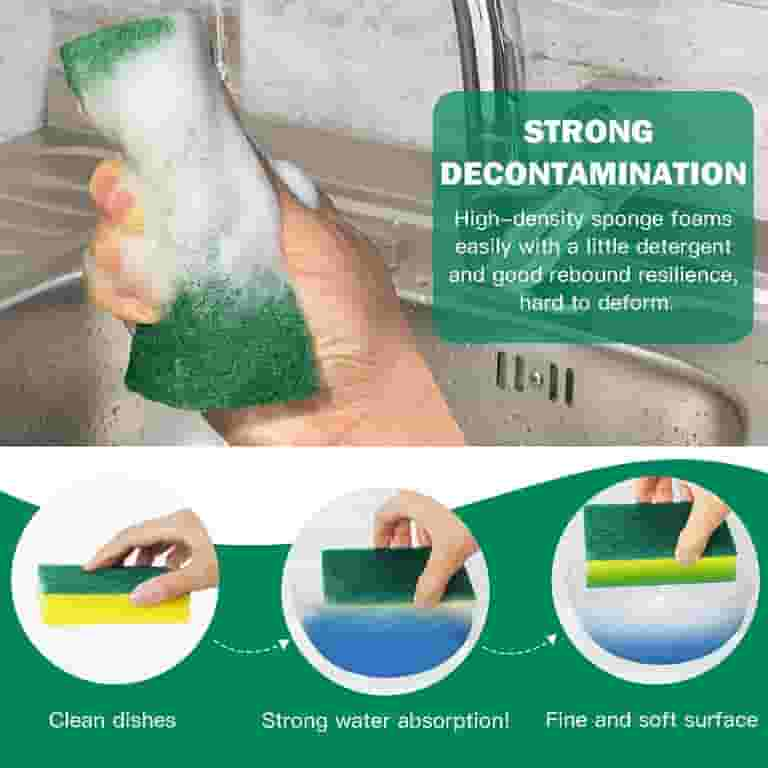
Credit: www.walmart.com
Common Cleaning Methods
Kitchen dish sponges can hold many germs. Cleaning them often helps keep your kitchen safe.
There are easy ways to clean sponges using items you already have at home.
Microwave Technique
Wet the sponge completely before microwaving. Dry sponges can catch fire.
Place the wet sponge in the microwave and heat it for two minutes. The heat kills many bacteria.
- Make sure the sponge is wet
- Use a microwave-safe plate
- Heat on high for two minutes
- Let it cool before touching
Dishwasher Cycle
Put the sponge on the top rack of your dishwasher. Run a full wash cycle with hot water.
The dishwasher's heat and detergent clean and disinfect the sponge well.
- Place sponge on top rack
- Use normal dishwasher detergent
- Run a hot water cycle
- Remove and air dry after washing
Boiling Water Method
Boil a pot of water. Put the sponge in the boiling water for five minutes.
This method kills germs by using high heat and steam from the boiling water.
- Boil enough water to cover the sponge
- Submerge sponge for five minutes
- Use tongs to remove it safely
- Let the sponge dry fully before use
Natural Cleaning Solutions
Kitchen dish sponges can hold many germs after use. Cleaning them often helps keep your kitchen healthy. Natural cleaning solutions use simple ingredients you may already have.
These natural methods are safe and effective. They remove dirt, odors, and bacteria from your sponges without harsh chemicals.
Vinegar Soak
Vinegar is a natural disinfectant that kills many types of bacteria. Soaking your sponge in vinegar helps clean it deeply.
Use plain white vinegar and soak the sponge for at least 5 minutes. Then rinse it well with water and let it dry.
- Fill a bowl with white vinegar
- Place the sponge in the vinegar
- Let it soak for 5 to 10 minutes
- Rinse the sponge under running water
- Allow the sponge to air dry completely
Baking Soda Scrub
Baking soda gently scrubs away dirt and neutralizes odors. It also helps remove stains from your sponge.
Sprinkle baking soda on your wet sponge and scrub it well. Rinse it under warm water to wash away the baking soda and grime.
- Wet the sponge with water
- Sprinkle baking soda on the sponge surface
- Rub the sponge against itself to scrub
- Rinse thoroughly with warm water
- Squeeze out excess water and dry
Lemon Juice Rinse
Lemon juice has natural antibacterial properties and a fresh scent. It helps remove odors and light stains from sponges.
Rinse your sponge with lemon juice or soak it briefly. After rinsing, let the sponge dry in sunlight for extra freshness.
- Squeeze fresh lemon juice into a bowl
- Dip the sponge into the lemon juice
- Soak for 2 to 3 minutes
- Rinse the sponge with clean water
- Dry the sponge in direct sunlight
Quick Daily Maintenance Tips
Keeping kitchen dish sponges clean helps stop germs from spreading. Simple daily care can make your sponge last longer.
Use quick routines like rinsing, drying, and storing sponges right after use. These small steps keep them fresher.
Rinsing And Squeezing
After washing dishes, rinse the sponge well with hot water. This removes leftover food and soap.
Squeeze the sponge firmly to get rid of extra water. A drier sponge stops bacteria from growing fast.
Air Drying Properly
Let your sponge dry in a place with good air flow. Avoid leaving it in a damp sink or closed container.
- Place sponge on a rack or holder that lets air pass through.
- Keep it away from other wet items.
- Allow it to dry fully before next use.
Storing Sponges Safely
| Storage Method | Reason |
|---|---|
| Use a sponge holder with drainage holes | Prevents water pooling and mold growth |
| Keep sponge away from kitchen counters | Reduces contact with germs and dirt |
| Replace sponge every 1 to 2 weeks | Maintains hygiene and prevents odor |
Signs To Replace Your Sponge
Kitchen dish sponges get dirty fast. They can hold germs and bacteria. It is important to know when to replace them.
Using a worn-out sponge can spread germs instead of cleaning. Watch for these signs to keep your kitchen safe and clean.
Persistent Odors
If your sponge smells bad even after cleaning, it is time to replace it. Bad smells mean bacteria and mold are growing inside.
Rinsing and drying sponges helps, but some odors do not go away. A smelly sponge can make your dishes dirty.
Visible Wear And Tear
Look for holes, tears, or frayed edges on your sponge. These signs show the sponge is breaking down and not working well.
A damaged sponge can trap food and germs. It may also scratch your dishes or surfaces.
- Holes in the sponge
- Loose or torn fibers
- Crumbled or falling apart pieces
Reduced Cleaning Effectiveness
If your sponge does not clean as well as before, it needs to be replaced. A worn sponge will not remove grease and food properly.
Test your sponge by wiping a dirty plate. If dirt stays, your sponge is losing its power to clean.

Credit: tidyhere.com
Frequently Asked Questions
How Often Should I Clean Kitchen Dish Sponges?
You should clean kitchen sponges at least once a week. Regular cleaning prevents bacteria buildup and odors. Replace sponges every two to four weeks for best hygiene. Frequent cleaning ensures your sponge stays effective and safe to use.
What Is The Best Method To Disinfect Sponges?
Microwaving damp sponges for two minutes kills most bacteria effectively. Alternatively, soak sponges in a bleach solution for five minutes. Both methods sanitize sponges without damaging them. Always ensure the sponge is wet before microwaving to avoid fire hazards.
Can I Clean Dish Sponges In The Dishwasher?
Yes, you can clean sponges in the dishwasher. Place them on the top rack and run a hot cycle. The heat and detergent help eliminate germs. This method is easy and keeps your sponges fresh longer.
Is Vinegar Effective For Cleaning Kitchen Sponges?
Vinegar can help reduce bacteria on sponges but is less effective than bleach or microwaving. Soaking sponges in vinegar for 5-10 minutes helps deodorize and clean them. Vinegar is a natural, mild disinfectant suitable for routine cleaning.
Conclusion
Cleaning kitchen dish sponges keeps your kitchen healthy and fresh. Regular cleaning stops germs from growing. Use simple methods like microwaving or soaking in vinegar. Replace sponges often to avoid bad smells and bacteria buildup. A clean sponge helps dishes get truly clean.
Small steps make a big difference in kitchen hygiene. Keep your sponge clean, and your kitchen will feel safer and nicer. Easy habits lead to a cleaner home every day.


