
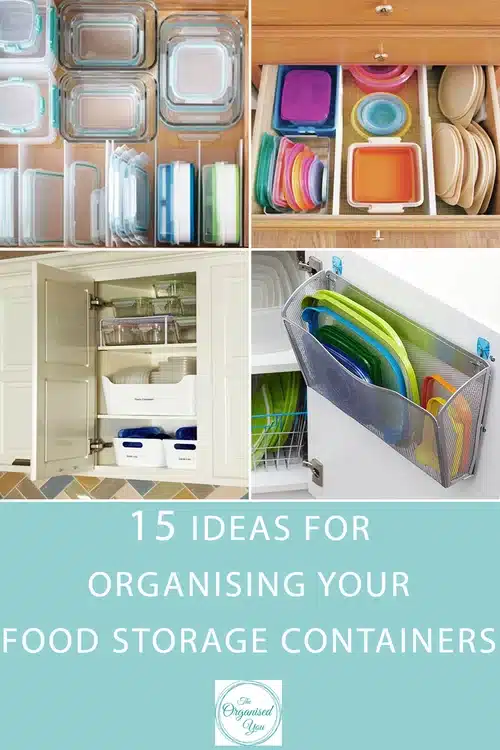
Are you tired of digging through cluttered shelves every time you need something in your kitchen? Imagine opening your cabinets and instantly finding exactly what you want—no frustration, no mess.
Learning how to arrange containers in your kitchen can transform your cooking space into a smooth, stress-free zone. You’ll discover simple, practical tips to organize your containers efficiently, saving you time and making your kitchen feel more inviting. Ready to take control of your kitchen chaos?
Let’s dive in and make your kitchen work for you.

Credit: www.hgtv.com
Choosing The Right Containers
Organizing your kitchen starts with picking the right containers. The right choice keeps your food fresh and your space tidy.
Consider the material, size, and design to make your kitchen storage efficient and easy to use.
Material Options
Containers come in many materials, each with benefits and drawbacks. Choose one that fits your needs and keeps food safe.
- Glass:Durable and does not stain or retain odors. Ideal for pantry and fridge storage.
- Plastic:Lightweight and affordable. Look for BPA-free options for food safety.
- Metal:Great for dry goods but not for liquids. Rust-resistant varieties last longer.
- Silicone:Flexible and heat-resistant. Good for freezer and microwave use.
Size And Shape Matters
Select container sizes that match what you store. Large containers hold bulk items, small ones fit spices or snacks.
| Container Size | Best Use | Tip |
| Small (under 500 ml) | Spices, nuts, small snacks | Choose clear lids to see contents easily |
| Medium (500 ml to 2 L) | Flour, sugar, grains | Use airtight seals for freshness |
| Large (over 2 L) | Bulk storage of cereals, pasta | Pick containers with wide openings |
Stackable Designs
Stackable containers save space and make your kitchen look neat. They keep items organized and easy to find.
Benefits of stackable containers:
- Maximize vertical storage space
- Prevent clutter by grouping similar items
- Easy to label and access
Maximizing Cabinet Space
Kitchen cabinets often have unused space that can hold more containers. Organizing containers well helps you store more items. It also keeps your kitchen neat and easy to use.
Using smart ways to arrange containers can free up space. Small changes can make a big difference in your kitchen's storage.
Using Vertical Space
Vertical space in cabinets is often wasted. Stack containers or use shelves to fill the height. This way, you can store more without clutter.
Try stacking containers with lids or use risers to create levels. It keeps containers visible and easy to reach.
- Stack containers of the same size
- Use shelf risers for extra layers
- Place taller containers at the back
- Keep frequently used containers at eye level
Adjustable Shelving Tips
Adjustable shelves let you change space to fit your containers. Move shelves higher or lower to fit tall or short containers.
Use smaller shelves for spices or small containers. Larger shelves work well for big containers or mixing bowls.
- Measure container heights before adjusting shelves
- Create different shelf heights for variety
- Keep heavy containers on lower shelves
- Leave space to easily grab containers
Pull-out Drawers And Baskets
Pull-out drawers and baskets make it easy to access containers in deep cabinets. They help you see everything without moving many items.
Use baskets to group similar containers. Pull-out drawers help keep things organized and save space by using the full depth.
- Install pull-out drawers for deep cabinets
- Use baskets to sort containers by type
- Label baskets to find containers fast
- Keep heavy containers in sturdy baskets
Organizing Pantry Containers
Keeping pantry containers organized makes your kitchen neat and easy to use. Proper arrangement helps you find ingredients quickly.
Using the right containers and methods can save space and reduce clutter in your pantry.
Labeling Techniques
Labels tell you what is inside each container at a glance. Clear labels prevent confusion and save time while cooking.
Use simple labels with the item name and expiration date. Choose easy-to-read fonts and waterproof labels for durability.
- Write item names in large letters
- Add expiration or purchase dates
- Use waterproof or laminated labels
- Place labels on the container lids or fronts
Grouping Similar Items
Grouping similar items together makes your pantry more organized. It helps you find what you need fast and keeps things tidy.
Sort containers by type like grains, spices, or baking supplies. Arrange them in sections on your shelves or in baskets.
- Group all baking ingredients in one area
- Keep grains and pasta together
- Place spices in a spice rack or basket
- Use baskets or bins to separate groups
Clear Vs. Opaque Containers
Clear containers let you see the contents easily. They help you check supplies without opening each container.
Opaque containers hide the contents but protect items from light. Use them for foods that spoil faster with light exposure.
- Choose clear containers for dry goods like rice and beans
- Use opaque containers for oils or spices sensitive to light
- Clear containers reduce waste by showing when food runs low
- Opaque containers keep food fresher longer in some cases

Credit: www.ikea.com
Utilizing Countertop And Wall Space
Organizing kitchen containers can save space and keep things neat. Using countertops and walls helps free up cabinets.
Smart storage ideas keep your kitchen easy to use and look tidy at the same time.
Magnetic And Hanging Containers
Magnetic containers stick to metal surfaces like the fridge or a metal backsplash. They keep spices and small items within reach.
Hanging containers use hooks or rails on walls. They save counter space and keep utensils handy.
- Use magnetic jars for spices and herbs
- Hang containers with hooks under shelves or on walls
- Choose clear containers to see contents easily
Tiered Stands And Racks
Tiered stands stack containers vertically. They save space and keep items visible. Use them on counters or inside cabinets.
Racks hold containers in rows. They help organize cans, jars, or bottles neatly.
- Place tiered stands for spices or snacks
- Use racks for canned goods or bottles
- Choose adjustable racks for flexible storage
Under-cabinet Storage
Under-cabinet storage uses the space below cabinets. It keeps counters clear and adds storage for small containers.
Use shelves, hooks, or racks attached under cabinets to hold jars, mugs, or kitchen tools.
- Install under-cabinet shelves for small containers
- Add hooks for mugs or utensils
- Use magnetic strips for knives or metal tools
Maintaining Container Organization
Keeping kitchen containers organized makes cooking easier and saves time. A tidy kitchen helps you find what you need fast.
Good container organization also keeps food fresh and reduces waste. Follow simple tips to maintain order in your kitchen.
Regular Decluttering
Remove old or unused containers often. This clears space and keeps only useful items.
Check for damaged lids or cracked containers and discard them. Keep your storage safe and clean.
- Sort containers by size and type
- Throw away broken or stained items
- Donate containers you no longer need
- Keep only containers with matching lids
Cleaning And Maintenance
Wash containers after each use to prevent stains and odors. Clean lids and seals carefully.
Dry containers fully before storing. Moisture can cause mold and bad smells.
- Use warm soapy water for cleaning
- Check for leftover food in corners
- Air dry containers upside down
- Clean shelves and storage areas regularly
Adapting To Changing Needs
Adjust your containers as your kitchen habits change. Add or remove containers based on your cooking style.
Organize containers to fit new kitchen layouts or storage spaces. Keep flexible storage solutions.
- Use stackable containers to save space
- Label containers for easy identification
- Switch to containers that fit your food types
- Rearrange containers to suit new shelves

Credit: enthrallinggumption.com
Frequently Asked Questions
What Is The Best Way To Organize Kitchen Containers?
The best way is to group containers by size and usage. Use clear, labeled containers for easy identification. Store frequently used items within reach and stack similar containers to save space.
How Can I Maximize Space Using Kitchen Containers?
Use stackable containers and uniform shapes to save space. Store containers with matching lids together. Utilize vertical storage like shelves or racks for better space management.
Which Containers Are Ideal For Kitchen Storage?
Opt for airtight, transparent containers made of glass or BPA-free plastic. These keep food fresh and allow easy content visibility. Choose containers in various sizes for different food types.
How Do I Keep Kitchen Containers Clean And Odor-free?
Wash containers with warm, soapy water after each use. Dry thoroughly before storing. For odors, use baking soda or lemon juice to freshen containers naturally.
Conclusion
Arranging kitchen containers can transform your cooking space. It makes everything neat. You find things faster. Less mess, more order. Stack similar shapes together. Use labels for easy identification. Keep daily use items close. Store rarely used items higher. Invest in quality storage solutions.
It saves time and effort. An organized kitchen feels more welcoming. Less stress, more joy in cooking. Start small, make changes gradually. Enjoy the new feel of your kitchen. It’s worth the effort. Happy organizing!


