Perfect Smoked Salmon: How Long to Cook Salmon in Smoker
Do you love the rich, smoky flavor of salmon fresh from the smoker? If you’ve ever wondered exactly how long to cook salmon in smoker to achieve that perfect blend of tenderness and taste, you're in the right place.
Whether you're hosting a backyard BBQ or simply treating yourself to a gourmet meal at home, getting the timing right is crucial. It’s the difference between a succulent, flavorful dish and a dry, disappointing one. Imagine serving a beautifully smoked salmon that melts in your mouth and impresses your guests.
Intrigued? Let’s dive into the secrets of achieving salmon perfection in your smoker.
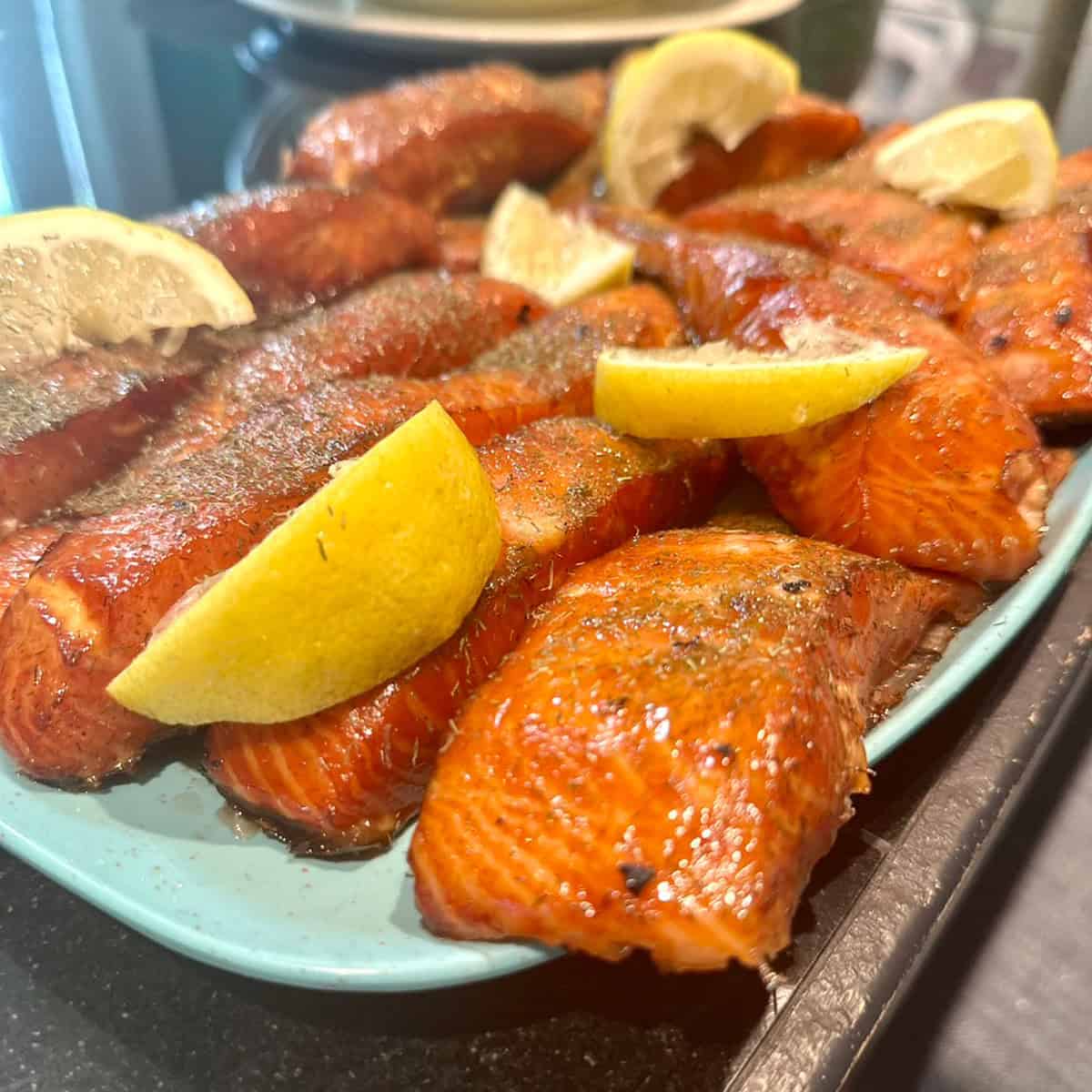
Credit: www.plattertalk.com
Choosing The Right Salmon
Cooking salmon in a smoker needs the right fish choice. The type and quality of salmon affect taste and cooking time.
Picking good salmon helps you get the best smoked flavor and texture. This guide helps you choose the right salmon for smoking.
Types Of Salmon For Smoking
There are several salmon types to smoke. Each has a different flavor and fat content. These differences change cooking times and results.
- King (Chinook): Rich, fatty, and soft texture
- Sockeye: Deep red color and strong flavor
- Coho: Mild flavor and medium fat
- Pink: Light flavor and lower fat
- Chum: Lean and firm texture
King salmon is best for rich, moist smoked fish. Sockeye works well for strong smoky taste. Choose based on your flavor preference.
Fresh Vs. Frozen Salmon
Fresh salmon gives the best flavor and texture. It cooks evenly and stays moist in the smoker.
Frozen salmon is okay if thawed properly. Avoid refreezing after thawing. Frozen fish may lose some moisture and taste.
- Fresh salmon: bright color, firm flesh
- Frozen salmon: thaw fully before smoking
- Do not use fish frozen for too long
- Check for off smells in both types
Size And Thickness Considerations
Salmon size and thickness change cooking time in the smoker. Thicker pieces take longer to cook through.
Small fillets or thin cuts need less time. Whole side or thick fillets need more time and gentle heat.
| Thickness | Approximate Smoking Time |
|---|---|
| 1 inch | 1 to 1.5 hours |
| 1.5 to 2 inches | 2 to 3 hours |
| Whole side (2+ inches) | 3 to 4 hours |
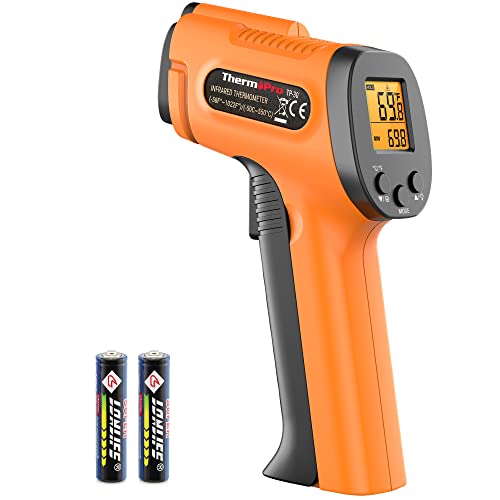
Use a food thermometer to check salmon is done. Aim for 145°F (63°C) inside for safety and best texture.
Preparing Salmon For Smoking
Preparing salmon well is key to tasty smoked fish. Cleaning, brining, and seasoning help the flavors soak in.
Good prep also keeps the fish moist and tender during smoking. Follow these steps for best results.
Cleaning And Trimming
Rinse the salmon under cold water to remove scales and dirt. Pat it dry with paper towels.
Trim off any fins and remove bones with tweezers. Cut off any dark or fatty parts if you want a milder taste.
Brining Techniques
Brining adds flavor and keeps the salmon moist during smoking. Use a saltwater solution for 4 to 8 hours.
- Mix 1/4 cup salt with 4 cups water
- Add sugar for a sweeter taste if desired
- Keep salmon fully submerged in brine
- Refrigerate while brining
Remove the salmon from the brine and pat dry before seasoning. Do not skip drying to get a good smoke ring.
Seasoning And Marinades
Seasoning adds extra flavor to your smoked salmon. Use simple spices or try marinades for variety.
- Salt and pepper are basic seasonings
- Use garlic powder, paprika, or dill for more taste
- Try a mix of soy sauce, honey, and lemon for a marinade
- Marinate for 30 minutes to 2 hours before smoking
Make sure not to over-season. The smoke flavor should still shine through.
Setting Up The Smoker
Cooking salmon in a smoker needs careful setup. Proper preparation helps the fish cook evenly and taste great.
Focus on choosing the right wood chips, setting the smoker temperature, and keeping the heat steady. These steps ensure perfect smoked salmon.
Choosing Wood Chips
Wood chips add flavor to the salmon. Pick mild woods that do not overpower the fish’s natural taste.
- Alder wood offers a light, sweet smoke.
- Applewood gives a fruity, mild flavor.
- Cherry wood adds a soft, sweet taste.
- Hickory is stronger and best used sparingly.
Ideal Smoker Temperature
Keep the smoker temperature steady for even cooking. The best range for salmon is low and slow.
| Temperature (°F) | Cooking Result |
| 175 - 200 | Perfectly smoked, tender salmon |
| 200 - 225 | Faster cooking but still moist |
| Below 175 | Longer cook time, mild smoke flavor |
Maintaining Consistent Heat
Consistent heat keeps the salmon cooking evenly. Check the smoker often and add fuel as needed.
Tips to maintain heat:
- Use a water pan to keep humidity and regulate temperature.
- Avoid opening the smoker door too often.
- Adjust vents slowly to control airflow and heat.
- Monitor temperature with a good smoker thermometer.
Credit: www.hungryhuy.com
Smoking Time Guidelines
Smoking salmon brings out rich flavors and a tender texture. The time needed to smoke salmon depends on thickness and the smoking method used.
Knowing the right smoking times helps avoid undercooked or dry fish. Use these guidelines to get perfect smoked salmon every time.
General Cooking Times By Thickness
Salmon cooks at different rates depending on how thick the fillet or steak is. Thicker pieces need longer smoking times to reach safe and tasty results.
| Thickness | Smoking Time (Hot Smoke at 225°F) |
| 1/2 inch (1.3 cm) | 30 to 45 minutes |
| 1 inch (2.5 cm) | 45 to 60 minutes |
| 1 1/2 inches (3.8 cm) | 60 to 90 minutes |
| 2 inches (5 cm) or thicker | 90 to 120 minutes |
Cold Smoking Vs. Hot Smoking
Cold smoking and hot smoking produce very different results. Cold smoking adds flavor without cooking the salmon. Hot smoking cooks and flavors the fish at the same time.
- Cold Smoking: Salmon is smoked at 70°F to 90°F for 6 to 24 hours.
- Hot Smoking: Salmon is smoked at 180°F to 225°F for 30 minutes to 2 hours.
- Cold smoking requires curing to keep salmon safe.
- Hot smoking results in fully cooked salmon ready to eat.
Using A Thermometer For Precision
A food thermometer ensures salmon is cooked safely and perfectly. The internal temperature shows when salmon is done smoking.
Check salmon temperature like this:
- Insert thermometer into the thickest part of the salmon.
- For hot smoked salmon, cook until it reaches 145°F (63°C).
- For cold smoked salmon, keep temperature below 90°F (32°C).
Checking Salmon Doneness
Cooking salmon in a smoker takes time and care. It is important to know when the fish is perfectly done.
Checking doneness helps keep the salmon moist and flavorful. Several ways show if it is ready to eat.
Visual Cues
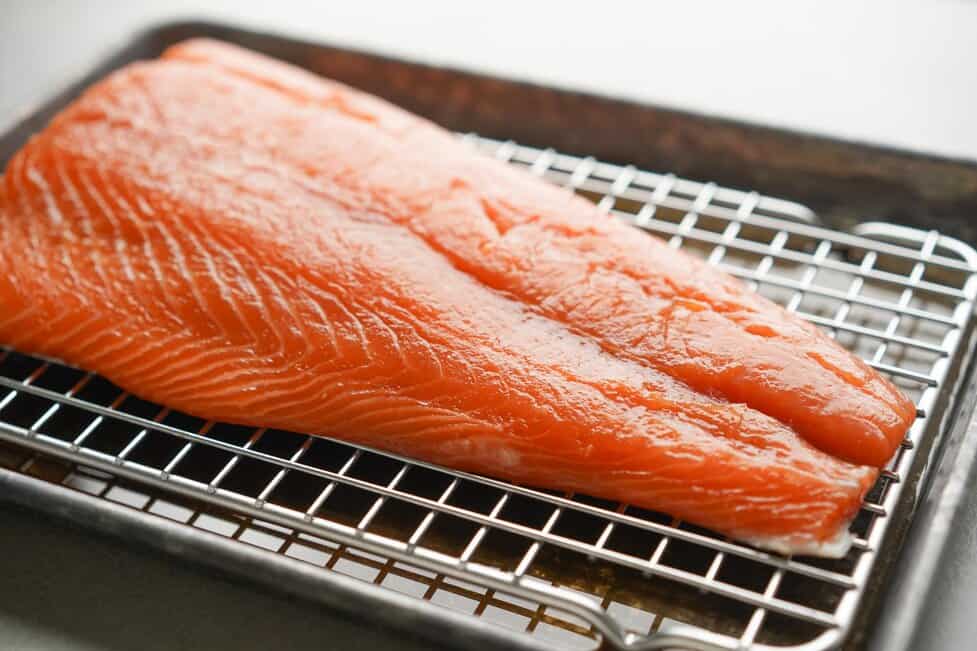
Look at the color of the salmon. Raw salmon is translucent and shiny. Cooked salmon turns light pink and opaque.
The edges start to look firmer and may pull away from the skin. The surface can have a slight crust from smoking.
- Color changes from translucent to light pink
- Edges firm and pull back from skin
- Surface may have a light crust
Internal Temperature Targets
Use a food thermometer to check salmon’s temperature. The safe internal temperature is 145°F (63°C).
Many people prefer salmon cooked to 125°F to 135°F for a moist, tender texture. Avoid overcooking.
- 145°F (63°C) is safe for eating
- 125°F to 135°F keeps salmon moist
- Check temperature near the thickest part
Texture And Flake Tests
Gently press the salmon with a fork or finger. Cooked salmon feels firm but still springs back slightly.
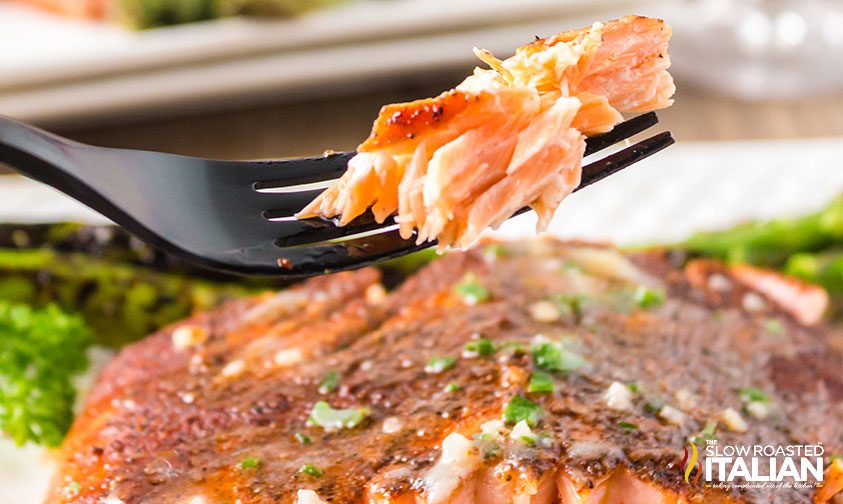
Use a fork to test if the fish flakes easily. Properly cooked salmon separates into flakes that hold shape.
- Press salmon for firmness; not too soft or hard
- Flake salmon gently with a fork
- Flakes should separate but stay moist
Common Smoking Mistakes
Smoking salmon can add rich flavor and a tasty texture. Many people make mistakes that affect the final dish. Avoiding these errors helps you enjoy perfectly smoked salmon.
This guide covers common smoking mistakes. Learn about overcooking, undercooking, and handling temperature changes.
Overcooking Risks
Overcooking salmon makes it dry and tough. The natural oils cook out, leaving the fish less flavorful. Overheated salmon loses its flaky, moist texture.
- Salmon becomes hard and rubbery
- Flavor turns bland and dull
- Oils evaporate, reducing juiciness
- Smoke flavor can become bitter
Undercooking Dangers
Undercooked salmon can be unsafe. It may contain harmful bacteria or parasites. The texture will be raw and unpleasant. Eating undercooked fish risks food poisoning.
| Risk | Effect | Prevention |
| Bacteria | Stomach illness | Cook to 145°F (63°C) |
| Parasites | Infections | Freeze before smoking or fully cook |
| Raw texture | Unpleasant taste | Ensure flesh is opaque and flakes |
Handling Fluctuating Temperatures
Temperature swings can spoil smoked salmon. Sudden heat changes affect cooking time and texture. Keep smoker temperature steady for best results.
- Use a quality thermometer to monitor heat
- Keep smoker vents adjusted for steady airflow
- Add wood chips sparingly to avoid flare-ups
- Do not open the smoker door too often
Serving And Storing Smoked Salmon
Smoked salmon is a delicious dish that can be enjoyed in many ways. Knowing how to serve and store it properly keeps it fresh and tasty.
This guide covers resting the fish, storage tips, and recipe ideas for smoked salmon.
Resting The Fish
After smoking, let the salmon rest for a few minutes. This helps the juices settle and the flavors develop fully. Resting also makes the fish easier to slice and serve.
Storage Tips
Store smoked salmon carefully to keep it fresh and safe to eat. Use airtight containers or wrap it tightly in plastic wrap. Keep it in the coldest part of your refrigerator.
- Use airtight containers or vacuum-sealed bags
- Keep salmon refrigerated at 32–38°F (0–3°C)
- Use within 3 to 5 days for best taste
- For longer storage, freeze salmon for up to 2 months
- Thaw frozen salmon slowly in the refrigerator
Recipe Ideas For Smoked Salmon
| Recipe | Description |
|---|---|
| Smoked Salmon Salad | Mix smoked salmon with fresh greens and a light lemon dressing. |
| Bagel with Cream Cheese | Spread cream cheese on a bagel and top with smoked salmon and capers. |
| Smoked Salmon Pasta | Toss smoked salmon with pasta, cream sauce, and herbs. |
| Smoked Salmon Sandwich | Add smoked salmon, cucumber, and dill on whole-grain bread. |
Credit: www.theslowroasteditalian.com
Frequently Asked Questions
How Long to Smoke Salmon At 225 Degrees?
Smoking salmon at 225°F takes about 1. 5 to 2 hours. The fish is done when it reaches an internal temperature of 145°F. Check often to avoid overcooking and maintain moist, flavorful salmon.
What Is the Best Internal Temperature for Smoked Salmon?
The ideal internal temperature for smoked salmon is 145°F. This ensures the fish is fully cooked and safe to eat. Use a meat thermometer to check the temperature for perfect results.
Can I Smoke Salmon Longer for More Flavor?
Smoking salmon longer at low heat enhances its smoky flavor. However, over-smoking can dry out the fish. Aim for 1. 5 to 2 hours at 225°F for balanced taste and texture.
Should I Brine Salmon Before Smoking It?
Yes, brining salmon before smoking improves moisture and flavor. A simple salt and sugar brine for 30 minutes to 1 hour works well. Rinse and pat dry before placing it in the smoker.
Conclusion
Smoking salmon takes patience and care to get it just right. Keep the smoker temperature steady and watch the clock. Usually, 1 to 3 hours works well, depending on the thickness. Check the fish often to avoid overcooking. The salmon should be flaky and moist inside.
Trust your senses more than exact times. Enjoy the rich, smoky flavor after a well-timed cook. Smoking salmon can be simple with practice and attention. Your next smoked salmon meal will taste fresh and delicious.