Imagine the mouthwatering aroma of smoked salmon wafting through your backyard. It's a scent that promises a meal both savory and satisfying.
If you’ve ever wondered how to turn a simple piece of fish into a gourmet delight, you’re in the right place. Cooking salmon in a smoker is easier than you might think, and the results are truly rewarding. Whether you’re hosting a dinner party or just want to treat yourself, mastering this technique will make you the star of any gathering.
Stick with me, and by the end of this article, you'll be ready to impress everyone with your newfound culinary skills. Ready to get started? Let’s dive in!
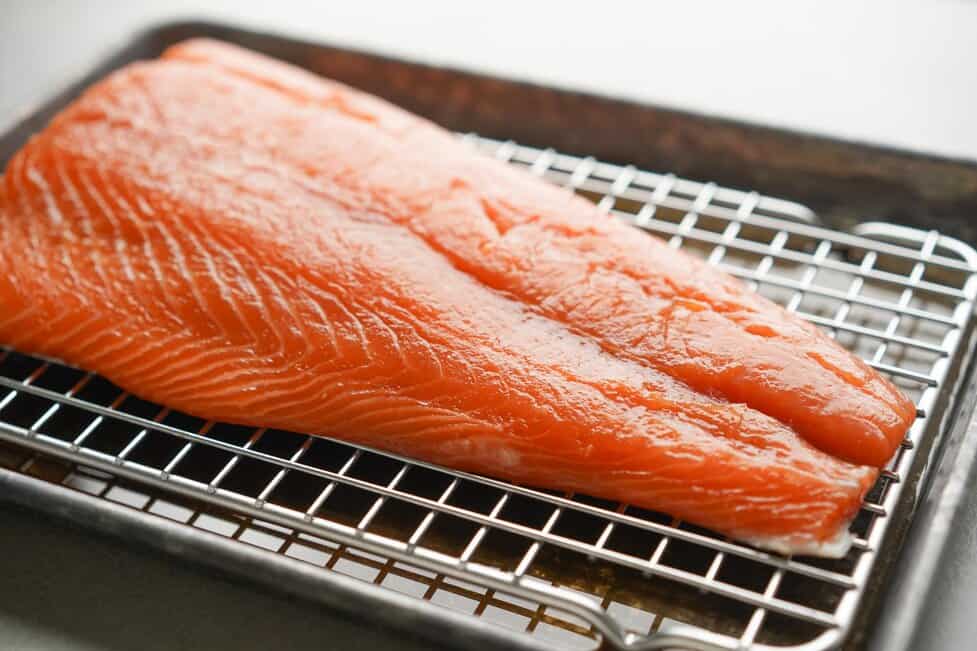
Credit: www.hungryhuy.com
Choosing The Right Salmon
Cooking salmon in a smoker starts with picking the right fish. The quality of your salmon affects the taste and texture of your meal.
Understanding the types of salmon and how to select fresh fillets helps you get the best results from your smoker.
Types Of Salmon
There are several types of salmon you can choose from. Each type has a unique flavor and fat content that changes how it cooks in a smoker.
- King (Chinook) salmon is rich and fatty, great for smoking.
- Sockeye salmon has a deep red color and strong flavor.
- Coho salmon offers a milder taste and moderate fat.
- Keta (Chum) salmon is leaner and less expensive.
- Pink salmon is the lightest in flavor and fat.
Fresh Vs Frozen
You can buy salmon fresh or frozen. Both have pros and cons for smoking.
| Type | Advantages | Disadvantages |
| Fresh | Better texture and flavor | Short shelf life, must use quickly |
| Frozen | Longer storage, convenient | May lose some moisture and flavor |
Selecting Quality Fillets
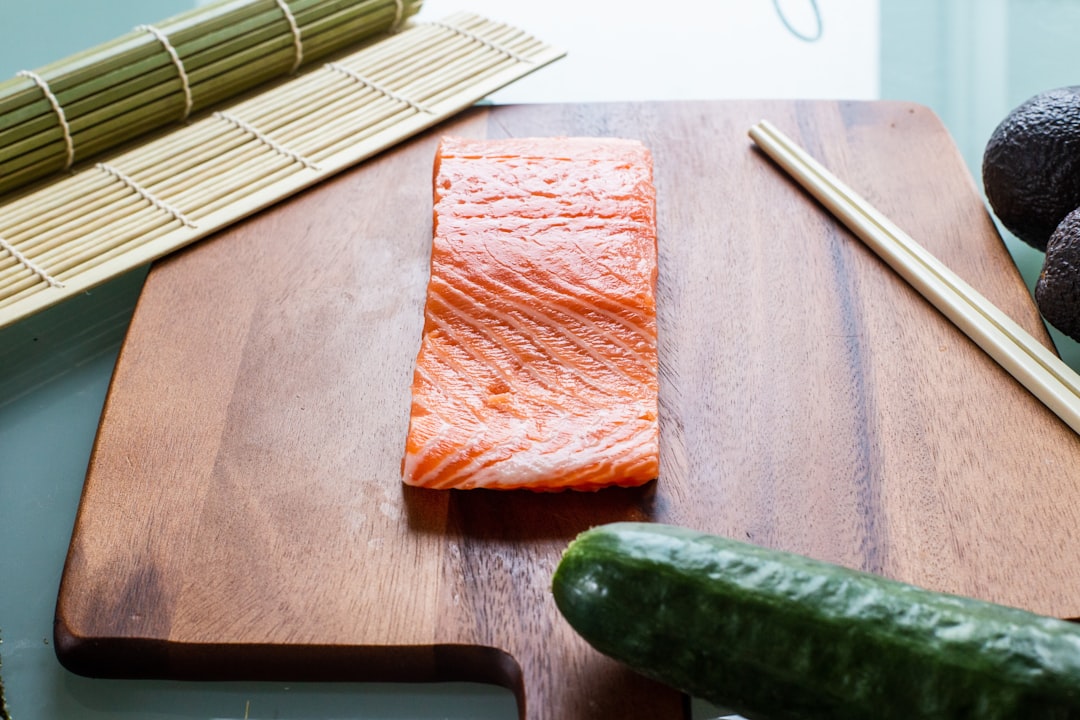
Good fillets look moist and firm. Avoid fillets with discoloration or a fishy smell.
- Check for bright, clear eyes if buying whole fish.
- Look for vibrant color and smooth skin on fillets.
- Firm flesh springs back when pressed gently.
- Avoid slimy or dry patches on the surface.
- Smell should be fresh, not sour or strong.
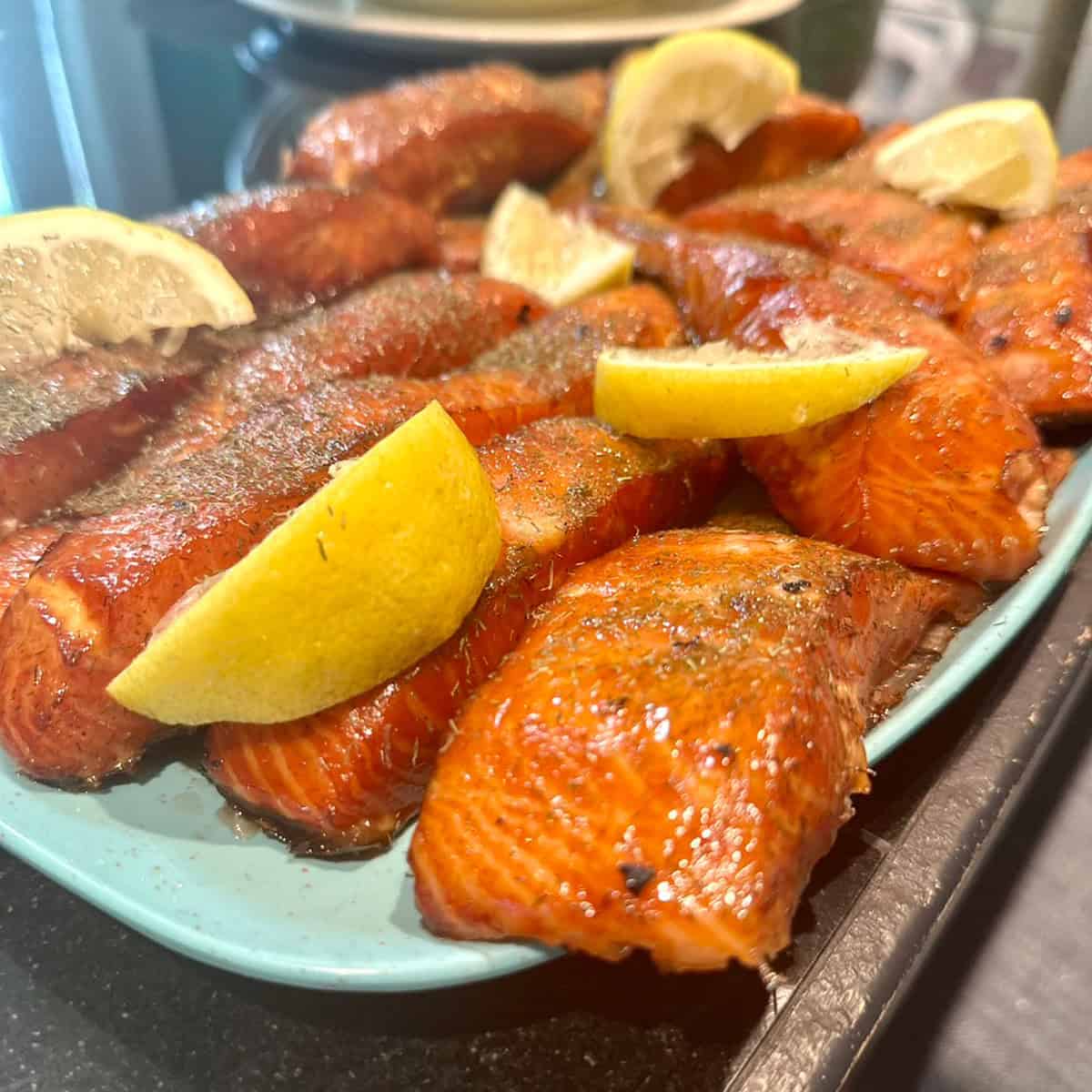
Credit: www.plattertalk.com
Preparing The Salmon
Cooking salmon in a smoker starts with good preparation. Proper steps help the fish cook evenly and taste great.
Preparing includes cleaning, trimming, and adding flavors. Each step makes a difference in the final dish.
Cleaning And Trimming
Rinse the salmon under cold water to remove any scales or debris. Pat it dry with paper towels to help it smoke well.
Trim off any excess fat or fins. Remove the pin bones by running your fingers along the fillet and using tweezers to pull them out.
Brining Options
Brining adds moisture and flavor to the salmon. It also helps the fish stay tender during smoking.
Use a simple brine of water, salt, and sugar. Soak the salmon for 30 minutes to 1 hour in the fridge.
- 1 cup water
- 1/4 cup salt
- 2 tablespoons sugar
- Optional: herbs or spices for extra flavor
Seasoning And Marinades
Season the salmon with spices or use a marinade to add taste. Keep flavors simple to let the salmon shine.
Common seasonings include black pepper, garlic powder, and lemon zest. Marinades often have oil, acid, and herbs.
- Black pepper
- Garlic powder
- Lemon zest
- Olive oil
- Fresh herbs like dill or parsley
- Small amount of vinegar or citrus juice
Setting Up The Smoker
Smoking salmon needs careful preparation to get the best flavor. Setting up your smoker right helps cook the fish evenly and adds a smoky taste.
Follow these tips on choosing wood chips, controlling temperature, and preheating to start smoking salmon successfully.
Choosing Wood Chips
Pick wood chips that match the mild flavor of salmon. Fruit woods like apple or cherry work well. They add a sweet and light smoke taste.
- Apple wood: sweet and mild smoke
- Cherry wood: fruity and light flavor
- Alder wood: traditional choice for salmon
- Maple wood: adds a subtle sweetness
Temperature Control
Keep the smoker temperature steady between 175°F and 225°F (79°C to 107°C). This range cooks salmon slowly and keeps it moist.
| Temperature Range | Effect on Salmon |
| Below 175°F (79°C) | Too slow, may dry out fish |
| 175°F - 225°F (79°C - 107°C) | Best for tender, smoky salmon |
| Above 225°F (107°C) | Can overcook and dry salmon |
Preheating Tips
Preheat your smoker for 20 to 30 minutes before adding the salmon. This helps keep a stable cooking temperature.
Follow these preheating steps:
- Light your charcoal or heat your electric smoker.
- Add wood chips to start producing smoke.
- Wait until the smoker reaches the right temperature.
- Place the salmon inside and close the lid.

Credit: www.acouplecooks.com
Smoking Process
Smoking salmon adds a rich, smoky flavor and tender texture. The process involves slow cooking the fish with smoke from burning wood chips.
Understanding the smoking process helps you get the best taste and texture from your salmon.
Placing Salmon In The Smoker
Place the salmon skin-side down on the smoker racks. This helps keep the fish moist and firm.
Make sure there is space between each piece. This allows smoke to circulate evenly around the salmon.
Ideal Smoking Time
Smoking time depends on the thickness of the salmon and the smoker temperature. Usually, 1 to 3 hours is enough.
Keep the smoker temperature between 175°F and 225°F for the best results. Lower heat gives a gentler smoke flavor.
- Thin fillets: about 1 hour
- Medium fillets: 2 hours
- Thick fillets or whole fish: up to 3 hours
Monitoring Internal Temperature
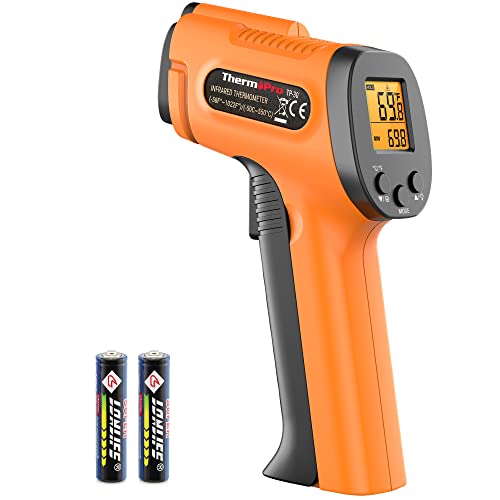
Check the salmon’s internal temperature with a food thermometer. This ensures it is cooked safely and properly.
The ideal internal temperature for smoked salmon is 145°F. At this point, the fish is fully cooked and flaky.
- Insert the thermometer into the thickest part of the salmon
- Remove the salmon once it reaches 145°F
- Let the salmon rest a few minutes before serving
Finishing Touches
After smoking salmon, the final steps make a big difference. These finishing touches improve flavor and texture.
Let’s look at how to rest, serve, and store your smoked salmon properly.
Resting The Salmon
Rest the salmon for 5 to 10 minutes after smoking. This lets the juices settle inside the fish.
Place the salmon on a clean plate and cover loosely with foil. Avoid cutting it too soon to keep it moist.
Serving Suggestions
Smoked salmon pairs well with many sides and toppings. Here are some ideas to try.
- Serve with lemon wedges and fresh dill
- Add a side of steamed asparagus or green beans
- Top with cream cheese on toasted bread or bagels
- Use in salads with mixed greens and avocado
- Pair with boiled potatoes and a light vinaigrette
Storage And Leftovers
| Storage Method | Duration | Notes |
|---|---|---|
| Refrigerator | 3 to 4 days | Wrap tightly in plastic wrap or foil |
| Freezer | 1 to 2 months | Use airtight freezer bags to prevent freezer burn |
| Leftover Use | N/A | Good for sandwiches, salads, or pasta dishes |
Troubleshooting Common Issues
Smoking salmon is a tasty way to cook fish. But some problems can happen. This guide helps fix common issues you may face.
Learn how to fix dry salmon, avoid over-smoking, and deal with uneven cooking for better results.
Dry Salmon Fixes
Dry salmon is often from too much heat or long cooking time. It can taste tough and lack moisture.
To fix dry salmon, lower the smoker temperature and check the fish often. Use a marinade or brine to add moisture before smoking.
- Keep smoker temperature between 175°F and 225°F
- Smoke salmon for 1 to 3 hours, not longer
- Brine salmon for 4 to 6 hours before smoking
- Use wood chips like apple or cherry for mild smoke
- Wrap salmon in foil to keep it moist
Avoiding Over-smoking
Too much smoke can make salmon taste bitter and dry. It also covers the fish’s natural flavor.
Control the smoke by using small amounts of wood chips. Open vents to let smoke escape if it gets too strong.
- Use fresh, dry wood chips for steady smoke
- Add wood chips little by little during cooking
- Keep smoker vents open for airflow
- Limit smoke time to the first hour only
- Choose mild wood types like alder or maple
Dealing With Uneven Cooking
Uneven cooking happens when some parts of the salmon cook faster than others. This causes dry spots or raw areas.
Fix this by placing salmon pieces evenly and turning them during smoking. Use a thermometer to check internal temperature.
- Arrange salmon with space between pieces for airflow
- Turn or rotate salmon halfway through cooking
- Use an instant-read thermometer to check doneness
- Cook salmon until internal temperature reaches 140°F
- Place thicker parts closer to heat if needed
Frequently Asked Questions
What Is The Best Wood For Smoking Salmon?
Alder wood is the top choice for smoking salmon. It imparts a mild, sweet flavor that complements the fish. Other good options include apple and cherry wood, which add subtle fruity notes without overpowering the salmon’s natural taste.
How Long Should Salmon Be Smoked?
Salmon typically takes 1. 5 to 3 hours to smoke at 225°F (107°C). The exact time depends on fillet thickness and smoker temperature. Aim for an internal temperature of 145°F (63°C) for safe, tender, and flavorful salmon.
Should Salmon Be Brined Before Smoking?
Yes, brining salmon enhances moisture and flavor. A simple mix of salt, sugar, and water for 30 minutes to 2 hours is ideal. Brining helps the salmon stay juicy and adds a subtle seasoning that balances the smoky taste.
Can I Smoke Salmon Without A Smoker?
Yes, you can smoke salmon using a grill or oven with wood chips. Create indirect heat and add soaked wood chips for smoke. Maintain low temperatures and monitor closely for best results.
Conclusion
Smoking salmon brings out rich, smoky flavors and tender texture. Follow the steps carefully for the best results every time. Keep the smoker temperature steady and use quality wood chips. Patience matters—low and slow cooking works best. Serve your salmon fresh and enjoy a healthy, tasty meal.
Smoking fish is fun and rewarding. Try it soon and taste the difference yourself.