Cooking salmon on a smoker can elevate your culinary experience to new heights. But getting it just right can sometimes feel like a mystery.
You've probably asked yourself, "What temp should I cook salmon on a smoker? " This question is crucial for ensuring that your dish turns out perfectly tender and flavorful. Imagine serving a beautifully smoked salmon, its rich aroma filling your kitchen and its taste leaving your guests in awe.
You want to achieve that delightful balance of smoky flavor with a moist, flaky texture. In this guide, we'll uncover the secrets to mastering the art of smoking salmon at the perfect temperature. Keep reading to discover how you can transform your next meal into a mouthwatering success.
Choosing The Right Salmon Cut
Smoking salmon is a tasty way to cook it. The cut of salmon you pick affects the flavor and cooking time.
Different cuts need different temperatures and care. Picking the right cut helps you get the best results.
Fillet Vs. Whole Side
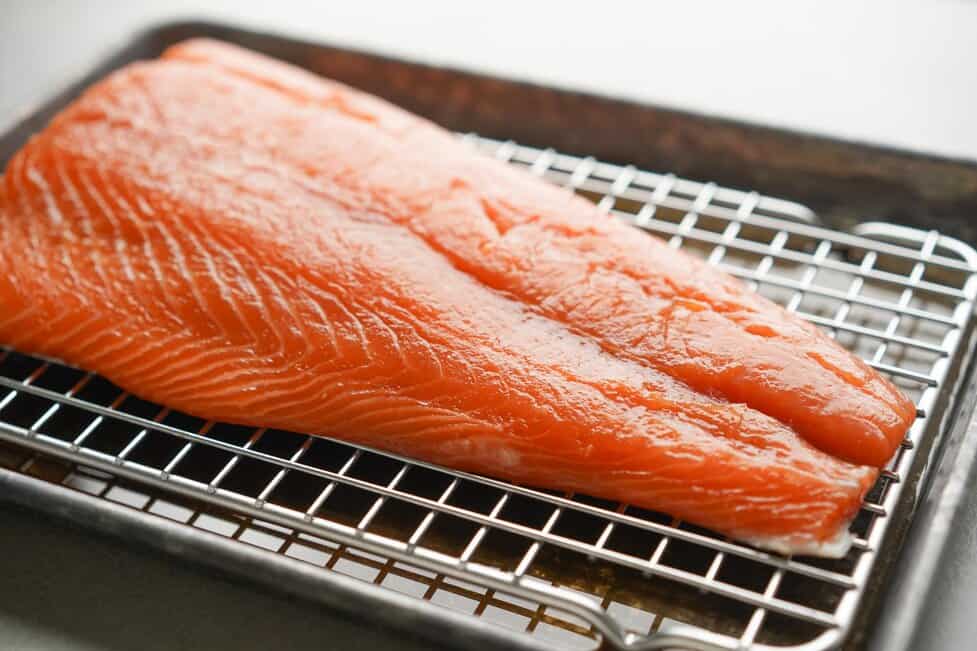
A fillet is a single piece of salmon without bones. A whole side is a larger piece with the skin on.
Fillets cook faster and are easy to handle. Whole sides take more time but offer richer flavor and moisture.
- Fillets: Cook quickly and are good for small portions.
- Whole Sides: Take longer but stay juicy and smoky.
- Whole Sides have skin, which helps hold moisture.
- Fillets are easier to serve and eat.
Fresh Vs. Frozen
Fresh salmon has a clean taste and firm texture. Frozen salmon is convenient and lasts longer.
Thaw frozen salmon carefully before smoking. Fresh salmon usually needs less cooking time.
- Fresh salmon offers better texture and flavor.
- Frozen salmon is easy to store and buy ahead.
- Always thaw frozen fish in the fridge for best results.
- Check freshness by smell and color before cooking.
Setting Up Your Smoker
Cooking salmon on a smoker needs the right setup. A good setup helps keep the salmon juicy and full of flavor.
Focus on choosing the right wood chips and getting your smoker ready before cooking.
Selecting Wood Chips
Wood chips add smoke flavor to your salmon. Different woods give different tastes.
- Alder wood is mild and fits salmon well.
- Apple wood adds a sweet, fruity smoke.
- Cherry wood gives a rich, slightly sweet flavor.
- Hickory wood is stronger and good for bold taste.
- Maple wood offers a light, sweet smoke.
Preparing The Smoker
Clean your smoker before use. Remove old ashes and grease to prevent bad smells.
| Step | Action |
| 1 | Fill water pan to keep moisture. |
| 2 | Preheat smoker to 225°F (107°C). |
| 3 | Add chosen wood chips to the smoker box. |
| 4 | Check vents to control airflow and temperature. |
| 5 | Place salmon on the rack away from direct heat. |
Ideal Smoking Temperatures
Smoking salmon adds rich flavor and tender texture. The temperature you choose affects cooking time and taste.
Two common methods are low and slow or higher temperature smoking. Each has its own benefits for the final dish.
Low And Slow Method
Smoking salmon at a low temperature gives the fish a delicate texture and deep smoky flavor. This method takes longer but is worth the wait.
- Maintain smoker temperature between 165°F and 180°F (74°C - 82°C)
- Cook time ranges from 2 to 4 hours depending on fillet size
- Use mild wood like alder or fruitwood for gentle smoke
- Keep the lid closed to hold steady heat and smoke
Higher Temp For Faster Cooking
Using higher heat cooks salmon faster but changes texture. The outside firms up quickly while the inside stays moist.
| Temperature | Cooking Time | Effect |
| 225°F (107°C) | 1 to 1.5 hours | Firmer texture, smoky flavor |
| 250°F (121°C) | 45 to 60 minutes | Flaky, slightly crisp outside |
Credit: www.theslowroasteditalian.com
Monitoring Salmon’s Internal Temperature
Cooking salmon on a smoker needs careful temperature checks. The right internal temperature keeps salmon juicy and safe to eat.
Using a reliable way to check the inside heat helps you avoid overcooking or undercooking the fish.
Using A Meat Thermometer
A meat thermometer is the best tool to check salmon’s temperature. Insert it into the thickest part of the fish for an accurate reading.
Digital thermometers give fast, clear results. Avoid touching the bone, as it can give false readings.
Target Temperature For Juiciness
Salmon is best cooked to an internal temperature between 120°F and 130°F. This range keeps the fish moist and tender.
Going above 140°F can dry out the salmon. Check the temperature often as the fish cooks to pull it off the smoker at the right time.
- 120°F to 130°F: Salmon is juicy and flaky
- 130°F to 140°F: Salmon is firmer but still moist
- Above 140°F: Salmon may become dry
Smoking Time Guidelines
Smoking salmon adds a rich, smoky flavor and tender texture. To get the best results, you must cook it at the right temperature and time.
Keeping an eye on cooking duration helps you avoid dry or undercooked salmon. Follow these guidelines for perfect smoked salmon every time.
Cooking Duration By Thickness
The thickness of your salmon affects how long you should smoke it. Thicker pieces take more time to cook through.
Use these times as a guide for smoking salmon at 225°F (107°C):
| Thickness | Smoking Time |
|---|---|
| 1/2 inch (1.25 cm) | 30-40 minutes |
| 1 inch (2.5 cm) | 45-60 minutes |
| 1.5 inch (3.8 cm) | 60-90 minutes |
| 2 inches (5 cm) | 90-120 minutes |
Always check the internal temperature to be sure it is done.
Signs Of Perfectly Smoked Salmon
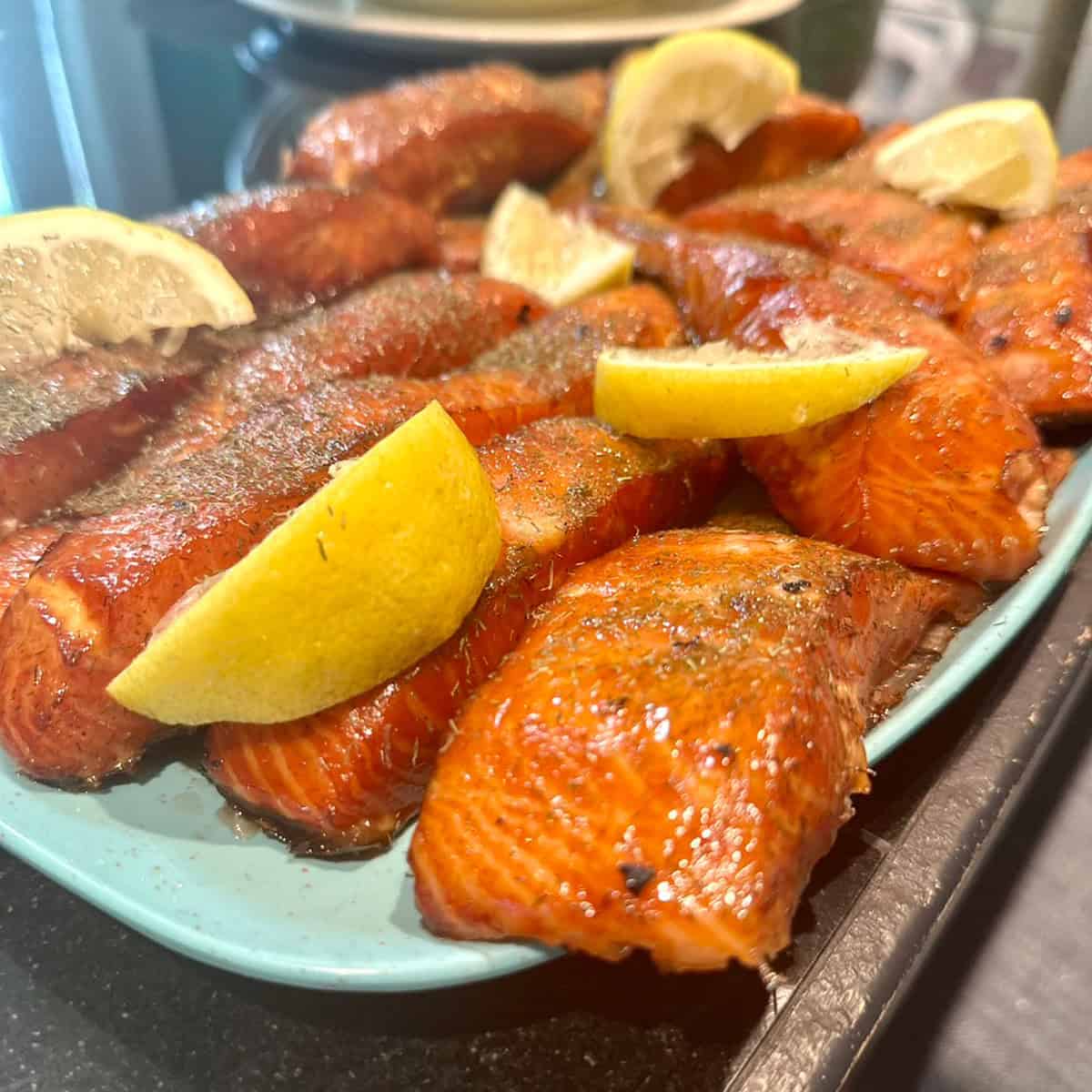
Perfectly smoked salmon has a moist, flaky texture and a smoky aroma. It should not be dry or rubbery.
Look for these signs to know your salmon is ready:
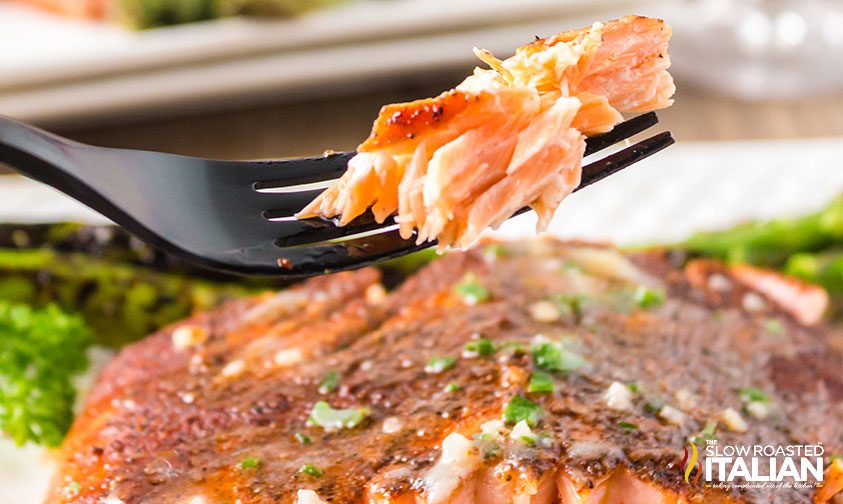
- The flesh flakes easily with a fork
- The color changes from translucent to opaque
- The internal temperature reaches 145°F (63°C)
- The skin pulls away easily from the flesh
- The salmon has a pleasant smoky smell
Tips For Maximum Flavor
Smoking salmon gives it a rich, smoky taste. Cooking at the right temperature helps keep the fish moist and tender.
Using simple techniques before and after smoking can make your salmon taste even better.
Brining And Seasoning
Brining salmon adds moisture and flavor. It helps keep the fish juicy during smoking. Seasoning adds layers of taste that complement the smoke.
- Use a salt and sugar brine for 4 to 6 hours.
- Add herbs like dill or thyme for fresh aroma.
- Include spices such as black pepper or garlic powder for extra flavor.
- Pat the salmon dry before placing it on the smoker.
- Apply a thin layer of olive oil to help spices stick.
Resting After Smoking
Resting salmon after smoking lets the juices spread evenly. This step improves texture and flavor.
| Resting Time | Effect on Salmon |
|---|---|
| 5 minutes | Allows slight cooling; juices start to settle |
| 10-15 minutes | Juices redistribute for moist, tender fish |
| More than 20 minutes | May cool too much; serve immediately after |
Common Mistakes To Avoid
Cooking salmon on a smoker requires careful attention to temperature. Many people make mistakes that affect taste and texture. Avoiding these errors helps you get perfect salmon every time.
Two common issues are overcooking and temperature fluctuations. Learning about these can improve your smoking results.
Overcooking Risks
Overcooking salmon makes it dry and tough. Salmon has delicate oils that burn off if cooked too long. This ruins the flavor and texture.
Check the internal temperature often. The ideal temperature for smoked salmon is 140°F (60°C). Stop cooking as soon as it reaches this heat.
- Use a reliable meat thermometer
- Remove salmon from heat at 140°F
- Let salmon rest to finish cooking
- Do not guess cooking time
Temperature Fluctuations
Temperature changes inside the smoker cause uneven cooking. Hot spots may burn some parts while leaving others raw. This spoils the salmon's taste and look.
Keep your smoker’s temperature steady. Use a smoker with good insulation. Check the thermometer regularly and adjust vents to control heat.
- Preheat smoker before adding salmon
- Keep vents stable to control airflow
- Avoid opening the smoker too often
- Use water pans to maintain moisture
Credit: www.plattertalk.com
Credit: www.hungryhuy.com
Frequently Asked Questions
What Is The Ideal Smoker Temperature For Salmon?
The ideal smoker temperature for salmon is between 175°F and 225°F. This range ensures gentle cooking while preserving moisture and flavor. Cooking at these temperatures also allows the smoke to infuse the fish without drying it out.
How Long Should I Smoke Salmon At 200°f?
Smoking salmon at 200°F typically takes about 1. 5 to 2 hours. The exact time depends on fillet thickness. Always check for an internal temperature of 145°F to ensure the salmon is fully cooked and safe to eat.
Can I Smoke Salmon At A Lower Temperature?
Yes, you can smoke salmon at lower temperatures around 160°F to 175°F. This slow smoking enhances flavor and tenderness but requires more time. Patience is key to achieving moist and flavorful smoked salmon this way.
What Internal Temperature Is Safe For Smoked Salmon?
Smoked salmon is safe to eat at an internal temperature of 145°F. Use a reliable meat thermometer to check. This temperature ensures the fish is cooked through and eliminates harmful bacteria.
Conclusion
Smoking salmon at the right temperature brings out the best flavor. Aim for a smoker temperature between 175°F and 225°F for tender, juicy fish. Keep an eye on the internal temperature, which should reach about 145°F. This ensures the salmon is safe to eat and perfectly cooked.
Patience pays off. Taking your time results in a smoky, delicious meal everyone will enjoy. Now, you can confidently prepare salmon on your smoker with great results. Give it a try and taste the difference yourself.