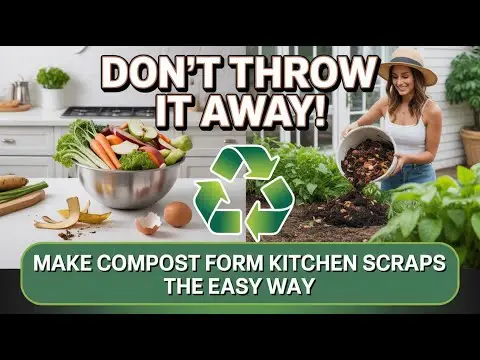
Are you tired of tossing your kitchen scraps in the trash, only to feel guilty about the waste? Imagine transforming those food remnants into rich, valuable compost for your garden instead.
Composting isn’t just for the eco-conscious gardener; it’s an easy, rewarding process that anyone can master with a little guidance. You’ll discover the secrets to turning your kitchen waste into nutrient-rich soil, all while reducing your carbon footprint. Get ready to unlock the potential of your leftovers and embark on a journey to greener living.
Stick around to learn how simple it is to make a positive impact on your environment—and your wallet.

Credit: shapiroe.com
Benefits Of Composting Kitchen Scraps
Composting kitchen scraps helps reduce waste in landfills. It turns food leftovers into rich soil material.
This process supports plant growth and keeps the environment clean. It saves money and natural resources.
Reduces Waste And Landfill Use
Kitchen scraps make up a large part of household waste. Composting these scraps lowers the amount sent to landfills.
This helps reduce landfill overflow and cuts down harmful gases like methane. It also lessens trash collection needs.
Creates Nutrient-rich Soil
Compost turns food scraps into natural fertilizer. This soil improves plant health and growth.
Using compost reduces the need for chemical fertilizers. It helps maintain healthy garden ecosystems.
Saves Money On Fertilizers And Trash Fees
Composting lowers garbage bills by reducing trash weight. It also cuts expenses for buying fertilizers.
People who compost often save money on gardening supplies and waste removal costs.
Supports Environmental Health
Composting reduces pollution by cutting landfill gas emissions. It also helps keep soil and water clean.
Healthy compost encourages biodiversity and improves air quality in communities.
Encourages Sustainable Living
Composting kitchen scraps teaches good habits for waste management. It promotes care for the planet.
People who compost often become more aware of their impact on nature and resources.
Choosing The Right Compost Bin
Composting kitchen scraps helps reduce waste and creates rich soil. Picking the right compost bin makes the process easier and cleaner.
Different compost bins suit different spaces and needs. Understanding types and placement helps you compost well.
Types Of Compost Bins
You can choose from many compost bin types. Each has its own benefits and fits different spaces.
- Plastic Tumbler:Easy to turn and keeps pests out.
- Stationary Bin:Simple and good for large yards.
- Worm Bin:Uses worms to break down scraps fast.
- Countertop Bin:Small and fits inside kitchens for daily scraps.
- DIY Bin:Made from wood or pallets, customizable to your size.
Choose a bin that matches your space and how much kitchen waste you create.
Location Tips
Where you put your compost bin affects how well it works. Pick a good spot for faster composting.
Place the bin on soil or grass to let air and bugs help break down scraps. Avoid hard surfaces like concrete.
- Find a shady spot to keep the bin cool and moist.
- Keep it near your kitchen for easy scrap dropping.
- Make sure the spot has good drainage to avoid water buildup.
- Allow space around the bin for turning and maintenance.
What Kitchen Scraps To Compost
Composting kitchen scraps helps reduce waste and creates rich soil. You can compost many types of food leftovers.
Knowing which scraps to compost keeps your pile healthy and avoids bad smells or pests.
Vegetable And Fruit Scraps
Vegetable and fruit scraps break down quickly and add valuable nutrients to compost. Use peelings, cores, and bits left over from cooking.
- Vegetable peels like potato, carrot, and cucumber
- Fruit peels such as apple and banana skins
- Fruit cores and seeds (except large seeds like avocado)
- Wilted or spoiled fruits and vegetables
- Leaves and stems from herbs and vegetables
Avoiding Problematic Items
Some kitchen scraps can cause problems in compost. They may attract pests or slow down decomposition.
| Do Not Compost | Reason |
| Meat and fish scraps | Attract animals and smell bad |
| Dairy products | Cause odors and pests |
| Oils and fats | Slow decomposition and repel water |
| Cooked foods with sauces | Can contain fats and cause pests |
| Large seeds and pits (e.g., avocado, peach) | Take too long to break down |
| Diseased or moldy plants | May spread illness in compost |

Credit: www.bamboozlehome.com
Preparing Scraps For Composting
Composting kitchen scraps helps reduce waste and creates rich soil. Proper preparation makes composting faster and cleaner.
Cutting scraps into smaller pieces and balancing materials keeps your compost healthy. Here are some tips to prepare your kitchen waste.
Chopping And Layering
Chop your kitchen scraps into small bits. This helps them break down quickly. Layer these pieces with other compost materials for good air flow.
- Cut vegetable peels and fruit scraps into 1-2 inch pieces
- Break eggshells into small fragments
- Layer chopped scraps evenly over brown materials like dry leaves
- Avoid large chunks that take longer to decompose
Balancing Greens And Browns
Compost needs a good mix of green and brown materials. Greens are rich in nitrogen. Browns provide carbon for energy.
| Material Type | Examples | Role in Compost |
| Greens | Fruit scraps, vegetable peels, coffee grounds | Add nitrogen, moisture |
| Browns | Dry leaves, shredded paper, straw | Add carbon, improve airflow |
Aim for about three parts browns to one part greens. This balance avoids bad smells and speeds up composting.
Maintaining Your Compost Pile
Keeping your compost pile healthy helps break down kitchen scraps faster. You need to care for it regularly by turning and checking moisture.
Good maintenance stops bad smells and keeps insects away. It also makes sure the compost is ready to use in your garden.
Turning And Aerating
Turning your compost adds air to the pile. Air helps microbes work and speeds up the decay of scraps.
- Use a pitchfork or shovel to mix the pile every 1-2 weeks.
- Turn the outer parts into the center to keep temperature even.
- Break up clumps to let air flow through easily.
- Aerate more often if the pile smells bad or looks wet.
Moisture Control
Your compost pile should feel like a damp sponge. Too dry or too wet can stop decomposition.
| Moisture Level | Signs | Action |
| Too Dry | Dusty, dry scraps, slow decay | Add water in small amounts |
| Just Right | Feels damp, no puddles, breaks apart easily | Maintain current moisture |
| Too Wet | Smelly, soggy, compacts easily | Add dry leaves or newspaper, turn pile |
Harvesting Finished Compost
Harvesting finished compost means collecting the rich soil your scraps create. This compost helps your garden grow healthy plants.
Knowing when and how to harvest compost is key to using it well in your garden beds or pots.
Signs Compost Is Ready
Compost is ready when it looks dark, crumbly, and smells earthy. You will not see original food scraps or leaves.
- The color is dark brown or black.
- The texture is crumbly and soft.
- There is no bad odor; it smells fresh and earthy.
- Original food scraps and leaves are no longer visible.
- The temperature has cooled to match the outside air.
Using Compost In Your Garden
Use finished compost to feed your plants and improve soil health. Compost adds nutrients and helps soil hold water.
| Use | How to Apply |
| Garden Beds | Mix 1 to 3 inches of compost into topsoil before planting |
| Potting Mix | Add compost to potting soil to improve nutrition and drainage |
| Mulch | Spread 1 to 2 inches around plants to keep soil moist and cool |
| Lawn | Spread a thin layer over grass to add nutrients and reduce thatch |
Common Composting Mistakes To Avoid
Composting kitchen scraps is a great way to reduce waste. It also creates rich soil for your garden.
Some common mistakes can slow down the composting process or cause bad smells. Avoiding these errors helps your compost work well.
Adding Meat, Dairy, Or Greasy Foods
Meat, dairy, and greasy foods attract pests like rats and flies. They also make your compost smell bad.
Keep these items out of your kitchen compost bin. Stick to fruits, vegetables, coffee grounds, and eggshells instead.
Not Balancing Green And Brown Materials
Green materials are wet and rich in nitrogen, like vegetable scraps. Brown materials are dry and high in carbon, like dry leaves.
Too much green makes compost soggy and smelly. Too much brown slows down decomposition. Mix them well for good results.
- Green materials: fruit scraps, coffee grounds, fresh grass
- Brown materials: dry leaves, paper, cardboard
- Aim for about 2 parts brown to 1 part green
Ignoring Air Flow And Turning The Pile
Compost needs air to break down properly. Without air, it becomes smelly and slow.
Turn your compost pile regularly with a pitchfork or shovel. This adds oxygen and speeds up the process.
Adding Large Pieces Of Food Scraps
Large food scraps take a long time to break down. Cut or chop scraps into small pieces before composting.
Smaller pieces help microbes work faster and create compost quicker.
Letting The Compost Get Too Wet Or Too Dry
Compost should be as damp as a wrung-out sponge. Too much water causes bad smells and slows composting.
Too dry compost stops the breakdown process. Add water or dry materials as needed to keep moisture balanced.

Credit: greenlivingguy.com
Frequently Asked Questions
What Kitchen Scraps Can I Compost At Home?
You can compost vegetable peels, fruit scraps, coffee grounds, eggshells, and tea bags. Avoid meat, dairy, and oily foods to prevent pests and odors.
How Do I Start Composting Kitchen Scraps Easily?
Collect scraps in a bin with a lid. Add brown materials like leaves or paper. Turn the pile regularly to aerate and speed decomposition.
How Long Does It Take To Compost Kitchen Scraps?
Composting kitchen scraps typically takes 2 to 6 months. Time varies based on temperature, moisture, and how often you turn the pile.
Can I Compost Citrus Peels And Onion Scraps?
Yes, you can compost citrus and onion scraps in moderation. Too much acidity can slow composting, so balance with neutral brown materials.
Conclusion
Composting kitchen scraps helps reduce waste and enrich soil. It saves money on fertilizers and cuts landfill trash. Start small, use a compost bin, and add scraps regularly. Turn the pile often to speed up decay. Watch your scraps turn into dark, rich compost over time.
Gardening becomes easier and plants grow healthier. Anyone can compost with a little effort and patience. Give it a try and see the benefits yourself. Clean, green, and simple.