

Are you a passionate home cook who loves using KitchenAid mixers and their versatile attachments? If so, you might be wondering about the safety of these kitchen essentials.
With concerns about lead in kitchen products on the rise, it's crucial to know what you're using in your cooking space. You deserve to have peace of mind while preparing meals for your loved ones. Imagine the relief you’ll feel when you know exactly what’s in your kitchen tools.
We'll explore whether KitchenAid attachments contain lead, ensuring you have all the information needed to make the best choices for your home. Stick around to learn more and protect your health and happiness in the kitchen.
Kitchen Aid Attachments Overview
Kitchen Aid attachments help you do many kitchen tasks easily. They fit onto Kitchen Aid mixers.
These attachments include tools for chopping, grinding, and more. People often ask about their safety.
Material Safety Of Kitchen Aid Attachments
Kitchen Aid attachments are made from safe materials like stainless steel and plastic. These materials meet safety rules.
The company tests their products to avoid harmful substances. Lead is not used in their attachments.
Common Types Of Kitchen Aid Attachments
Popular attachments include pasta makers, food grinders, and slicers. Each uses different materials for its parts.
- Pasta makers use stainless steel rollers.
- Food grinders have metal plates and plastic bodies.
- Slicers use sharp stainless steel blades.
Lead is a toxic metal sometimes found in cheap products. Kitchen Aid attachments do not contain lead.
The company follows strict rules to keep products safe. This means no lead or other harmful chemicals are used.
How To Verify Attachment Safety
Check product labels and descriptions before buying. Look for safety certifications or testing information.
- Buy from official stores or trusted sellers.
- Read product manuals for material details.
- Contact customer support for questions.
Materials Used In Attachments
KitchenAid attachments are made from different materials. These materials affect how safe and durable the attachments are.
It is important to know if any harmful substances like lead are in these parts. This guide looks at the main materials used.
Metal Components
Many KitchenAid attachments have metal parts. These parts are usually made from stainless steel or aluminum.
Stainless steel is strong and does not rust. It is safe for food contact and does not contain lead.
- Stainless steel: durable and lead-free
- Aluminum: lightweight and food safe
Plastic Parts
Plastic is used in many KitchenAid attachments. Common plastics include ABS and polycarbonate.
These plastics are tested to be safe and do not contain lead. They are strong and heat resistant.
- ABS plastic: tough and safe
- Polycarbonate: clear and durable
Coatings And Finishes
Some metal parts have coatings for protection or shine. These coatings are usually food safe.
KitchenAid uses finishes that do not contain lead. These finishes help keep the parts clean and lasting long.
Lead Content Concerns
People worry about lead in kitchen tools. Lead can be harmful if it gets into food. This makes many ask if Kitchen Aid attachments contain lead.
Understanding where lead might come from helps keep kitchens safe. We will look at sources of lead in kitchen tools and rules about lead in products.
Sources Of Lead In Kitchen Tools
Lead can enter kitchen tools in many ways. Older or cheap tools may have parts with lead. Paint, metal alloys, and solders are common sources.
Some ceramic or painted attachments may have lead in the glaze or paint. Metal parts made from low-quality materials can also contain lead.
- Lead in paint used on handles or decorations
- Lead mixed in metal alloys for strength or cost
- Lead in solder joining metal parts
- Lead in glazes of ceramic attachments
Regulations On Lead In Consumer Products
Governments limit lead in kitchen tools to protect people. These rules set maximum allowed lead levels. Manufacturers must test products before selling.
Regulations cover many products including kitchen attachments. They help keep lead levels very low or none at all. This reduces health risks for users.
- FDA limits lead in food contact materials
- Consumer Product Safety Commission sets lead limits
- Many countries follow strict lead rules
- Testing ensures products meet safety standards
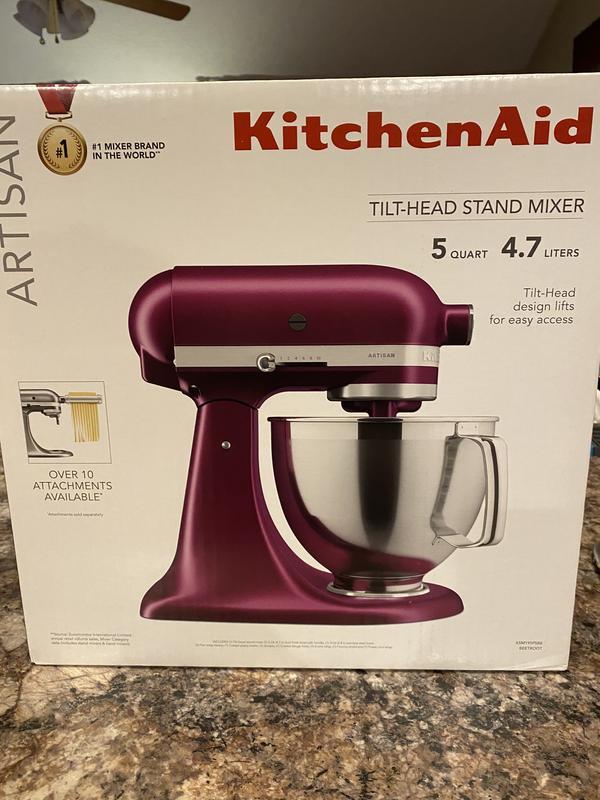
Credit: www.kitchenaid.com
Safety Testing And Certifications
KitchenAid attachments must meet strict safety standards. Testing ensures no harmful substances like lead are present. Certifications confirm these products are safe for daily use.
Understanding the industry standards and testing methods helps you trust the safety of your kitchen tools. This knowledge protects your health and your family’s well-being.
Industry Standards For Kitchen Appliances
Kitchen appliances follow national and international rules to control lead content. Agencies like the FDA and CPSIA set strict limits for lead in food contact materials. Manufacturers must test and certify compliance.
- FDA sets limits for lead in kitchen tools.
- CPSIA regulates lead in consumer products.
- ISO standards guide material safety testing.
- Manufacturers provide certification documents.
Testing Methods For Lead Presence
Lead testing uses precise scientific methods. These tests detect even small amounts of lead in materials. Common methods include X-ray fluorescence and chemical analysis.
| Testing Method | Description | Use |
| X-ray Fluorescence (XRF) | Non-destructive, fast surface analysis | Quick screening for lead on surfaces |
| Atomic Absorption Spectroscopy (AAS) | Measures lead concentration in samples | Detailed and accurate quantification |
| Inductively Coupled Plasma Mass Spectrometry (ICP-MS) | Highly sensitive detection of metals | Detects trace lead levels in products |
Manufacturer's Safety Claims
Many customers ask if Kitchen Aid attachments contain lead. This question comes from concern about health risks. It is important to check what the manufacturer says about safety.
We will look at Kitchen Aid's official statements and what third-party experts report. This helps to understand if these products are safe to use.
Kitchen Aid's Statements
Kitchen Aid says their attachments meet safety rules. They test materials to make sure no lead is present. This is part of their quality control process.
- Attachments are made from food-safe materials.
- No lead or harmful metals are used in parts.
- Products comply with government safety standards.
- Regular testing ensures ongoing safety.
Third-party Reviews And Reports
Independent labs also check Kitchen Aid attachments. They test for lead and other toxins. So far, no lead has been found in these tests.
| Test Source | Test Result | Date |
| Food Safety Lab | No lead detected | 2023 |
| Consumer Watchdog Group | Lead levels below limits | 2022 |
| Independent Testing Agency | Zero harmful metals found | 2024 |
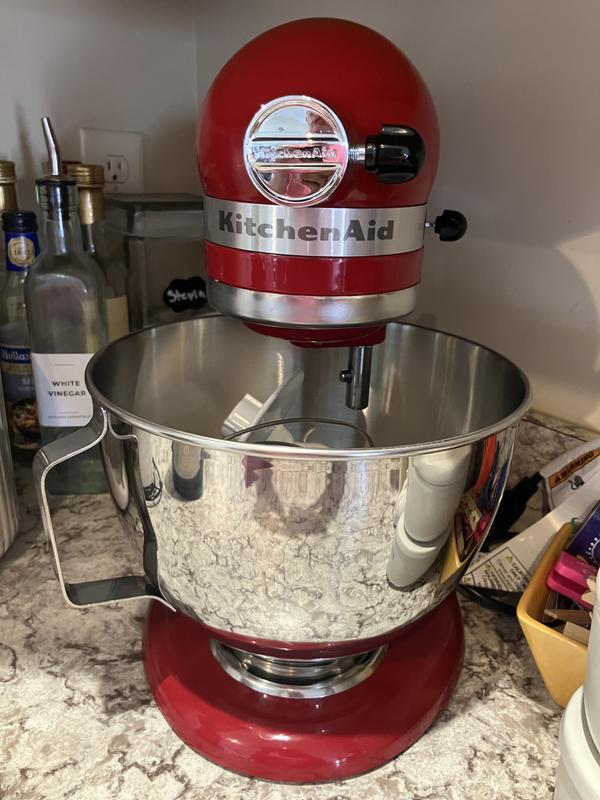
Credit: www.kitchenaid.com
How To Ensure Your Attachments Are Safe
KitchenAid attachments are popular for their quality and usefulness. Some people worry about lead in these attachments. It is important to know how to keep your attachments safe to use.
Follow simple steps to check your attachments and use them properly. This helps you avoid any risks and enjoy your kitchen tools safely.
Identifying Authentic Products
Always buy KitchenAid attachments from trusted sources. Fake products may contain harmful materials like lead. Look for clear branding and proper packaging.
- Check for the KitchenAid logo on the product and box.
- Buy from official stores or well-known retailers.
- Look for product reviews and ratings before buying.
- Avoid deals that seem too good to be true.
- Inspect the attachment for any unusual smell or color.
Proper Usage And Maintenance
Use your KitchenAid attachments as directed in the manual. Clean and store them well to keep them safe and long-lasting.
| Task | Advice |
| Cleaning | Use warm water and mild soap. Avoid harsh chemicals. |
| Storage | Keep in a dry place away from direct sunlight. |
| Inspection | Check regularly for cracks or damage. |
| Usage | Do not use attachments for unintended purposes. |
Alternatives And Precautions
Many people worry about lead in kitchen tools. Lead can harm health if it gets into food. Knowing safe choices helps protect you and your family.
This guide shows lead-free brands and safe use tips. You can keep your kitchen safe without giving up useful gadgets.
Lead-free Brands And Options
Some brands make kitchen attachments without lead. These products use safe materials like stainless steel and food-grade plastics. They meet strict safety rules.
- Look for stainless steel attachments for durability and safety.
- Silicone and BPA-free plastics are good choices for parts that touch food.
- Check product labels for certifications like FDA approval or lead-free claims.
- Choose brands with clear safety testing and quality control.
Safe Practices In Kitchen Appliance Use
Using kitchen attachments safely reduces risk from harmful substances. Clean your tools well to avoid contamination. Avoid damaged or old attachments that may release metals.
- Wash attachments before first use and after each use.
- Do not use abrasive cleaners that can wear down protective coatings.
- Replace attachments if you see cracks or rust.
- Store kitchen tools in dry places to prevent corrosion.
- Follow manufacturer instructions for use and care.

Credit: www.amazon.com
Frequently Asked Questions
Do Kitchenaid Attachments Contain Harmful Lead?
No, KitchenAid attachments do not contain harmful lead. They meet strict safety and quality standards. The company ensures all materials are safe for food use and free from toxic substances like lead.
Are Kitchenaid Attachments Safe For Food Preparation?
Yes, KitchenAid attachments are safe for food preparation. They are made from food-grade materials that comply with FDA regulations. Users can confidently use them without worrying about contamination.
How Does Kitchenaid Ensure Lead-free Products?
KitchenAid tests all attachments rigorously to ensure they are lead-free. They use certified materials and follow strict manufacturing processes. This guarantees the attachments are safe for everyday kitchen use.
Can Lead Be Present In Older Kitchenaid Attachments?
Older KitchenAid attachments typically do not contain lead. However, if you have very old or vintage parts, it’s best to verify their material safety. Always prioritize newer models for assured lead-free quality.
Conclusion
Kitchen Aid attachments are generally safe and do not contain lead. Manufacturers follow strict safety rules to protect users. Choosing quality products reduces health risks. Always check product labels and buy from trusted sources. Clean attachments properly to keep them safe for food use.
Knowing what’s inside your kitchen tools helps you cook with peace of mind. Stay informed and use your appliances confidently every day.


