
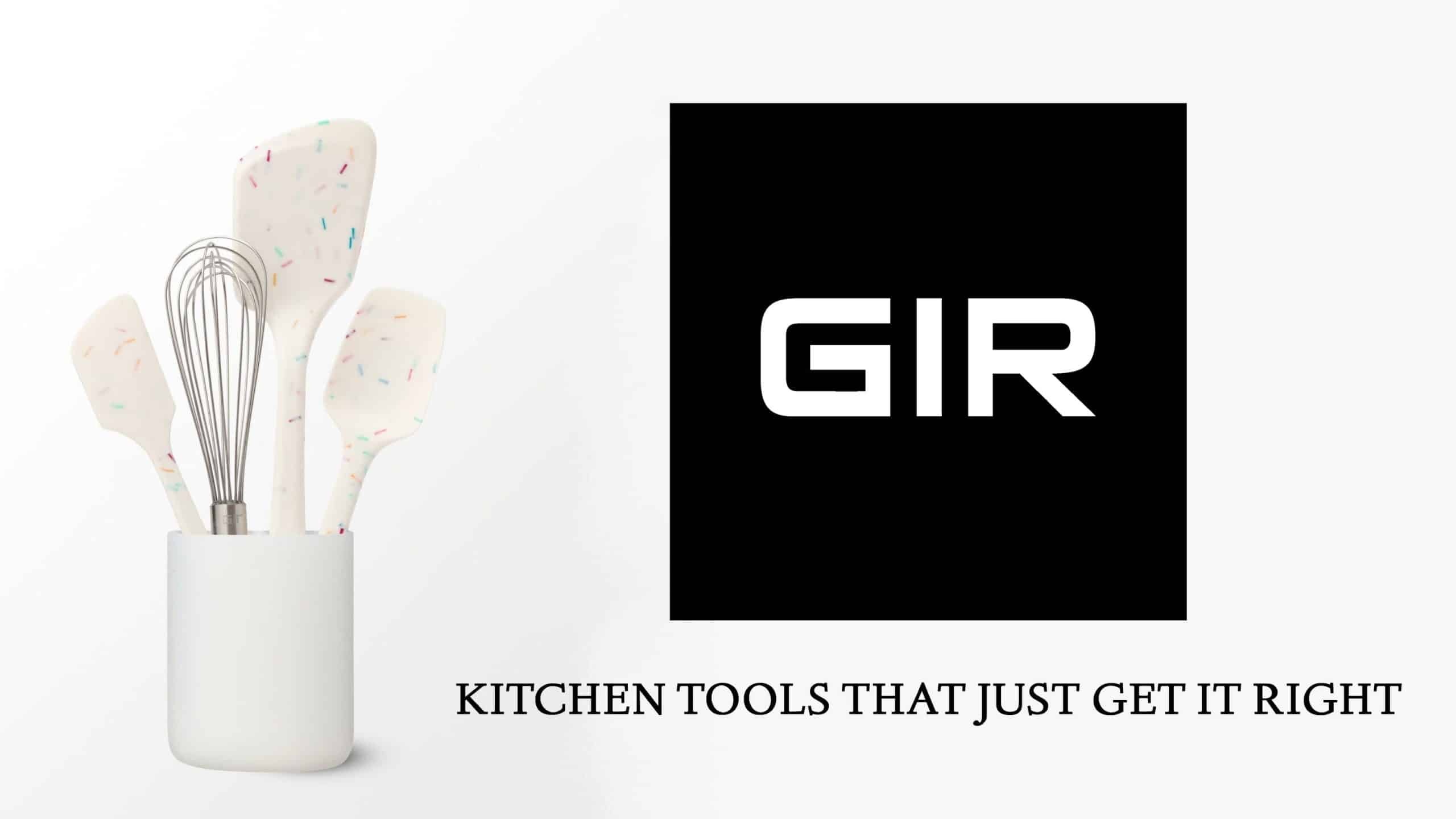
Are you concerned about the safety of your kitchen tools? When it comes to cooking, you want to ensure that every utensil you use is safe for your family and friends.
Silicone kitchen utensils have become increasingly popular due to their flexibility, durability, and heat resistance. However, there’s a pressing question that might have crossed your mind: do these utensils contain flame retardants? Understanding what you are cooking with is crucial for peace of mind and health.
We’ll uncover the truth about silicone kitchen utensils and flame retardants. Get ready to discover whether your favorite kitchen tools are as safe as they seem. Stay with us, and you'll find answers that might surprise you!

Credit: goforzero.com.au
Silicone Utensils Basics
Silicone kitchen utensils are popular for their durability and heat resistance. Many people wonder if they contain flame retardants.
This guide explains what silicone is and how it is used in kitchens.
What Is Silicone?
Silicone is a synthetic material made from silicon, oxygen, carbon, and hydrogen. It is flexible, heat-resistant, and safe for cooking.
- Resistant to heat up to 450°F (232°C)
- Flexible and non-stick
- Does not react with food or liquids
- Easy to clean and dishwasher safe
Common Uses In Kitchens
Silicone utensils are widely used because they do not melt or release harmful chemicals during cooking. They come in many forms.
| Utensil Type | Use |
| Spoons and Spatulas | Stirring and scraping pans |
| Baking Mats | Non-stick baking surface |
| Molds | Shaping cakes and chocolates |
| Tongs | Grabbing and turning food |
Flame Retardants Explained
Flame retardants are chemicals added to materials. They help reduce the chance of fire starting or spreading.
People often ask if silicone kitchen utensils contain these chemicals. Understanding flame retardants helps answer this question.
Purpose Of Flame Retardants
Flame retardants slow down fires. They give people more time to react and escape. These chemicals protect homes, clothes, and electronics.
- Stop fire from starting easily
- Slow fire spread across surfaces
- Reduce heat produced by fire
- Lower toxic smoke from burning materials
Types Used In Consumer Products
Many flame retardants exist. Some are common in household items. Each type works differently.
| Type | Common Use | Material |
| Halogenated | Electronics | Plastic casings |
| Phosphorus-based | Furniture foam | Upholstery |
| Mineral-based | Building materials | Wood, drywall |
| Silicone-based | Some cookware | Silicone utensils |
Silicone And Flame Retardants
Silicone kitchen utensils are popular for their heat resistance and durability. Many people wonder if these utensils contain flame retardant chemicals.
This article explains the chemical makeup of silicone and whether flame retardants are added to these kitchen tools.
Chemical Composition Of Silicone
Silicone is made from silicon, oxygen, carbon, and hydrogen atoms. It forms a flexible, rubber-like material called polydimethylsiloxane.
This material can handle high temperatures without melting or breaking down. Silicone is safe for cooking and baking.
Is Flame Retardant Added?
Most silicone kitchen utensils do not have added flame retardants. Silicone itself resists heat and fire well.
Flame retardants are usually not needed because silicone can withstand temperatures over 400°F (204°C).
- Silicone’s heat resistance lowers fire risk
- Flame retardants are not common in food-grade silicone
- Check product labels to confirm ingredients
Health And Safety Concerns
Silicone kitchen utensils are popular for cooking. Many wonder if they contain flame retardants. Flame retardants are chemicals added to materials to slow fire spread.
This article looks at health risks linked to flame retardants. It also discusses the safety of silicone utensils in food use.
Potential Risks Of Flame Retardants
Flame retardants can affect human health. Some types may cause problems if they enter the body. Common concerns include:
- Hormone disruption
- Increased cancer risk
- Developmental delays in children
- Skin irritation
- Respiratory issues
These risks depend on the chemical type and exposure level. Many countries regulate flame retardants to reduce harm.
Silicone Utensils And Food Safety
Silicone used in kitchen tools is usually food-grade. It does not contain harmful flame retardants. This makes it safe for cooking and baking.
| Property | Silicone Utensils |
| Contains Flame Retardants | No |
| Heat Resistance | Up to 450°F (232°C) |
| Food Safety Certification | Yes, FDA approved |
| Risk of Chemical Leaching | Very low |
Always check labels for food-grade silicone. Avoid cheap products that may use fillers. Proper silicone utensils do not pose flame retardant risks.
Testing And Regulations
Silicone kitchen utensils are popular for their heat resistance and flexibility. Many people ask if these utensils contain flame retardants.
This topic is important because flame retardants can affect safety and health. Testing and regulations help ensure products are safe.
Standards For Kitchen Utensils
Kitchen utensils must meet strict safety standards. These rules limit harmful chemicals, including flame retardants.
Standards often focus on heat resistance, food safety, and chemical content. Manufacturers must follow these rules to sell products.
- FDA (Food and Drug Administration) sets food contact safety rules
- LFGB (German Food, Articles and Feed Code) tests chemical safety
- EN 71-3 standard limits toxic elements in materials
- RoHS restricts hazardous substances, including flame retardants
Industry Testing Results
Independent labs test silicone utensils for harmful chemicals. Results show many do not contain flame retardants.
Some tests find trace amounts, but these are below safety limits. Testing proves silicone is safe for kitchen use.
| Test Item | Result | Safety Limit |
|---|---|---|
| Flame Retardant Chemicals | Not Detected or Below Limits | Strictly Limited by Standards |
| Heat Resistance | Up to 230°C Without Damage | Required for Kitchen Use |
| Toxic Metal Content | Below Maximum Allowed | Set by LFGB and EN 71-3 |
Credit: www.yahoo.com
Choosing Safe Silicone Utensils
Silicone kitchen utensils are popular for their heat resistance and flexibility. Safety is important when choosing them.
Some people worry about chemicals like flame retardants in silicone products. Knowing how to pick safe utensils helps avoid risks.
What To Look For On Labels
Check the labels carefully for information about the materials used. Safe silicone utensils usually say “100% food-grade silicone.”
Avoid products that list unknown chemicals or additives. Labels should not mention flame retardants or other harmful substances.
- Look for “BPA-free” and “phthalate-free” on the label
- Check if the silicone is FDA approved for food use
- Avoid utensils with mixed materials unless clearly safe
- Labels should mention heat resistance temperature
Trusted Brands And Certifications
Choose utensils from brands known for safe kitchen products. Trusted brands test their silicone for harmful chemicals.
Certifications show the product meets safety standards. Look for FDA, LFGB, or SGS certification marks on packaging.
- FDA approval means the product is safe for food contact
- LFGB certification is a strict German safety standard
- SGS testing confirms no harmful chemicals are present
- Brands with good reviews and transparency are safer
Alternatives To Silicone Utensils
Some people worry about chemicals in silicone kitchen tools. They ask if silicone utensils have flame retardants. If you want to avoid silicone, there are other options. These materials can handle heat well without silicone’s chemicals.
Choosing the right kitchen utensils helps keep cooking safe and easy. Look at other heat-resistant materials for your kitchen tools. They each have different benefits and drawbacks.
Other Heat-resistant Materials
Wood is a natural choice for kitchen utensils. It does not melt or release chemicals. Bamboo is a popular wood alternative. Metal, like stainless steel, is strong and lasts a long time. It handles high heat but can scratch pans. Nylon tools resist heat but melt easier than silicone.
- Wood and bamboo are natural and safe
- Metal is durable and heat-resistant
- Nylon is affordable but less heat-resistant
- Ceramic tools resist heat but can break
Pros And Cons Compared To Silicone
Silicone is soft and flexible. It does not scratch pans. Silicone is easy to clean and safe for food. But some worry about chemicals in silicone. Other materials have their own strengths and weaknesses.
| Material | Pros | Cons |
|---|---|---|
| Silicone | Flexible, non-stick, heat-resistant | Some chemical concerns, less rigid |
| Wood/Bamboo | Natural, no chemicals, gentle on pans | Can crack, not dishwasher safe |
| Metal | Very durable, high heat safe | Can scratch cookware, hot handles |
| Nylon | Cheap, lightweight, gentle on pans | Melts at high heat, less durable |

Credit: www.scmp.com
Frequently Asked Questions
Do Silicone Kitchen Utensils Contain Flame Retardants?
Most silicone kitchen utensils do not contain flame retardants. Silicone is naturally heat-resistant and does not require added flame retardants to withstand cooking temperatures safely.
Are Flame Retardants Harmful In Kitchen Tools?
Flame retardants can be harmful if ingested or exposed to heat. However, quality silicone utensils avoid these chemicals to ensure food safety and durability.
How Safe Are Silicone Utensils For Cooking?
Silicone utensils are generally safe for cooking. They resist heat up to 500°F, don’t leach chemicals, and are non-toxic when made from food-grade silicone.
Can Flame Retardants Leach Into Food From Utensils?
Flame retardants can leach chemicals if present in utensils. But certified silicone kitchen tools are free from such chemicals, preventing contamination.
Conclusion
Silicone kitchen utensils are generally safe for cooking. They do not usually contain harmful flame retardants. This makes them a good choice for everyday use. Always check product labels to be sure. Choose utensils made from high-quality, food-grade silicone. This helps avoid any unwanted chemicals.
Using safe kitchen tools supports healthy cooking habits. Keep your kitchen safe and your meals tasty. Simple steps make a big difference in your health.


