

Are you worried about what’s inside your KitchenAid mixer? You might have heard whispers about harmful substances like lead lurking in kitchen appliances.
When it comes to your health and safety, especially in the heart of your home—the kitchen—you want to be sure. Does your KitchenAid mixer contain lead? Knowing the truth can protect you and your loved ones from potential risks. Keep reading, and you’ll discover everything you need to know to keep your kitchen safe and your mind at ease.
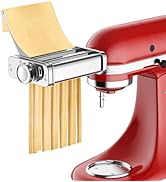
Credit: www.amazon.com
Lead In Kitchen Appliances
Lead is a toxic metal that can harm your health. It sometimes appears in kitchen tools and appliances.
Many people ask if Kitchen Aid mixers contain lead. It is important to know where lead can hide in kitchen appliances.
Common Sources Of Lead
Lead can be found in parts of some kitchen appliances. This includes paint, solder, and metal parts.
- Older appliances may have lead paint on surfaces.
- Solder used inside appliances can contain lead.
- Metal parts made from alloys might include lead.
- Imported or uncertified products may have higher lead levels.
Kitchen Aid mixers made today follow strict safety rules. They should have very low or no lead content.
Health Risks Of Lead Exposure
Lead can cause serious health problems. It is harmful especially for children and pregnant women.
| Health Effect | Description |
| Brain Damage | Lead affects brain development in children. |
| Kidney Problems | Lead can harm kidney function over time. |
| High Blood Pressure | Adults exposed to lead may develop high blood pressure. |
| Reproductive Issues | Lead exposure can reduce fertility and cause pregnancy problems. |
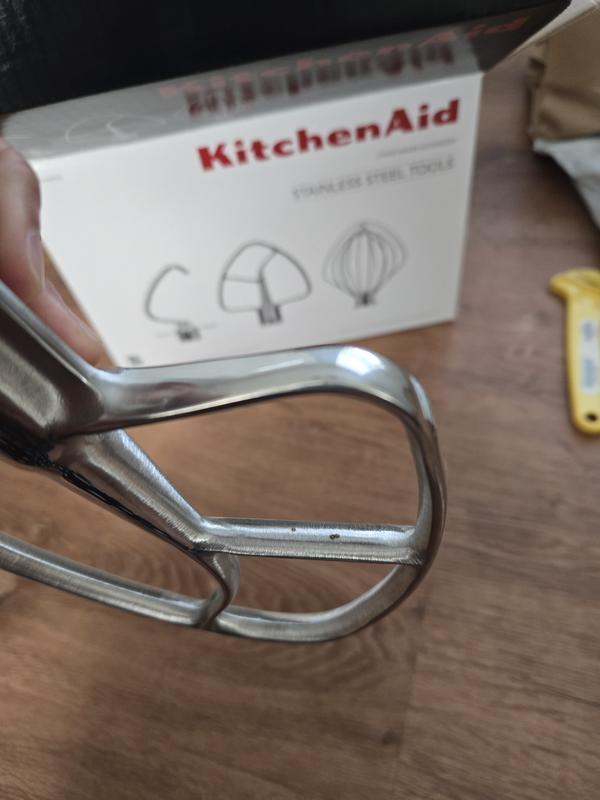
Credit: www.kitchenaid.com
Kitchen Aid Mixers And Lead Content
Many people wonder if Kitchen Aid mixers contain lead. Lead is harmful when found in kitchen tools. This article looks at the materials used in Kitchen Aid mixers and their safety standards.
Understanding the components can help you decide if these mixers are safe for your home. Let’s explore what materials are in these mixers and how they meet safety rules.
Materials Used In Kitchen Aid Mixers
Kitchen Aid mixers are made from metal, plastic, and paint. The main body often uses aluminum or stainless steel. These metals do not contain lead. The paint and coatings are tested to be safe for food contact.
- Aluminum or stainless steel body parts
- Food-safe plastic components
- Non-toxic, lead-free paint and coatings
- Sealed electrical parts to avoid contamination
Manufacturing Standards And Safety
Kitchen Aid follows strict safety rules during manufacturing. These rules limit lead in all parts that touch food. The company tests mixers to meet U.S. and international standards.
| Standard | Lead Limit | Applies To |
| FDA Food Contact Guidelines | Less than 0.1% | Paint and coatings |
| California Proposition 65 | Minimal detectable levels | All materials |
| RoHS Directive | Max 0.1% lead | Electrical components |
Testing For Lead In Mixers
Many people wonder if Kitchen Aid mixers contain lead. Lead is a harmful metal that can affect health. Testing helps find out if mixers have lead inside them.
Different tests check the parts of mixers. These tests help keep users safe and aware of any risks.
Available Lead Testing Methods
Lead testing in mixers uses several methods. One common way is using chemical test kits. These kits change color if lead is present.
Another method is X-ray fluorescence (XRF). It scans the mixer surface to find lead quickly. Labs also use wet chemistry testing. This method is very accurate but takes more time.
- Chemical test kits for quick results
- X-ray fluorescence (XRF) for non-destructive scanning
- Wet chemistry for detailed lab analysis
Results From Independent Tests
Independent tests show that most Kitchen Aid mixers do not have dangerous lead levels. Tests focus on paint and metal parts. Results usually find lead below safety limits.
Some older or damaged mixers may have higher lead. Users should test older models or avoid mixing acidic foods in chipped areas.
- Most Kitchen Aid mixers meet lead safety standards
- Older mixers may have higher lead risks
- Damaged paint or parts can increase lead exposure

Credit: www.amazon.com
Regulations On Lead In Kitchen Products
Lead is a toxic metal once common in kitchen tools. Safety rules now limit its use. These rules protect people from lead exposure.
Kitchen Aid mixers are popular. Many wonder if they contain lead. Understanding regulations helps answer this question.
Us And International Safety Standards
The United States sets strict limits on lead in kitchen products. The Food and Drug Administration (FDA) enforces these rules. They limit lead in materials touching food.
- The FDA allows only small amounts of lead in food contact surfaces.
- The Consumer Product Safety Commission (CPSC) sets lead limits for children’s products.
- California’s Proposition 65 requires warnings if lead is present above safe levels.
- International rules, like those from the European Union, also limit lead content.
- Many countries follow guidelines from the World Health Organization (WHO).
Compliance By Kitchen Aid
Kitchen Aid follows all US and global safety standards. Their mixers undergo tests to check lead levels. They use safe materials that meet legal limits.
| Aspect | Kitchen Aid Compliance |
| FDA Lead Limits | Fully Compliant |
| CPSC Safety Standards | Meets Requirements |
| California Proposition 65 | Provides Warnings When Needed |
| International Regulations | Adheres to EU and WHO Guidelines |
Consumer Tips For Safe Use
Many people ask if Kitchen Aid mixers contain lead. It is important to know how to use your mixer safely. This guide helps you avoid risks from harmful materials.
Lead can be dangerous if it gets into your food. Learning how to identify safe appliances and keep your mixer clean is key for safe use.
Identifying Safe Kitchen Appliances
Check if your mixer meets safety standards. Look for labels showing it is free from harmful substances like lead. Trusted brands usually follow strict rules.
Materials used in the mixer parts that touch food should be safe. Avoid mixers with paint or coatings that might chip or peel off.
- Look for certifications like FDA or NSF approval
- Choose mixers made with stainless steel or BPA-free plastic
- Avoid old or damaged mixers with worn surfaces
- Read product descriptions carefully before buying
Maintaining Your Mixer To Avoid Contamination
Keep your mixer clean to prevent contamination. Wash all removable parts after each use with warm, soapy water. Dry parts well before reassembling.
Check for cracks or chips regularly. Damaged parts can trap dirt or harmful substances. Replace any parts that look worn or broken.
- Clean the mixer body with a damp cloth, not soaking water
- Use non-abrasive cleaners to protect surfaces
- Store your mixer in a dry, clean place
- Inspect attachments for damage before use
Alternatives To Kitchen Aid Mixers
Some people worry about lead in Kitchen Aid mixers. It is good to know other mixers that avoid this risk.
Choosing the right mixer means looking at brands and materials carefully. This guide helps you find safe options.
Lead-free Mixer Brands
Many brands make mixers without lead in their parts. These brands focus on safety and quality.
- Breville: Uses stainless steel bowls and safe finishes.
- Hamilton Beach: Offers mixers with BPA-free and lead-free materials.
- Cuisinart: Known for metal parts free from harmful chemicals.
- Kenwood: Features durable, lead-free metal and plastic parts.
Material Considerations When Choosing Mixers
The materials in a mixer affect health and durability. Some materials are safer than others.
| Material | Safety | Durability |
| Stainless Steel | Lead-free and non-toxic | Very durable and rust-resistant |
| Aluminum | Can contain lead if not coated | Lightweight but less durable |
| Plastic | Choose BPA-free and lead-free | Less durable, can crack over time |
| Ceramic | Usually lead-free but can chip | Fragile but safe if intact |
Frequently Asked Questions
Do Kitchen Aid Mixers Contain Lead In Their Parts?
Kitchen Aid mixers do not contain lead in their main parts. They follow strict safety and quality standards to ensure consumer safety. Materials used are lead-free and comply with regulatory requirements. Users can confidently use these mixers without worrying about lead exposure.
Is It Safe To Use Kitchen Aid Mixers Daily?
Yes, Kitchen Aid mixers are safe for daily use. They are made from durable, food-safe materials that meet industry regulations. Regular cleaning and maintenance keep them hygienic and safe. There is no risk of harmful substances like lead affecting your food.
Are Kitchen Aid Mixer Attachments Free From Lead?
Kitchen Aid mixer attachments are lead-free and safe to use. They are manufactured with food-grade materials that meet safety standards. This ensures no toxic elements, including lead, contaminate your food during mixing or processing.
How Can I Verify If My Kitchen Aid Mixer Has Lead?
Check the product specifications and safety certifications provided by Kitchen Aid. Contact customer service or visit the official website for detailed material information. Reputable retailers also provide safety details. Kitchen Aid products generally do not contain lead.
Conclusion
KitchenAid mixers mostly do not contain lead. Rest assured. They are generally safe for kitchen use. Always check product details. This ensures peace of mind. Opt for trusted sources when buying. It’s important for health safety. Regular maintenance extends mixer life.
Clean your mixer after each use. It helps keep it in top condition. Choose wisely and enjoy baking. Delicious treats await your creativity. Enjoy the fun of cooking.


