Have you ever struggled with carrying heavy pots filled with water across your kitchen? Imagine if you could fill those pots right where you cook, saving time and effort every day.
Can You Add a Pot Filler to Your Kitchen? This simple upgrade might be exactly what your cooking routine needs. In this guide, you’ll discover how pot fillers work, whether they can fit in your space, and why installing one could transform the way you cook forever.
Keep reading to find out if a pot filler is the perfect match for your kitchen.
Benefits Of A Pot Filler
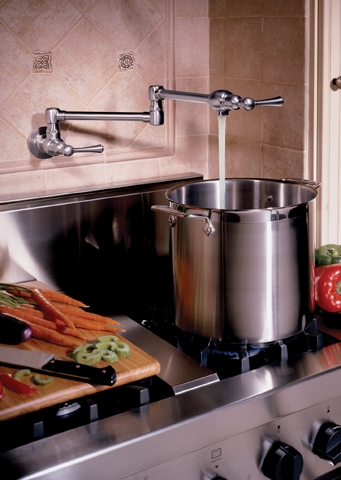
A pot filler is a faucet installed near your stove. It lets you fill pots with water without moving them. This feature adds ease and comfort to your cooking process.
Many homeowners wonder if adding a pot filler is worth it. Below are key benefits that show why it is a smart kitchen addition.
Convenience In Cooking
A pot filler saves time and effort during meal preparation. You no longer carry heavy pots filled with water from the sink to the stove. This reduces spills and accidents.
- Fill pots directly on the stove
- Adjust water flow easily with one hand
- Reduce kitchen mess and spills
- Speed up boiling and cooking times
Water Conservation
Pot fillers help you control water use better. You can add just the right amount of water for your recipe. This reduces waste and saves water over time.
| Water Use Aspect | With Pot Filler | Without Pot Filler |
|---|---|---|
| Water wasted by overfilling | Low | High |
| Water spilled when carrying pots | Minimal | Frequent |
| Water saved per cooking session | Up to 10 gallons | Less control |
Enhanced Kitchen Design
Pot fillers add a stylish and modern touch to your kitchen. They can complement your sink and stove setup. This faucet often becomes a focal point in the kitchen space.
- Choose a finish that matches your kitchen hardware
- Install above a sturdy backsplash for easy cleaning
- Pick a foldable arm for a clean look when not in use
- Use a separate handle for safety and ease
Credit: alliedphs.com
Types Of Pot Fillers
Pot fillers are handy faucets near the stove. They make filling pots easy and quick.
There are different types of pot fillers. Each type has unique features and designs.
Wall-mounted Models
Wall-mounted pot fillers attach directly to the wall near your stove. They save counter space and provide easy access to water.
These models often have long arms that reach over large pots. They stay out of the way when not in use.
Foldable And Swing-arm Designs
Foldable and swing-arm pot fillers can move in different directions. They fold back against the wall to save space.
- Foldable arms fold flat when not used
- Swing-arm designs rotate for better reach
- Both types help keep your kitchen tidy
- They make it easy to fill pots of all sizes
Materials And Finishes
| Material | Common Finish | Durability |
| Brass | Polished or Antique | High |
| Stainless Steel | Brushed or Shiny | Very High |
| Chrome | Bright and Reflective | Moderate |
Choosing the right material helps your pot filler last longer. It also matches your kitchen style.
Installation Requirements
Adding a pot filler to your kitchen requires careful planning. You must check plumbing, location, and installation methods.
Each factor affects how well the pot filler works and how safe it is to use.
Plumbing Considerations
A pot filler needs a dedicated water line and shut-off valve. The water pressure should meet the device’s specifications.
- Use proper pipe size to maintain pressure
- Install a shut-off valve for easy repairs
- Ensure pipes meet local plumbing codes
- Consider using copper or stainless steel pipes
Location And Placement
Place the pot filler near the stove for easy access. It should be high enough to fill large pots comfortably.
| Factor | Recommended |
| Height from counter | 10 to 15 inches |
| Distance from stove | Within arm’s reach |
| Wall type | Solid, load-bearing preferred |
| Clearance | Free from obstacles |
Professional Vs Diy Installation
Installing a pot filler can be tricky. Professionals know plumbing rules and safety standards.
- Professionals ensure proper pipe fitting and leak-proof seals
- They can handle permits and inspections if needed
- DIY saves money but risks mistakes without experience
- Incorrect installation may cause water damage or code violations
- Always turn off water supply before starting any work
Cost Factors
Adding a pot filler to your kitchen can make cooking easier. It lets you fill pots directly on the stove. But it comes with costs you should know about.
These costs include the price of the pot filler, installation fees, and ongoing maintenance. Understanding each helps you plan your budget well.
Price Of Pot Fillers
Pot fillers vary in price based on style and brand. Simple models cost less, while designer or high-end versions are pricier.
Prices usually range from $100 to $500. Some specialty designs can be even more expensive.
- Basic pot fillers: $100–$200
- Mid-range models: $200–$350
- High-end or designer styles: $350–$500+
Installation Expenses
Installing a pot filler requires plumbing work. A plumber must connect it to your water line safely.
Installation costs depend on your kitchen layout and plumber rates. It can take 1 to 3 hours or more.
- Plumber labor: $70–$150 per hour
- Additional parts like pipes or valves may add cost
- Older homes may need more work, raising expenses
Maintenance And Repairs
Pot fillers need little maintenance if used properly. Regular cleaning prevents mineral buildup.
Repairs might be needed if leaks or damage occur. Repair costs vary by the issue’s size and parts needed.
- Basic cleaning: no cost or minimal
- Minor repairs: $50–$150
- Major repairs or part replacement: $150–$300
Potential Challenges
Adding a pot filler to your kitchen can be very useful. It helps fill large pots easily. Yet, some challenges may come with installation.
Understanding these challenges will help you decide if a pot filler fits your kitchen needs.
Space Limitations
Pot fillers need enough wall space near the stove. Some kitchens may have limited room. Cabinets or windows can block the perfect spot.
- Check if there is free wall space behind your stove.
- Measure carefully to ensure the pot filler can fully extend.
- Consider relocating shelves or cabinets if needed.
Water Pressure Issues
Pot fillers require good water pressure to work well. Low pressure can cause slow water flow. This may frustrate users during cooking.
| Water Pressure Level | Effect on Pot Filler |
| Below 30 psi | Very slow water flow |
| 30-50 psi | Moderate flow, may be slow filling |
| Above 50 psi | Good flow, fills pots quickly |
Building Codes And Permits
Local rules may require permits to add a pot filler. Plumbing codes can vary by area. Ignoring codes can cause problems later.
Steps to follow for permits:
- Contact your local building department.
- Ask about permits for plumbing changes.
- Hire a licensed plumber to do the work.
- Schedule an inspection after installation.
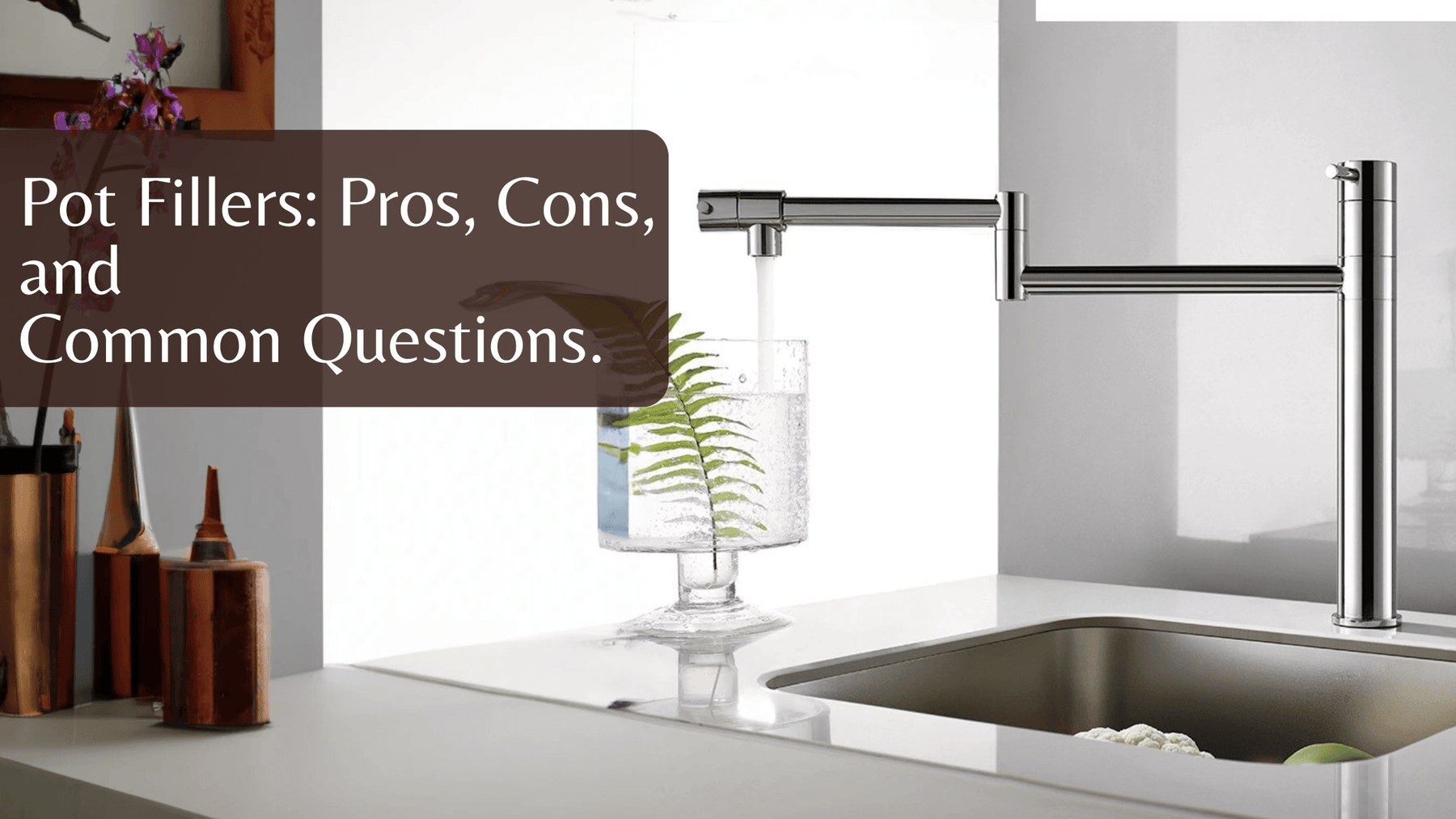
Credit: bo-ha.com
Choosing The Right Pot Filler
Adding a pot filler to your kitchen can make cooking easier. By installing a faucet near your stove, you can fill pots with water directly where you cook.
When you Add a Pot Filler, it’s important to choose the right one for your kitchen. Consider your kitchen style, how often and for what purposes you’ll use it, and your budget. A well-chosen pot filler combines convenience, style, and functionality to enhance your cooking experience.
Matching Kitchen Style
Pot fillers come in many designs. Pick one that fits your kitchen’s look. This helps keep a nice flow in your space.
For example, a modern kitchen looks good with sleek, simple pot fillers. Traditional kitchens suit classic designs.
- Modern kitchens: choose stainless steel or matte black finishes
- Traditional kitchens: go for bronze or polished brass styles
- Rustic kitchens: consider oil-rubbed bronze or copper
Functionality Needs
Think about how you will use the pot filler. Some have long arms to reach across big stoves.
Also, check if the faucet can fold back when not in use. This saves space and keeps your kitchen neat.
- Long swing arms help fill large pots easily
- Double-jointed arms add more reach and flexibility
- Folding designs keep the faucet out of the way
- Consider water pressure needs to ensure good flow
Budget Considerations
Pot fillers vary in price. Set a budget before you shop. This helps narrow down your choices.
Remember to include installation costs. Some pot fillers need special plumbing, which can raise the price.
- Basic pot fillers start at lower prices
- Premium finishes and brands cost more
- Installation may require a plumber
- Check warranty and parts availability
Care And Maintenance Tips
Adding a pot filler to your kitchen is a smart choice for convenience. To keep it working well, proper care is essential.
When you Add a Pot Filler, regular maintenance ensures it lasts longer and prevents issues such as leaks or buildup. Simple cleaning and occasional checks will keep your pot filler functioning smoothly and maintain its efficiency for years to come.
Cleaning Guidelines
Clean your pot filler regularly to stop dirt and grime buildup. Use a soft cloth and mild soap with water. Avoid harsh chemicals that can damage the finish.
Dry the pot filler after cleaning to stop water spots and rust. Clean moving parts gently to keep them working smoothly.
Preventing Leaks
Check your pot filler for leaks often. Tighten any loose connections with a wrench but do not over-tighten. Over-tightening can cause damage.
Turn off the water supply if you see any dripping. Fix leaks quickly to avoid water damage and waste.
- Inspect joints and valves every few months
- Replace worn washers or seals promptly
- Use plumber’s tape on threaded connections
When To Call A Professional
Call a plumber if you find a leak you cannot fix. Also, seek help if the pot filler feels loose or does not turn on and off properly.
If you notice low water pressure or strange noises, a professional can check the pipes and valves. Avoid trying complex repairs yourself.

Credit: www.yahoo.com
Frequently Asked Questions
Can You Install A Pot Filler In Any Kitchen?
Yes, most kitchens can accommodate a pot filler. It requires a water line near the stove and proper wall space. Professional installation ensures safety and optimal placement for convenience.
What Are The Benefits Of Adding A Pot Filler?
A pot filler saves time by filling pots directly on the stove. It reduces lifting heavy pots and minimizes spills. It also adds a stylish, functional element to your kitchen.
How Much Does It Cost To Add A Pot Filler?
The cost varies between $200 to $700 for the fixture. Installation can add $300 to $1,000 depending on plumbing complexity. Total costs depend on your kitchen’s existing setup.
Is A Pot Filler Compatible With All Stove Types?
Pot fillers work best with gas and electric stoves. They mount on the wall behind the stove for easy access. Compatibility depends on available space and plumbing access.
Conclusion
Adding a pot filler can enhance your kitchen’s functionality. This guide on Add a Pot Filler explains how this feature offers convenience by reducing trips to the sink. Installation might involve plumbing changes, so planning is essential. Consider your kitchen layout, budget, and space before deciding, as a well-placed pot filler can simplify cooking tasks significantly.
A pot filler adds both style and utility. It’s a practical choice for avid home cooks. With proper placement, you can enjoy easier meal preparations and a more efficient, stylish kitchen.