Imagine you’re in your kitchen, surrounded by the comforting aroma of freshly baked goods. You’re ready to create a perfect pie crust, but you’re not quite sure how to achieve that ideal flaky texture.
So, what is a pastry blender used for in the kitchen? This unassuming tool might just become your new best friend in baking. By the end of this article, you’ll discover not only the magic behind this essential tool but also how it can elevate your culinary creations.
Let’s dive in and explore how a pastry blender can make all the difference in your baking adventures.
Purpose Of A Pastry Blender
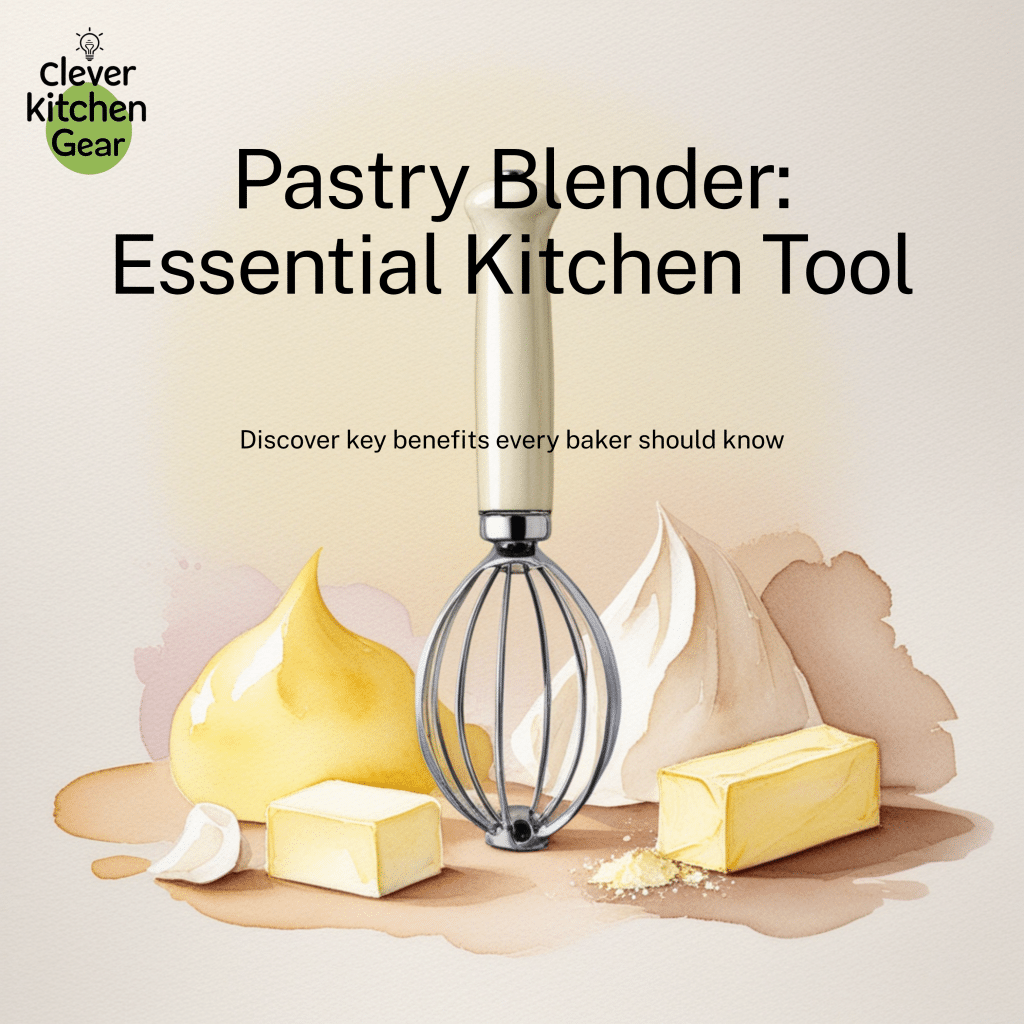
A pastry blender is a simple kitchen tool used to mix solid fats into flour. It helps make dough for pies, biscuits, and other pastries.
This tool makes it easier to blend ingredients evenly without melting the fat. It saves time and improves the texture of baked goods.
Mixing Dough Ingredients
The pastry blender cuts and mixes butter or shortening into flour quickly. It breaks up the fat into small pieces that mix well with dry ingredients.
This process avoids overworking the dough, which can make it tough. The pastry blender helps keep the dough tender and soft.
Achieving Flaky Pastry Texture
Using a pastry blender helps create small chunks of fat in the dough. These chunks melt during baking and make the pastry flaky.
Flaky texture is a key feature of good pies and biscuits. The tool helps keep the fat cold and separate from the flour.
Cutting Butter Into Flour
The pastry blender cuts cold butter into small pieces inside the flour. This spreads the butter evenly without melting it.
Even butter pieces create pockets in the dough that turn to steam while baking. This gives the pastry a light and airy feel.

Credit: www.amazon.com
Types Of Pastry Blenders
Pastry blenders help mix fat into flour for baking. There are different types of pastry blenders. Each type suits various cooking needs.
Understanding these types can help you pick the right tool for your kitchen. Let’s explore the common types of pastry blenders.
Traditional Wire Blenders
Traditional wire blenders have several metal wires attached to a handle. These wires cut and mix butter or shortening into flour easily. They are simple and durable tools.
They work best for small batches and basic dough recipes. The metal wires help create a crumbly mixture needed for pie crusts and pastries.
Plastic Handle Varieties
Many pastry blenders come with plastic handles for a comfortable grip. These handles are lightweight and easy to clean. They also reduce hand fatigue during use.
- Plastic handles come in different shapes and colors.
- They often have a non-slip surface for safety.
- Some models have detachable handles for dishwasher use.
Ergonomic Designs
Ergonomic pastry blenders focus on hand comfort and ease of use. They have curved handles that fit natural hand shapes. These designs help reduce strain during mixing.
| Feature | Benefit |
| Curved Handle | Fits hand comfortably |
| Soft Grip Material | Prevents slipping |
| Sturdy Construction | Lasts longer |
Advantages In Baking
A pastry blender is a small kitchen tool that helps mix ingredients. It is often used for cutting butter into flour.
Using this tool makes baking easier and improves dough quality. It saves time and gives better results.
Faster Dough Preparation
A pastry blender quickly cuts cold butter into dry ingredients. This action speeds up the dough-making process.
- Breaks butter into small pieces fast
- Combines ingredients evenly
- Reduces mixing time compared to using hands
Consistent Texture Results
The pastry blender helps create even dough texture. It avoids large lumps of butter or flour.
| Tool | Texture Result |
| Pastry Blender | Evenly mixed, crumbly dough |
| Hands | Uneven with large butter pieces |
| Spoon | Less control, rough mixing |
Reducing Hand Fatigue
Using a pastry blender reduces hand strain. It is easier than rubbing butter by hand.
- Less effort to mix ingredients
- Prevents cold butter from warming too fast
- Comfortable handle design for long use
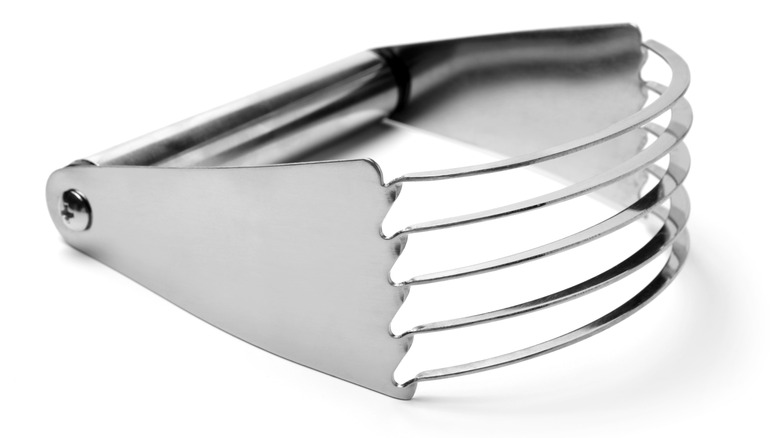
Credit: www.mashed.com
Alternative Uses In The Kitchen
A pastry blender is a small kitchen tool with multiple thin blades. It is mostly used to cut butter into flour for baking.
Besides baking, this tool helps with other kitchen tasks. It can mash, mix, and break up foods easily.
Mashing Soft Ingredients
A pastry blender works well for mashing soft foods like cooked potatoes or avocados. Its blades help crush the food smoothly.
This tool gives better texture than a fork. It breaks lumps and mixes ingredients evenly.
Mixing Salad Dressings
You can use a pastry blender to mix salad dressings. It helps blend oil, vinegar, and spices quickly.
The blades combine ingredients well and create a smooth dressing without shaking a jar.
Breaking Up Ground Meat
This tool is handy for breaking up ground meat while cooking. It separates meat pieces for even cooking.
Using a pastry blender avoids large clumps and speeds up browning in the pan.
Tips For Choosing A Pastry Blender
A pastry blender is a simple tool used to mix fat into flour for baking. Choosing the right one helps you make dough easily.
Look at material, handle comfort, and cleaning ease before buying a pastry blender.
Material And Durability
Pastry blenders come in different materials like stainless steel, plastic, and wood. Stainless steel blades last long and resist rust.
Choose a strong material that will not bend or break while mixing dough.
- Stainless steel blades are durable and rust-resistant
- Plastic parts may wear out faster but are lighter
- Wood handles can be sturdy but need care to avoid cracking
Handle Comfort
A comfortable handle helps you use the blender without hand pain. Look for soft grips or ergonomic shapes.
Handles that fit well in your hand make mixing easier and faster.
- Soft rubber or silicone grips reduce slipping
- Ergonomic shapes fit the hand better
- Avoid handles that are too thin or hard
Ease Of Cleaning
Pick a pastry blender that cleans easily. Some have simple shapes and dishwasher-safe parts.
Blenders with fewer crevices stop dough from sticking and save time.
- Dishwasher-safe blenders save effort
- Simple blade designs avoid trapped dough
- Removable handles make cleaning easier
Maintenance And Care
A pastry blender is an essential kitchen tool for mixing dough evenly. Proper care keeps it working well for a long time.
Cleaning and storing your pastry blender correctly can prevent damage and rust. This guide explains the best ways to maintain your tool.
Cleaning Best Practices
Clean your pastry blender right after use to stop dough from hardening on the blades. Use warm water and mild soap to avoid damage.
- Rinse the blender under warm water immediately after use.
- Use a soft brush to remove stuck dough between blades.
- Wash with mild dish soap and avoid harsh chemicals.
- Dry thoroughly with a clean towel to prevent rust.
- Do not put the blender in the dishwasher unless the manufacturer says it is safe.
Storage Suggestions
Store your pastry blender in a dry place to keep it in good shape. Avoid stacking heavy items on top of it to keep the blades straight.
| Storage Tip | Reason |
| Hang on a kitchen hook | Keeps blades dry and safe from damage |
| Place in a utensil holder | Easy access and prevents bending |
| Wrap in a clean cloth | Protects from dust and moisture |
| Avoid damp drawers | Prevents rust and corrosion |

Credit: glutenfreelhe.com
Frequently Asked Questions
What Is The Primary Use Of A Pastry Blender?
A pastry blender is mainly used to cut and mix cold butter into flour. It helps create crumbly dough for pies and pastries. This tool ensures even mixing without melting the butter, which is key for flaky textures in baked goods.
Can A Pastry Blender Replace A Food Processor?
While a food processor can mix dough, a pastry blender offers better control. It helps avoid overworking the dough, ensuring a tender, flaky result. Using a pastry blender lets you feel the dough’s texture as you blend.
How Do You Clean A Pastry Blender Properly?
To clean a pastry blender, rinse it immediately after use to remove dough residue. Use warm soapy water and a brush if needed. Dry it thoroughly to prevent rust and keep it in good condition for future baking.
Is A Pastry Blender Necessary For Baking Beginners?
A pastry blender is very helpful for beginners learning to make pie crusts and pastries. It simplifies mixing butter into flour evenly. This tool helps achieve professional baking results with less effort and frustration.
Conclusion
A pastry blender helps mix ingredients quickly and evenly. It cuts butter into flour for flaky dough. This tool saves time and effort in baking. It works well for pies, biscuits, and pastries. Using a pastry blender makes baking easier and neater.
Keep it in your kitchen for simple dough tasks. A small tool with a big impact on your baking results. Try it out and enjoy homemade treats with ease.