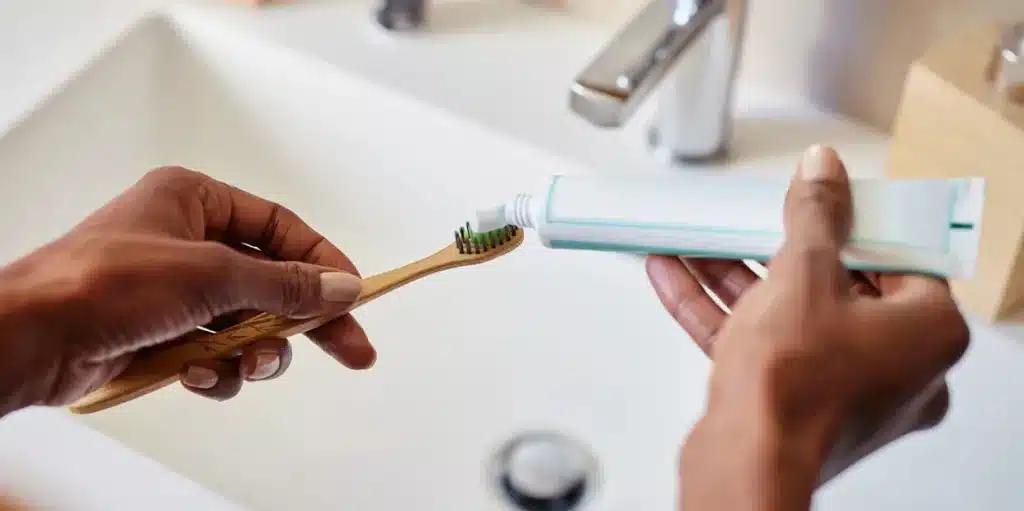
Have you ever found yourself pondering whether brushing your teeth in the kitchen sink is a good idea? You’re not alone.
This seemingly simple question can lead to a lot of debate. Maybe your bathroom is occupied, or you’re in a rush to get out the door. Whatever the reason, the idea of brushing in a different location might have crossed your mind.
But is it really okay to do so? Before you make it a habit, there are a few things you should consider. We’ll dive into the practicalities and hygiene concerns of using your kitchen sink for dental care. You’ll discover the surprising truths, expert insights, and a few tips that might change the way you think about your morning routine. Get ready to learn something new and maybe even make a decision that’s better for your health. Keep reading to find out if brushing your teeth in the kitchen sink is the right choice for you.
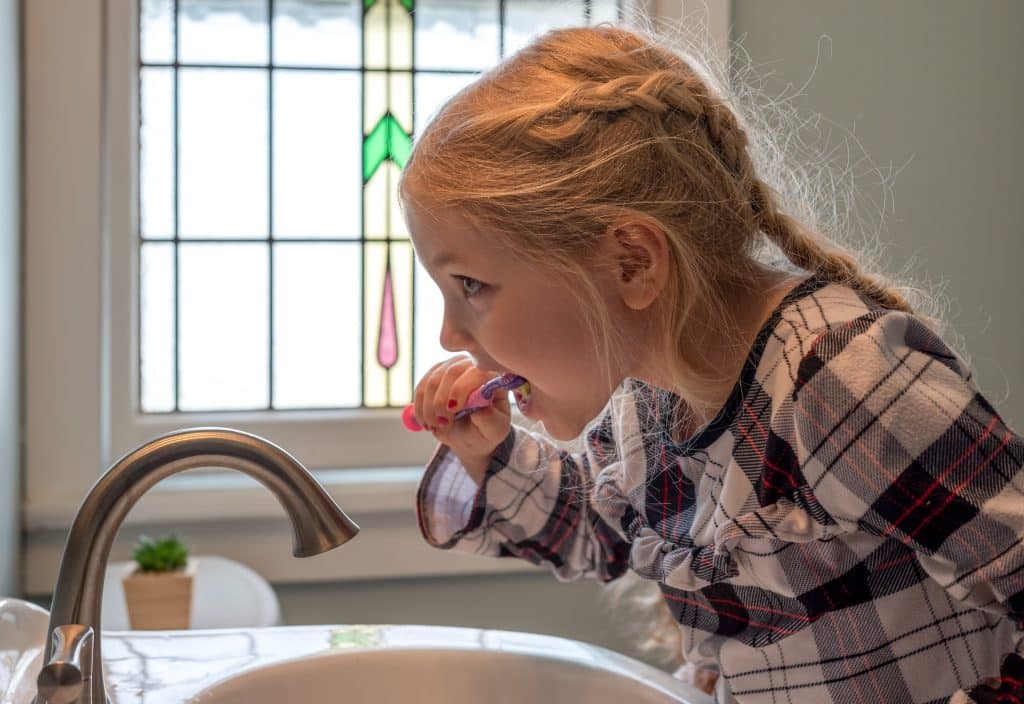
Credit: woodbridgedentalcentre.com
Is The Kitchen Sink Safe For Brushing?
Many people wonder if brushing their teeth in the kitchen sink is safe. The kitchen sink often has food particles and germs. These can affect your oral hygiene.
This article looks at common contaminants in kitchen sinks. It also compares bacteria levels in kitchen and bathroom sinks.
Common Contaminants In Kitchen Sinks
Kitchen sinks can hold many types of contaminants. These include leftover food, grease, and bacteria. They may cause health issues if used for brushing teeth.
- Food scraps that attract bacteria
- Soap scum and grease buildup
- Residues from raw meat or vegetables
- Fungi and mold in damp areas
Bacteria Levels Compared To Bathroom Sinks
Kitchen sinks often have higher bacteria levels than bathroom sinks. This is due to contact with food and dirty dishes. Bathroom sinks usually get cleaned more often.
| Sink Type | Common Bacteria Found | Average Bacteria Count (CFU/cm²) |
|---|---|---|
| Kitchen Sink | Salmonella, E. coli, Staphylococcus | 2000 |
| Bathroom Sink | Staphylococcus, Streptococcus | 800 |

Credit: www.reddit.com
Health Risks Of Brushing In The Kitchen Sink
Brushing your teeth in the kitchen sink may seem convenient. The kitchen sink is often used for many tasks, which can lead to health risks.
Understanding these risks can help you make safer choices for your oral hygiene routine.
Potential Exposure To Harmful Germs
The kitchen sink often holds bacteria from raw food and dirty dishes. These germs can transfer to your toothbrush and mouth.
Brushing your teeth here may increase your chances of getting sick from harmful bacteria.
- Bacteria from raw meat and vegetables live in kitchen sinks
- These germs can contaminate your toothbrush easily
- Exposure to such germs may cause infections or stomach issues
Cross-contamination Concerns
Using the kitchen sink for brushing teeth mixes bathroom hygiene with kitchen tasks. This mixing can spread germs between places.
Cross-contamination happens when bacteria from food or dishes spread to your mouth through your toothbrush.
- Kitchen sinks often have food residues and cleaning chemicals
- These substances can stick to your toothbrush during brushing
- This can lead to unwanted bacteria entering your mouth
Pros And Cons Of Using The Kitchen Sink
Brushing teeth in the kitchen sink is something some people do. It can be practical but also has some downsides. Understanding the pros and cons helps you decide if it is right for you.
This article looks at the convenience of using the kitchen sink and the sanitation challenges involved.
Convenience Factor
The kitchen sink is often easy to reach, especially if your bathroom is busy or far away. You can brush your teeth while cooking or doing other tasks.
Using the kitchen sink may save time and effort. You do not need to move between rooms.
- Easy access in the kitchen
- Saves time during busy mornings
- Can multitask while brushing
Sanitation Challenges
The kitchen sink often has food particles and germs from raw foods. This can make it less clean for brushing teeth.
Using the kitchen sink may increase the risk of spreading bacteria to your mouth. It is harder to keep it clean compared to a bathroom sink.
- Risk of bacteria from food residue
- Harder to keep the area germ-free
- Possible cross-contamination with dishes

Credit: www.boka.com
Best Practices For Safe Brushing Anywhere
Brushing your teeth is important for good oral health. Sometimes, you may need to brush in places like the kitchen sink. It is possible to do this safely with the right habits.
Keeping your brushing area clean and finding the best spot helps prevent germs. This guide shares tips to brush your teeth safely anywhere.
Proper Sink Cleaning Techniques
Before using the kitchen sink for brushing, clean it well. A clean sink reduces the risk of bacteria getting on your toothbrush or toothpaste.
- Remove any food residue or dishes from the sink.
- Use warm water and soap to scrub the sink surface.
- Rinse the sink thoroughly with clean water.
- Disinfect the sink with a safe cleaner or a diluted bleach solution.
- Allow the sink to dry before brushing your teeth.
Alternative Toothbrushing Spots
If the kitchen sink is not an option, other spots can work. Choose a place that is clean and has running water to rinse your mouth and toothbrush.
| Place | Why It Works |
| Bathroom Sink | Designed for hygiene and easy to clean |
| Portable Water Bottle with Mouth Rinse | Good for travel or outdoor brushing |
| Public Restroom Sink | Usually cleaned regularly, use with care |
| Disposable Cups and Water | Use for rinsing if no sink is available |
Expert Opinions On Toothbrushing Locations
Many people wonder if brushing teeth in the kitchen sink is safe. Experts give clear advice on where to brush teeth.
This article shares views from dentists and hygiene specialists to help you choose the best spot.
Dentists’ Recommendations
Dentists say brushing teeth should happen in a clean and private place. They prefer the bathroom sink for this task.
- Bathroom sinks have soap and water ready.
- They are designed for oral care routines.
- Using a bathroom sink reduces germs from food residue.
- The bathroom mirror helps check brushing technique.
Hygiene Specialists’ Views
Hygiene experts focus on cleanliness and cross-contamination risks. They often warn against using the kitchen sink for toothbrushing.
| Concern | Kitchen Sink | Bathroom Sink |
|---|---|---|
| Bacteria from food | High risk | Low risk |
| Cross-contamination | Possible | Less likely |
| Soap and cleaning | Not always used | Regularly used |
| Dedicated for oral care | No | Yes |
Frequently Asked Questions
Can I Brush My Teeth In The Kitchen Sink Safely?
Yes, you can brush your teeth in the kitchen sink. Ensure the sink is clean and free from food debris. Use separate toothbrush storage to avoid cross-contamination. Regularly disinfect the sink area to maintain hygiene and prevent bacterial buildup.
Is Brushing Teeth In The Kitchen Sink Unhygienic?
Brushing teeth in the kitchen sink can be hygienic if the sink is cleaned well. Avoid splashing food particles or dirty water. Use antibacterial cleaners to disinfect the area regularly. Proper cleaning reduces bacteria and keeps the space safe for oral care.
What Are The Risks Of Brushing Teeth In Kitchen Sink?
Risks include exposure to food residue, bacteria, and germs from dishes. Cross-contamination can occur if the sink is not properly cleaned. To reduce risks, disinfect the sink before brushing and avoid using the same space for food prep and oral hygiene.
How To Keep Kitchen Sink Safe For Brushing Teeth?
Clean the kitchen sink thoroughly before each use. Use antibacterial soap or disinfectant wipes to kill germs. Avoid placing toothbrushes near the drain or dirty dishes. Keep the sink dry and free from food debris to maintain a hygienic brushing spot.
Conclusion
Brushing your teeth in the kitchen sink is possible but not ideal. The kitchen sink may have more germs than the bathroom sink. Cleanliness matters for your health and safety. Use a clean sink and rinse it well before brushing.
Keep your toothbrush away from food and dishes. Choosing a proper place helps keep your mouth healthy. Simple habits can make a big difference every day. Remember, your smile deserves the best care you can give.