

Have you ever wondered how much power your kitchen really uses? You might be surprised to learn that understanding watts in your household kitchen can help you save energy and cut down on bills.
If you think a kitchen is just a place for cooking, think again—it’s also a hub of electrical activity. You’ll discover what a watt means in your kitchen, why it matters, and how you can make smarter choices every day.
Keep reading to unlock simple tips that can make a big difference in your home.
Kitchen Energy Basics
Many kitchen appliances use electricity measured in watts. Watts show how much power an appliance needs to work.
A household kitchen can contain many watts running at the same time. Knowing this helps manage energy use.
Common Kitchen Appliances
Kitchens have many appliances that use electricity. Each one has a different power need.
Some common appliances are refrigerators, microwaves, and coffee makers. Each uses watts differently.
- Refrigerator
- Microwave Oven
- Coffee Maker
- Toaster
- Electric Kettle
- Dishwasher
Typical Power Ratings
Power ratings tell how many watts an appliance uses. This helps estimate energy use and costs.
Some appliances use a few hundred watts. Others can use more than a thousand watts when running.
| Appliance | Typical Power (Watts) |
|---|---|
| Refrigerator | 100 - 800 W |
| Microwave Oven | 600 - 1200 W |
| Coffee Maker | 800 - 1500 W |
| Toaster | 800 - 1500 W |
| Electric Kettle | 1200 - 3000 W |
| Dishwasher | 1200 - 1500 W |
Measuring Wattage In The Kitchen
The kitchen has many devices that use electricity. Each device uses power measured in watts. Knowing the wattage helps save energy and money.
You can measure the wattage of your kitchen appliances in simple ways. This guide explains how to do it accurately.
Using A Watt Meter
A watt meter is a tool that shows how much electricity a device uses. Plug the meter into the wall outlet. Then plug the appliance into the meter.
The meter displays real-time wattage while the device is running. This helps you see the exact power each appliance uses.
- Turn on the watt meter and appliance
- Read the wattage on the meter display
- Note the wattage for different settings
- Use this data to manage energy use
Estimating Power Consumption
You can estimate wattage by checking the appliance label. Most devices list power use in watts or amps and volts.
To estimate watts, multiply amps by volts if watts are not listed. This gives a close idea of power used.
| Appliance | Typical Wattage |
|---|---|
| Microwave | 800 - 1200 W |
| Toaster | 800 - 1500 W |
| Blender | 300 - 700 W |
| Electric Kettle | 1200 - 1500 W |
| Coffee Maker | 600 - 1200 W |
High-wattage Appliances
Many household kitchen appliances use a lot of power. Knowing their wattage helps manage electricity better. High-wattage devices can affect your home's electrical load.
This guide covers common high-wattage kitchen appliances. It focuses on microwaves, ovens, coffee makers, and toasters.
Microwaves And Ovens
Microwaves and ovens often use between 800 and 3000 watts. They heat food quickly but consume a lot of power. Using them for long times can increase electricity use.
| Appliance | Typical Wattage |
| Countertop Microwave | 800 - 1500 W |
| Built-in Oven | 2000 - 3000 W |
| Toaster Oven | 1200 - 1800 W |
Coffee Makers And Toasters
Coffee makers and toasters are also high-wattage devices. They usually draw power quickly for a short time. This quick burst can add up if used often.
- Coffee Maker: 800 to 1500 watts
- Standard Toaster: 800 to 1400 watts
- High-end Toaster: up to 1800 watts

Credit: www.jackery.com
Low-wattage Devices
Many household kitchen devices use low watts of power. These devices help save energy. They often run quietly and last a long time.
Understanding low-wattage devices can help you make smart choices. You can reduce electricity bills by using them properly.
Led Lights
LED lights use very little electricity. They shine bright while using just a few watts. This makes them ideal for kitchen lighting.
- Use 5 to 10 watts per bulb
- Last up to 25,000 hours
- Produce less heat than old bulbs
- Save energy compared to incandescent lights
Small Gadgets
| Device | Typical Wattage |
| Electric Kettle (small) | 500 Watts |
| Toaster | 800 Watts |
| Hand Mixer | 150 Watts |
| Food Processor | 400 Watts |
| Microwave (compact) | 700 Watts |
Small kitchen gadgets usually have lower wattage than big appliances. They use power only when needed. This helps keep energy use low.
Energy Efficiency Tips
Saving energy in the kitchen helps reduce electric bills. Small changes make a big difference.
Using appliances wisely and choosing efficient models can lower power use. This also helps the environment.
Choosing Energy-saving Appliances
Look for appliances with energy labels. These use less power but work well. They often cost less in the long run.
| Appliance | Energy Star Rating | Average Watt Use |
| Refrigerator | Yes | 100-250 watts |
| Microwave | Yes | 600-1200 watts |
| Dishwasher | Yes | 1200-1500 watts |
| Electric Oven | No | 2000-5000 watts |
Smart Usage Habits
Changing how you use kitchen tools saves power. Turn off devices when not needed. Use timers and settings well.
- Run dishwashers and laundry machines with full loads only
- Use microwave ovens for small meals instead of large ovens
- Keep refrigerator doors closed as much as possible
- Unplug chargers and small appliances when not in use
- Use lids on pots to cook faster and save energy

Credit: www.yedihousewareappliances.com
Impact On Household Energy Bills
Household kitchens use many electrical devices. Each device uses a certain amount of watts.
The total energy use affects your monthly energy bill. Understanding watts helps control costs.
Calculating Cost Of Usage
To find how much a device costs, check its wattage. Multiply watts by hours used each day.
Then, convert watts to kilowatt-hours by dividing by 1,000. Multiply by your electricity rate.
- Find device wattage on label or manual
- Multiply watts by daily use hours
- Divide result by 1,000 to get kWh
- Multiply kWh by cost per kWh from your bill
Reducing Overall Consumption
Use kitchen devices only when needed. Turn off devices immediately after use.
Choose energy-efficient appliances. Use smaller devices for simple tasks.
- Unplug devices not in use
- Use microwave instead of oven for small meals
- Keep appliances clean for better efficiency
- Cook multiple meals at once to save energy
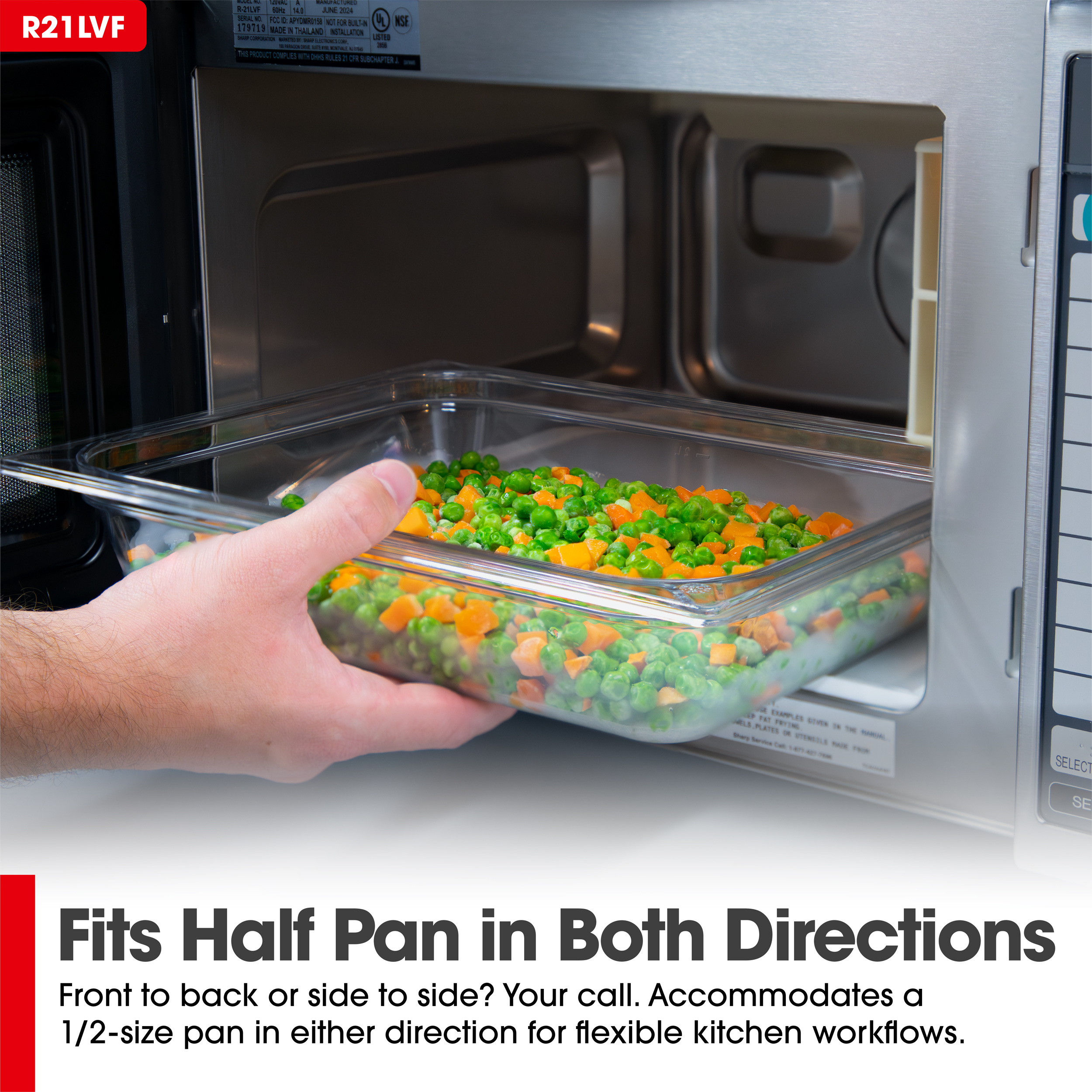
Credit: shop.sharpusa.com
Frequently Asked Questions
What Is A Watt In Household Kitchen Terms?
A watt measures electrical power used by kitchen appliances. It indicates how much energy an appliance consumes to operate efficiently.
Can Kitchen Appliances Exceed Typical Wattage Limits?
Yes, some kitchen devices can use more watts during peak operation. High-wattage appliances include ovens, microwaves, and blenders.
How To Calculate Wattage Of Kitchen Appliances?
Multiply voltage by current (amps) to find wattage. Check appliance labels for voltage and amp ratings for accuracy.
Does Higher Wattage Mean Better Kitchen Appliance Performance?
Not always; higher wattage may mean faster or stronger operation. However, efficiency and design also impact appliance performance.
Conclusion
Exploring watt usage in kitchens is fascinating. Energy efficiency matters for homes. Understanding watts helps save energy. Kitchen appliances use many watts. Manage power wisely to reduce bills. Choose energy-saving devices for your kitchen. Simple steps can make a big difference.
Learn watt usage for each appliance. Awareness leads to better energy habits. Make informed choices daily. Watt management benefits both wallet and planet. Save energy, save money. Keep your kitchen efficient and eco-friendly. Start small, think big. Your kitchen can be both functional and energy-smart.


