How to Deodorize a Wooden Cutting Board: Imagine preparing your favorite meal, only to be greeted by an unpleasant odor emanating from your trusty wooden cutting board. It’s a common issue faced by many home cooks, and if you’re here, you’re probably wondering how to tackle it.
Wooden cutting boards are a staple in the kitchen for their durability and aesthetic appeal, but they can sometimes hold onto strong smells. The good news? There are simple and effective ways to deodorize your cutting board and keep it fresh for your culinary adventures.
In this guide, you’ll discover easy, step-by-step methods to eliminate those pesky odors and maintain the natural beauty of your board. Ready to dive into the secrets of a fresh-smelling kitchen? Let’s get started!

Credit: food52.com
Causes Of Odors On Wooden Boards
Wooden cutting boards can absorb smells from foods. These odors can linger and affect the taste of other foods. Understanding what causes these smells helps keep boards fresh.
Odors come from food particles trapped in the wood. Moisture and bacteria also play a role. Let's look at the main causes of bad smells on wooden boards.
Food Residue And Stains
Small bits of food can stick to the board's surface. These particles get trapped in the tiny pores of the wood. Over time, they start to rot and create bad smells.
Moisture And Dampness
Wood absorbs water, especially if not dried well. Moisture stays inside the board and creates a damp environment. This encourages mold and mildew, which cause odors.
Bacterial Growth
Bacteria grow on wooden surfaces when food and moisture are present. Some types of bacteria produce foul smells. These germs are hard to remove without proper cleaning.
Strong-smelling Foods
Certain foods leave stronger odors on wood. Garlic, onions, and fish are examples. Their oils soak into the wood and cause persistent smells.
- Garlic and onions release sulfur compounds.
- Fish oils penetrate deep into wood fibers.
- Spices like curry can stain and smell.
Lack Of Proper Cleaning
Not cleaning boards well leads to odor buildup. Soap and water alone may not remove all residue. Regular deep cleaning helps prevent bad smells.
| Cleaning Issue | Effect |
|---|---|
| Skipping cleaning after use | Food particles remain |
| Not drying board fully | Moisture stays inside |
| Using harsh chemicals | Damages wood surface |
Daily Cleaning Methods
Keeping a wooden cutting board clean is important for food safety. Daily cleaning removes odors and bacteria.
Simple cleaning methods help keep your board fresh and ready to use every day.
Soap And Water Technique
Use warm water and mild dish soap to clean your wooden cutting board. This removes food particles and surface dirt.
Wash the board gently with a sponge or cloth, then rinse well. Dry it quickly to avoid water damage.
- Use warm, soapy water
- Scrub gently with a sponge
- Rinse with clean water
- Dry with a towel immediately
Using Vinegar Solution
Vinegar kills bacteria and neutralizes odors on wooden cutting boards. It is a natural and safe cleaner.
Mix equal parts white vinegar and water. Wipe the board with the solution using a cloth or spray bottle.
- Mix 1 part vinegar with 1 part water
- Apply solution with a cloth or spray
- Let it sit for a few minutes
- Rinse and dry the board thoroughly
Natural Deodorizing Remedies
Wooden cutting boards can absorb smells from foods. These odors can be hard to remove with regular washing.
Using natural ingredients helps clean and deodorize the board safely. They also keep the wood in good shape.
Lemon And Salt Scrub
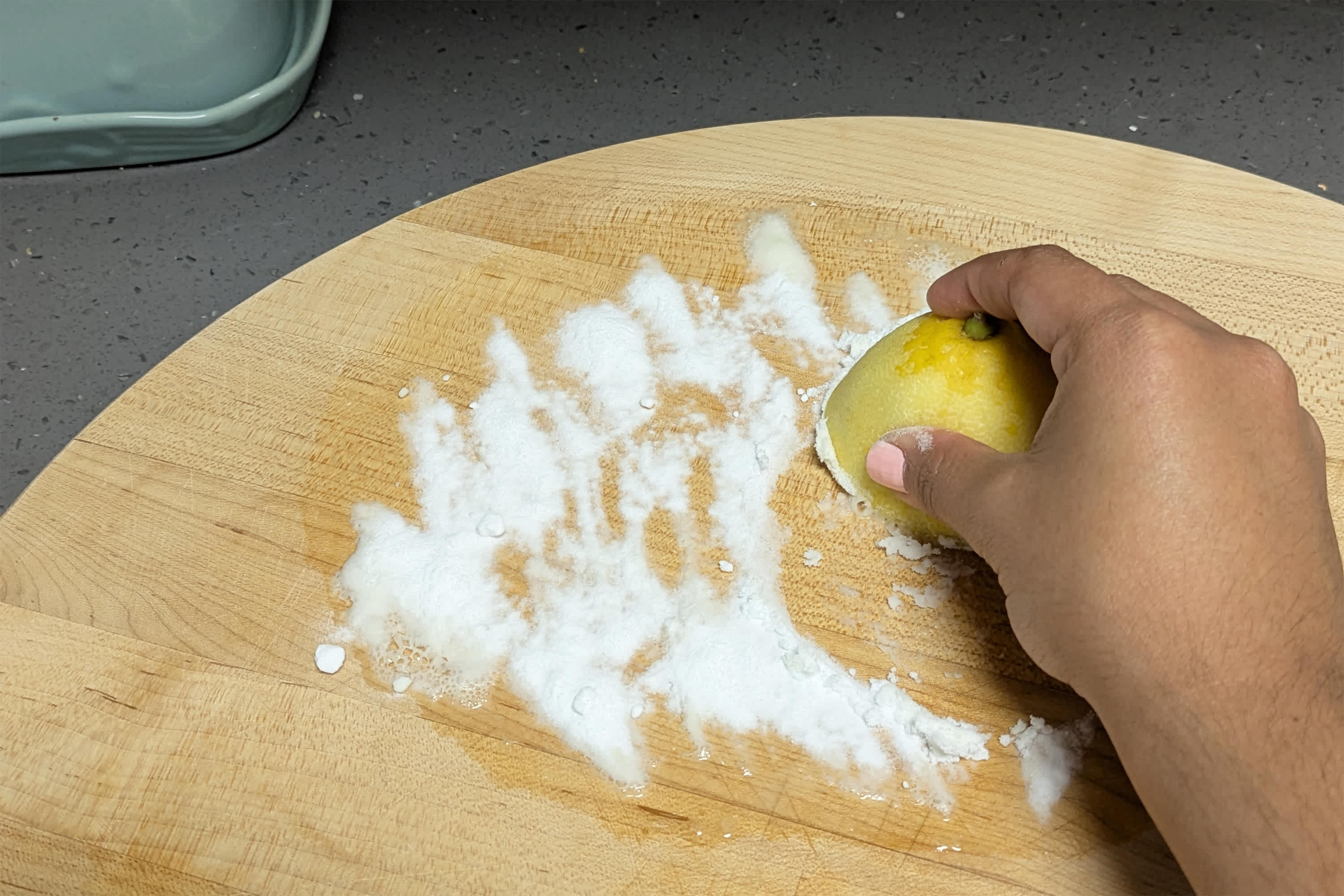
Cut a lemon in half and sprinkle coarse salt on the board. Use the lemon to scrub the surface well.
The lemon juice breaks down odors, and the salt acts as a gentle scrub to lift stains and smells.
- Cut a lemon in half
- Sprinkle coarse salt on the board
- Rub the lemon over the salted board
- Let it sit for 5 minutes
- Rinse with warm water and dry
Baking Soda Paste
Mix baking soda with a little water to make a thick paste. Spread it over the cutting board.
The baking soda paste absorbs odors and cleans the wood gently without damaging it.
- Combine 3 parts baking soda with 1 part water
- Apply the paste to the board surface
- Let it sit for 10 minutes
- Scrub lightly with a sponge or cloth
- Rinse well and dry completely
Credit: www.lemonslavenderandlaundry.com
Deep Cleaning For Stubborn Smells
Wooden cutting boards can hold strong odors from food. Sometimes, regular washing is not enough. Deep cleaning helps remove these stubborn smells.
Using special treatments can freshen your board and keep it safe for food. These methods are easy and use common household items.
Hydrogen Peroxide Treatment
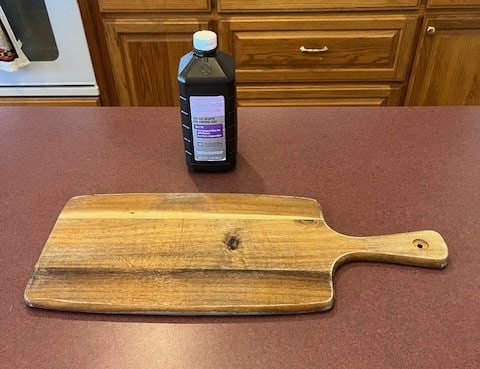
Hydrogen peroxide helps kill bacteria and remove odors. It is a gentle cleaner that is safe for wooden surfaces.
To use, pour 3% hydrogen peroxide on the board. Spread it evenly and let it sit for a few minutes. Then rinse well with water and dry.
- Use only 3% hydrogen peroxide from the store
- Do not soak the board for too long
- Dry the board completely after cleaning
Activated Charcoal Use
Activated charcoal absorbs bad smells from the wood. It works by trapping odor molecules inside its pores.
Place a small pouch or some powdered charcoal on the board. Leave it overnight to let the charcoal work. Remove it and wipe the board clean.
- Use food-safe activated charcoal if possible
- Keep charcoal away from wet areas to avoid clumping
- Repeat if the smell returns after some time
Preventing Future Odors
Wooden cutting boards can absorb smells if not cared for properly. Taking simple steps helps keep your board fresh and odor-free.
Two key habits prevent bad odors: drying the board well and regularly oiling it. Both protect the wood and stop smells from settling in.
Proper Drying Techniques
Moisture left on your wooden board creates a place for bacteria and odors. Dry the board well after washing to avoid this.
- Use a clean towel to wipe off excess water.
- Stand the board upright to air dry completely.
- Avoid leaving the board flat on a wet surface.
- Keep the board in a dry area with good airflow.
- Do not store the board in a closed cabinet while damp.
Regular Oil Conditioning
Oiling your wooden cutting board keeps the wood strong and seals tiny cracks where odors hide. Use food-safe oil and apply often.
| Oiling Frequency | Condition |
| Once a month | Light use |
| Every 2 weeks | Heavy use |
| After deep cleaning | Any use |
Credit: www.thekitchn.com
When To Replace Your Cutting Board
Wooden cutting boards last a long time but need replacing eventually. Using an old board can affect food safety and kitchen hygiene.
Knowing when to replace your wooden cutting board helps keep your cooking area clean and safe.
Deep Cracks And Cuts
Deep cracks and cuts can trap bacteria and dirt. These areas are hard to clean properly. If your board has many deep grooves, it is time to replace it.
Persistent Odors
Wood absorbs smells from food. If your board smells bad after cleaning, it may be too old. Persistent odors mean bacteria may be inside the wood.
Warping And Splitting
Wooden boards can warp or split from water and use. A warped board does not sit flat and is unsafe to use. Splits can cause splinters and hide germs.
- Warped boards wobble on the counter.
- Splits create hard-to-clean spaces.
- Both can cause injury during food prep.
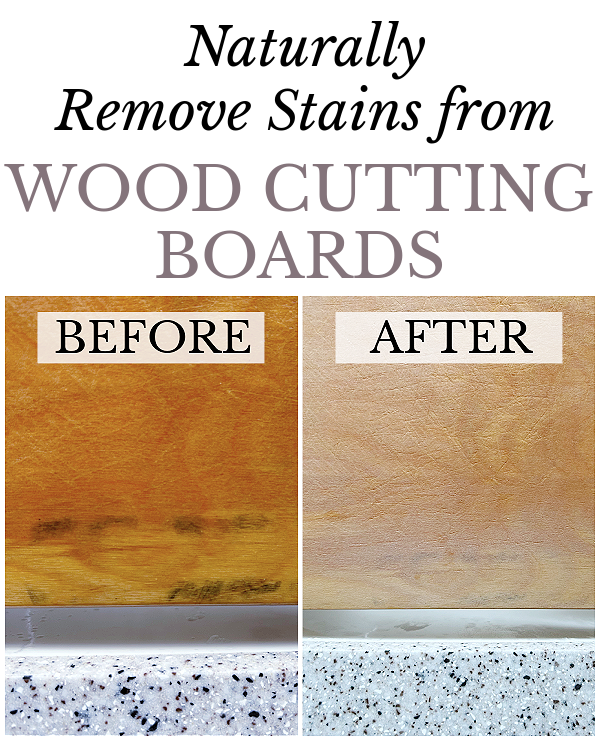
Stains And Discoloration
Dark stains or discoloration may show mold or deep bacteria growth. If stains do not fade with cleaning, replace the board to avoid risks.
Compare Board Conditions
| Condition | Signs to Replace |
|---|---|
| Cracks | Deep cuts trapping dirt and germs |
| Odor | Strong, lasting smells after cleaning |
| Warping | Board no longer lays flat |
| Splitting | Wood pieces breaking off or splinters |
| Stains | Dark marks that don’t clean away |
Frequently Asked Questions
How Do I Remove Odors From A Wooden Cutting Board?
To remove odors, sprinkle baking soda on the board. Rub it with a lemon half, then rinse with warm water. Dry thoroughly to prevent moisture buildup and lingering smells.
Can Vinegar Deodorize A Wooden Cutting Board?
Yes, vinegar effectively deodorizes wooden cutting boards. Wipe the board with white vinegar and let it sit for a few minutes. Rinse with water and dry. Vinegar neutralizes odors and kills bacteria naturally.
Is Lemon Juice Safe For Wooden Cutting Boards?
Lemon juice is safe and natural for deodorizing wooden boards. Its acidity breaks down odor-causing compounds. Apply lemon juice, scrub gently, then rinse and dry to keep your board fresh and clean.
How Often Should I Deodorize My Wooden Cutting Board?
Deodorize your wooden cutting board weekly or after cutting strong-smelling foods. Regular cleaning prevents odor buildup and keeps the board hygienic for food preparation.
Conclusion
Keeping your wooden cutting board fresh is simple and quick. Use natural ingredients like lemon and baking soda for best results. Regular cleaning stops bad smells from building up. Dry your board well to avoid moisture damage. Clean boards make cooking safer and more pleasant.
Try these easy steps and enjoy a fresh cutting surface every time. A little care goes a long way. Your kitchen will thank you.