What Mixer Speed for Whipped Cream? Imagine this: You're in your kitchen, ready to whip up a batch of fluffy, delicious whipped cream. You’ve got your ingredients lined up, but there’s one question on your mind—what mixer speed should you use?
This seemingly simple detail can make all the difference between perfect peaks and a deflated disaster. Whether you're topping off a luscious dessert or crafting an elegant coffee creation, getting the mixer speed just right is crucial. In this guide, we’ll uncover the secrets to achieving that perfect texture and consistency.
Stick with us, and you’ll be whisking like a pro in no time. Ready to unlock the key to creamy success? Let's dive in.
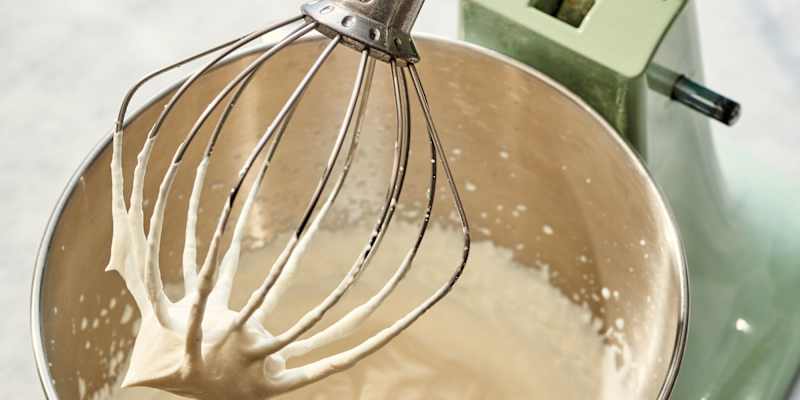
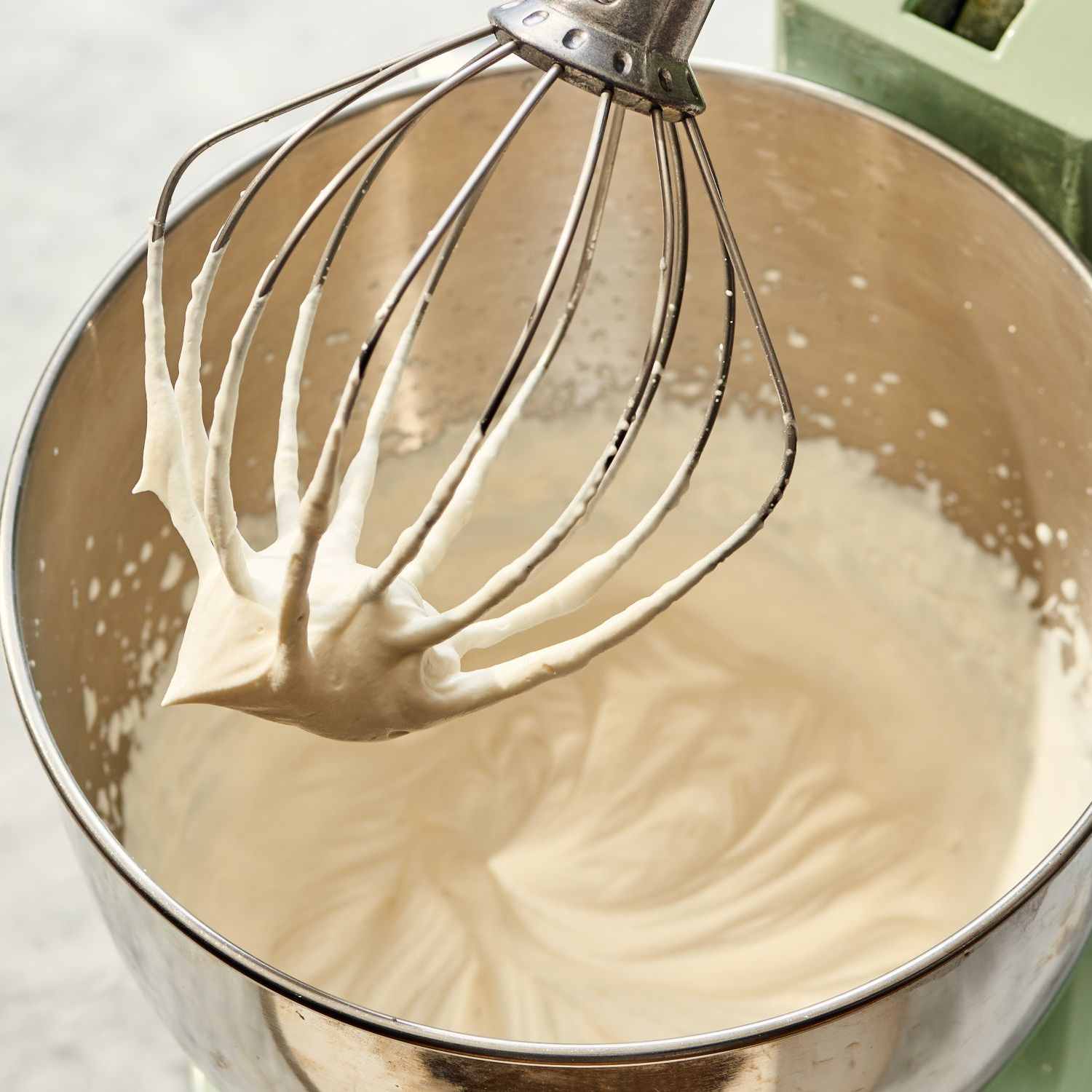
Credit: www.thekitchn.com
Choosing The Right Mixer
Whipped cream needs the right mixer speed to get fluffy and light. Using the correct mixer helps you save time and effort.
Choosing between a hand mixer and a stand mixer affects how fast and easy you whip cream. Let’s look at their differences.
Hand Mixer Vs Stand Mixer
A hand mixer is light and easy to move. It works well for small batches of whipped cream. You control the speed with a dial or button.
A stand mixer stays in one place. It has a bowl that spins while the beaters whip. This is good for large amounts and frees your hands.
- Hand Mixer:Portable, easy to clean, best for quick jobs
- Stand Mixer:Powerful, stable, good for big batches
- Speed Control:Both allow speed changes, but stand mixers often have more levels
Mixer Attachments For Whipping
Attachments affect how well your mixer whips cream. Using the right tool gives better results and faster whipping times.
| Attachment | Description | Best For |
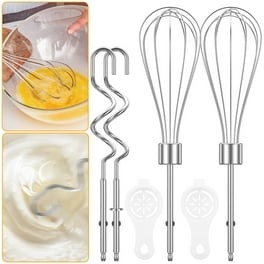
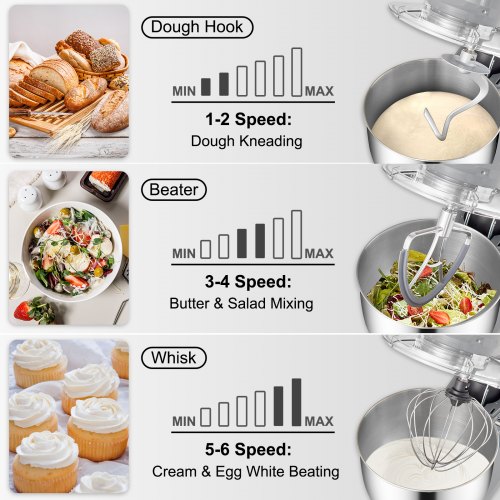
| Whisk Attachment | Has thin wires shaped in a balloon form | Whipping cream, egg whites, light batters |
| Beater Attachment | Flat blades for mixing thick doughs and batters | Mixing cake batter, not ideal for whipped cream |
| Dough Hook | Curved hook for kneading dough | Not used for whipping cream |
Cream Type And Temperature
Whipping cream requires the right speed on your mixer. The cream type and its temperature affect the best speed to use.
Choosing the right cream and keeping it cold helps you get fluffy whipped cream faster and easier.
Best Cream For Whipping
Heavy cream and whipping cream are the best for making whipped cream. They have enough fat to hold air while whipping.
- Heavy Cream:Contains 36% to 40% fat. Whips quickly and holds shape well.
- Whipping Cream:Has 30% to 35% fat. Whips well but is softer than heavy cream.
- Half-and-Half:Contains 10% to 18% fat. It rarely whips well and is not ideal.
How Temperature Affects Whipping
Cold cream whips faster and better. Warm cream takes longer and may not whip well at all.
| Cream Temperature | Effect on Whipping | Recommended Mixer Speed |
|---|---|---|
| Chilled (35-40°F / 2-4°C) | Best for quick and stable whipping | Medium to High Speed |
| Room Temperature (68-72°F / 20-22°C) | Whips slower, less stable foam | Low to Medium Speed |
| Warm (Above 75°F / 24°C) | Hard to whip, weak foam | Low Speed, not recommended |
Mixer Speeds Explained
Whipped cream needs the right mixer speed to get perfect texture. Using proper speed helps you control how cream thickens.
Different speeds serve different purposes during whipping. Knowing when to use each speed makes a big difference.
Low Speed: Benefits And Uses
Low speed mixes ingredients gently. It helps avoid splashes and keeps cream from turning to butter too fast.
- Combine cream with sugar or flavorings
- Prevent cream from spilling out of the bowl
- Start whipping slowly to build volume gradually
Medium Speed: When To Use
Use medium speed once cream begins to thicken. This speed helps build a smooth, soft texture.
| Speed | Purpose | Result |
|---|---|---|
| Low | Mix ingredients | Gentle blend, less mess |
| Medium | Thicken cream | Soft, smooth texture |
| High | Whip to stiff peaks | Firm, stable cream |
High Speed: Achieving Stiff Peaks
High speed whips cream fast. It traps air for stiff peaks that hold shape well for decorating or baking.
- Use only after cream thickens at medium speed
- Stop whipping once peaks hold stiff shapes
- Avoid overwhipping to prevent turning into butter
:max_bytes(150000):strip_icc()/whipped-cream-_7885_Step03_204-4fa215f3b7a746c7b3b441d25054c10b.jpg)
Credit: www.southernliving.com
Steps To Whip Cream Perfectly
Whipping cream is easy if you know the right mixer speed. Using the correct speed helps you get the best texture. Follow these steps to whip cream perfectly every time.
Pay close attention to your equipment and the speed changes. This will make your whipped cream smooth and fluffy.
Preparing Cream And Equipment
Start with cold cream and chilled equipment. Cold tools help cream whip faster and hold its shape.
- Use heavy cream or whipping cream with at least 30% fat.
- Chill the mixing bowl and beaters in the fridge for 15 minutes.
- Measure the cream before whipping for best results.
Starting At Low Speed
Begin whipping cream at low mixer speed. This prevents splashing and helps cream start to thicken evenly.
Keep mixing gently for about 1 to 2 minutes. You will see bubbles forming slowly.
Increasing Speed Gradually
After low speed, raise the mixer speed bit by bit. This helps build volume without breaking the cream.
| Mixer Speed | Action | Time |
|---|---|---|
| Low | Start whipping to prevent splashes | 1-2 minutes |
| Medium | Build foam and volume | 2-3 minutes |
| High | Reach stiff peaks and firmness | 1-2 minutes |
Signs Of Perfectly Whipped Cream
Know when your cream is ready by checking its texture and shape. Stop mixing as soon as the cream forms stiff peaks.
- The cream holds its shape on the whisk or beaters.
- It looks smooth and fluffy without lumps.
- It does not look runny or grainy.
- It should not be over whipped or turn into butter.
Common Whipping Mistakes
Whipping cream seems easy, but many people make mistakes. These errors affect the texture and taste.
Choosing the right mixer speed is key to good whipped cream. Let’s look at common problems and fixes.
Overwhipping And How To Fix It
Overwhipping cream makes it turn grainy or even into butter. This happens if you mix too fast or too long.
To fix overwhipped cream, try gently folding in some fresh cream. This softens the texture and smooths it out.
- Stop whipping as soon as soft peaks form
- Use medium speed instead of high speed
- If overwhipped, add fresh cream slowly and fold
Underwhipping And How To Avoid
Underwhipped cream stays liquid and won't hold shape. It happens if speed is too low or whipping time is short.
Whip cream at a medium to high speed until soft peaks appear. This means the cream holds shape but is still smooth.
- Use chilled cream and cold bowl for better whipping
- Start at medium speed, then increase if needed
- Watch the cream; stop whipping at soft or stiff peaks
Using The Wrong Speed
Using too high speed can cause splashing and overwhipping. Too low speed leads to slow whipping and underwhipping.
Start whipping cream at medium speed. Increase speed slowly if needed. This balance gives best texture and control.
- Begin mixing at medium speed
- Increase speed gradually as cream thickens
- Stop mixing once peaks form to avoid overwhipping
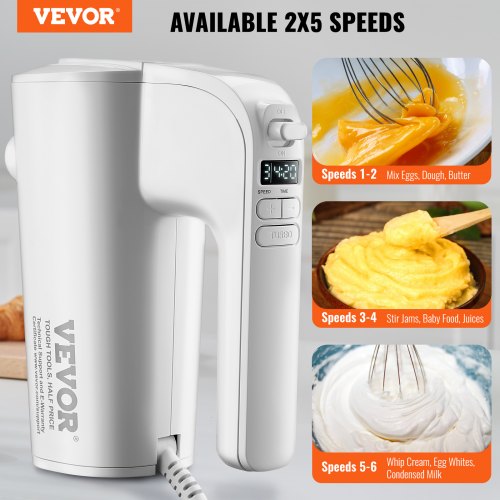
Credit: www.vevor.ca
Tips For Consistent Results
Whipping cream requires the right mixer speed for the best texture. Using the correct speed helps you get stable, fluffy whipped cream.
These tips focus on tools, stabilizers, and speed adjustments. Follow them to improve your whipping every time.
Chilling Bowls And Tools
Cold bowls and beaters help cream whip faster. They keep the cream cold, which is important for good volume and texture.
Before whipping, place your bowl and beaters in the fridge or freezer for 15-20 minutes. This keeps the cream from warming up too fast.
- Use metal or glass bowls for better cooling
- Plastic bowls hold warmth and slow whipping
- Cold tools help cream reach stiff peaks faster
Adding Stabilizers
Stabilizers keep whipped cream firm longer. They stop it from melting or separating too soon.
Common stabilizers include gelatin, cream of tartar, and powdered sugar. Add them to cream before whipping for best results.
- Gelatin adds firmness but needs dissolving first
- Cream of tartar improves texture and stability
- Powdered sugar adds sweetness and helps hold peaks
Adjusting Speed For Volume
Start whipping cream at a medium speed. This helps mix air gently without splashing.
Increase speed to high once the cream begins to thicken. High speed builds volume quickly and forms stiff peaks.
- Begin at medium speed to blend cream smoothly
- Raise to high speed as cream thickens
- Stop whipping when stiff peaks form to avoid overwhipping
Frequently Asked Questions
What Is The Best Mixer Speed For Whipped Cream?
Use medium to medium-high speed for whipped cream. Start slow to avoid splattering, then increase gradually. This ensures smooth, fluffy cream without overwhipping or turning it into butter.
Can I Use High Speed To Whip Cream Faster?
High speed whips cream faster but risks overwhipping. It can cause the cream to separate into butter and buttermilk. Medium speed offers better control and a consistent fluffy texture.
How Long Should I Whip Cream At Medium Speed?
Whip cream at medium speed for about 3 to 5 minutes. Watch for soft to stiff peaks forming. Stop once the desired firmness is reached to avoid overwhipping.
Does Mixer Speed Affect Whipped Cream Texture?
Yes, mixer speed affects texture. Low speed creates soft peaks, medium speed yields firm peaks, and high speed may make cream grainy or buttery. Optimal speed ensures smooth and stable whipped cream.
Conclusion
Whipping cream needs the right mixer speed for best results. Start slow to avoid splashing and then increase speed gradually. Medium to high speed helps cream thicken evenly and quickly. Watch closely to stop at soft or stiff peaks. Overwhipping can turn cream into butter.
Practice a few times to find your perfect speed. This way, your whipped cream stays light, fluffy, and smooth every time. Simple steps make a big difference in your dessert’s taste and look.