
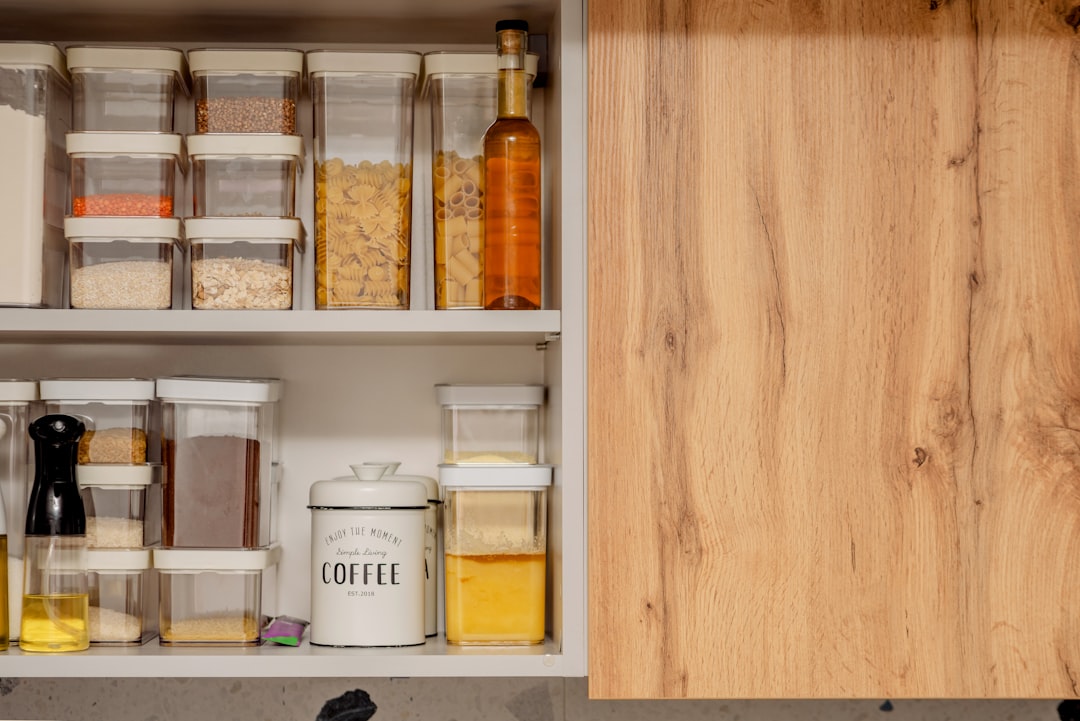
When you open your kitchen cabinets, are you greeted by a jumble of mismatched containers and missing lids? You're not alone.
Choosing the right material for your kitchen storage containers can transform your chaotic kitchen into an organized oasis. But with so many options like plastic, glass, and stainless steel, how do you decide which is best for you? The material you choose can impact not only the freshness of your food but also your health and the environment.
By the end of this article, you'll know exactly which material suits your needs and why making the right choice can make your kitchen routine smoother and more efficient. Get ready to discover the secrets of the best kitchen storage solutions tailored just for you!
Types Of Kitchen Storage Materials
Choosing the right material for kitchen storage containers is important. It affects how food stays fresh and how easy the containers are to use.
Different materials have unique benefits and drawbacks. Let’s look at common types used for kitchen storage containers.
Plastic Containers
Plastic containers are lightweight and affordable. They come in many shapes and sizes, making them very popular.
Some plastics are safe for microwaves and dishwashers. Look for BPA-free options to avoid harmful chemicals.
- Light and easy to carry
- Can be airtight and leak-proof
- May stain or absorb odors over time
- Not always heat-resistant
Glass Containers
Glass containers are sturdy and do not absorb smells or stains. They are safe to use in ovens and microwaves.
They are heavier than plastic but last longer. Glass is also recyclable and eco-friendly.
- Non-toxic and easy to clean
- Good for hot and cold storage
- Breakable if dropped
- Usually more expensive
Stainless Steel Containers
Stainless steel containers are very durable and do not break easily. They keep food fresh and protect it from light.
These containers are often used for dry goods. They are usually not microwave-safe.
- Long-lasting and strong
- Resistant to stains and odors
- Not see-through, so you cannot see contents
- Do not use in microwave
Ceramic Containers
Ceramic containers are stylish and good for dry storage. They keep food cool and fresh for a long time.
These containers can be heavy and fragile. Many have airtight lids to protect food.
- Attractive and good for serving
- Often microwave and dishwasher safe
- Can chip or break easily
- Not suitable for all storage needs
Silicone Containers
Silicone containers are flexible and easy to store. They are safe for microwaves and freezers.
These containers are good for snacks and liquids. They do not break or crack easily.
- Soft and bendable
- Heat and cold resistant
- Often dishwasher safe
- May retain some odors
Durability And Longevity
Choosing the right material for kitchen storage containers is important. Durability and longevity matter most for daily use.
Good materials keep food fresh longer and save money by lasting more time. Let's look at what affects container strength.
Resistance To Wear And Tear
Kitchen containers face constant opening, closing, and moving. Materials must resist scratches and cracks well.
Plastic containers can scratch easily but some types like polypropylene are tougher. Glass resists scratches but breaks if dropped.
- Glass: Scratch-resistant but fragile
- Plastic (polypropylene): Scratch-resistant and flexible
- Metal (stainless steel): Very durable and scratch-proof
Impact Of Temperature Changes
Containers face hot and cold foods. Materials must handle these changes without damage.
Glass handles heat well but can crack with sudden temperature shifts. Plastic may warp or melt if too hot. Metal is stable in all temperatures.
- Glass: Heat-resistant but avoid sudden temperature changes
- Plastic: Use heat-safe types; avoid microwaving if not specified
- Metal: Stable with hot and cold foods
Effects Of Frequent Use
Containers used daily face more wear. Some materials age faster and lose quality with time.
Plastic may stain or absorb odors. Glass keeps its look but can chip. Metal resists stains and lasts longest with little change.
- Plastic: May stain and absorb smells
- Glass: Maintains clarity but can chip
- Metal: Resists stains and odor, very durable
Food Safety And Health
Choosing the right material for kitchen storage containers is important for food safety. Some materials keep food fresh and healthy better than others.
Good containers protect food from germs and harmful chemicals. This helps keep your family safe and healthy.
Non-toxic And Bpa-free Options
Containers made from non-toxic materials do not release harmful chemicals into food. BPA-free plastics are safer than those with BPA.
Glass, stainless steel, and certain BPA-free plastics are good choices. These materials do not affect food taste or safety.
- Glass containers are easy to clean and do not leach chemicals
- Stainless steel is durable and safe for many foods
- BPA-free plastics reduce risks of harmful chemical exposure
Preventing Contamination
Containers must keep food safe from bacteria and other germs. Proper sealing helps prevent contamination.
Use containers with tight lids and smooth surfaces. Avoid materials that scratch easily or absorb liquids.
- Choose containers with airtight seals to block air and germs
- Pick materials that do not stain or retain odors
- Regularly clean containers to avoid bacteria buildup
Allergen Considerations
Some people have food allergies. Using separate containers helps avoid cross-contact with allergens.
Materials that are easy to clean reduce allergen risks. Label containers clearly to keep foods separate.
- Use dedicated containers for allergen-free foods
- Choose non-porous materials that clean well
- Label containers to prevent mixing allergenic foods
Ease Of Cleaning And Maintenance
Choosing kitchen storage containers means thinking about cleaning and upkeep. Some materials need less work to keep clean. This helps keep your kitchen safe and neat.
In this guide, we look at dishwasher compatibility, stain and odor resistance, and how to handle mold and mildew. These points help you pick the best container material.
Dishwasher Compatibility
Containers that can go in the dishwasher save time and effort. Materials like glass and some plastics work well in dishwashers. Metal containers may rust if not dishwasher safe.
- Glass: Usually dishwasher safe and easy to clean.
- Plastic: Check if labeled dishwasher safe to avoid warping.
- Stainless Steel: Often dishwasher safe, but some may discolor.
- Wood: Not recommended for dishwashers; hand wash only.
Stain And Odor Resistance
Some materials hold stains and smells more than others. Glass and stainless steel resist stains and odors best. Plastic can absorb colors and smells over time.
| Material | Stain Resistance | Odor Resistance |
| Glass | High | High |
| Stainless Steel | High | High |
| Plastic | Low to Medium | Low to Medium |
| Wood | Medium | Low |
Handling Mold And Mildew
Mold and mildew grow in damp places. Containers that dry fast and have tight lids reduce this risk. Cleaning regularly is key to stopping mold.
- Use containers with smooth surfaces to prevent mold spots.
- Air dry containers fully before storing them away.
- Clean seals and lids carefully to remove hidden moisture.
- Avoid wooden containers if mold is a concern.
Aesthetic Appeal And Design
Choosing the right material for kitchen storage containers affects how your kitchen looks. The design and style of containers add to the room’s overall feel.
Materials like glass, plastic, and metal each offer different looks. Their design features help create a neat and attractive kitchen space.
Color And Transparency
Clear containers let you see what is inside easily. They help keep your kitchen organized and bright.
Colored containers add style and personality. They can brighten up a simple kitchen and match your taste.
- Glass containers are clear and elegant
- Plastic containers come in many colors
- Metal containers usually have a shiny or matte finish
- Transparent or tinted choices help find items quickly
Stackability And Space Saving
Stackable containers save counter and shelf space. Materials that are light and sturdy work best for stacking.
Plastic containers often have shapes that fit inside each other. Glass containers can stack but may be heavier.
- Plastic is lightweight and easy to stack
- Glass offers a clean look but weighs more
- Metal containers stack well but take more space
- Choose shapes that fit well to save room
Matching Kitchen Decor
Pick container materials that match your kitchen style. Modern kitchens may suit sleek metal or clear glass.
For rustic kitchens, wooden lids or muted colors work well. Consistent design helps your kitchen look tidy and planned.
- Glass fits with modern or classic styles
- Metal suits industrial or modern kitchens
- Plastic offers colorful and casual options
- Wood lids add warmth to rustic or farmhouse kitchens

Credit: www.nytimes.com
Cost And Value For Money
Choosing the right material for kitchen storage containers depends on your budget. You want containers that last long and save money.
Some materials cost more at first but save money over time. Others are cheap but may need replacing often.
Initial Investment
Plastic containers usually cost less when you buy them. Glass and metal containers tend to be more expensive.
Paying more upfront can mean better quality. Cheap containers may break or stain easily.
- Plastic: low initial cost
- Glass: moderate to high initial cost
- Metal: moderate to high initial cost
Long-term Savings
Containers that last longer save money over time. Glass and metal can be reused many times without damage.
Plastic may need replacing often. This can add up to more spending in the long run.
- Glass: durable and reusable
- Metal: strong and long-lasting
- Plastic: less durable, may need replacement
Availability And Variety
Plastic containers come in many shapes, sizes, and colors. They are easy to find in stores.
Glass and metal containers have fewer options but often look better. They may be harder to find in some places.
- Plastic: widely available, many styles
- Glass: moderate availability, elegant designs
- Metal: less common, sturdy styles
Environmental Impact
Choosing the right material for kitchen storage containers affects the environment. Some materials harm nature more than others. It is important to think about how these materials impact the earth.
We will look at recyclability, biodegradable options, and ways to reduce plastic waste. These factors help us pick better materials for our kitchen.
Recyclability And Sustainability
Recyclable materials can be processed and reused after use. This reduces waste and saves resources. Sustainable materials come from sources that do not run out quickly.
Glass and metal containers are highly recyclable and last long. They do not release harmful chemicals. Some plastics are recyclable but need special facilities.
- Glass is 100% recyclable and can be reused many times
- Stainless steel is durable and recyclable
- Recycling plastic reduces landfill waste
- Choose containers made from sustainable materials
Biodegradable Options
Biodegradable containers break down naturally in the environment. They cause less pollution than plastic. These containers come from plants or other natural materials.
Materials like bamboo, cornstarch, and wheat straw are popular for kitchen storage. They return to the soil without harming it. Using biodegradable options helps reduce plastic buildup.
- Bamboo containers are strong and compostable
- Cornstarch containers break down in a few months
- Wheat straw containers use crop waste
- Biodegradable containers should be composted properly
Reducing Plastic Waste
Plastic waste harms oceans and wildlife. Choosing alternatives helps reduce this problem. Reusing containers also lowers plastic waste.
Pick containers that last long and avoid single-use plastics. Recycling plastic containers keeps them out of landfills. Small changes in storage choices make a big difference.
- Use glass or metal containers instead of plastic
- Buy containers that can be reused many times
- Recycle plastic containers properly
- Avoid single-use or disposable plastic containers
:max_bytes(150000):strip_icc()/faw-yeti-the-dash-and-dine-set-3-piece-set-marco-zuccarello-6-7a4017e8b919438e8a41e2c1c653c418.jpeg)
Credit: www.foodandwine.com
Best Uses For Each Material
Choosing the right material for kitchen storage containers helps keep food fresh and safe. Different materials work best for different types of food and uses.
Learn which materials suit dry goods, liquids, freezer use, and meal prep. This guide helps you pick containers that fit your kitchen needs.
Dry Goods Storage
Dry goods like flour, sugar, and pasta need airtight containers. Glass and BPA-free plastic containers keep moisture out. Metal containers also work well but may not be transparent.
- Glass: Easy to clean and does not absorb odors.
- Plastic: Lightweight and often clear for easy viewing.
- Metal: Durable and good for dark storage.
Liquids And Sauces
Containers for liquids need tight seals to prevent leaks. Materials should not react with acidic sauces or oils. Glass and certain plastics work best here.
| Material | Benefits | Notes |
| Glass | Non-reactive and easy to clean | Heavy but durable |
| Plastic (BPA-free) | Lightweight and leak-resistant | Check for food-safe labels |
| Silicone | Flexible and good for squeezable sauces | Heat resistant |
Freezer And Microwave Use
Containers for freezer and microwave use must handle temperature changes well. Not all materials are safe for both.
- Glass: Use only if labeled freezer and microwave safe.
- Plastic: Choose containers marked microwave and freezer safe.
- Silicone: Flexible and safe for freezing and microwaving.
- Metal: Avoid microwaving; good only for freezer if airtight.
Meal Prep And On-the-go
Containers for meal prep and travel need to be durable and leak-proof. Lightweight materials are best for carrying.
| Material | Advantages | Considerations |
|---|---|---|
| Plastic | Lightweight and often stackable | Check for BPA-free labels |
| Glass | Sturdy and does not stain | Heavier and can break |
| Stainless Steel | Durable and keeps food fresh | Not microwave safe |
Expert Tips For Choosing Containers
Choosing the right material for kitchen storage containers helps keep food safe and fresh. It also makes your kitchen more organized and efficient.
Different materials work better for different foods and storage needs. Knowing how to pick can save money and reduce waste.
Matching Material To Food Type
Some materials keep certain foods fresher and safer. Glass is good for acidic foods because it does not react with them.
Plastic containers work well for dry items like pasta and rice. Metal containers are best for keeping baked goods crisp.
- Glass: best for soups, sauces, and acidic foods
- Plastic: ideal for dry goods and snacks
- Metal: good for bread and cookies
- Silicone: flexible for leftovers and freezer items
Maximizing Storage Efficiency
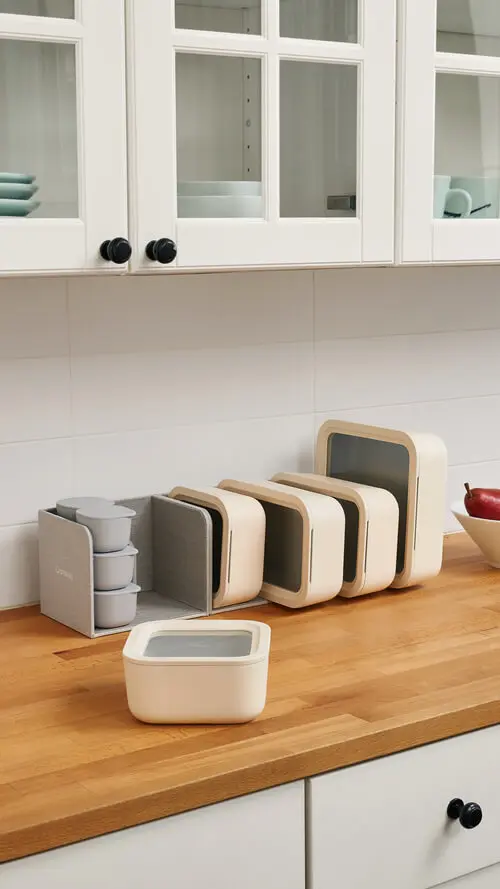
Choose containers that stack well to save space. Square or rectangular shapes fit better than round ones.
Clear containers help you see contents quickly. Use sizes that fit the amount of food you store to avoid wasted space.
- Stackable designs save cabinet and fridge space
- Clear containers show food inside without opening
- Use small containers for snacks and large ones for leftovers
Maintaining Freshness Longer
Air-tight containers keep air and moisture out to prevent spoilage. Look for lids with good seals to lock in freshness.
Materials like glass and BPA-free plastic do not absorb odors or stains. This keeps food tasting fresh and containers clean.
- Choose containers with tight, air-tight lids
- Glass resists stains and odors better than plastic
- Store food in proper temperature conditions inside containers
Credit: www.carawayhome.com
Frequently Asked Questions
What Are The Safest Materials For Kitchen Storage Containers?
Glass and stainless steel are the safest materials. They don’t leach chemicals and are easy to clean. BPA-free plastic is also safe but less durable than glass or steel.
Which Material Keeps Food Fresh The Longest?
Glass containers with airtight lids keep food fresh longest. They prevent moisture and air exposure, preserving flavor and texture better than plastic or metal.
Are Plastic Containers Good For Kitchen Storage?
BPA-free plastic containers are lightweight and affordable. However, they can stain and retain odors. They are best for dry or non-acidic foods.
How Do Stainless Steel Containers Compare To Glass?
Stainless steel is durable, non-reactive, and lightweight. It doesn’t break but is opaque, so you can’t see contents. Glass is heavier but transparent and microwave safe.
Conclusion
Choosing the right material for kitchen storage containers matters a lot. Glass offers clarity and safety for food. Plastic is lightweight and often budget-friendly. Stainless steel lasts long and resists stains. Think about your needs and habits first. Easy cleaning, durability, and food safety are key.
The best container fits your kitchen and lifestyle. Keep your food fresh and your kitchen neat. Small choices make a big difference every day.


