
Are you tired of the chaos lurking under your kitchen sink? You're not alone.
That dark, cramped space often becomes a catch-all for cleaning supplies, plastic bags, and those mysterious items you forgot you had. But imagine opening that cabinet door to find a tidy, organized space where everything has its place. Sounds like a dream, right?
It doesn't have to be. With just a few clever strategies, you can transform that cluttered area into a functional and stress-free zone. Stick around, because we're about to reveal the secrets to mastering the art of under-sink organization. You won't want to miss these tips!

Credit: declutterinminutes.com
Assess The Space
Organizing the cabinet under your kitchen sink starts with understanding the space. Knowing the details helps you plan storage solutions.
Take time to check the size, obstacles, and any problems inside the cabinet. This will make organizing easier and more effective.
Measure Cabinet Dimensions
Use a tape measure to find the width, height, and depth of the cabinet. Write down these numbers to guide your organizing.
Measure inside the cabinet, not just the outside. This helps you know how much space is really available for storage.
- Measure the cabinet width from left to right
- Measure the height from the bottom to the top inside
- Measure the depth from front to back inside
Identify Plumbing Obstacles
Look for pipes, garbage disposals, and water lines inside the cabinet. These can block some storage areas.
Note where the plumbing parts are placed. This helps you avoid storing items that might get in the way.
- Find drain pipes under the sink basin
- Check for water supply valves and hoses
- Watch for garbage disposal units if installed
Check For Moisture Issues
Look for damp spots or water leaks inside the cabinet. Moisture can damage stored items and cause mold.
Fix any leaks or use moisture absorbers to keep the area dry. This keeps your cabinet clean and safe for storage.
- Inspect the cabinet floor and walls for water stains
- Smell for musty odors indicating mold or mildew
- Use a moisture meter if available to check dampness
:max_bytes(150000):strip_icc()/GettyImages-1405396332-4708b92fa11642eda2ebb8081bf44c82.jpg)
Credit: www.thespruce.com
Clear Out The Cabinet
Organizing the cabinet under your kitchen sink starts with clearing it out. This space often collects many unused or expired items.
Emptying the cabinet fully helps you see what you have and what you need to keep.
Remove All Items
Take every item out of the cabinet. Place them on a clean surface nearby. This lets you check each item carefully.
Sort And Declutter
Sort your items into groups. You can use categories like cleaning supplies, tools, and trash.
- Keep items you use often
- Donate or recycle items you no longer need
- Throw away expired or broken products
Clean The Interior
Wipe down all cabinet surfaces with a mild cleaner. Make sure to clean corners and shelves well.
| Cleaning Supplies | Recommended Use |
| All-purpose cleaner | Wipe shelves and walls |
| Disinfectant wipes | Sanitize handles and edges |
| Old cloth or sponge | Remove dust and grime |
Choose Storage Solutions
Organizing the cabinet under your kitchen sink can save space and reduce clutter. The right storage solutions make it easier to find and store items.
Pick storage options that fit your needs and the size of your cabinet. This helps keep everything neat and easy to reach.
Use Stackable Bins
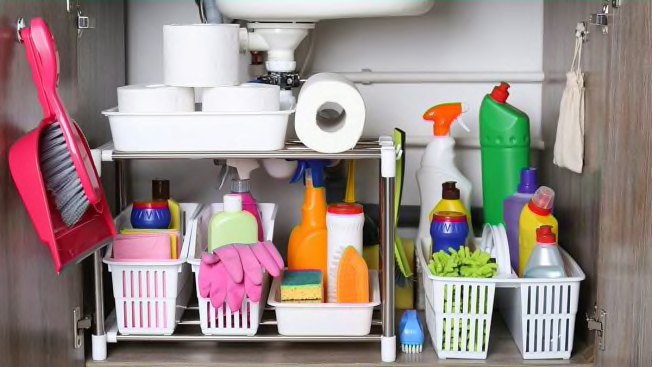
Stackable bins let you use vertical space in your cabinet. They keep small items grouped and easy to access.
Clear bins help you see what is inside without opening them. Label each bin for faster finding.
- Store cleaning supplies in one bin
- Use another bin for sponges and brushes
- Stack bins to save floor space
Install Pull-out Drawers
Pull-out drawers slide out smoothly for easy access to items at the back. They help keep everything visible and organized.
Choose drawers that fit the cabinet size and weight of your items. You can organize by category in each drawer.
- Store heavy items on bottom drawers
- Use top drawers for small bottles and tools
- Drawers prevent items from falling over
Add Tension Rods For Spray Bottles
Tension rods create a place to hang spray bottles inside the cabinet. This keeps bottles off the floor and easy to grab.
Place the rod near the cabinet door for quick access. Hang bottles by their handles or spray nozzles.
- Keep cleaning sprays organized and upright
- Use multiple rods for more bottles
- Rods are easy to install and remove
Incorporate Hanging Organizers
Hanging organizers use the inside walls or doors of the cabinet. They add extra storage without taking floor space.
Use hooks, baskets, or pockets to hold small items like gloves, brushes, or trash bags.
- Hang gloves and scrubbers for quick reach
- Use small baskets for sponges or brushes
- Keep trash bags tidy on door hooks
Maximize Vertical Space
Organizing the cabinet under your kitchen sink can free up a lot of space. Using vertical space helps store more items neatly.
There are simple ways to add storage above and around your current items. These methods keep things easy to find and access.
Add Shelf Risers
Shelf risers create extra levels inside your cabinet. They help separate items and make use of the full height of the space.
- Choose risers that fit your cabinet size
- Place taller items below and smaller ones on top
- Use clear risers to see everything easily
Hang Hooks On Doors
Hooks on the inside of cabinet doors hold small tools and cleaning supplies. This uses space that usually stays empty.
Here are items to hang on door hooks:
- Sponges and scrub brushes
- Rubber gloves
- Small spray bottles
Use Magnetic Strips
Magnetic strips stick to the cabinet walls or doors. They hold metal items, saving shelf and drawer space.
| Item | How to Use Magnetic Strips |
| Scissors | Attach to strip near cleaning area |
| Screwdrivers | Place on strip inside cabinet door |
| Metal Brushes | Hang from strip for quick access |
Organize By Category
Keeping the cabinet under your kitchen sink tidy helps you find items quickly. Sorting everything by category makes the space neat and functional.
This guide will show easy ways to group and store your items to keep the cabinet organized.
Group Cleaning Supplies
Gather all cleaning products like sprays, sponges, and brushes. Keep similar items together for easy access and safety.
- Place sprays in one bin or basket
- Keep sponges and scrubbers in a small container
- Store gloves and cloths nearby
Separate Recyclables
Use the cabinet space to sort recyclables from trash. This helps keep the kitchen cleaner and supports recycling habits.
| Item | Recycle Bin |
|---|---|
| Plastic bottles | Blue bin |
| Glass jars | Green bin |
| Paper and cardboard | Yellow bin |
Store Frequently Used Items In Front
Keep daily items like dish soap and hand towels at the front. This saves time and avoids clutter in the back of the cabinet.
- Place dish soap near the sink
- Keep hand towels or sponges within reach
- Store garbage bags close by for quick use
Maintain The Organization
Keeping your kitchen sink cabinet organized helps save time and reduces stress. Regular care makes sure everything stays neat and easy to find.
Simple habits keep your cabinet tidy and functional. Follow these tips to maintain order under your kitchen sink.
Regularly Declutter
Check your cabinet often and remove items you no longer use. Throw away empty bottles and expired products.
Doing this keeps the space open and prevents clutter from building up over time.
- Take out all items and sort them
- Throw away trash and expired goods
- Donate or recycle items you don’t need
- Put back only what you use regularly
Wipe Down Surfaces
Clean the cabinet shelves and walls regularly. Wipe away dust, spills, and dirt to keep the area fresh.
This prevents mold and bad smells. Use a mild cleaner and a soft cloth for best results.
- Remove all items before cleaning
- Use warm water and mild soap
- Dry surfaces completely before returning items
- Check for leaks or damage while cleaning
Restock Supplies As Needed
Keep an eye on your cleaning supplies and tools. Refill or replace items before they run out.
This avoids last-minute trips to the store and keeps your kitchen running smoothly.
- Note which items are low
- Make a list to buy next time
- Store new supplies neatly in the cabinet
- Keep frequently used items easy to reach
Credit: www.consumerreports.org
Frequently Asked Questions
How Can I Maximize Space Under The Kitchen Sink?
Use stackable bins and adjustable shelves to create vertical storage. Group similar items in clear containers. Utilize door-mounted organizers for small tools and cleaners. This keeps everything accessible and neat.
What Are The Best Organizers For Under-sink Cabinets?
Sliding drawers, pull-out baskets, and tiered shelves work best. They allow easy access to items in deep or awkward spaces. Choose waterproof and sturdy materials to withstand moisture and weight.
How Do I Prevent Odors Under The Kitchen Sink?
Keep the area dry and clean regularly. Use baking soda or activated charcoal to absorb smells. Store cleaning products in sealed containers and ensure proper ventilation.
Should I Remove The Cabinet Doors For Better Access?
Removing doors can improve access but reduces hidden storage. Consider replacing doors with curtains or using transparent containers to maintain visibility without removing doors.
Conclusion
Organizing the cabinet under your kitchen sink saves space and reduces clutter. Start by sorting items and removing what you don’t need. Use bins or baskets to group similar things together. Label containers to find items quickly. Keep cleaning supplies separate from food items for safety.
Regularly check and tidy the area to maintain order. Small changes create a big difference in your kitchen’s look. A neat under-sink cabinet makes daily chores easier and faster. Simple steps lead to a cleaner, more functional space. Try these ideas and enjoy a more organized kitchen.


