Are you curious about how long it takes to turn your kitchen scraps into rich, healthy compost? Knowing the time frame can help you plan better and stay motivated in your composting journey.
Whether you're a beginner or looking to improve your process, understanding the factors that affect composting speed will save you time and effort. Keep reading to discover practical tips that will help you transform your food waste into garden gold faster than you might expect.

Credit: gracefulgardens.com
Composting Basics
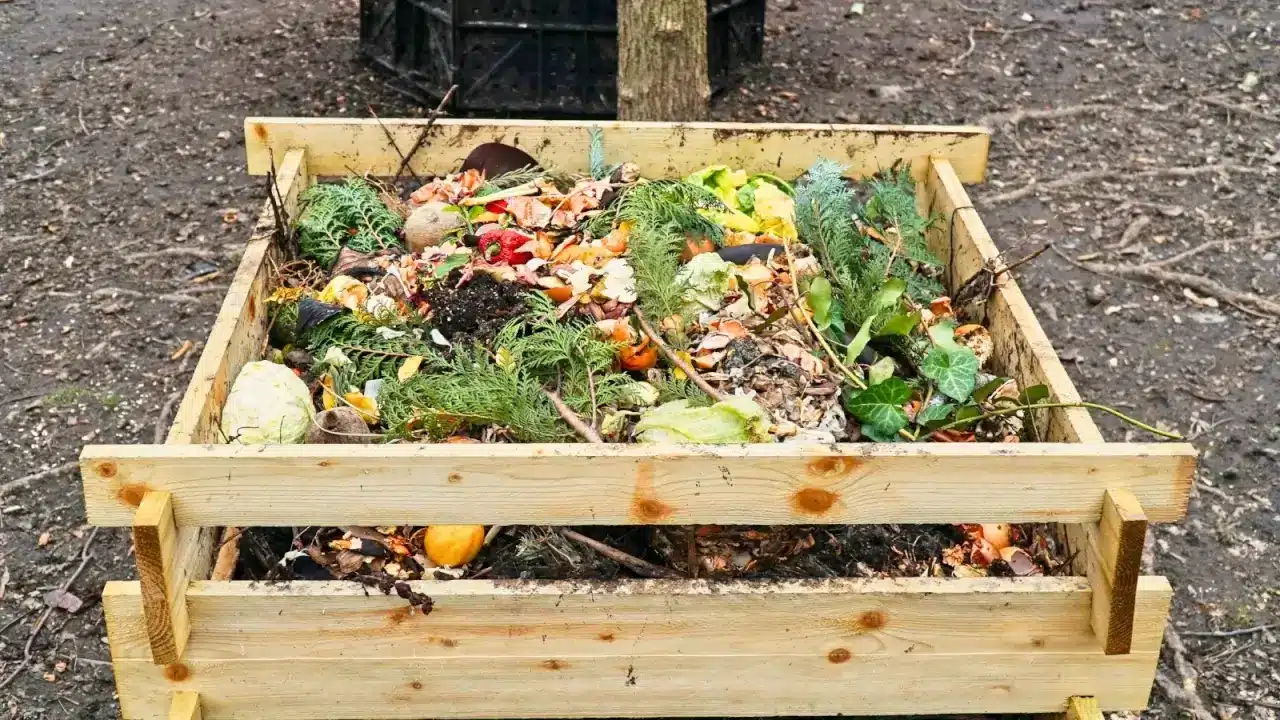
Composting turns kitchen scraps into rich soil. It helps reduce waste and grow healthy plants.
The time to compost depends on what you add and how you care for it. Let’s look at some basics.
What Can You Compost
You can compost many kitchen scraps. Some items break down faster than others.
- Fruit and vegetable peels
- Coffee grounds and tea bags
- Eggshells, crushed
- Small amounts of bread and grains
- Used paper towels and napkins
- Vegetable scraps and cores
Avoid composting meat, dairy, and oily foods. These attract pests and slow the process.
Types Of Composting Methods
There are several ways to compost. Each method takes different time and care.
| Method | Description | Time to Compost |
|---|---|---|
| Traditional Pile | Stack scraps in a heap outdoors. Turn it often. | 3 to 6 months |
| Compost Bin | Use a container to hold scraps. Good for small spaces. | 2 to 4 months |
| Vermicomposting | Use worms to break down scraps quickly. | 1 to 3 months |
| Bokashi | Ferments scraps using special microbes. Add to soil later. | 2 to 4 weeks (fermentation) |
Factors Influencing Compost Time
Composting kitchen scraps is a natural way to reduce waste. The time it takes to compost depends on many factors. Understanding these can help you get faster results.
Some key factors include temperature, moisture, particle size, aeration, and the balance of greens and browns. Each affects how quickly materials break down.
Temperature And Moisture
Temperature speeds up or slows down composting. Warm conditions help microbes work faster. Moisture is also important. Too much water can slow composting by blocking air. Too little water stops microbes from growing.
- Keep compost between 90°F and 140°F (32°C to 60°C).
- Maintain moisture like a damp sponge.
- Turn compost to keep air moving.
Particle Size And Aeration
Smaller pieces break down faster. Chopping scraps into small bits helps microbes do their job. Good airflow is needed. It brings oxygen for microbes to live. Without air, compost can smell bad and take longer.
| Particle Size | Effect |
| Large chunks | Slow decomposition |
| Small pieces | Faster breakdown |
| Fluffed compost | Better air flow |
| Compacted compost | Poor oxygen supply |
Balance Of Greens And Browns
Greens are wet, nitrogen-rich scraps like vegetable peels. Browns are dry, carbon-rich materials like leaves. A good mix helps microbes grow well. Too many greens make the pile wet and smelly. Too many browns slow the process.
- Use about 2 to 3 parts browns for every 1 part green.
- Mix layers of greens and browns.
- Add dry leaves or paper if pile is too wet.
- Add water if pile is too dry.
Typical Composting Timeframes
Composting kitchen scraps helps reduce waste and create nutrient-rich soil. The time it takes to compost depends on the method used.
Different composting types break down materials at different speeds. Understanding each timeframe helps you plan your composting process.
Hot Composting Duration
Hot composting uses high temperatures to speed up decomposition. It needs proper air, moisture, and a good mix of materials.
This method can turn kitchen scraps into compost in a few weeks to two months. The pile heats up to 130-160°F (54-71°C).
- Fast breakdown of food scraps
- Requires regular turning
- Needs balanced green and brown materials
- Best for gardeners who want quick results
Cold Composting Duration
Cold composting is a slower process. It happens naturally without much effort or turning.
This method takes six months to a year or longer to fully compost kitchen scraps. It is good for beginners or those with less time.
- Less work needed
- Breaks down materials slowly
- Needs regular addition of scraps
- Good for large piles or bins
Vermicomposting Timeline
Vermicomposting uses worms to break down kitchen scraps. Worms eat the waste and produce rich castings.
This process takes about two to four months. It works best indoors or in small spaces with controlled conditions.
- Worms speed up decomposition
- Requires a special worm bin
- Needs moisture and shade
- Produces nutrient-rich compost quickly
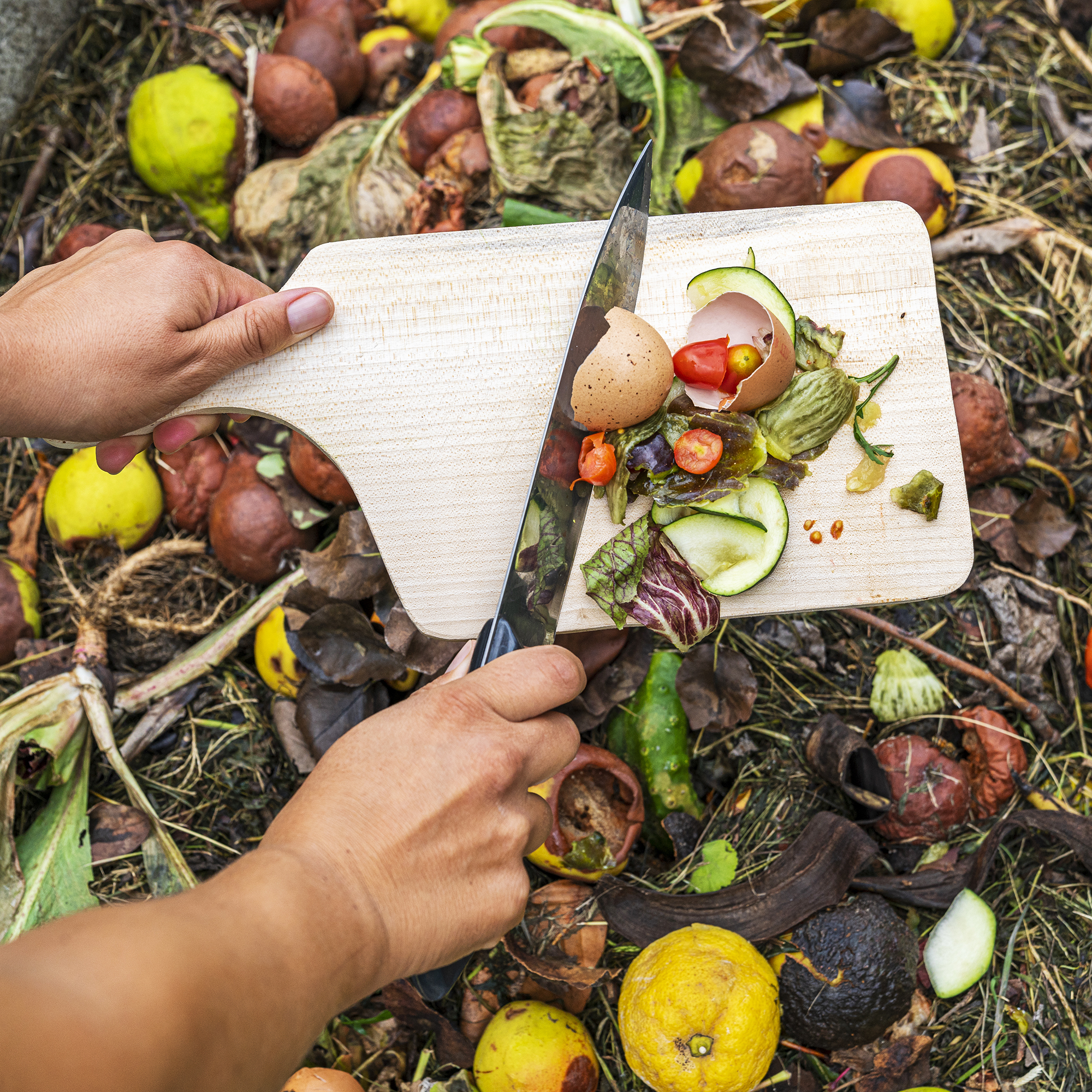
Credit: www.gardeningknowhow.com
Speeding Up Composting
Composting kitchen scraps can take weeks or months. You can make the process faster with simple steps. These steps help break down waste quickly and create rich soil.
Focus on the right size, moisture, and air to speed up composting. These factors help microbes work better and faster.
Chopping And Shredding Scraps
Cut scraps into small pieces before adding them to the compost. Smaller pieces break down faster than large chunks.
Shredding or chopping increases the surface area. This gives microbes more places to work and speeds up decomposition.
- Cut vegetable peels into small strips
- Shred paper or cardboard before adding
- Avoid large whole fruits or big bones
Maintaining Proper Moisture
Keep your compost pile moist like a wrung-out sponge. Too dry or too wet slows down decomposition.
Check the pile regularly and add water if it feels dry. If it is too wet, add dry materials like leaves or shredded paper.
- Water the pile evenly to keep moisture
- Add dry brown materials to soak up excess water
- Cover pile to keep rain from making it too wet
Turning And Aerating The Pile
Turn the compost pile to add oxygen. Oxygen helps microbes break down scraps faster.
Use a pitchfork or shovel to mix the pile every few days. This prevents bad smells and speeds up composting.
- Turn pile at least twice a week
- Mix outer and inner parts of the pile
- Keep pile fluffy to allow air flow
Troubleshooting Slow Compost
Composting kitchen scraps can take time. Sometimes, the process slows down. This guide helps you find common problems and fix them.
By understanding what slows compost, you can speed up the breakdown. Let’s look at common issues and simple solutions.
Common Problems
Compost may slow because of poor air flow, too much moisture, or wrong materials. Cold temperatures also affect the process.
- Compost pile is too wet or dry
- Lack of oxygen in the pile
- Too many slow-breaking scraps like citrus or meat
- Pile is too small or cold
Fixes To Accelerate Breakdown
Fix slow compost by adjusting moisture, adding air, and balancing scraps. Break big pieces to help microbes work faster.
- Turn the pile to add oxygen and mix materials
- Add dry leaves or paper if it is too wet
- Sprinkle water if it is too dry
- Chop large scraps into smaller pieces
- Keep the pile bigger to hold heat
- Avoid adding meat, dairy, or oily food
- Cover compost to keep warmth and moisture

Credit: gracefulgardens.com
Using Finished Compost
Finished compost is a valuable resource for your garden. It improves soil health and helps plants grow strong. Knowing how to use compost correctly makes your garden more productive.
Before adding compost, check if it is ready. Using compost too early can harm plants. The next sections explain signs of ready compost and how to apply it.
Signs Compost Is Ready
Finished compost looks dark and crumbly. It smells earthy, not sour or rotten. You should not see large pieces of food or yard waste. The temperature of the compost pile cools down when it is ready.
- Dark brown or black color
- Crumbly texture like soil
- Earthy, fresh smell
- No visible food scraps or large debris
- Cool to the touch
Applying Compost In The Garden
Use finished compost to feed plants and improve soil. You can add it to flower beds, vegetable gardens, or lawns. Spread compost evenly and mix it into the top few inches of soil.
| Application Area | How to Apply | Amount |
|---|---|---|
| Vegetable Garden | Mix compost into soil before planting | 1 to 3 inches |
| Flower Beds | Spread on soil surface and gently rake | 1 to 2 inches |
| Lawn | Top dress grass with thin layer | ¼ to ½ inch |
Frequently Asked Questions
What Is The Average Time To Compost Kitchen Scraps?
Composting kitchen scraps typically takes 2 to 6 months. This depends on factors like temperature, moisture, and materials used. Chopping scraps into smaller pieces can speed up the process. Regularly turning the compost pile ensures better aeration and faster decomposition.
Maintain a balance of green and brown materials for optimal results.
How Can I Speed Up Kitchen Scrap Composting?
To speed up composting, chop scraps into smaller pieces. Add a mix of green and brown materials. Turn the pile regularly to improve aeration. Maintain adequate moisture by keeping the compost damp but not soggy. Using a compost accelerator can also enhance the decomposition process.
Why Is My Kitchen Scrap Compost Slow?
Slow composting can be due to lack of aeration or moisture. Ensure your pile is turned regularly for oxygen. Keep the compost damp but not waterlogged. A balance of green and brown materials is crucial. Cold temperatures can also slow decomposition, so consider insulating the pile in colder months.
Can I Compost All Kitchen Scraps?
Not all kitchen scraps are compostable. Avoid meat, dairy, and oily foods as they attract pests. Compost fruit and vegetable peels, coffee grounds, and eggshells. Avoid composting diseased plants or chemically treated materials. Stick to organic, plant-based scraps for a healthy compost pile.
Conclusion
Composting kitchen scraps takes time, usually a few months. Warm weather speeds up the process. Smaller pieces break down faster than big ones. Turning the pile helps air reach all parts. Moisture is important but avoid soaking it. Patience and care lead to rich, healthy compost.
This compost improves soil and reduces waste. Start small and watch your scraps transform. A simple way to help the planet at home. Keep composting, and enjoy the benefits soon.