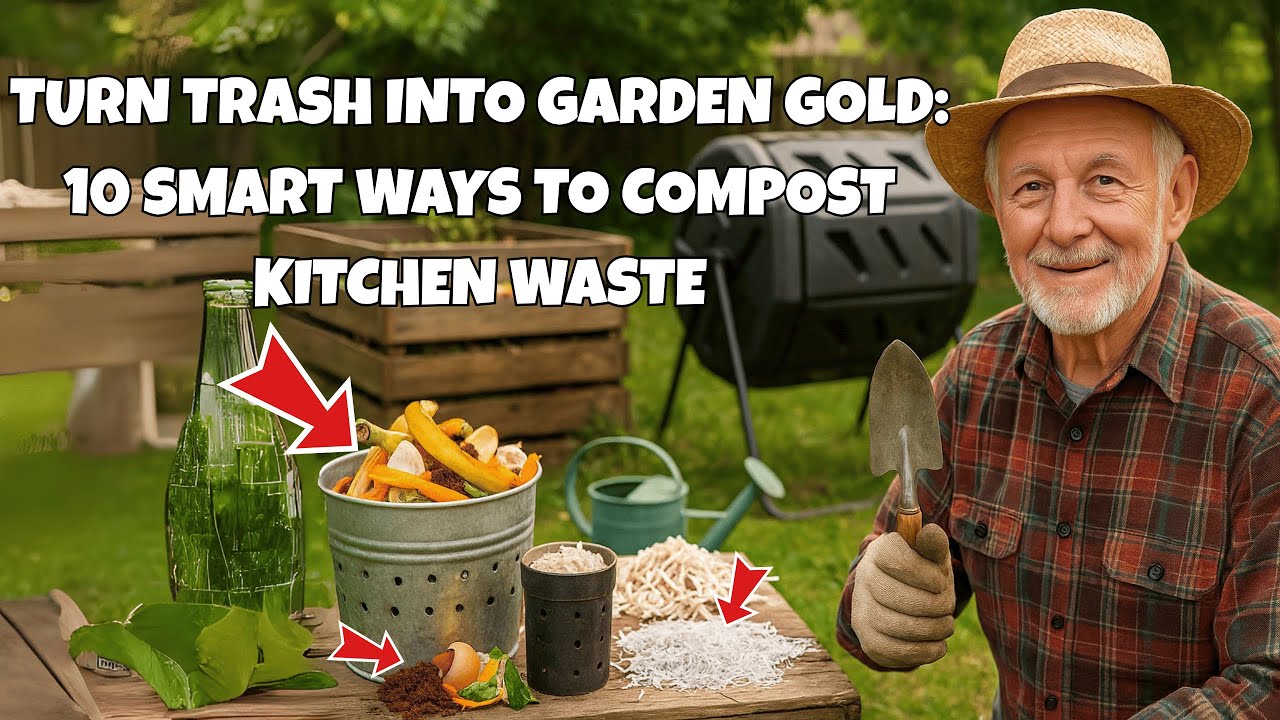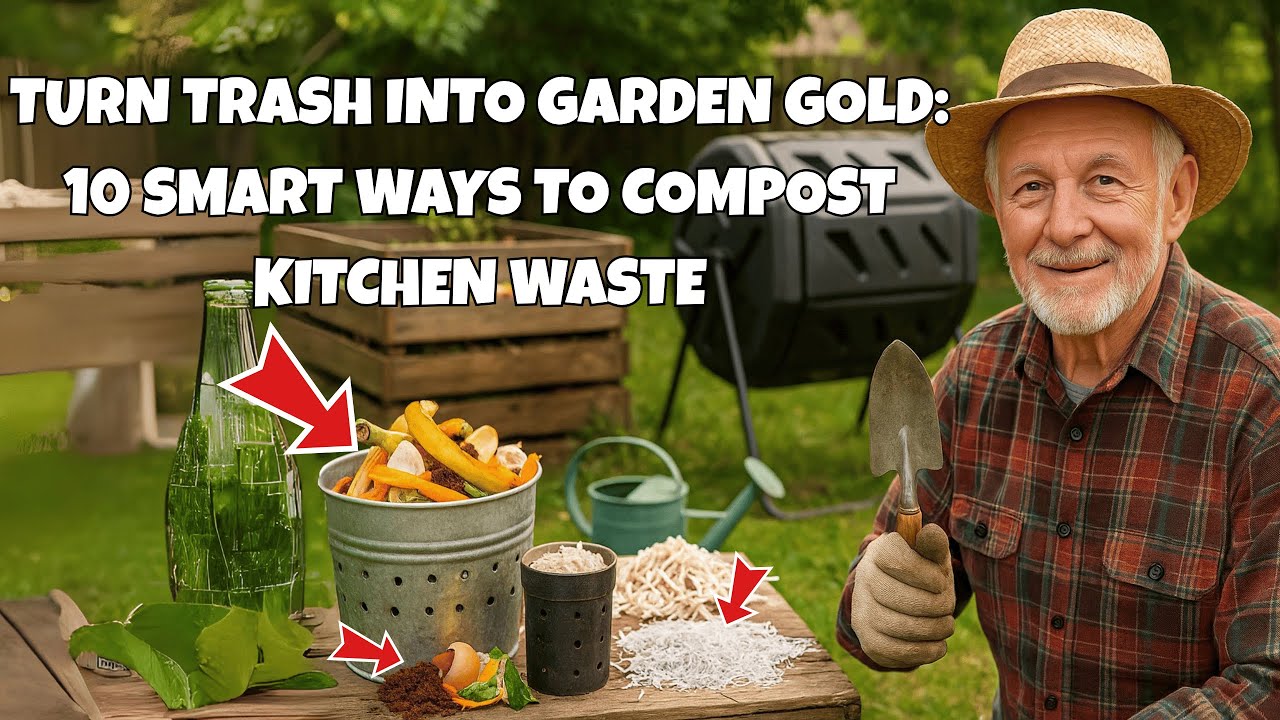
Are you tired of throwing away your kitchen scraps and feeling guilty about wasting food? What if you could turn that waste into something valuable for your garden?
Composting from kitchen waste is an easy, rewarding way to reduce trash and create rich soil for your plants. You’ll discover simple steps to prepare compost right at home, even if you’ve never tried it before. By the end, you’ll have all the tools you need to transform your kitchen leftovers into black gold that will boost your garden’s health.
Ready to make your waste work for you? Let’s dive in!
Benefits Of Composting
Composting kitchen waste turns food scraps into useful soil. It helps reduce trash and saves money on fertilizers.
Composting also supports plants and the environment. It is an easy way to recycle at home.
Reduces Waste In Landfills
Composting lowers the amount of garbage sent to landfills. Food waste makes up a large part of trash.
By composting kitchen scraps, you cut down waste and reduce landfill pollution. This helps the planet stay cleaner.
Improves Soil Quality
Compost adds nutrients and organic matter to the soil. This improves soil structure and water retention.
Better soil means healthier plants and higher crop yields. Compost helps gardens grow strong and green.
Saves Money On Fertilizers
Using compost reduces the need to buy chemical fertilizers. It is a natural and free source of nutrients.
Home composting lowers garden costs and supports sustainable gardening practices.
Supports Healthy Plant Growth
Compost improves soil health and helps plants fight diseases. It encourages strong root systems.
Healthy plants grow faster and produce more fruits and flowers.
Reduces Greenhouse Gas Emissions
Composting kitchen waste cuts methane gas from landfills. Methane is a harmful greenhouse gas.
Using compost lowers air pollution and helps fight climate change.
Choosing The Right Compost Bin
Using the right compost bin helps turn kitchen waste into rich soil. It keeps the process clean and easy.
Picking a good bin depends on space, waste amount, and how fast you want compost.
Types Of Compost Bins
There are many bins for composting kitchen scraps. Each has different features and sizes.
- Plastic Compost Bins:Lightweight and often have lids. They keep pests out and retain moisture well.
- Metal Compost Bins:Durable and long-lasting. They heat up faster but can rust over time.
- Wooden Compost Bins:Natural and blend with gardens. They allow good airflow but may need repairs.
- Worm Compost Bins (Vermicomposters):Use worms to break down waste quickly. Great for small spaces and indoor use.
Placement Tips
Where you place your compost bin affects how well it works. Choose a spot with good conditions.
- Put the bin in a shaded area to keep it from drying out.
- Place it on bare soil or grass for drainage and worm access.
- Keep it near your kitchen for easy waste dropping.
- Allow space around the bin for turning and checking compost.
Collecting Kitchen Waste
Collecting kitchen waste is the first step in making good compost. It helps reduce trash and creates healthy soil.
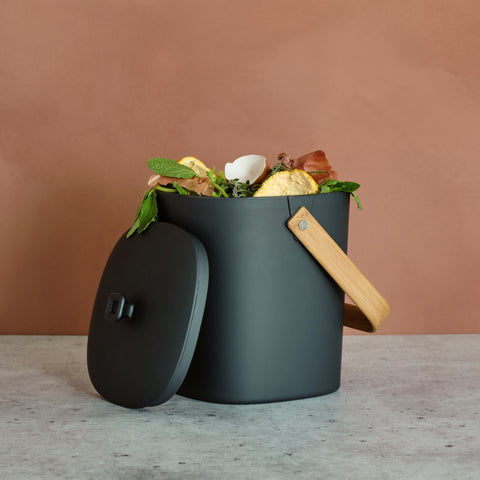
Keep a small container in your kitchen to gather scraps every day. This makes composting easier and cleaner.
Suitable Waste Materials
Choose kitchen scraps that break down quickly and add nutrients to your compost. These help make rich soil.
- Vegetable peels and scraps
- Fruit leftovers and peels
- Tea bags and coffee grounds
- Eggshells, crushed
- Old bread and grains
- Nut shells (except walnuts)
These materials add moisture and nutrients to your compost pile. Chop large pieces to speed up decay.
Materials To Avoid
Some kitchen waste can harm your compost or attract pests. Avoid these to keep your compost healthy.
- Meat, bones, and fish scraps
- Dairy products like cheese and milk
- Oils and greasy foods
- Processed or cooked foods
- Pet waste and litter
- Diseased or moldy plants
These items can cause bad smells or carry germs. Keep them out to protect your compost and garden.

Credit: www.youtube.com
Preparing The Compost Pile
Preparing a compost pile is easy and helps reduce kitchen waste. You can turn food scraps into rich soil for your garden.
Good preparation ensures the compost breaks down quickly and smells fresh. Layering and balancing materials are key steps.
Layering Techniques
Start your compost pile by adding layers of different materials. This helps air flow and speeds up decomposition.
- Place coarse materials like small branches or straw at the bottom.
- Add a layer of kitchen scraps such as fruit and vegetable peels.
- Cover with a thin layer of soil or finished compost.
- Repeat these layers until the pile is about three feet high.
- Keep the pile moist but not too wet.
Balancing Green And Brown Materials
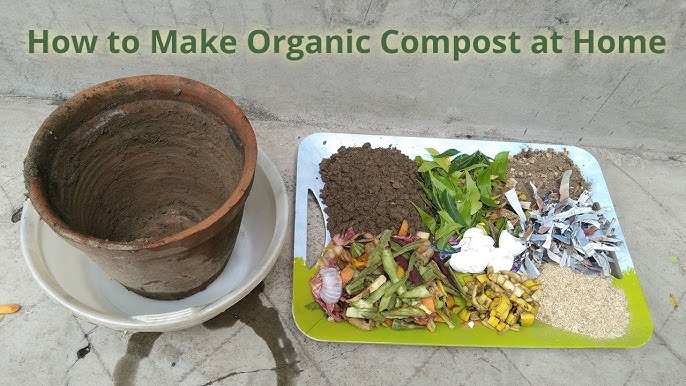
Compost needs green and brown materials to break down properly. Greens add nitrogen and browns add carbon.
| Material Type | Examples | Role in Compost |
| Green | Vegetable scraps, coffee grounds, grass clippings | Provide nitrogen |
| Brown | Dry leaves, paper, cardboard, straw | Provide carbon |
A good mix is about three parts brown to one part green. Too many greens make the pile smelly. Too many browns slow down composting.
Maintaining The Compost
Maintaining your compost pile is key to turning kitchen waste into rich soil. Proper care helps speed up decomposition and reduce odors.
Keep an eye on your compost by turning it, checking moisture, and monitoring temperature. These steps keep the process healthy.
Turning The Pile
Turning the compost pile mixes the materials and adds oxygen. Oxygen helps the microbes break down the waste faster.
- Use a garden fork or shovel to turn the pile.
- Turn the pile every 1 to 2 weeks.
- Move the outside parts to the center and the center to the outside.
- Be gentle to avoid breaking down the pile too much.
Moisture Control
Compost needs to be moist, like a wrung-out sponge. Too dry or too wet slows down the process.
| Moisture Level | Effect on Compost |
| Too Dry | Decomposition slows, microbes stop working |
| Just Right | Microbes thrive, fast decomposition |
| Too Wet | Foul smell, lack of oxygen, slows down |
Temperature Monitoring
Temperature shows how active the compost is. Warm piles break down waste faster.
Check temperature with a compost thermometer. Ideal temperatures:
- Cold compost: under 50°F (10°C) - slow activity
- Active compost: 100°F to 140°F (38°C to 60°C) - fast breakdown
- Too hot: over 160°F (71°C) - can kill helpful microbes
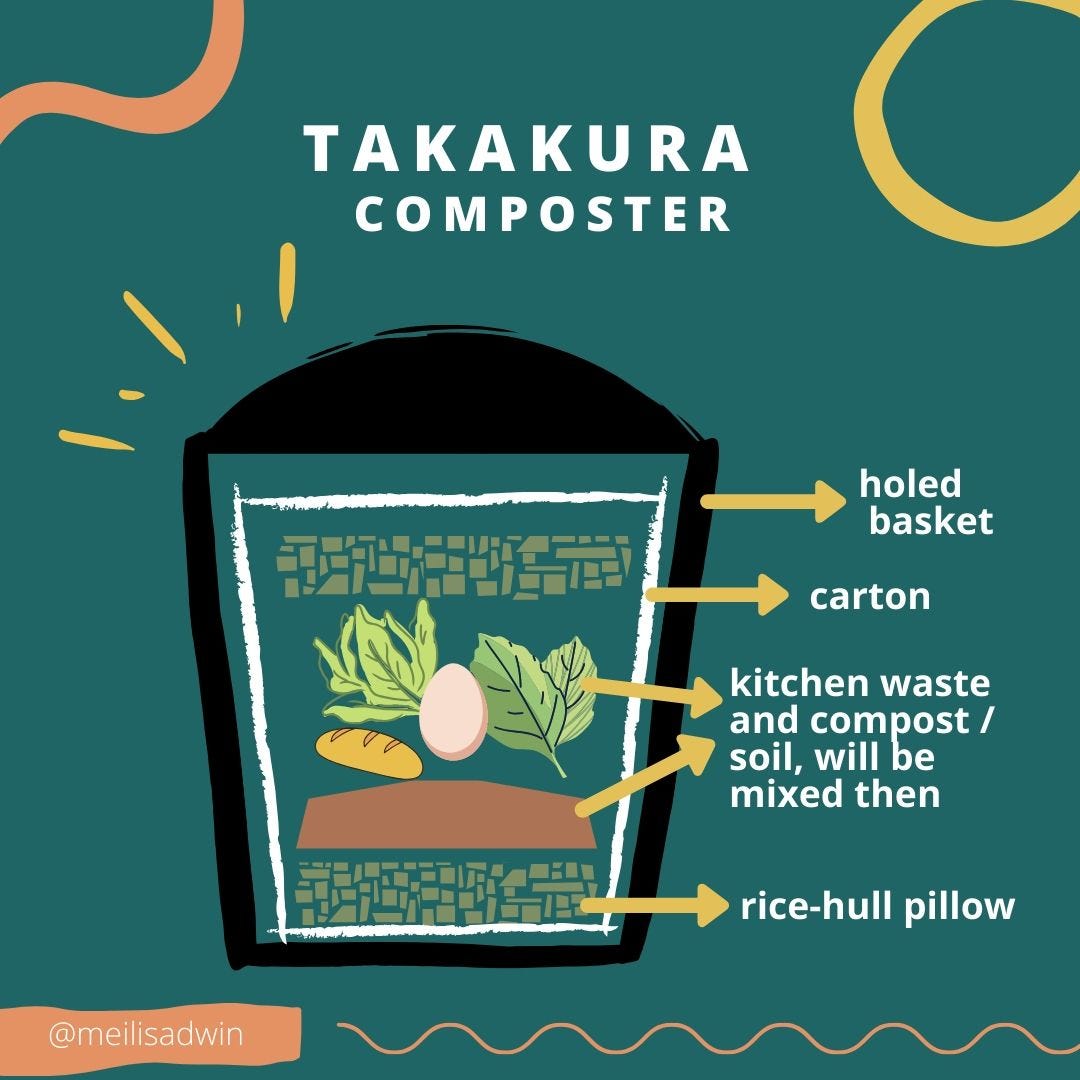
Credit: meilisadwin.medium.com
Harvesting Finished Compost
Finished compost is the dark, crumbly material left after kitchen waste breaks down. It is full of nutrients that help plants grow well.
Knowing when to harvest your compost is important. This lets you use it at the best time for your garden.
Signs Of Ready Compost
Compost is ready when it looks like dark soil. It should smell fresh and earthy, not sour or rotten.
You will not see food scraps or large pieces of waste anymore. The compost feels soft and crumbly to touch.
- Dark brown or black color
- Earthy smell, no bad odors
- Crumbly texture, no big chunks
- Temperature is cool or matches outside air
Using Compost In Your Garden
Use finished compost to improve your soil. It adds nutrients and helps soil hold water.
Mix compost into garden beds or use it as mulch around plants. It helps plants grow stronger and healthier.
- Mix compost with soil before planting
- Spread compost around plants as mulch
- Add compost to pots for indoor plants
- Use compost in vegetable and flower gardens
Troubleshooting Common Issues
Composting kitchen waste is easy but may cause some problems. Knowing how to fix these issues helps keep compost healthy.
This guide covers common troubles like odor, pests, and slow decomposition. Learn simple ways to solve them.
Odor Problems
Bad smells often happen when compost is too wet or lacks air. These conditions cause rot and strong odors.
To stop odor, turn the pile often to add air. Add dry materials like leaves or paper to balance wet scraps.
- Turn compost every few days
- Add dry brown materials to absorb moisture
- Keep compost covered but ventilated
- Do not add meat or oily foods
Pest Control
Pests like flies, rodents, or ants may visit compost if food scraps are exposed. This can slow composting and cause mess.
To keep pests away, bury food waste under dry materials. Use a closed bin with holes for air but no large gaps.
- Bury scraps 6 inches deep
- Use a sealed compost bin
- Avoid adding meat, dairy, or oily foods
- Keep the area clean and dry
Slow Decomposition
Compost may take a long time to break down if the mix is unbalanced or cold. This delays getting usable compost.
Speed up compost by chopping scraps small and keeping the pile warm and moist. Add nitrogen-rich materials like vegetable scraps.
- Cut waste into small pieces
- Keep compost moist but not soggy
- Mix green (nitrogen) and brown (carbon) materials
- Turn compost to add oxygen

Credit: www.youtube.com
Frequently Asked Questions
What Kitchen Waste Is Best For Composting?
Vegetable peels, coffee grounds, eggshells, and fruit scraps are ideal for composting. Avoid meat, dairy, and oily foods to prevent odors and pests.
How Long Does Kitchen Composting Take?
Kitchen composting usually takes 2 to 6 months. Proper aeration, moisture, and chopping waste into small pieces speed up decomposition.
Can I Compost Citrus And Onion Scraps?
Yes, you can compost citrus and onion scraps in moderation. Too much acidity may slow composting, so balance with green and brown materials.
How Do I Prevent Odors In Kitchen Compost?
To prevent odors, maintain a balanced mix of green and brown waste. Turn the compost regularly and avoid adding meat or oily foods.
Conclusion
Creating compost from kitchen waste is simple and rewarding. Reduce waste and enrich your garden soil with this easy process. Collect scraps like fruit peels and vegetable waste. Mix these with dry leaves or paper. Turn the pile weekly to speed up decomposition.
In a few months, you'll have rich compost. This boosts plant growth and saves money on fertilizers. Start today and see the benefits in your garden. Happy composting!