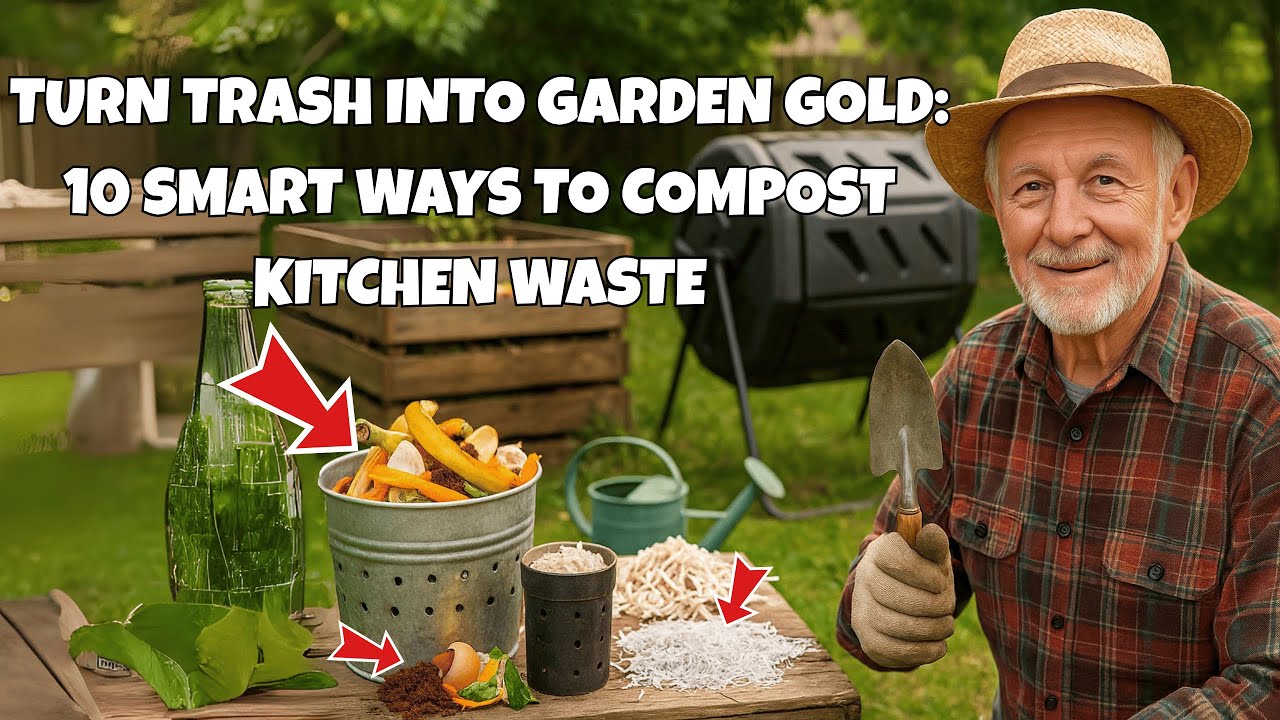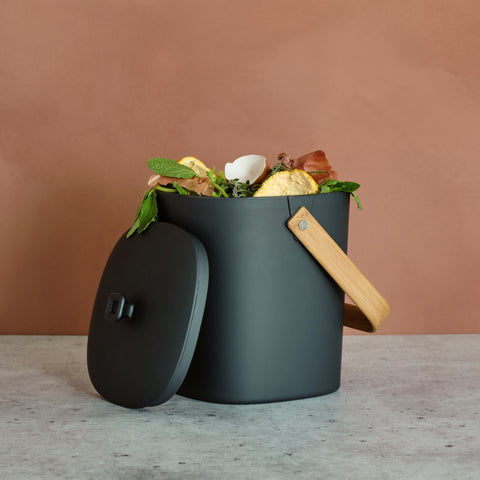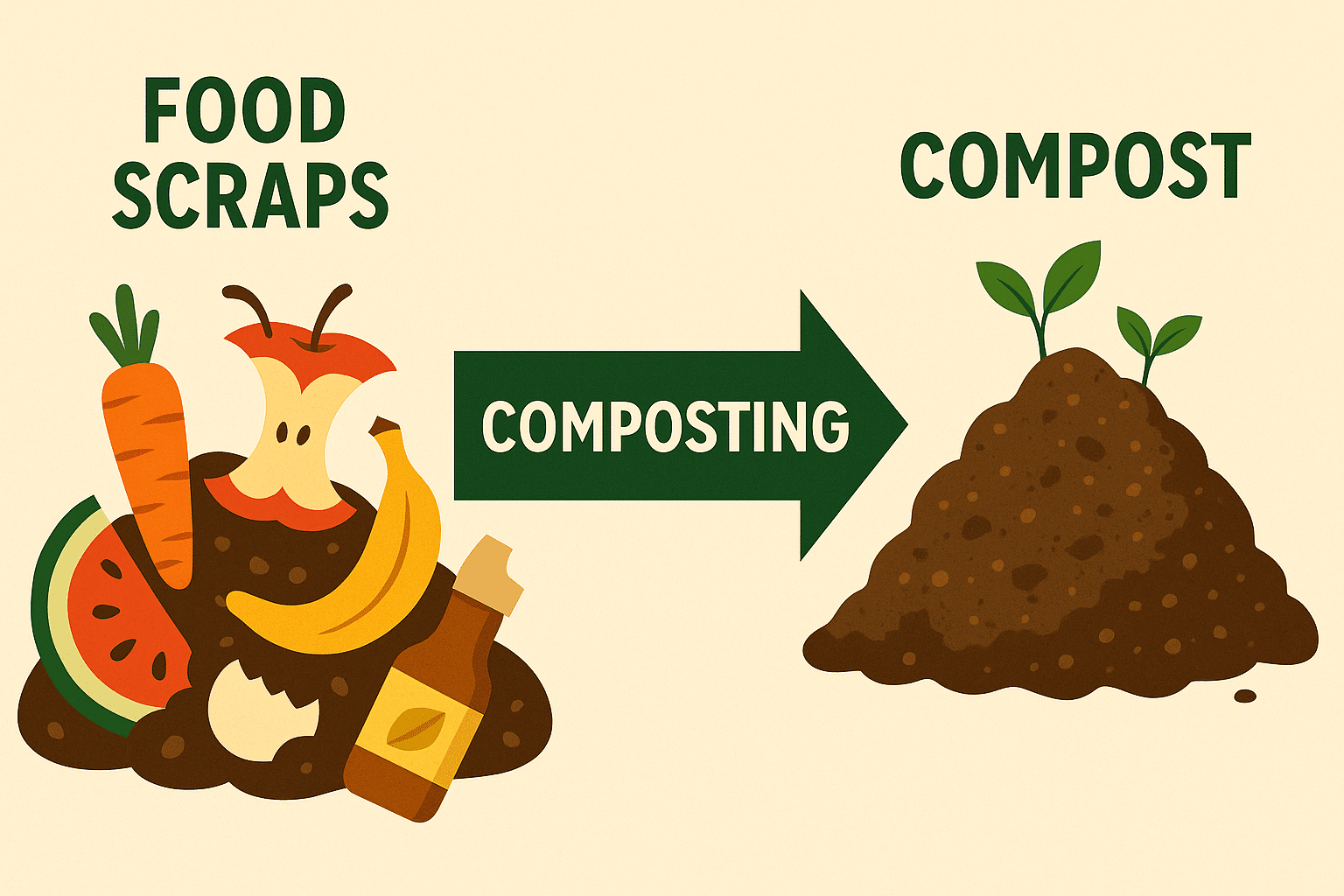
Are you tired of throwing away kitchen scraps without a second thought? What if you could turn those leftovers into something valuable for your garden?
Knowing which kitchen scraps are good for composting can save you money, reduce waste, and create rich soil that helps your plants thrive. You’ll discover exactly what scraps to keep and which to avoid, making composting simple and effective. Ready to transform your kitchen waste into garden gold?
Keep reading to find out how.

Credit: www.youtube.com
Benefits Of Composting Kitchen Scraps
Composting kitchen scraps turns waste into useful soil. It helps reduce trash in landfills.
This process supports healthy plants and saves money on fertilizers. Composting is easy and good for the environment.
Improves Soil Quality
Compost adds nutrients and organic matter to soil. This makes soil richer and better for growing plants.
Reduces Landfill Waste
Food scraps make up a large part of household waste. Composting these scraps lowers the amount sent to landfills.
Lowers Greenhouse Gas Emissions
When kitchen scraps decay in landfills, they release methane gas. Composting stops this harmful gas from entering the air.
Saves Money On Fertilizers
Using compost reduces the need to buy chemical fertilizers. This saves money and protects the environment.
Common Kitchen Scraps For Composting
- Vegetable peels and scraps
- Fruit cores and rinds
- Coffee grounds and tea bags
- Eggshells
- Bread and grains (in small amounts)
- Nut shells
| Scrap Type | Composting Benefit |
| Vegetable Peels | High in nitrogen, helps soil growth |
| Fruit Rinds | Provides moisture and nutrients |
| Coffee Grounds | Improves soil structure and acidity |
| Eggshells | Adds calcium to soil |

Credit: www.robingreenfield.org
Best Vegetable Scraps For Compost
Composting is a great way to reduce waste and enrich your garden soil. Vegetable scraps are perfect for compost piles. They break down quickly and add valuable nutrients.
Knowing which vegetable scraps to use helps create healthy compost. Use scraps that decompose easily and avoid items that cause odor or pests.
Peels And Trimmings
Vegetable peels and trimmings are some of the best compost materials. They are rich in nutrients and break down fast. Common scraps include potato skins, carrot peels, and cucumber ends.
- Potato peels
- Carrot ends and peels
- Cucumber skins
- Squash rinds
- Bell pepper tops and seeds
Wilted Greens
Wilted or spoiled greens are excellent for compost. They add moisture and nitrogen to the pile. Examples include old lettuce, spinach, and kale leaves.
| Wilted Green | Compost Benefit |
| Lettuce | High moisture content |
| Spinach | Rich in nitrogen |
| Kale | Breaks down quickly |
| Swiss chard | Adds nutrients |
Stems And Roots
Stems and roots from vegetables also compost well. They have fiber that improves soil texture. Examples include celery stalks, onion roots, and broccoli stems.
| Vegetable Part | How It Helps Compost |
|---|---|
| Celery stalks | Adds bulk and aeration |
| Onion roots | Break down slowly, add nutrients |
| Broccoli stems | Rich in carbon |
| Carrot roots | Improve soil structure |
Fruit Scraps That Compost Well
Composting fruit scraps is a great way to reduce waste. Many parts of fruits break down quickly and add nutrients to compost.
Knowing which fruit scraps work best helps make composting easier and more effective.
Peels And Rinds
Fruit peels and rinds are rich in nutrients and compost well. Citrus peels, banana skins, and melon rinds break down over time and add valuable organic matter.
- Banana peels
- Orange and lemon rinds
- Watermelon and cantaloupe rinds
- Apple skins
Overripe And Spoiled Fruit
Overripe and spoiled fruits are perfect for compost. They decompose faster and boost the compost pile with nutrients.
| Type of Fruit | Reason for Composting |
| Soft bananas | Break down quickly |
| Bruised apples | High in sugars for microbes |
| Overripe berries | Good moisture content |
| Spoiled peaches | Rich in organic matter |
Seeds And Pits
Seeds and pits take longer to break down but still add nutrients. Crushing them speeds up decomposition.
- Apple seeds
- Cherry pits
- Peach stones
- Watermelon seeds
Coffee Grounds And Tea Leaves
Coffee grounds and tea leaves are common kitchen scraps. Both are great for composting. They add nutrients and help soil stay healthy.
These materials break down well and improve your compost’s quality. Let’s look at how each one helps your garden.
Coffee Grounds
Coffee grounds are rich in nitrogen. Nitrogen is an important nutrient for plants. Adding coffee grounds helps plants grow strong.
They also help improve soil texture and water retention. Coffee grounds attract earthworms, which make soil healthy.
- Use fresh or used coffee grounds
- Mix with dry leaves or paper to balance moisture
- Do not add too much at once to avoid bad smell
- Spread evenly in your compost pile
Tea Leaves
Tea leaves add nitrogen and other nutrients. They break down quickly and enrich the soil. Used tea bags can also be composted if they are paper-based.
| Benefit | Coffee Grounds | Tea Leaves |
| Nitrogen Content | High | Moderate |
| Breakdown Speed | Medium | Fast |
| Soil Improvement | Improves texture and moisture | Enriches nutrients quickly |
| Earthworm Attraction | Yes | Yes |
Eggshells And Dairy Products
Kitchen scraps are great for composting. Eggshells and dairy products can help enrich your compost pile.
These items add nutrients and improve soil quality when composted properly. Knowing how to prepare them is important.
Crushed Eggshells
Crushed eggshells add calcium to your compost. Calcium helps plants grow strong and healthy.
Before adding eggshells, rinse and dry them. Then crush them into small pieces to speed up breakdown.
- Rinse eggshells to remove egg residue
- Let them dry completely
- Crush into small pieces for faster composting
- Add crushed shells to your compost pile
Safe Dairy Composting Tips
Dairy products can be tricky to compost. They may attract pests or create bad smells if not handled well.
Use small amounts and bury them deep in your compost pile. This helps control odors and keeps pests away.
- Only add small amounts of dairy scraps
- Bury dairy deep in the compost pile
- Mix well with other compost materials
- Turn compost often to reduce odors
Bread And Grains In Compost
Bread and grains are common kitchen scraps that can be composted. They add valuable nutrients and help improve soil structure.
It is important to know which types of bread and grains work best for composting. Proper use avoids pests and bad odors.
Types Of Bread Suitable For Composting
Most bread types can be composted, including white, whole wheat, and rye. Avoid bread with mold if possible, as it can spread unwanted fungi.
Grains And Their Benefits In Compost
Grains like rice, oats, and barley add carbon and nitrogen to compost. They help balance the mix and speed up decomposition.
Tips For Composting Bread And Grains
- Break bread into small pieces to speed up decay.
- Mix grains well with other compost materials.
- Avoid adding too much bread to prevent pests.
- Do not compost bread with heavy preservatives or oils.
- Keep the compost moist but not wet for best results.
Common Issues With Bread And Grains In Compost
| Issue | Cause | Solution |
| Mold growth | Too much bread, poor airflow | Mix well and add dry materials |
| Pests | Exposed bread scraps | Bury scraps under other compost |
| Bad smell | Excess moisture or too much bread | Turn compost and add carbon-rich material |
Foods To Avoid Composting
Not all kitchen scraps are good for composting. Some foods can cause bad smells or attract pests.
It is important to know which scraps to avoid to keep your compost healthy and clean.
Meat And Fish Scraps
Meat and fish scraps are not good for compost. They take a long time to break down.
They also attract animals like rats and raccoons. This can create a messy problem.
- Raw or cooked meat
- Fish bones and scraps
- Fatty meat leftovers
Oils And Greasy Foods
Oils and greasy foods do not break down easily in compost. They can cause bad odors.
These scraps can make the compost too wet and slow the process.
- Cooking oils and fats
- Butter and margarine
- Greasy pizza crusts
Diseased Or Moldy Items
Diseased or moldy scraps can spread harmful germs in your compost.
It is best to keep these out to protect your plants and soil.
- Fruits with mold
- Vegetables with rot
- Plants with disease
Tips For Composting Kitchen Scraps
Composting kitchen scraps helps reduce waste and improve soil. It turns food leftovers into rich soil for plants.
Knowing what scraps to add and how to care for your compost is important. Follow these tips to make good compost.
Balancing Greens And Browns
Compost needs a mix of green and brown materials. Greens are rich in nitrogen, and browns add carbon.
Kitchen scraps like fruit and vegetable peels are greens. Dry leaves, paper, and cardboard are good browns.
- Use about two parts browns to one part greens
- Too many greens make compost smell bad
- Too many browns slow down decomposition
Proper Moisture Levels
Keep compost moist like a wrung-out sponge. Too wet or too dry slows down the process.
If compost is dry, add water or green scraps. If it is too wet, add dry browns and mix.
- Check moisture by squeezing compost in your hand
- Add water slowly to avoid sogginess
- Dry materials help absorb extra moisture
Turning And Aeration
Turning compost adds air and speeds up breakdown. Oxygen helps good microbes work well.
Turn compost every week or two using a garden fork or shovel. This keeps it healthy and fresh.
- Turn compost more often in warm weather
- Mix layers to spread materials evenly
- Avoid compacting compost when turning
Using Compost To Improve Your Garden
Compost is a natural way to feed your plants. It adds nutrients and helps soil hold water.
You can make compost from kitchen scraps. This turns waste into a valuable garden resource.
Vegetable And Fruit Peels
Vegetable and fruit peels break down quickly in compost. They add important nutrients like nitrogen.
Use peels from potatoes, carrots, apples, and bananas. Avoid citrus peels in large amounts.
- Potato peels
- Carrot tops and peels
- Apple cores and peels
- Banana skins
- Melon rinds
Coffee grounds and tea leaves add nitrogen to your compost. They also improve soil texture.
Dry the coffee grounds before adding. Use tea bags only if they are made of natural materials.
- Used coffee grounds
- Loose tea leaves
- Natural fiber tea bags
Eggshells
Eggshells add calcium to your compost. Calcium helps plants build strong cell walls.
Crush the shells before adding. This helps them break down faster in the compost.
- Rinse eggshells to remove residue
- Dry and crush shells
- Add crushed shells to compost
Cooked Food Scraps
Cooked food scraps can be composted but in small amounts. Avoid oily or salty foods.
They add nutrients but may attract pests if added too much. Mix well with dry materials.
- Vegetable leftovers
- Rice and pasta scraps
- Small amounts of cooked beans
Bread And Grains
Bread and grains add carbon and nutrients to compost. Use stale or leftover bread only.
Break bread into small pieces. Mix it well to avoid mold and pests in your compost.
- Stale bread
- Cooked rice
- Oatmeal and cereal leftovers

Credit: gracefulgardens.com
Frequently Asked Questions
What Kitchen Scraps Are Best For Composting?
Vegetable peels, fruit scraps, coffee grounds, and eggshells are ideal for composting. Avoid meat, dairy, and oily foods, as they attract pests and slow decomposition.
Can I Compost Citrus Peels In My Kitchen Compost?
Yes, citrus peels like lemon and orange can be composted. However, use them sparingly as their acidity may slow down microbial activity in the compost.
Are Coffee Grounds Good For Composting?
Coffee grounds are excellent for composting. They add nitrogen, help balance carbon-rich materials, and improve soil structure when fully decomposed.
Should I Compost Bread And Grains From The Kitchen?
Small amounts of bread and grains can be composted. Avoid large quantities as they may attract rodents and pests to your compost pile.
Conclusion
Composting kitchen scraps can help enrich your garden's soil. Vegetable peels, fruit scraps, and coffee grounds work great. Avoid meat, dairy, and oily foods. They attract pests and slow the process. Eggshells add calcium but crush them first. Keep your compost moist and turn it often.
This speeds up decomposition. Using compost reduces waste and benefits the earth. It's simple and rewarding for any gardener. Start composting today and see the difference it makes. Your plants will thank you with healthy growth. So, gather those scraps and contribute to a greener planet!