How to Clean Kitchen Supply Dutch Oven Easily
Your Dutch oven is a kitchen powerhouse, helping you create delicious meals with ease. But if you’re unsure how to clean it properly, you might damage this valuable tool or shorten its life.
Knowing the right cleaning steps keeps your Dutch oven looking great and performing perfectly every time. You’ll discover simple, effective ways to clean your kitchen supply Dutch oven so it stays ready for your next cooking adventure. Keep reading to unlock the secrets that will make caring for your Dutch oven a breeze!
Credit: www.lecreuset.ca
Choosing The Right Cleaning Tools
Cleaning a kitchen supply Dutch oven needs gentle care. Using the right tools helps keep it in good shape.
Strong scrubbing or rough tools can damage the surface. Picking soft tools protects your Dutch oven.
Soft Sponges and Brushes
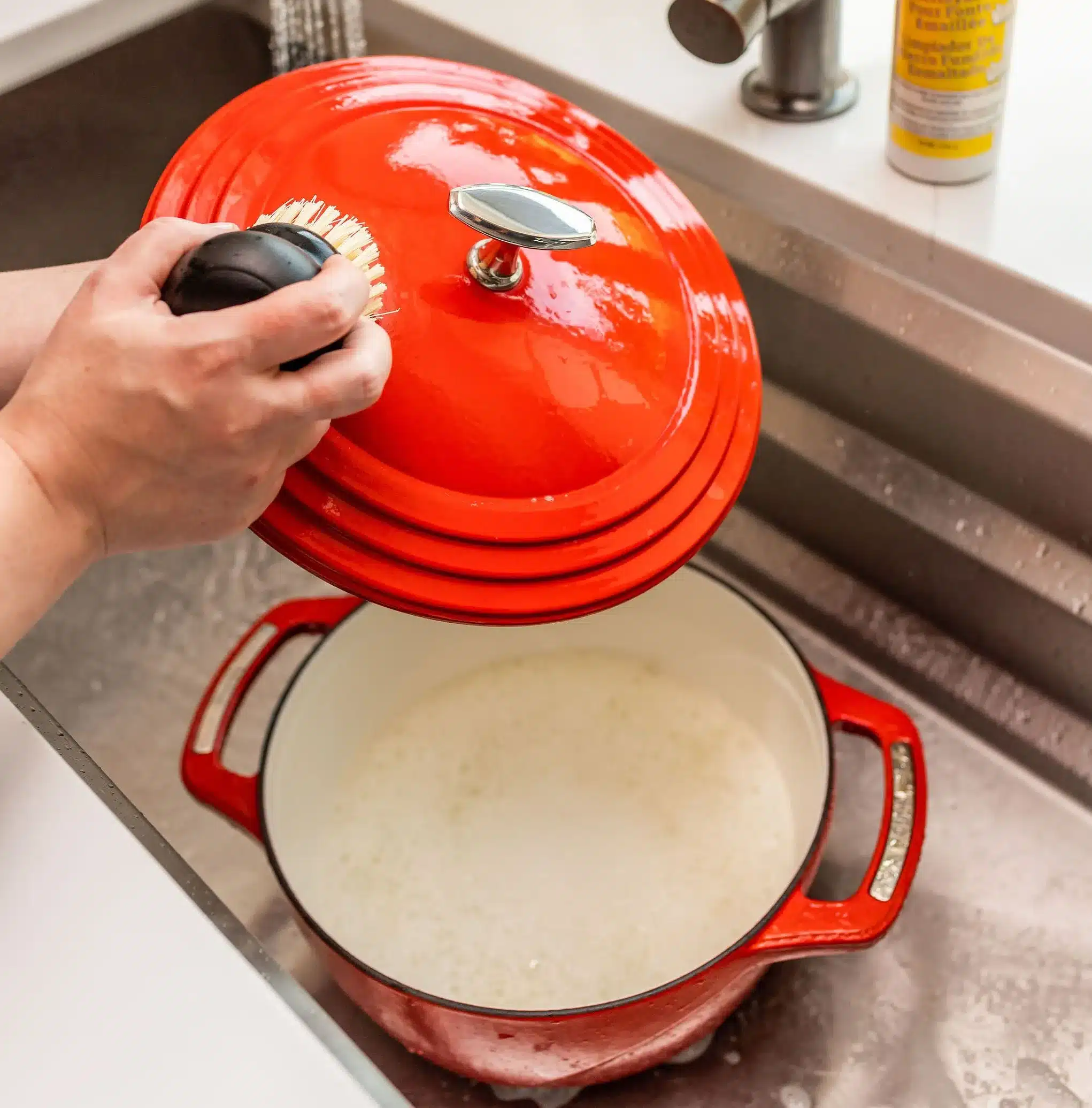
Soft sponges clean without scratching the Dutch oven’s surface. They remove dirt and food safely.
Brushes with soft bristles help reach corners and edges. They clean gently without harming the finish.
- Use a soft sponge for everyday cleaning
- Choose a brush with nylon or soft fibers
- Avoid metal or hard-bristle brushes
- Rinse tools well after use
Avoiding Abrasive Materials
Abrasive materials can scratch or wear down the Dutch oven. Avoid steel wool or rough scrubbers.
Harsh cleaners and powders may harm the coating. Stick to mild soap and warm water instead.
- Do not use steel wool or metal pads
- Avoid harsh chemical cleaners
- Skip abrasive powders or pastes
- Use gentle cleaning products only
Basic Cleaning Steps
Cleaning your kitchen supply Dutch oven keeps it in good shape and ready to cook. Regular cleaning removes food residue and prevents odors.
Follow simple steps to clean your Dutch oven without damaging its surface or finish.
Soaking Techniques
Soaking helps loosen stuck-on food and makes cleaning easier. Use warm water and mild soap for best results.
- Fill the Dutch oven with warm water.
- Add a small amount of dish soap.
- Let it soak for 15 to 30 minutes.
- Use a soft cloth or sponge to wipe loose food.
- Empty the water and rinse with clean water.
Gentle Scrubbing Methods
Use gentle scrubbing to clean without scratching the surface. Avoid harsh brushes or steel wool.
| Tool | Use |
| Soft sponge | Light cleaning and wiping |
| Plastic scrubber | Removing stuck food gently |
| Non-abrasive brush | Scrubbing tight corners |
| Microfiber cloth | Drying and polishing |
Removing Stubborn Stains
Cleaning a Dutch oven can be tough when stains stick hard. Stubborn stains need special care to come off.
Using simple kitchen ingredients can help remove those marks without damage. Let’s look at two ways to clean well.
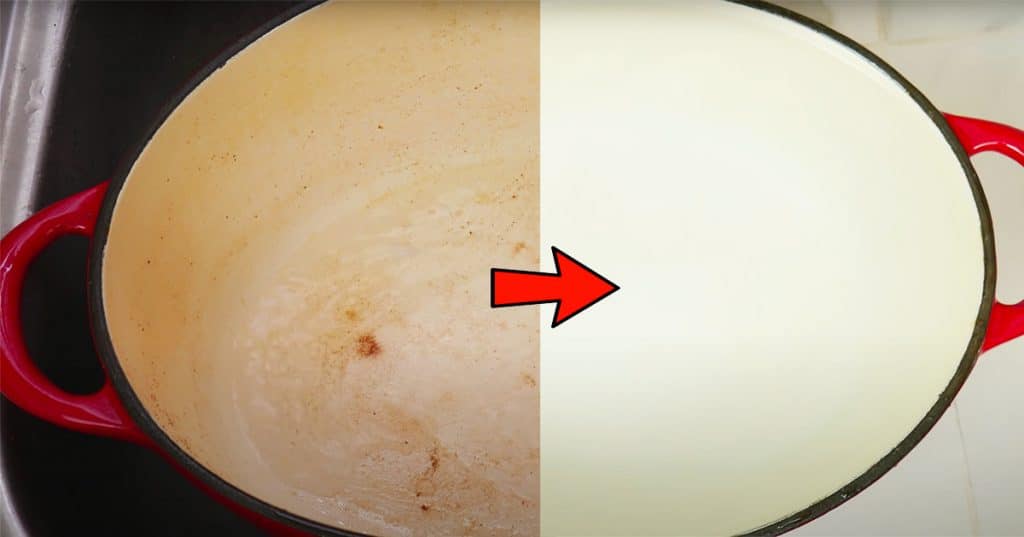
Using Baking Soda Paste
Baking soda is gentle but strong for stains. Make a paste by mixing baking soda and water.
Apply the paste to the stain and let it sit. This helps break down the grime on the surface.
- Mix 3 parts baking soda with 1 part water.
- Spread the paste on the stained area.
- Let it sit for 15-20 minutes.
- Scrub gently with a soft sponge or cloth.
- Rinse with warm water and dry well.
Applying Vinegar Solutions
Vinegar works well to remove tough stains and odors. It loosens burnt or stuck-on food inside the Dutch oven.
Use vinegar diluted with water to clean safely without harming the surface.
- Mix equal parts white vinegar and water.
- Pour the solution into the Dutch oven.
- Let it soak for 30 minutes to an hour.
- Use a sponge to scrub the stains gently.
- Rinse thoroughly and dry after cleaning.
Cleaning The Exterior
Keeping your kitchen supply Dutch oven clean is important. The exterior needs care to look good and last long.
This guide helps you clean the outside safely and keep the enamel finish bright.
Dealing With Burnt Residue
Burnt residue can stick to the outside of your Dutch oven. Removing it gently protects the surface.
- Mix baking soda with water to form a paste.
- Apply the paste on burnt areas and let it sit for 15 minutes.
- Use a soft cloth or sponge to rub the area gently.
- Rinse with warm water and dry with a towel.
- Avoid steel wool or harsh scrubbing pads.
Maintaining The Enamel Finish
The enamel finish on your Dutch oven protects it and adds color. Care helps it stay smooth and bright.
| Tip | Reason |
|---|---|
| Wash with mild dish soap | Prevents damage to the enamel coating |
| Use soft sponges or cloths | Avoids scratches on the surface |
| Dry completely after washing | Stops water spots and rust on edges |
| Store in a dry place | Keeps enamel in good condition |
Drying And Storing Tips
Cleaning your kitchen supply Dutch oven is important. Drying and storing it right helps keep it in good shape.
Proper drying stops rust and damage. Good storage keeps your Dutch oven ready for use.
Proper Drying Methods
Always dry your Dutch oven completely after washing. Water left inside can cause rust and stains.
Use a clean towel to wipe the outside and inside. Then, let it air dry in a warm place.
- Wipe with a dry cloth immediately after washing
- Place upside down on a rack to air dry fully
- Heat it on low stove heat for a few minutes to remove moisture
- Avoid putting the lid tightly until fully dry to prevent trapped moisture
Storage Best Practices
Store your Dutch oven in a dry, cool place. Avoid damp areas to stop rust from forming.
Keep the lid slightly ajar or place a paper towel inside. This allows air to flow and keeps it dry.
- Store in a cupboard with good air circulation
- Place a paper towel between the pot and lid
- Keep away from humid or wet spots
- Check regularly for signs of moisture or rust

Credit: imarku.net
Avoiding Common Mistakes
Cleaning a kitchen supply Dutch oven requires care. Using wrong methods can damage its surface.
Learn what to avoid and how to handle small damages like chips and cracks properly.
What Not to Use for Cleaning
Some cleaning tools and substances harm your Dutch oven. Avoid these to keep it safe.
- Steel wool or metal scrubbers that scratch the surface
- Harsh chemical cleaners or bleach that remove seasoning
- Dishwashers that cause rust and damage the coating
- Abrasive powders that wear down the finish
- Soaking the Dutch oven for long hours which can cause rust
Handling Chips and Cracks
Chips and cracks can worsen if not treated correctly. Inspect your Dutch oven regularly.
| Damage Type | Recommended Action |
| Small chip in enamel | Clean gently, dry well, avoid metal utensils |
| Crack in cast iron | Do not use for cooking, consult a professional |
| Surface scratch | Season the area to protect from rust |
Credit: diyjoy.com
Frequently Asked Questions
How Do I Clean a Kitchen Supply Dutch Oven?
To clean your Dutch oven, hand wash it with warm water and mild soap. Avoid abrasive scrubbers to protect the surface. Dry it thoroughly to prevent rust. For stubborn stains, soak in warm water before gently scrubbing. Regular care keeps it durable and ready for cooking.
Can I Put My Dutch Oven in the Dishwasher?
It is best to avoid the dishwasher. Dishwashers can damage the seasoning and finish of your Dutch oven. Hand washing preserves its quality and extends its lifespan. Use gentle cleaning methods for the best results and maintain your Dutch oven’s performance.
How Do I Remove Burnt Food from a Dutch Oven?
Fill the Dutch oven with warm water and a bit of baking soda. Let it soak for 15-30 minutes. Use a non-abrasive scrubber to gently remove burnt residue. Repeat if necessary. This method cleans effectively without damaging the oven’s surface.
Should I Season My Dutch Oven After Cleaning?
Yes, seasoning helps maintain the non-stick surface and prevents rust. After cleaning and drying, apply a thin layer of vegetable oil inside and outside the Dutch oven. Heat it in the oven for an hour at 350°F. This process keeps your Dutch oven in top condition.
Conclusion
Cleaning a Dutch oven keeps it looking new and lasting longer. Simple steps make the process easy and efficient. Always ensure the Dutch oven is cool before cleaning. Use mild soap and warm water for best results. Avoid harsh scrubbing tools that can damage the surface.
Regular maintenance prevents stubborn stains and buildup. Your kitchen will benefit from a clean Dutch oven. Cooking becomes more enjoyable and safe. Following these tips ensures your Dutch oven stays in top shape. Happy cooking!