If you love baking bread at home, you know that a cast iron Dutch oven can be your best friend. But to get that perfect crust and avoid sticky dough, you need to season your Dutch oven just right.
Seasoning creates a natural, non-stick surface that improves with every use. You’ll discover simple, step-by-step tips to season your cast iron Dutch oven like a pro. By the end, you’ll be ready to bake bread that’s crispy on the outside and soft on the inside, every single time.
Let’s get your Dutch oven ready to work its magic!
Choosing The Right Dutch Oven
Choosing the right Dutch oven is key for baking good bread. It helps keep heat steady and creates a nice crust.
There are many types of Dutch ovens. The size and shape also affect how your bread turns out.
Material Types
Dutch ovens come in different materials. Cast iron is popular for bread baking. It holds heat well and lasts long.
- Cast iron: Heavy and heats evenly.
- Enameled cast iron: No seasoning needed and easy to clean.
- Carbon steel: Lighter but less heat retention.
- Aluminum: Light but heats unevenly.
Size And Shape Considerations
| Size | Best For | Notes |
|---|---|---|
| 4 to 6 quarts | Small loaves or personal bread | Easy to handle and store |
| 6 to 7 quarts | Standard bread loaves | Most common size for home bakers |
| 8 quarts and larger | Large loaves or multiple breads | Heavier and needs more oven space |
Round Dutch ovens are common for artisan bread. Oval shapes fit longer loaves or roasts better.
Preparing Your Dutch Oven
Before seasoning your cast iron Dutch oven, you must prepare it well. Proper preparation helps the seasoning stick better and lasts longer.
Cleaning and removing any coatings are key steps. These make sure your Dutch oven is ready for seasoning.
Cleaning Before Seasoning
Start by washing your Dutch oven with warm water and mild soap. Use a sponge or brush to remove any dirt or dust.
- Rinse thoroughly to remove soap residues
- Dry completely with a clean cloth
- Heat it briefly on the stove to remove any moisture
Removing Factory Coatings
New cast iron Dutch ovens often come with a factory coating. This coating protects the pot but must be removed before seasoning.
| Method | Description |
| Oven Heating | Heat the Dutch oven at 350°F for 1 hour to loosen the coating. |
| Scrubbing | Use steel wool or a stiff brush to scrub off the coating. |
| Soap Wash | Wash with warm soapy water after scrubbing to clean residue. |
| Drying | Dry fully before applying oil for seasoning. |
Selecting The Best Oil
Seasoning your cast iron Dutch oven properly protects it and helps bake better bread. Choosing the right oil is key to a strong, non-stick coating.
Oils with high smoke points work best. They create a durable layer when heated. Let’s explore which oils suit seasoning.
High Smoke Point Oils
High smoke point oils resist burning during seasoning. This prevents sticky residue and builds a smooth surface.
- Flaxseed oil: Smoke point around 225°C (437°F). Dries to a hard, durable layer.
- Grapeseed oil: Smoke point around 216°C (420°F). Neutral flavor and good polymerization.
- Avocado oil: Smoke point about 271°C (520°F). Very stable and healthy option.
- Safflower oil: Smoke point near 266°C (510°F). Light and easy to apply.
Common Oils For Seasoning
Some common kitchen oils work fine if they have a decent smoke point. They are easy to find and affordable.
| Oil | Smoke Point (°C) | Notes |
| Canola oil | 204 | Widely available and mild taste. |
| Vegetable oil | 204-232 | Blends of oils, generally good for seasoning. |
| Sunflower oil | 227 | Light flavor and effective for coating. |
| Olive oil | 190-207 | Lower smoke point, may leave sticky spots. |
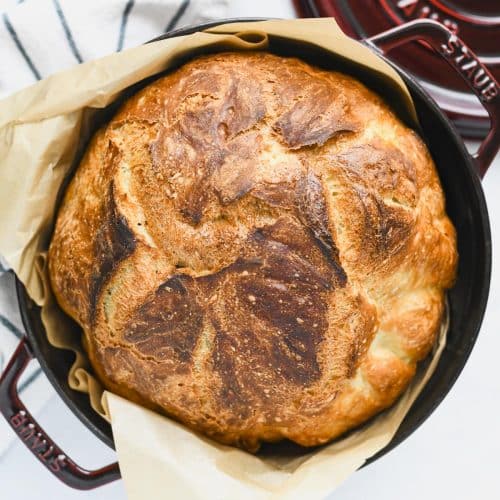
Credit: www.theseasonedmom.com
Seasoning Process Step-by-step
Seasoning a cast iron Dutch oven helps create a non-stick surface. It also protects the cookware from rust.
This process uses oil and heat to build a strong layer on the iron. Follow these steps carefully to get the best results.
Applying Oil Evenly
Start with a clean and dry Dutch oven. Use a cloth or paper towel to apply a thin layer of oil.
Cover all parts: inside, outside, and the lid. Make sure the oil spreads evenly without pooling.
- Use oils with a high smoke point like flaxseed or vegetable oil.
- Apply a thin coat to avoid sticky residue.
- Wipe off excess oil thoroughly before baking.
Baking Time And Temperature
Preheat your oven to 450°F (230°C). Place the oiled Dutch oven upside down on the middle rack.
Put a foil sheet on the lower rack to catch drips. Bake for one hour to bond the oil to the iron.
- Preheat oven to 450°F (230°C)
- Place Dutch oven upside down in oven
- Bake for 60 minutes
- Use foil on lower rack to catch drips
Repeating The Cycle
Let the Dutch oven cool in the oven after baking. Repeat the oiling and baking process 2 to 3 times.
Each cycle builds a stronger, smoother seasoning layer. This improves non-stick performance and durability.
- Cool Dutch oven completely before next oiling
- Apply thin oil layer again
- Bake for one hour at 450°F (230°C)
- Repeat 2-3 times for best results
Maintaining Seasoning Over Time
Seasoning your cast iron Dutch oven keeps it non-stick and rust-free. Proper care helps the seasoning last longer.
Regular maintenance protects the surface and improves bread baking results over time.
Cleaning Tips After Baking
Clean your Dutch oven gently after baking to keep the seasoning intact. Avoid harsh soaps and scrubbing pads.
Use warm water and a soft sponge or brush to remove food bits. Dry it fully to stop rust.
- Do not soak in water for a long time
- Skip dishwasher use
- Wipe with a paper towel if food sticks slightly
- Dry on the stove over low heat if needed
Re-seasoning When Necessary
Re-season your Dutch oven if food starts sticking or if the surface looks dull or rusty. This restores the protective layer.
Apply a thin coat of oil and heat it to seal the surface again. Repeat this a few times for best results.
- Clean the Dutch oven well before re-seasoning
- Use a small amount of vegetable or flaxseed oil
- Heat in the oven at 350°F (175°C) for one hour
- Let it cool completely inside the oven
- Repeat 2-3 times for a strong coating

Credit: www.emmafontanella.com
Troubleshooting Common Issues
Seasoning a cast iron Dutch oven helps protect it and improves cooking. Sometimes, issues like sticky surfaces or rust appear. Fixing these problems keeps your bread baking smooth.
Use these tips to solve common seasoning problems. Proper care makes your Dutch oven last for years.
Sticky Or Flaky Surfaces
Sticky or flaky seasoning usually means too much oil was used or it was not heated enough. This stops the oil from bonding properly.
- Clean the Dutch oven well to remove old seasoning.
- Apply a thin, even layer of oil. Use a paper towel to wipe off extra.
- Heat the Dutch oven in the oven at 450°F (230°C) for one hour.
- Let it cool completely before using or adding more layers.
Rust Prevention
Rust forms when moisture sits on the cast iron. Avoid rust by drying the Dutch oven well after washing.
| Cause | Prevention Tip |
| Water left on surface | Dry completely with cloth or heat on stove |
| Not oiled after cleaning | Apply a light coat of oil after every wash |
| Storing in damp place | Store in a dry, ventilated area |
Uneven Seasoning
Uneven seasoning means some spots are shiny and others look dull. This happens if oil is not spread evenly or heat is uneven.
Fix uneven seasoning by:
- Applying oil in small amounts, covering all areas evenly.
- Using a clean cloth or brush to spread the oil well.
- Placing the Dutch oven in the oven’s center rack for even heat.
- Rotating the Dutch oven halfway through heating if needed.
Benefits Of A Well-seasoned Dutch Oven
A well-seasoned cast iron Dutch oven is great for baking bread. Seasoning means coating the pot with oil and heating it. This creates a natural, protective layer on the surface.
Seasoning improves cooking and protects the Dutch oven from damage. It also makes cleaning easier. Here are some key benefits of using a well-seasoned Dutch oven for bread.
Enhanced Bread Flavor
The seasoning layer adds subtle taste to your bread. It helps develop a rich, deep flavor. The cast iron also holds heat evenly for better baking.
The natural oils from seasoning mix with bread steam. This improves the crust texture and taste. It gives your bread a nice, homemade flavor.
Non-stick Cooking Surface
Seasoning forms a smooth, non-stick surface on the Dutch oven. This prevents bread from sticking during baking. You can remove bread easily without breaking it.
A non-stick surface means less oil or butter is needed. It also makes cleaning the Dutch oven faster and easier. This helps keep your pot in good shape.
Increased Durability
Seasoning protects the cast iron from rust and damage. It creates a barrier against moisture and air. This keeps the Dutch oven strong for many years.
Regular seasoning helps maintain the pot’s surface. It reduces scratches and chips from cooking. A well-cared Dutch oven lasts longer and stays reliable.

Credit: www.talesfromthekitchenshed.com
Frequently Asked Questions
How Do I Season A Cast Iron Dutch Oven For Bread?
To season, clean the Dutch oven, apply a thin layer of oil, and bake it upside down at 375°F for one hour. Let it cool completely before use. This process creates a non-stick, rust-resistant surface ideal for baking bread.
Why Is Seasoning Important For Cast Iron Dutch Ovens?
Seasoning prevents rust, improves non-stick properties, and enhances flavor. It creates a protective layer that extends the Dutch oven’s lifespan and ensures even heat distribution for perfect bread baking.
How Often Should I Season My Cast Iron Dutch Oven?
Season your Dutch oven every few months or after heavy use. If food starts sticking or rust appears, it’s time to reseason. Regular seasoning maintains performance and protects the cookware.
Can I Use Any Oil To Season My Dutch Oven?
Use oils with a high smoke point like flaxseed, vegetable, or canola oil. These oils polymerize well, forming a durable seasoning layer. Avoid low smoke point oils to prevent sticky residue.
Conclusion
Seasoning your cast iron Dutch oven is crucial for perfect bread. It prevents sticking and enhances flavor. First, clean the oven thoroughly. Then, apply a thin layer of oil. Bake it upside down in the oven. Repeat this process a few times.
Your Dutch oven will develop a non-stick surface. This makes baking bread easier and more enjoyable. Regular maintenance keeps it in top shape. Enjoy baking delicious bread with your seasoned oven. Happy baking!