
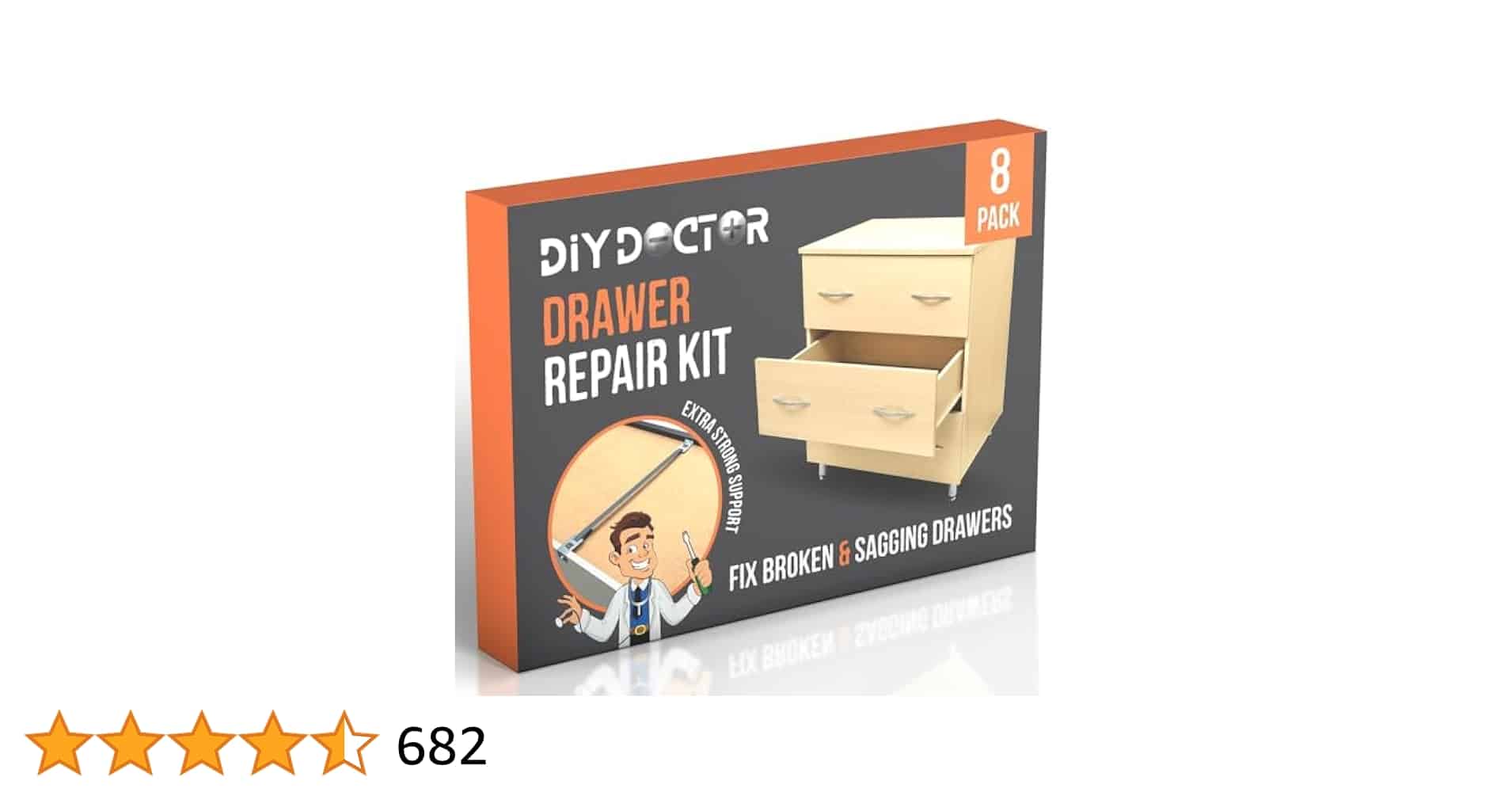
Are you tired of dealing with that annoying sagging kitchen drawer? You know the one—every time you pull it open, it wobbles and threatens to spill its contents onto your kitchen floor.
It’s frustrating, isn't it? But don’t worry. There’s a simple solution that doesn’t require a handyman or a big budget. In this guide, you’ll discover easy steps to fix that drawer once and for all. Imagine the satisfaction of sliding open a drawer that glides smoothly, keeping your kitchen organized and stress-free.
Ready to transform that troublesome drawer into a reliable one? Let’s dive in and tackle this common problem together.
Causes Of Sagging Drawers
Sagging kitchen drawers can cause frustration when they do not slide smoothly. Understanding what causes this problem helps fix it quickly.
Many factors can make drawers sag, such as wear and tear or heavy use. Knowing these causes helps you keep your kitchen in good shape.
Worn Out Slides
Drawer slides allow drawers to move in and out easily. Over time, these slides can wear out or get damaged.
When slides wear out, they cannot hold the drawer properly. This causes the drawer to sag or stick.
- Metal slides may rust or bend
- Plastic slides can crack or break
- Worn slides lose smooth movement
Loose Screws And Hinges
Screws and hinges keep the drawer parts tight and secure. If they become loose, the drawer may sag or tilt.
Loose screws cause the drawer to wobble and lose support. Tightening them often fixes the problem.
- Screws can loosen from regular use
- Hinges may shift or bend
- Check and tighten screws often
Overloaded Drawers
Putting too many heavy items in drawers causes extra stress. This weight can bend the drawer bottom or slides.
Overloaded drawers sag because they are not designed to hold heavy loads. Reducing weight helps prevent damage.
- Heavy pots and pans add stress
- Too many utensils cause sagging
- Keep drawer weight within limits

Credit: www.amazon.co.uk
Tools And Materials Needed
Fixing a sagging kitchen drawer requires some simple tools and materials. Having the right items helps you work quickly and safely.
This guide covers the basic tools, replacement parts, and lubricants or adhesives you might need.
Basic Hand Tools
You need some common hand tools to repair the drawer. These tools help you remove, adjust, and tighten parts.
- Screwdriver (flathead and Phillips)
- Hammer
- Pliers
- Measuring tape
- Level
- Wood chisel (optional)
- Drill with drill bits (optional)
Replacement Parts
Sometimes, worn or broken parts cause a drawer to sag. You may need to replace these parts for a good fix.
- Drawer slides or runners
- Screws and nails
- Wood shims or small blocks
- Drawer bottom panel (if damaged)
- Corner brackets (for extra support)
Lubricants And Adhesives
Lubricants help the drawer slide smoothly. Adhesives fix loose joints or broken parts.
- Silicone spray or wax lubricant
- Wood glue
- Epoxy glue (for stronger bonds)
- Wood filler (to fill gaps)
Step-by-step Repair Process
A sagging kitchen drawer can make your kitchen look old and feel frustrating. Fixing it is easier than you think. Follow these simple steps to repair your drawer and make it work smoothly again.
This guide will walk you through removing the drawer, checking the slides, tightening or replacing hardware, lubricating moving parts, and putting the drawer back in place.
Removing The Drawer
Start by pulling the drawer out as far as it will go. Look for any clips or levers on the sides or bottom. These usually release the drawer from the slides.
Press or lift the clips while gently pulling the drawer out completely. If there are no clips, check if the drawer lifts slightly before pulling it out.
Inspecting The Drawer Slides
Check the metal or plastic slides on both the drawer and inside the cabinet. Look for bends, breaks, or worn parts that could cause sagging.
Clean any dirt or debris from the slides. Dirt can block smooth movement and cause the drawer to sag or stick.
Tightening Or Replacing Hardware
Use a screwdriver to tighten all screws holding the slides and drawer parts. Loose screws can let the drawer sag or fall out of place.
If screws are stripped or missing, replace them with new ones of the same size. Replace any damaged hardware like slides or brackets.
- Tighten all visible screws
- Replace stripped screws
- Install new slides if needed
Lubricating Moving Parts
Apply a small amount of lubricant to the drawer slides to help them move smoothly. Use a silicone spray or a dry lubricant designed for metal or plastic.
Wipe off any extra lubricant to avoid attracting dust and dirt. Test the drawer movement to make sure it slides easily.
Reinstalling The Drawer
Align the drawer slides with the cabinet slides carefully. Slide the drawer straight in until it clicks or fits firmly in place.
Open and close the drawer a few times to check for smooth movement. If it still sags, double-check all steps and hardware.

Credit: www.amazon.co.uk
Preventing Future Sagging
Sagging kitchen drawers can cause frustration and damage. Fixing the problem is just the start. You need to prevent sagging from happening again.
This guide covers key ways to keep your drawers strong and level for years to come.
Proper Weight Distribution
Heavy items in a drawer cause it to sag over time. You can stop this by spreading weight evenly across the drawer base.
- Place heavier items near the back of the drawer
- Do not overload one side or corner
- Use organizers to separate and balance items
- Keep lightweight items toward the front
- Regularly check for uneven weight build-up
Regular Maintenance Tips
Maintenance helps catch drawer problems early. It also keeps parts working well and prevents sagging.
| Task | Frequency | Purpose |
| Clean drawer tracks | Monthly | Remove dirt and dust |
| Tighten screws | Every 3 months | Secure loose parts |
| Lubricate sliders | Every 6 months | Smooth drawer movement |
| Inspect base and sides | Every 6 months | Check for cracks or damage |
Upgrading Drawer Components
Old or weak drawer parts can cause sagging. Upgrading parts improves strength and durability.
- Install full-extension ball bearing slides for smooth, strong support
- Use thicker plywood or hardwood for drawer bases
- Add metal braces or corner blocks inside drawers
- Replace worn screws and nails with stronger fasteners
When To Call A Professional
Fixing a sagging kitchen drawer can be simple or tricky. Sometimes, you need help from an expert.
Knowing when to call a professional saves time and prevents more damage to your kitchen.
Severe Structural Damage
If the drawer frame or cabinet is cracked or broken, it needs professional repair. These damages affect the drawer’s strength and safety.
Professionals have the tools and skills to fix or replace broken parts without causing more harm.
- Deep cracks in the drawer sides or bottom
- Broken joints or loose panels
- Cabinet walls that are damaged or warped
- Drawer falling out or not sliding properly
Complex Cabinetry Issues
Some kitchen drawers are part of custom or built-in cabinets. These can be hard to fix without special knowledge.
Professionals understand cabinet design and can fix problems with alignment, hardware, and fitting.
- Drawers that do not fit well in the cabinet
- Problems with soft-close or other special hardware
- Issues with multiple drawers affecting each other
- Custom-made cabinets needing precise adjustments

Credit: www.amazon.co.uk
Frequently Asked Questions
How Do I Fix A Sagging Kitchen Drawer Easily?
First, remove the drawer and check the runners. Tighten loose screws or replace damaged slides. Add wooden shims if needed to level the drawer and improve support.
What Tools Are Needed To Repair A Sagging Drawer?
You typically need a screwdriver, replacement screws, wooden shims, and possibly new drawer slides. A drill may help for stubborn screws. These tools help you tighten, adjust, or replace drawer components.
Why Is My Kitchen Drawer Sagging Unevenly?
Uneven sagging usually results from loose or damaged runners, worn screws, or heavy items inside. Inspect the drawer’s support parts and redistribute weight evenly to prevent further sagging.
Can I Fix A Sagging Drawer Without Replacing Parts?
Yes, you can tighten screws and add shims to improve alignment. Cleaning and lubricating the slides also helps. Replacement is only necessary if parts are broken or severely worn.
Conclusion
Fixing a sagging kitchen drawer is easier than it seems. Small repairs can make your drawer work like new. Tighten screws, check slides, and replace worn parts. These simple steps save time and money. A stable drawer keeps your kitchen neat and safe.
Try these fixes today and enjoy a smooth drawer again. Don’t let a sagging drawer slow you down. Keep your kitchen running smoothly with basic care.


