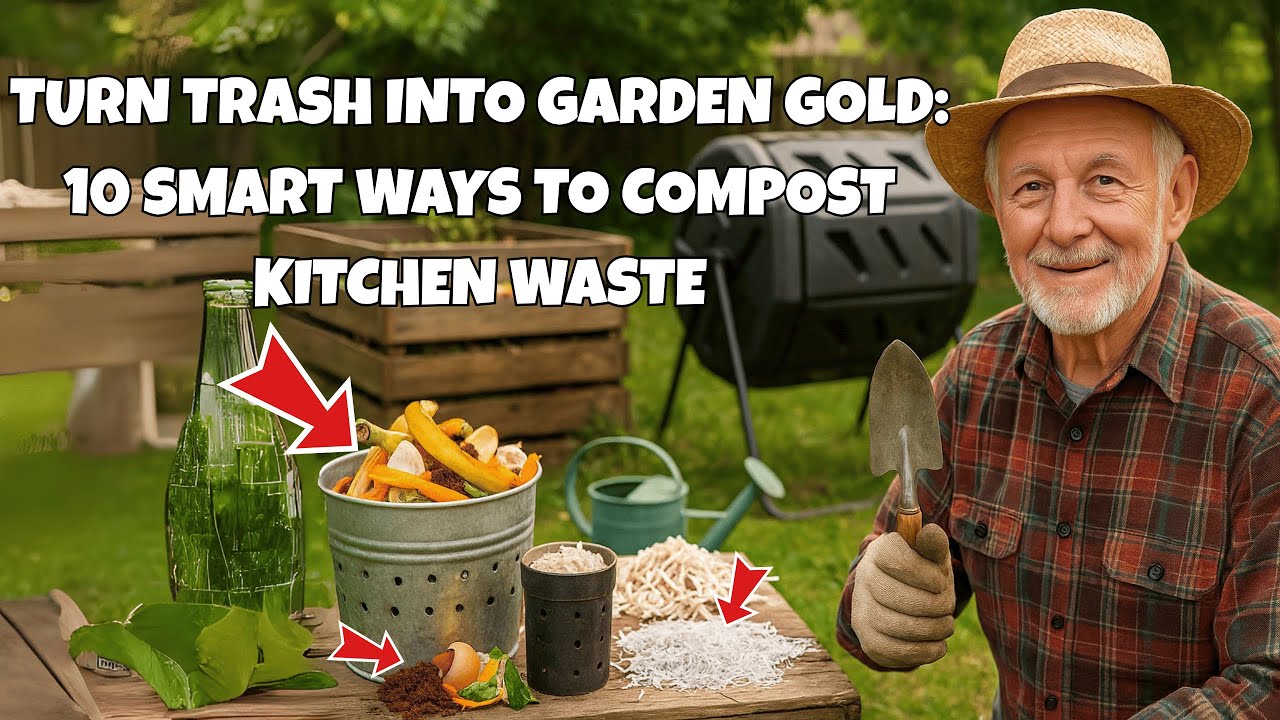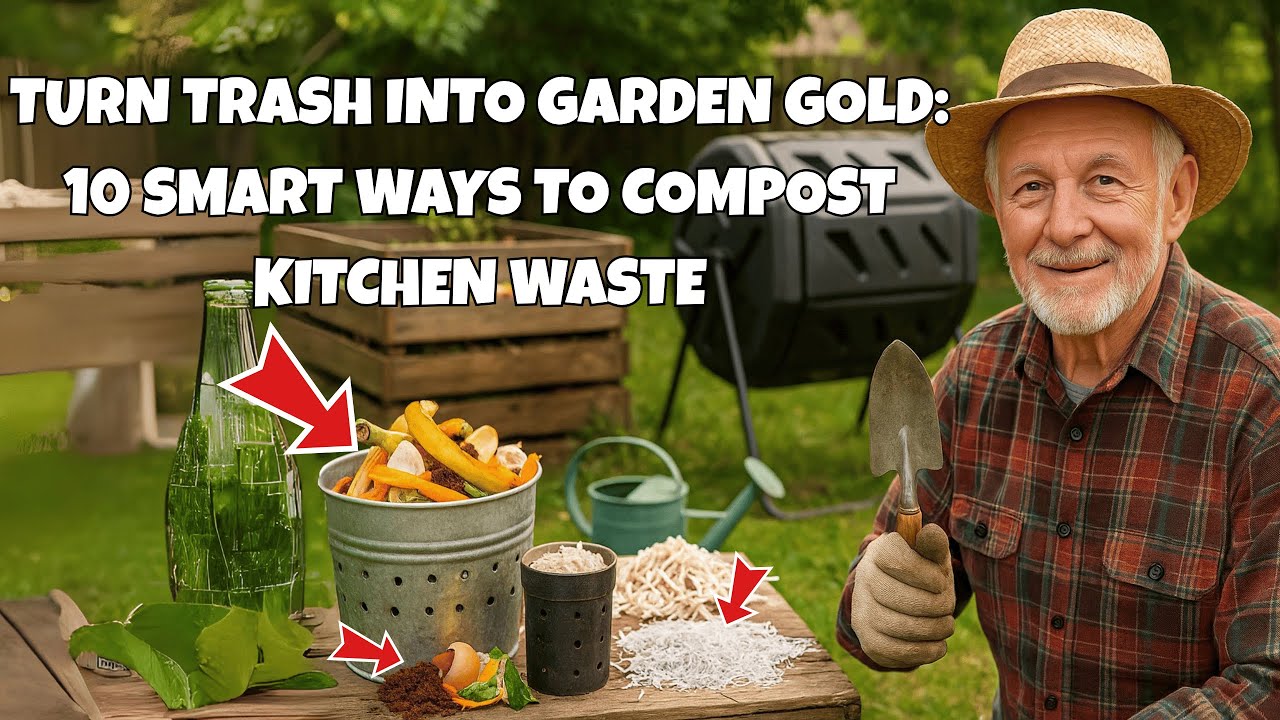
Are you tired of tossing food scraps into the trash and wondering if there’s a better way to use them? Imagine transforming your kitchen waste into rich, nutrient-packed compost right at home.
Not only can you reduce waste, but you can also give your garden a boost without any added costs. This process is simpler than you might think, and you can start reaping the benefits almost immediately. In this guide, you'll discover the secrets of How to Make Kitchen Compost at Home effortlessly.
Ready to turn your leftovers into garden gold? Let’s dive into the steps you need to create your own compost pile and watch your garden thrive.
Benefits Of Kitchen Compost
Kitchen compost helps turn food scraps into useful soil. It is easy to do at home. Many people find it a smart way to reduce trash.
Composting benefits the environment and your garden. It also saves money on buying fertilizers. Below are some key benefits of kitchen compost.
Reducing Household Waste
Composting kitchen waste lowers the amount of garbage sent to landfills. It stops food scraps from causing bad smells and pollution.
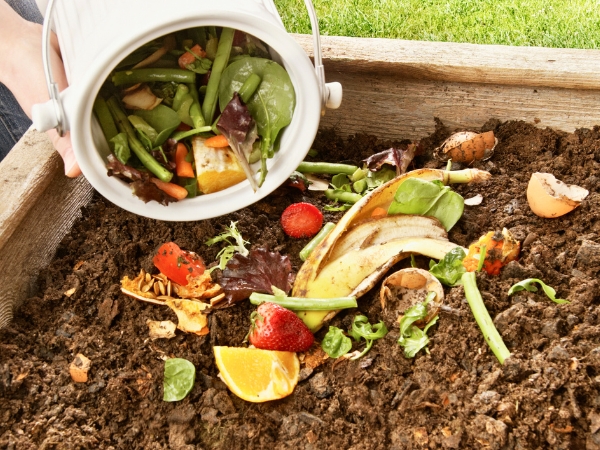
- Food scraps like vegetable peels, coffee grounds, and eggshells can be composted.
- Less waste means less trash bags and fewer trips to the dump.
- It helps reduce greenhouse gas emissions from rotting food in landfills.
Enriching Garden Soil
Kitchen compost adds valuable nutrients to your garden soil. It improves soil texture and helps plants grow strong.
| Benefit | Effect on Soil |
| Increases nutrients | Feeds plants naturally |
| Improves soil structure | Helps retain water |
| Supports beneficial microbes | Boosts soil health |
Saving Money On Fertilizers
Using kitchen compost reduces the need to buy chemical fertilizers. It is a free and natural source of plant food.
Here are some ways kitchen compost saves money:
- Less spending on store-bought fertilizers
- Reduces water use by improving soil moisture
- Promotes healthy plants that need fewer chemicals

Credit: www.youtube.com
Materials Needed
Making kitchen compost at home needs a few simple materials. These items help break down food scraps into nutrient-rich soil.
Understanding what materials to use makes composting easier and faster. You will also need some tools and containers to keep things tidy.
Kitchen Scraps Suitable For Compost
Not all kitchen waste can go in your compost bin. Use scraps that break down well and do not smell bad.
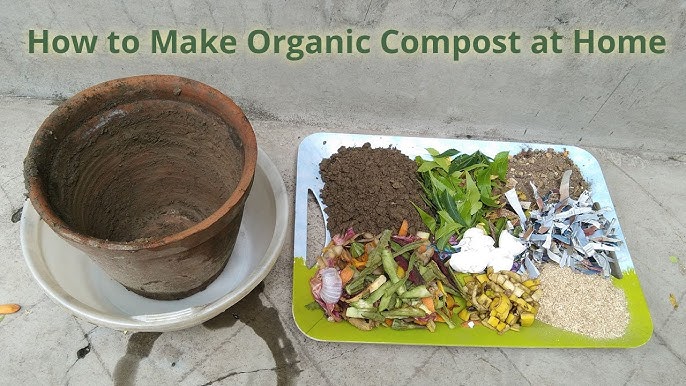
- Vegetable peels and scraps
- Fruit waste like apple cores and banana peels
- Coffee grounds and used tea bags
- Eggshells crushed into small pieces
- Small amounts of bread or grains
- Leaves and small plant trimmings
Avoid meat, dairy, oily foods, and pet waste to stop pests and bad odors.
Tools And Containers
Having the right tools and containers keeps your compost neat and easy to manage. Choose what fits your space and needs.
- A compost bin or bucket with a lid
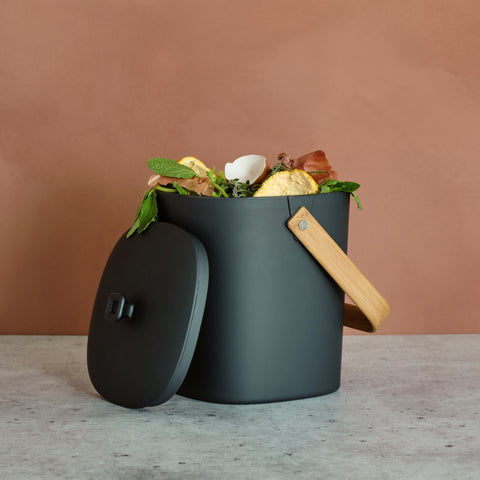
- A small kitchen compost pail for daily scraps
- A garden fork or compost aerator to mix materials
- Gloves to handle compost safely
- Water spray bottle to keep compost moist
Make sure the container has air holes to help the compost breathe.
Optional Additives
Adding some materials can speed up composting or improve the quality of your compost.
- Shredded newspaper or cardboard for carbon
- Grass clippings or dry leaves for texture
- Garden soil or finished compost to add microbes
- Wood ash in small amounts for minerals
- Compost activators or natural enzymes (optional)
These additives help balance wet and dry materials and keep your compost healthy.
Choosing The Right Compost Bin
Composting kitchen waste is easy with the right bin. Picking a good compost bin helps you recycle food scraps well.
Choose a bin that fits your space and composting needs. This guide covers types, placement, and size tips.
Types Of Compost Bins
There are many compost bin styles. Each works in a different way to break down food waste.
- Plastic Tumbler: Easy to turn and keeps pests out.
- Wire Mesh Bin: Good airflow but less pest protection.
- Wooden Bin: Natural look, strong, but needs maintenance.
- Countertop Pail: Small, fits in kitchens for daily scraps.
Placement Tips
Put your compost bin where it is easy to use and maintain. A good spot speeds up composting.
| Placement | Reason |
| Shady area | Keeps compost moist and cool |
| Near kitchen | Makes adding scraps easy |
| Well-drained spot | Prevents water buildup |
| Flat ground | Keeps bin stable |
Size Considerations
Choose a bin size that fits your kitchen waste. Too small means more trips to empty it.
- Small bins (1-5 gallons) suit small families or few scraps.
- Medium bins (5-20 gallons) fit most households well.
- Large bins (20+ gallons) work for big families or garden waste.
Credit: canadale.ca
Step-by-step Composting Process
Making kitchen compost at home helps reduce waste and creates nutrient-rich soil. Follow simple steps to turn food scraps into compost.
Keep your compost healthy by balancing ingredients and caring for it regularly. This guide shows the main steps to start your kitchen compost.
Preparing Kitchen Waste
Use the right kitchen scraps for compost. Avoid meat, dairy, and oily foods as they attract pests and smell bad.
- Collect fruit and vegetable peels
- Save coffee grounds and tea bags
- Use crushed eggshells for calcium
- Include small amounts of bread and grains
- Avoid cooked food, meat, dairy, and oils
Layering Greens And Browns
Compost needs a mix of green and brown materials. Greens are rich in nitrogen, and browns provide carbon.
| Material Type | Examples | Role in Compost |
| Greens | Vegetable scraps, coffee grounds, grass clippings | Supply nitrogen |
| Browns | Dry leaves, cardboard, paper, straw | Supply carbon |
Start with a layer of browns, add greens on top, then repeat layers. This helps compost break down faster.
Maintaining Moisture And Aeration
Keep compost moist like a wrung-out sponge. Too wet or too dry slows down decomposition.
Turn your compost every week. This adds air and stops bad smells. Use a garden fork or stick to mix.
Check moisture by squeezing compost. If water drips, it is too wet. If it feels dry, add water.
Speeding Up Composting
Making kitchen compost at home is easy and good for the environment. You can help it break down faster by using simple tricks.
Faster compost means you get rich soil quicker for your garden or plants.
Turning The Pile
Turning the compost pile brings air inside. Air helps the tiny bugs break down the food scraps faster.
Use a garden fork or shovel to mix your compost every few days. This stops bad smells and speeds up rotting.
- Turn the pile at least twice a week
- Mix the outer parts into the center
- Break up any big clumps of food or leaves
Using Compost Starters
Compost starters have helpful bacteria and fungi. These tiny helpers make composting faster and easier.
You can buy compost starters or use natural materials like finished compost or manure.
- Add a small amount of starter when you build your pile
- Mix it well with kitchen scraps and yard waste
- Keep the pile moist to help starters work
Managing Temperature
Compost piles get hot as bugs break down the waste. Warm temperatures speed up the process.
Keep your compost pile warm by adding enough food scraps and covering it to keep heat in.
- Keep the pile size about 3 feet wide and tall
- Add water if it feels dry but don’t soak it
- Cover with a tarp or lid to keep heat inside
Troubleshooting Common Issues
Making kitchen compost at home is easy but can face some common problems. These issues slow down the process or cause unwanted effects.
Knowing how to fix these problems helps keep your compost healthy and effective.
Odor Problems
Bad smells often come from too much moisture or not enough air. Compost should smell earthy, not rotten.
- Turn the pile regularly to add air.
- Add dry materials like leaves or paper to absorb moisture.
- Avoid adding meat, dairy, or oily foods that cause odor.
- Keep the compost covered to control rainwater and pests.
Pests And Insects
Pests like fruit flies or rodents are attracted to food scraps. This can disturb the compost and your home.
| Common Pest | Cause | Solution |
| Fruit Flies | Exposed food scraps | Cover scraps and turn compost |
| Rodents | Meat or oily foods | Avoid these foods and use sealed bin |
| Ants | Dry compost | Add water and mix well |
Slow Decomposition
Compost breaks down slowly when it lacks balance or the right conditions. This delays useful soil creation.
- Mix green (nitrogen) and brown (carbon) materials well.
- Keep compost moist but not wet.
- Turn pile often to speed up breakdown.
- Chop large scraps into smaller pieces.
Using Finished Compost
Finished compost is a valuable resource for your garden. It enriches soil and helps plants grow strong.
Knowing how to use compost correctly ensures the best results for your plants and soil health.
How To Identify Ready Compost
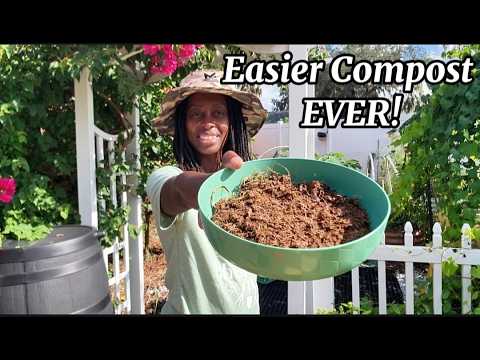
Ready compost looks dark and crumbly. It smells earthy and not like rotten food. You should not see any large pieces of food or yard waste.
- Color: Dark brown or black
- Texture: Crumbly and soft
- Smell: Earthy, no strong odors
- Temperature: Cool to the touch
- Appearance: No visible food scraps or leaves
Applying Compost In The Garden
Apply compost to your garden to improve soil and plant health. Spread it evenly on the soil surface or mix it into the topsoil.
- Clear the area of weeds and debris.
- Spread a 1 to 3 inch layer of compost over the soil.
- Mix compost into the top 6 to 8 inches of soil using a garden fork or tiller.
- Water the area gently after applying compost.
- Repeat compost application each season for best results.
Storing Compost For Later Use
Store compost properly to keep it fresh and ready for use. Keep it dry and protected from pests.
| Storage Tip | Details |
| Container | Use a covered bin or sealed container |
| Location | Keep in a cool, shaded area |
| Moisture | Keep compost moist but not wet |
| Airflow | Allow some airflow to prevent mold |
| Pest Control | Seal container to keep out rodents and insects |
Credit: www.youtube.com
Frequently Asked Questions
What Kitchen Scraps Can I Compost At Home?
You can compost fruit peels, vegetable scraps, coffee grounds, eggshells, and tea bags. Avoid meat, dairy, and oily foods as they attract pests and cause odors.
How Do I Start A Kitchen Compost Bin?
Choose a container with a lid and ventilation. Add equal parts green (wet) and brown (dry) materials. Turn regularly to aerate and speed decomposition.
How Long Does Kitchen Compost Take To Decompose?
Kitchen compost takes about 2 to 3 months to decompose fully. Proper turning and moisture control can speed up the process.
Can I Compost Cooked Food Leftovers?
Avoid composting cooked foods as they attract pests and cause odors. Stick to raw plant-based kitchen scraps for best results.
Conclusion
Making kitchen compost at home helps reduce waste and enrich soil. It saves money on fertilizers and supports plant growth naturally. The process is simple and fits into daily life easily. Just collect scraps, turn them regularly, and keep the pile moist.
Over time, you will see rich, dark compost ready to use. Composting at home also helps the environment by cutting landfill waste. Start small, stay consistent, and enjoy the benefits of healthy soil and less trash. Your kitchen scraps can become valuable, not just garbage.
Give it a try and watch nature work.