Are you tired of tossing out kitchen scraps and want to turn them into something useful? Learning How to Start Composting Kitchen Scraps might be the perfect solution for you.
Imagine transforming your everyday waste into rich, nutritious soil that can breathe new life into your garden. Not only does it reduce waste, but it also offers a sustainable way to enrich your plants and flowers. In this guide, you’ll discover simple and effective steps to start composting your kitchen scraps.
You don’t need to be an expert gardener or have a large backyard. With just a little space and some basic knowledge, you can start creating your own compost pile today. Ready to make a positive impact on the environment and your garden? Let’s dive into the world of composting and see how easy it is to get started.
Benefits Of Composting
Composting kitchen scraps is a simple way to help the environment. It turns food waste into useful material.
This process supports healthy soil and reduces the amount of trash sent to landfills.
Environmental Impact
Composting lowers greenhouse gas emissions by cutting down waste in landfills. It also reduces the need for chemical fertilizers.
- Reduces methane gas from landfills
- Decreases pollution and chemical use
- Lowers carbon footprint
Soil Health Improvement
Compost adds nutrients to soil and improves its texture. It helps plants grow stronger and absorb water better.
| Benefit | Effect on Soil |
| Nutrients | Feeds plants naturally |
| Structure | Increases soil aeration |
| Water Retention | Helps soil hold moisture |
| Microbes | Boosts healthy soil bacteria |
Reducing Waste
Composting cuts down the amount of kitchen waste sent to trash bins. It turns scraps into valuable material instead of garbage.
- Less food waste in landfills
- Lower trash collection costs
- Encourages recycling and reuse
Choosing The Right Compost Bin
Starting composting kitchen scraps is easier with the right bin. Picking a good compost bin helps you manage waste well.
Different bins suit different spaces and needs. Knowing your options makes composting simple and effective.
Types Of Compost Bins
There are many types of compost bins for kitchen scraps. Each type works best in certain situations.
Choose a bin based on how much space you have and how often you want to turn the compost.
- Plastic Tumbler: Easy to turn and keeps pests out.
- Stationary Bin: Simple and affordable, good for big yards.
- Worm Composter: Uses worms to break down scraps fast.
- Bokashi Bin: Ferments scraps indoors, good for small spaces.
Size And Placement Tips
Pick a size that fits your kitchen waste. Too small means emptying often; too large can be hard to manage.
Place the bin in a spot with good air flow and easy access. Avoid direct sunlight to keep moisture steady.
- Keep the bin near your kitchen or garden.
- Choose a shaded, dry place outside.
- Ensure the bin is off the ground to avoid pests.
- Allow space to open and turn the compost easily.
What To Compost
Composting kitchen scraps helps reduce waste and makes rich soil. You can compost many types of food leftovers from your kitchen.
Knowing what to compost is important. Some scraps break down well, while others do not belong in a compost pile.
Kitchen Scraps To Include
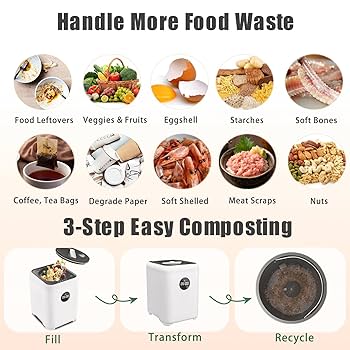
Many kitchen scraps are perfect for composting. These scraps add nutrients and help your compost break down quickly.
- Vegetable peels and scraps like carrot tops and potato skins
- Fruit scraps such as apple cores and banana peels
- Coffee grounds and used tea bags
- Eggshells, crushed to speed up decomposition
- Leftover bread and grains in small amounts
- Nut shells, except for walnut shells which may be harmful
- Shredded paper towels or napkins without chemicals
Items To Avoid
Not all kitchen scraps belong in compost. Some items attract pests or cause bad smells.
- Meat, bones, and fish scraps because they smell and attract animals
- Dairy products like cheese, milk, and butter
- Oils and greasy foods that slow composting
- Cooked foods with sauces or spices
- Pet waste because it may contain harmful bacteria
- Diseased or insect-infested plants
- Plastic, metal, or glass items
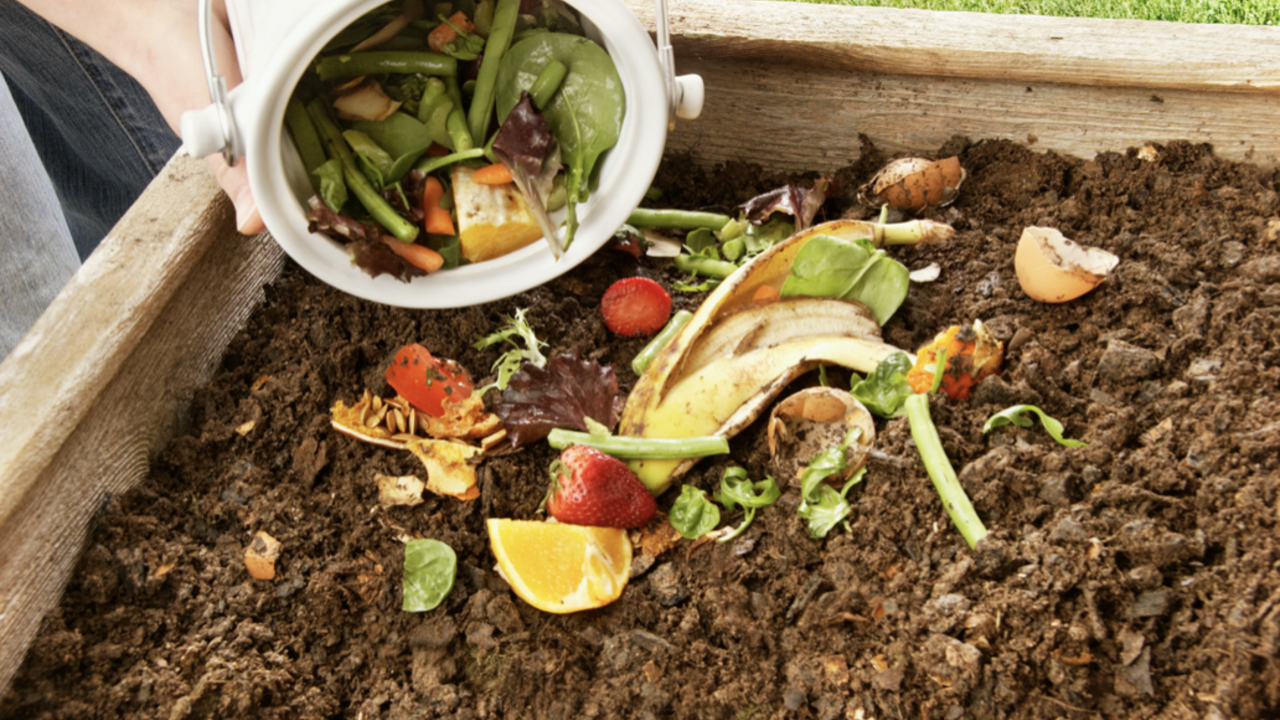
Credit: extension.msstate.edu
Preparing Kitchen Scraps
Composting kitchen scraps helps reduce waste and enrich soil. Preparing scraps properly speeds up decomposition.
Small pieces break down faster. Proper layering keeps the pile balanced and healthy.
Chopping And Layering
Cut kitchen scraps into small bits before adding them to the compost. This helps microbes work faster.
- Use a knife or food processor to chop scraps.
- Include fruit peels, vegetable scraps, and coffee grounds.
- Layer chopped scraps evenly in the compost bin.
- Alternate layers with dry materials like leaves or paper.
- Avoid large chunks that slow down composting.
Balancing Greens And Browns
| Type | Examples | Role in Compost |
| Greens | Vegetable scraps, fruit peels, coffee grounds | Provide nitrogen for microbes |
| Browns | Dry leaves, shredded paper, cardboard | Provide carbon for structure and air flow |
Keep a good mix of greens and browns. Too many greens cause odor. Too many browns slow the process.
Maintaining Your Compost
Keeping your compost healthy helps it break down kitchen scraps faster. Regular care stops bad smells and pests.
Learn simple ways to turn, check moisture, and watch temperature. These steps keep your compost active and ready to use.
Turning And Aerating
Turning your compost adds air to help bacteria work. It stops the pile from getting smelly or wet.
Use a pitchfork or shovel to mix the compost every few days. Make sure the materials inside are loose and fluffy.
- Turn compost at least twice a week
- Mix from the outside to the center
- Break up clumps to let air in
Moisture Control
Your compost needs to be damp, like a wrung-out sponge. Too dry or too wet slows down decomposition.
Check moisture by squeezing a handful. Add water if it feels dry. Add dry leaves or paper if it is too wet.
- Keep compost moist but not soggy
- Add water during dry weather
- Add dry materials if compost smells bad
Temperature Monitoring
Compost heats up as microbes break down scraps. A hot pile means it is working well.
Use a compost thermometer to check the heat. Aim for 130°F to 160°F to kill germs and speed up composting.
- Check temperature 2-3 times a week
- Turn pile if it cools down too much
- Keep pile size big enough to hold heat

Credit: www.bamboozlehome.com
Harvesting Finished Compost
Harvesting finished compost is the last step in composting kitchen scraps. This rich material helps your garden grow strong and healthy.
Knowing when and how to collect your compost ensures you get the best nutrients for your plants.
Signs Compost Is Ready
Finished compost looks dark and crumbly. It smells like fresh soil, not rotten food.
You will not see big bits of food or scraps. The pile will shrink and feel cool to touch.
- Dark brown or black color
- Earthy smell, no bad odor
- Crumbly texture without large pieces
- Smaller pile size than before
- Cool temperature inside the pile
Using Compost In Your Garden
Mix compost into garden soil to improve growth. It adds nutrients and helps soil hold water.
Use compost around plants, in flower beds, or for potting soil. It helps plants stay healthy and strong.
- Mix a few inches into garden beds
- Use as mulch around plants
- Add to potting soil for houseplants
- Sprinkle on lawn to enrich soil
Troubleshooting Common Issues
Starting to compost kitchen scraps can be easy. Sometimes problems come up. These issues can stop your compost from working well.
Knowing how to fix common problems helps keep your compost healthy. Here are some tips to handle typical compost troubles.
Odor Problems
Bad smells in your compost usually mean something is wrong. Too much wet or green material can cause odors. It can smell sour or like rotten eggs.
Fix smells by adding dry, brown materials. These include dry leaves, paper, or straw. Stir the pile to add air and help it dry.
- Add more dry leaves or shredded paper
- Turn the compost to increase air flow
- Keep compost moist, not wet
- Avoid adding too many food scraps at once
Pests And Insects
Pests like flies, rats, or ants may visit your compost. They come for food or shelter. This can be a problem near your home.
Stop pests by covering food scraps well. Use a compost bin with a lid or cover scraps with brown materials. Keep meat and dairy out of the compost.
- Use a closed compost bin
- Cover food scraps with dry leaves or paper
- Do not add meat, cheese, or oily foods
- Turn compost regularly to discourage pests
Slow Decomposition
Sometimes compost breaks down very slowly. This happens if the pile is too dry, too wet, or not turned enough. Lack of air can slow the process.
Help your compost by keeping it moist like a wrung-out sponge. Turn it often to add air. Chop scraps into small pieces to speed up decay.
- Keep compost damp but not soaked
- Turn the pile every few days
- Cut kitchen scraps into small pieces
- Add some garden soil or finished compost

Credit: purevergreen.com
Frequently Asked Questions
What Kitchen Scraps Can I Compost Safely?
You can compost fruit peels, vegetable scraps, coffee grounds, and eggshells. Avoid meat, dairy, and oily foods. These items attract pests and slow decomposition.
How Do I Start Composting Kitchen Scraps At Home?
Begin with a compost bin or pile. Alternate green scraps with brown materials like leaves. Turn regularly to aerate and speed up decomposition.
How Long Does It Take To Compost Kitchen Scraps?
Composting kitchen scraps usually takes 2 to 6 months. Time depends on factors like temperature, moisture, and turning frequency.
Can Composting Kitchen Scraps Reduce Household Waste?
Yes, composting significantly cuts down kitchen waste. It transforms scraps into nutrient-rich soil, reducing landfill contributions and environmental impact.
Conclusion
Starting composting kitchen scraps is simple and good for the earth. It reduces waste and creates rich soil for plants. Just collect your scraps, add them to your compost bin, and turn it often. Patience helps as the material breaks down.
Soon, you will see dark, crumbly compost ready to use. This small habit can save money and help gardens grow strong. Keep it steady and enjoy the benefits of composting every day. Easy steps lead to big changes in your home and garden.