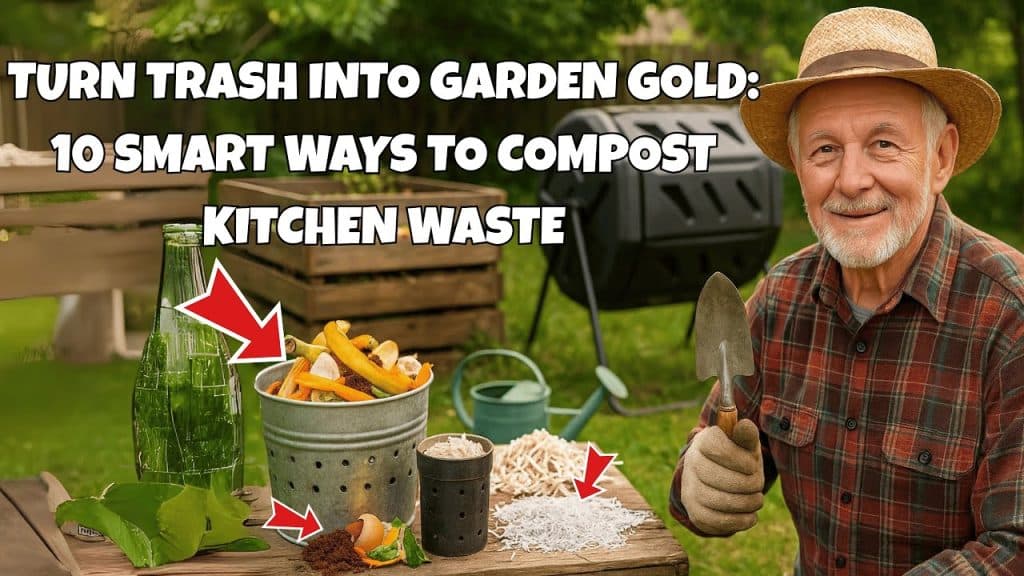
Imagine turning your kitchen scraps into black gold that enriches your garden and reduces waste. Sounds intriguing, right?
Composting your kitchen scraps is not only a great way to give back to the environment, but it also transforms your kitchen waste into a valuable resource. If you’re wondering how to make this magic happen in your own home, you’re in the right place.
By the end of this guide, you’ll be equipped with the knowledge to start composting effortlessly. You’ll discover the secrets to transforming peels, cores, and leftovers into nutrient-rich compost. Curious to know how easy and rewarding it can be? Let’s dive in and unlock the potential of your kitchen scraps!
Benefits Of Composting Kitchen Scraps
Composting kitchen scraps helps reduce waste and supports the environment. It turns food leftovers into useful soil material.
Many people find composting easy and rewarding. It offers several benefits for your home and garden.
Reducing Household Waste
Composting lowers the amount of trash sent to landfills. This cuts down pollution and greenhouse gases.
- Diverts food scraps from garbage bins
- Reduces need for trash pickups
- Helps manage waste naturally at home
- Lessens landfill overflow problems
Improving Soil Health
Compost adds nutrients to soil and improves its texture. It keeps plants healthy and growing strong.
| Benefit | Effect on Soil |
| Increases nutrients | Boosts plant growth |
| Improves moisture retention | Reduces watering needs |
| Enhances soil structure | Prevents erosion |
| Supports beneficial microbes | Promotes healthy roots |
Saving Money And Resources
Using compost cuts down on buying store-bought fertilizers and soil conditioners. It saves water and energy too.
- Reduces costs for garden supplies
- Decreases water needed for plants
- Lowers energy use for waste processing
- Supports a sustainable lifestyle
Choosing The Right Composting Method
Composting kitchen scraps helps reduce waste and create rich soil. Picking the right composting method depends on your space and needs.
Some ways work better indoors, while others need outdoor space. Worm composting is another popular choice.
Indoor Composting Options
Indoor composting is good for people without yards. You can compost in small containers inside your home.
Use a compost bin with a lid to control odors. Add kitchen scraps like fruit peels and coffee grounds. Avoid meat and dairy to keep smells down.
- Use a small bin with air holes
- Add brown materials like shredded paper
- Turn the compost often to speed up breakdown
- Keep compost moist but not wet
Outdoor Composting Systems
Outdoor composting works well if you have a yard or garden. You can make larger compost piles or use bins.
Place your compost where it gets good air and some sunlight. Add kitchen scraps, yard waste, and dry leaves. Turn the pile to help it break down.
- Use a compost bin or a simple pile
- Mix green scraps and brown materials
- Turn the pile every week or two
- Keep the pile damp, like a wrung-out sponge
Vermicomposting With Worms
Vermicomposting uses worms to turn kitchen scraps into soil. It works well indoors and is fast.
Keep a worm bin in a cool, dark place. Feed worms fruit and vegetable scraps. Avoid citrus, onion, and oily foods.
- Use red wiggler worms for best results
- Keep bedding moist and add scraps regularly
- Harvest worm castings every few months
- Do not overfeed worms to prevent bad smells
What Kitchen Scraps To Compost
Composting kitchen scraps helps reduce waste and creates rich soil. Not all scraps are good for composting. Knowing what to add makes your compost healthy.
Here are common kitchen scraps you can compost and some to avoid.
Vegetable And Fruit Peels
Vegetable and fruit peels are great for compost. They break down quickly and add nutrients. Examples include potato skins, apple peels, and carrot tops.
- Banana peels
- Orange rinds (small amounts)
- Cucumber skins
- Onion skins
- Peach pits (crushed)
Coffee Grounds And Tea Bags
Coffee grounds add nitrogen to compost. Use dry tea bags if they are made from natural fibers. Remove any staples before composting tea bags.
Both help improve soil texture and fertility.
Eggshells And Bread
Eggshells add calcium to your compost. Rinse and crush them first for faster breakdown. Bread scraps can compost but use small amounts to avoid pests.
| Item | How to Prepare | Notes |
| Eggshells | Rinse and crush | Add calcium |
| Bread | Small pieces | Use sparingly |
Items To Avoid
Some kitchen scraps harm your compost. Avoid these:
- Meat and bones
- Dairy products
- Oily or greasy foods
- Cooked foods with sauces
- Pet waste
These can cause bad smells and attract pests.

Credit: thewoodlandstownshipblog-environment.com
Preparing Scraps For Composting
Composting kitchen scraps helps reduce waste and enrich soil. Proper preparation speeds up the composting process. It also keeps your compost pile healthy and balanced.
Follow simple steps to prepare your scraps well. This guide covers chopping, moisture, and balancing materials. These tips make your composting easier and more effective.
Chopping And Balancing Materials
Cut your kitchen scraps into small pieces. Smaller bits break down faster and mix well. Balance wet and dry scraps for best results.
- Chop vegetable peels and fruit scraps into 1-2 inch pieces
- Avoid large chunks that take long to decompose
- Mix soft scraps with harder ones to keep airflow
- Balance green (wet) and brown (dry) materials evenly
Maintaining Moisture Levels
Your compost pile should be as damp as a wrung-out sponge. Too dry slows composting. Too wet causes bad smells and rot. Check moisture regularly to keep it right.
| Moisture Level | Effect on Compost |
| Too Dry | Decomposition slows, microorganisms die |
| Just Right | Fast breakdown, healthy microbes |
| Too Wet | Smells bad, slows breakdown, attracts pests |
Adding Browns And Greens
Use both brown and green materials to keep your compost balanced. Browns add carbon, greens add nitrogen. Both are needed for good compost.
- Dry leaves
- Straw or hay
- Shredded paper
- Wood chips
- Vegetable scraps
- Fruit scraps
- Coffee grounds
- Fresh grass clippings
Maintaining Your Compost Pile
Keeping your compost pile healthy helps break down kitchen scraps fast. You need to care for it regularly.
Proper maintenance means turning the pile, checking its temperature, and stopping bad smells or pests.
Turning And Aerating
Turning your compost adds air. Air helps microbes work faster to break down the scraps.
- Turn the pile every 3 to 7 days.
- Use a pitchfork or compost aerator tool.
- Mix the top and bottom layers well.
- Keep the pile moist but not wet.
Monitoring Temperature
Heat shows your compost is working. The pile should stay warm to kill germs and speed breakdown.
| Temperature Range | Compost Condition |
| 100–140°F (38–60°C) | Active composting |
| Below 100°F (38°C) | Slow activity, needs turning |
| Above 160°F (71°C) | Too hot, may kill helpful microbes |
Preventing Odors And Pests
Good compost smells earthy, not bad. Pests like flies and rodents come from poor care.
- Cover fresh scraps with dry leaves or shredded paper.
- Keep the compost moist but not soggy.
- Avoid adding meat, dairy, or oily foods.
- Turn the pile often to prevent bad smells.

Credit: www.familyhandyman.com
Harvesting And Using Finished Compost
Finished compost is rich, dark, and crumbly. It adds nutrients to your soil and helps plants grow well.
Knowing when to harvest and how to use compost makes your garden healthier. This guide shows you how to identify, apply, and store compost.
Identifying Ready Compost
Compost is ready when it looks like dark soil and smells earthy. You should not see large food scraps or have a sour smell.
- Color: Dark brown or black
- Texture: Crumbly and loose
- Smell: Fresh, like soil
- Temperature: Cool or room temperature
- Size: No large pieces of original material
Applying Compost To Plants
Use compost to improve soil and feed your plants. You can add it to flower beds, vegetable gardens, or potted plants.
- Spread a thin layer (1-3 inches) over garden soil.
- Mix compost gently into the topsoil.
- Use compost as mulch around plants to keep moisture.
- Add compost to potting mix for container plants.
- Water the soil after applying compost to help nutrients absorb.
Storing Compost Properly
Store compost to keep it fresh and ready for use. Avoid letting it dry out or become too wet.
| Storage Tip | Reason |
| Keep compost covered | Prevents moisture loss and contamination |
| Store in a cool, shaded spot | Avoids overheating and drying |
| Use a breathable container | Allows air flow to prevent bad smells |
| Turn compost occasionally | Keeps it fresh and aerated |
Troubleshooting Common Compost Issues
Composting kitchen scraps is a great way to reduce waste. Sometimes, problems can slow down the process or cause odors. Knowing how to fix these issues helps you keep compost healthy.
This guide covers common compost problems and easy solutions. You will learn how to speed up decomposition, stop bad smells, and keep pests away.
Dealing With Slow Decomposition
Slow decomposition happens when compost lacks the right balance of materials. It can also occur if the pile is too dry or cold. This means scraps break down very slowly.
To fix slow decomposition, add more nitrogen-rich items like vegetable scraps or coffee grounds. Make sure the compost stays moist but not wet. Turning the pile often helps air reach the materials.
- Add green materials to increase nitrogen
- Keep the pile damp, like a wrung-out sponge
- Turn the compost every week to add oxygen
- Place the pile in a warm spot
Fixing Smelly Compost
Bad smells in compost happen when it gets too wet or lacks air. This causes harmful bacteria to grow. The smell can be sour or rotten.
To stop smells, mix in dry, brown materials like leaves or shredded paper. Turn the pile to add air. Avoid adding too many food scraps at once.
- Add dry leaves, straw, or newspaper
- Turn compost to increase airflow
- Keep compost moist but not soaked
- Do not add meat, dairy, or oily foods
Handling Pest Problems
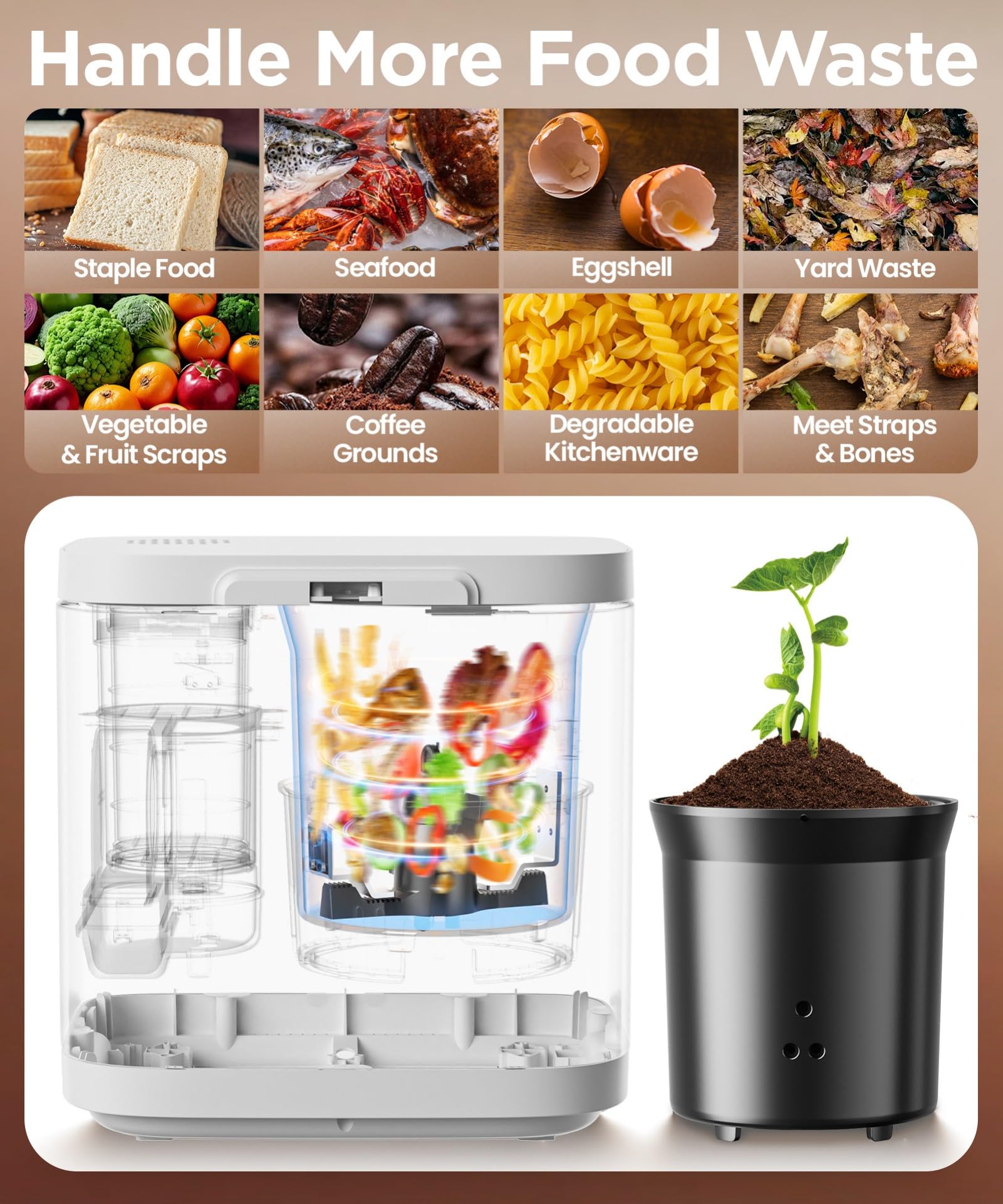
Pests like rodents or flies may visit compost if food scraps are exposed. This can cause damage and spread germs. It also makes composting unpleasant.
To keep pests away, bury food scraps under a layer of brown materials. Use a closed bin or cover the compost pile. Avoid adding meat or greasy foods that attract animals.
- Bury scraps under leaves or straw
- Use a compost bin with a lid
- Avoid adding meat, dairy, or oily foods
- Turn compost regularly to discourage pests
Credit: www.amazon.com
Frequently Asked Questions
What Kitchen Scraps Can I Compost Safely?
You can compost fruit and vegetable peels, coffee grounds, eggshells, and tea bags. Avoid meat, dairy, and oily foods to prevent pests and odors.
How Do I Start Composting Kitchen Scraps At Home?
Collect scraps in a compost bin or container. Alternate green scraps with brown materials like dry leaves. Turn the pile regularly to speed decomposition.
How Long Does It Take To Compost Kitchen Scraps?
Kitchen scraps typically take 2 to 6 months to fully compost. The process depends on temperature, moisture, and how often you turn the pile.
Can I Compost Citrus Peels And Onion Scraps?
Yes, you can compost citrus and onion scraps in moderation. Too many can slow decomposition and affect pH balance, so mix well with other materials.
Conclusion
Composting kitchen scraps helps reduce waste and enrich soil. It saves money on fertilizers and supports plant growth. Starting small makes the process easy and less messy. Keep your compost balanced with greens and browns. Turn it regularly to speed up decomposition.
Soon, you will see rich, dark compost ready to use. This simple habit benefits your garden and the planet. Give it a try and enjoy fresh, healthy soil at home.