Imagine stepping into your kitchen and picking fresh herbs, crisp vegetables, or juicy tomatoes from your very own garden—right on your balcony or windowsill. How to Grow Kitchen Garden in Pots is easier than you think, even if you don’t have a yard.
You can enjoy fresh, healthy produce all year round, save money, and add a splash of green to your home. Ready to turn your space into a thriving garden? Keep reading, and you’ll discover simple steps to grow your kitchen garden successfully, no matter how small your space is.
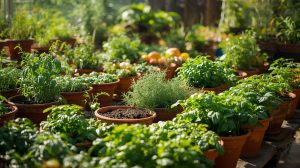
Credit: balconygardenweb.com
Choosing The Right Pots
Growing a kitchen garden in pots is easy and fun. The right pots help your plants grow strong and healthy.
Picking the best pots depends on the material, size, and drainage. These factors affect how well your plants will thrive.
Material Matters
Pot material affects plant health and watering needs. Some pots keep moisture better, while others dry out fast.
- Clay or Terracotta:Good breathability but dries quickly.
- Plastic:Lightweight and retains moisture well.
- Metal:Durable but can get very hot in sun.
- Wood:Natural look and good insulation but may rot.
- Fabric:Allows air flow and root pruning.
Size And Drainage
Choose pot size based on the plant’s root space needs. Drainage holes stop water from pooling and hurting roots.
| Pot Size | Best For | Drainage Tips |
| Small (6-8 inches) | Herbs, small leafy greens | At least one hole at bottom |
| Medium (10-12 inches) | Tomatoes, peppers, larger herbs | Use a saucer to catch extra water |
| Large (14+ inches) | Root vegetables, bushy plants | Multiple holes for good drainage |
Selecting Soil And Fertilizers
Growing a kitchen garden in pots needs good soil and fertilizers. These help plants grow healthy and strong.
Choosing the right soil and fertilizer keeps your plants happy and gives better harvests.
Best Soil Mixes
Good soil holds water and lets air reach roots. It also has nutrients for plants.
Mix these for a strong soil base in pots:
- Garden soil for nutrients
- Compost for organic matter
- Perlite or sand for drainage
- Coconut coir or peat for moisture
Organic Fertilizer Options
Organic fertilizers feed plants naturally. They improve soil health and provide slow nutrients.
Try these organic options for your kitchen garden:
- Compost from kitchen scraps
- Worm castings for rich nutrients
- Seaweed extract for growth boost
- Bone meal for strong roots
- Fish emulsion for quick feeding
Picking Suitable Plants
Growing a kitchen garden in pots needs the right plants. Some plants do better in small spaces and pots.
Choosing the right plants helps you grow healthy food. It also saves space and effort.
Herbs For Pots
Herbs are great for pot gardens. They need little space and grow fast.
Many herbs stay small and fit well in pots on windowsills or balconies.
- Basil grows well in pots and likes sunlight.
- Mint spreads fast but stays healthy in pots.
- Parsley grows nicely and adds fresh flavor.
- Chives need little care and grow upright.
- Cilantro prefers cooler spots and moist soil.
Vegetables That Thrive
Some vegetables grow well in pots with good soil and water.
Choose small or compact plants that don’t need deep roots.
- Lettuce grows quickly and fits in shallow pots.
- Spinach stays small and grows well in containers.
- Radishes mature fast and need little space.
- Cherry tomatoes do well with support in pots.
- Peppers grow upright and need warm weather.
Planting Techniques
Growing a kitchen garden in pots is easy and fun. Using the right planting techniques helps plants grow strong.
Good planting starts with healthy seeds and careful transplanting. This guide covers basic tips for both.
Seed Starting Tips
Start seeds in small pots or seed trays with good soil. Use light, well-draining soil to help roots grow.
Keep the soil moist but not wet. Place the pots in a warm, bright spot to help seeds sprout quickly.
- Use clean containers to avoid disease
- Plant seeds at the right depth, usually twice their size
- Cover seeds lightly with soil
- Water gently to avoid washing seeds away
- Check daily for sprouting and keep soil moist
Transplanting Seedlings
Move seedlings to bigger pots when they have 2-3 leaves. Handle seedlings carefully to protect roots.
Water the seedling before transplanting. Make a hole in the new pot's soil and place the seedling gently.
- Choose pots with good drainage
- Use fresh potting mix for transplanting
- Plant seedlings at the same soil level as before
- Press soil lightly around the roots
- Water well after transplanting
Watering And Care
Growing a kitchen garden in pots needs regular watering and care. Plants in pots dry out faster than those in the ground. Proper watering helps them stay healthy and grow well.
Besides watering, taking care of pests naturally keeps your garden safe. You can avoid chemicals and keep your plants strong with simple methods.
Optimal Watering Schedule
Water your potted plants early in the morning or late in the evening. This prevents water loss from evaporation. Check the soil before watering to avoid overwatering.
| Plant Type | Watering Frequency | Amount of Water |
|---|---|---|
| Herbs (Basil, Mint) | Every 2 days | 1 cup per pot |
| Leafy Greens (Lettuce, Spinach) | Every day | 1.5 cups per pot |
| Tomatoes | Every 2 days | 2 cups per pot |
| Peppers | Every 3 days | 1.5 cups per pot |
Managing Pests Naturally
Use natural ways to keep pests away from your kitchen garden. This protects your plants and keeps your food safe.
- Spray a mix of water and mild soap on leaves to remove bugs.
- Introduce ladybugs; they eat harmful insects.
- Use neem oil spray to stop many pests.
- Keep pots clean and remove dead leaves often.
- Plant marigolds nearby to repel insects.

Credit: greenthic.com
Maximizing Sunlight
Sunlight is important for plants to grow well. When you grow a kitchen garden in pots, giving plants enough light helps them stay healthy.
Use the right ideas to make sure your plants get as much sunlight as possible every day.
Ideal Sun Exposure
Most kitchen plants need at least six hours of sunlight each day. Place your pots where they can get direct sunlight, like on a balcony or windowsill.
Watch how the sun moves and move pots if needed. Some plants like morning sun but not too much afternoon heat.
- Choose south-facing spots for the most sun
- Avoid shaded areas under trees or buildings
- Rotate pots every few days for even light
Using Reflectors And Grow Lights
If sunlight is low, use reflectors to bounce light onto your plants. Reflectors can be simple white boards or shiny surfaces placed near pots.
Grow lights help when natural light is not enough. Use LED or fluorescent grow lights to keep plants healthy indoors or in low-light places.
- Place reflectors opposite the light source for more brightness
- Use grow lights for 12-16 hours daily for best results
- Keep grow lights 6-12 inches above plants to avoid burning
Harvesting And Maintenance
Growing a kitchen garden in pots needs care to keep plants healthy. Proper harvesting and upkeep help plants grow well and produce more.
This guide explains when to harvest your plants and how to prune and clean them regularly.
When To Harvest
Knowing the right time to pick vegetables and herbs is key. Harvesting too early or too late can affect taste and growth.
- Pick leafy greens when leaves are young and tender.
- Harvest tomatoes when they turn fully red and feel soft.
- Gather herbs like basil before flowers appear for best flavor.
- Check roots like carrots once they reach the pot’s edge.
- Cut fruits and vegetables in the morning for freshness.
Regular Pruning And Cleaning
Pruning and cleaning keep plants healthy and prevent disease. Removing dead parts helps new growth.
| Task | Purpose | Frequency |
|---|---|---|
| Remove yellow or dead leaves | Prevent disease and pests | Weekly |
| Pinch back stems | Encourage bushy growth | Every 2 weeks |
| Clear fallen debris | Keep soil clean | Weekly |
| Trim flowers on herbs | Stop early seeding | As needed |
Troubleshooting Common Issues
Growing a kitchen garden in pots is fun but can face problems. Knowing how to fix these issues helps plants stay healthy.
This guide covers two common problems: wilting and mold. Learn easy ways to handle them and keep your garden strong.
Dealing With Wilting
Wilting happens when plants do not get enough water or have root problems. It makes leaves look droopy and weak.
Check soil moisture by feeling it. Water plants if the soil feels dry. Avoid overwatering, which can also cause wilting.
- Water plants early in the morning or late afternoon
- Use pots with good drainage holes
- Remove dead or damaged leaves
- Keep plants out of strong midday sun
Preventing Mold And Mildew
Mold and mildew grow in damp, shaded places. They can harm leaves and make plants sick.
To stop mold, keep your plants dry and give them fresh air. Water only the soil, not the leaves.
- Space pots apart to allow air flow
- Use a fan or open windows if indoors
- Remove any moldy leaves immediately
- Use natural fungicides if mold appears often
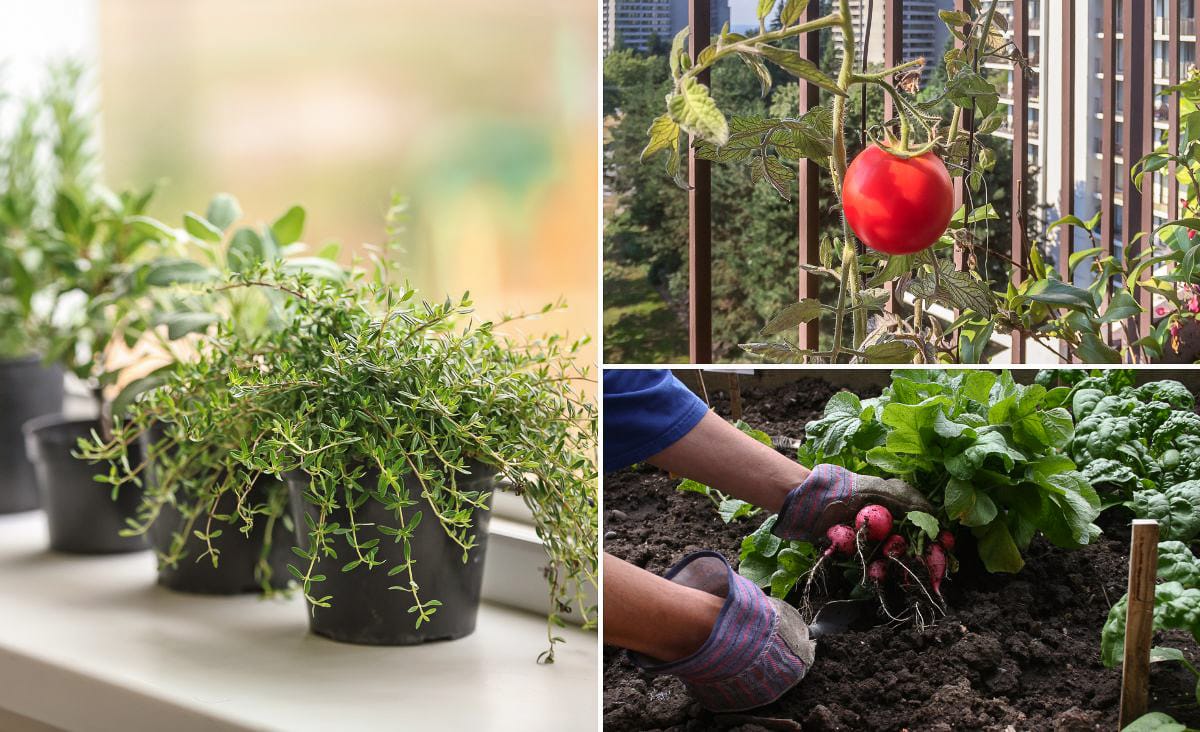
Credit: 104homestead.com
Frequently Asked Questions
What Are The Best Pots For Growing A Kitchen Garden?
Choose pots with good drainage and at least 12 inches deep. Terra cotta, plastic, or ceramic pots work well. Ensure they have drainage holes to prevent waterlogging and root rot. Size depends on the plant type and root growth needs.
Which Vegetables Grow Best In Pots For Kitchen Gardens?
Herbs like basil, mint, and parsley grow well in pots. Leafy greens such as spinach and lettuce are ideal. Tomatoes, peppers, and radishes also thrive in container gardens. Choose compact or dwarf varieties for better results.
How Often Should I Water My Kitchen Garden In Pots?
Water potted plants when the top inch of soil feels dry. Typically, this means watering every 2-3 days. Adjust frequency based on weather and plant type. Avoid overwatering, as it can cause root damage and fungal issues.
What Soil Mix Is Ideal For Potted Kitchen Gardens?
Use a lightweight, well-draining potting mix rich in organic matter. Avoid garden soil, which can compact and retain too much water. Adding compost or vermicompost improves nutrient content and plant growth.
Conclusion
Growing a kitchen garden in pots offers numerous benefits. It's simple and rewarding. Fresh herbs and vegetables at your fingertips. Perfect for small spaces. Remember to choose the right pots and soil. Adequate sunlight and water are essential. Regularly check for pests and maintain soil health.
Enjoy the process of nurturing your plants. Experience the joy of harvesting home-grown produce. A fulfilling hobby that enhances your cooking. Start small and expand as you gain confidence. Embrace the journey of gardening. Your kitchen garden awaits, ready to flourish.