Have you ever thought about growing your own fresh vegetables and herbs right at home, even if you don’t have a garden? Imagine stepping out to your balcony or kitchen window and picking fresh tomatoes, chillies, or coriander whenever you want.
If you’re wondering How to Grow Kitchen Garden in Pots India, growing a kitchen garden in pots is easier than you think, especially in India where space can be limited. This guide will show you simple, practical steps to start your own kitchen garden in pots, so you can enjoy fresh, organic produce every day.
Ready to transform your space and your meals? Let’s dive in!
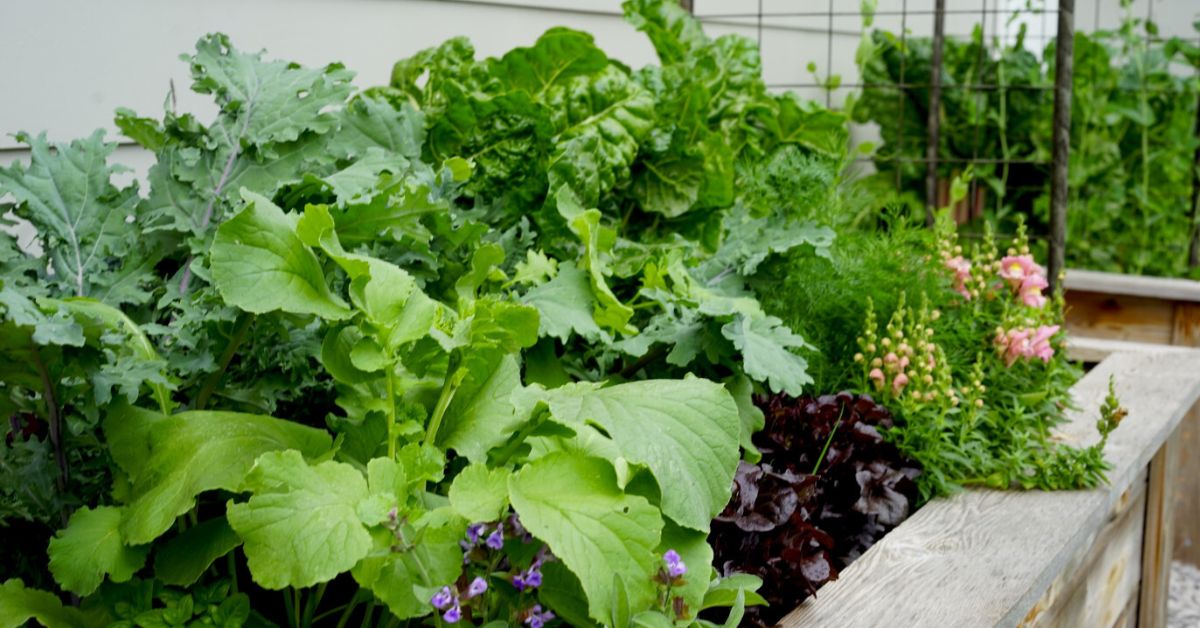
Credit: thebetterindia.com
Choosing The Right Pots
Growing a kitchen garden in pots is great for small spaces in India. Choosing the right pot helps plants grow well and stay healthy.
The right pot gives enough space and good water flow. It also protects plants from heat and cold.
Material Options
Pots come in many materials. Each has good and bad points for kitchen gardens.
Clay pots are common and let air pass to roots. Plastic pots are light and hold moisture longer.
- Clay pots: Breathable but dry out fast.
- Plastic pots: Retain water but can heat up.
- Metal pots: Heat up quickly and may harm roots.
- Wooden pots: Natural look but may rot over time.
Size And Drainage
Choose pot size based on the plant type. Bigger pots help plants grow bigger roots.
Drainage holes stop water from pooling. Good drainage keeps roots healthy and stops rot.
- Use pots with holes at the bottom for water flow.
- Small plants need pots about 6-8 inches wide.
- Larger plants need pots that are 12 inches or more.
- Add small stones at the bottom to improve drainage.
Recycling Containers
You can recycle old containers for planting. This saves money and helps the environment.
Make sure to clean containers well. Add holes for water to drain out.
- Use old buckets, tins, or plastic bottles as pots.
- Cut and clean containers to avoid pests.
- Paint containers if you want to protect them from sun.
Credit: timesofindia.indiatimes.com
Selecting Suitable Plants
Growing a kitchen garden in pots is a great way to have fresh vegetables and herbs. Choosing the right plants is key to success. Some plants grow better in pots than others.
Look for plants that need little space and can thrive in containers. This makes it easy to care for them and get good harvests.
Best Vegetables For Pots
Many vegetables grow well in pots. Choose plants that do not need deep soil. Leafy greens and small fruit vegetables work well.
- Tomatoes – grow well in medium to large pots
- Spinach – easy to grow and harvest regularly
- Radishes – fast growing and space-saving
- Chilies – need warm weather and small pots
- Beans – climbers that can grow in tall pots
Herbs That Thrive
Herbs are perfect for kitchen gardens in pots. They need less space and can grow indoors or outdoors. Many herbs do well in Indian climates.
- Coriander – grows quickly and used in many dishes
- Mint – spreads fast but grows well in pots
- Basil – needs sunlight and regular watering
- Fenugreek (Methi) – grows fast and easy to maintain
- Curry leaves – requires warm climate and sunlight
Seasonal Choices
Picking plants that suit the season helps your garden grow better. Some plants do best in summer, others in winter.
- Summer: Tomatoes, chilies, beans, basil
- Winter: Spinach, coriander, fenugreek, radish
- Monsoon: Mint, curry leaves, beans
Soil And Fertilizer Tips
Growing a kitchen garden in pots in India requires the right soil and fertilizer. Good soil helps plants grow strong. Fertilizers give nutrients that plants need.
Choosing the correct soil mix and using organic fertilizers keeps your garden healthy. Regular care of soil improves plant growth and yield.
Soil Mix Recommendations
Use a light and well-draining soil mix for pots. This helps roots get enough air and water.
- Mix equal parts of garden soil and compost.
- Add coarse sand or perlite to improve drainage.
- Use coco peat to retain moisture.
- Avoid heavy clay soil as it holds too much water.
- Ensure the mix is loose and crumbly for root growth.
Organic Fertilizers
Organic fertilizers provide natural nutrients and improve soil quality. They are safe for edible plants.
| Fertilizer | Source | Benefit |
| Compost | Decomposed kitchen waste | Improves soil texture and nutrients |
| Vermicompost | Worm castings | Rich in nitrogen and microbes |
| Neem Cake | Neem tree byproduct | Controls pests and adds nutrients |
| Bone Meal | Animal bones | High in phosphorus for root growth |
| Wood Ash | Burnt wood | Provides potassium and raises pH |
Maintaining Soil Health
Healthy soil leads to healthy plants. Keep your soil rich and balanced for good growth.
- Water pots carefully to avoid waterlogging.
- Use mulch on soil surface to keep moisture.
- Rotate plants in pots to reduce disease.
- Add compost regularly to replenish nutrients.
- Avoid chemical fertilizers that harm soil life.
Watering Practices
Growing a kitchen garden in pots requires careful watering. Proper watering helps plants stay healthy and grow well.
Water needs depend on the type of plant, pot size, and weather. Understanding good watering habits is important.
Frequency And Amount
Check the soil before watering your plants. Water only when the top inch of soil feels dry.
In hot weather, water more often. In cooler weather, reduce watering to prevent waterlogging.
- Water small pots daily or every other day
- Water larger pots every 2-3 days
- Use enough water to moisten all soil inside the pot
Avoiding Overwatering
Too much water can harm roots and cause plant diseases. Avoid watering if soil is still wet.
Make sure your pots have drainage holes. This helps extra water escape and prevents root rot.
- Check pot drainage before planting
- Water only when soil surface is dry
- Lift pots to feel their weight; heavy pots may have too much water
Using Mulch
Mulch helps keep soil moist for longer. It reduces the need to water often in dry weather.
Use organic mulch like dry leaves or small straw pieces. Spread a thin layer on top of the soil.
- Mulch keeps soil temperature stable
- Prevents soil from drying out quickly
- Reduces weed growth in pots
Sunlight And Placement
Growing a kitchen garden in pots in India needs the right sunlight and place. Sunlight helps plants grow healthy and strong.
Choosing the best spot for your pots can make a big difference in your garden's success.
Ideal Sun Exposure
Most kitchen garden plants need 4 to 6 hours of sunlight daily. This helps them make food through photosynthesis.
- Place pots where they get morning sun.
- Avoid harsh afternoon sun, especially in summer.
- Check if plants need full sun or partial shade.
- Rotate pots to give all sides sunlight.
- Use light-colored pots to reflect heat.
Balcony And Window Tips
Balconies and windows are good spots for kitchen gardens in pots. They provide sunlight and fresh air.
| Tip | Why It Helps |
| Use south or west-facing windows | Gets more sunlight during the day |
| Keep pots near railing or open space | Allows air circulation and sunlight |
| Place smaller pots on shelves | Maximizes space and light exposure |
| Use drip trays under pots | Prevents water spillage inside |
| Clean windows regularly | Ensures more light passes through |
Protecting From Harsh Weather
Indian weather can be tough. Protect your kitchen garden pots from strong sun, wind, and rain.
- Move pots to shaded areas during hot afternoons.
- Use shade nets in extreme heat.
- Bring pots indoors or under shelter during heavy rain.
- Secure pots so wind does not tip them over.
- Water plants early morning or late evening to reduce evaporation.
Pest And Disease Control
Growing a kitchen garden in pots in India is fun and rewarding. But pests and diseases can harm your plants. It is important to control them early.
Using safe methods to keep pests away helps your plants grow healthy. This guide shows common pests and how to prevent and treat them.
Common Pests In Indian Kitchens
Many pests attack kitchen garden plants in pots. They eat leaves, stems, and fruits. This reduces plant growth and yield.
- Aphids: Small green or black bugs that suck plant sap.
- Whiteflies: Tiny white insects found under leaves.
- Spider Mites: Tiny red or yellow dots causing leaf spots.
- Mealybugs: White cotton-like bugs on stems and leaves.
- Caterpillars: Worm-like pests that chew leaves.
- Thrips: Small slender insects that damage flowers and leaves.
Natural Remedies
Use natural remedies to control pests without chemicals. They are safe for you and the environment. Many work well in small pots.
- Neem oil spray kills many insects and stops eggs from hatching.
- Soap water spray removes soft-bodied insects like aphids and mealybugs.
- Garlic and chili spray repels pests due to strong smell.
- Introduce ladybugs to eat aphids and whiteflies naturally.
- Use turmeric powder on soil to prevent fungal growth.
Preventive Measures
Prevent pests and diseases by keeping your pots and plants clean. Healthy plants resist pests better. Follow simple steps to avoid problems.
- Use fresh, clean soil and good quality seeds or seedlings.
- Water plants early in the day to avoid moisture at night.
- Remove dead leaves and plant debris regularly.
- Keep pots spaced well for air circulation.
- Check plants daily for early signs of pests or disease.
- Rotate crops in pots to avoid pest build-up.
Harvesting And Maintenance
Growing a kitchen garden in pots is rewarding. Proper harvesting and maintenance keep plants healthy. This guide covers when to harvest, pruning techniques, and replanting tips.
Following these simple steps will help you enjoy fresh vegetables and herbs from your own home garden.
When To Harvest
Harvest vegetables and herbs at the right time. Picking too early or late affects taste and growth. Watch for color, size, and texture changes in your plants.
- Pick leafy greens when leaves are tender and bright green.
- Harvest tomatoes when they turn red or their ripe color.
- Pick beans when pods are firm but not too hard.
- Herbs like basil and mint are best picked before flowering.
Pruning Techniques
Pruning helps plants grow better and produce more. Remove dead or yellow leaves regularly. Trim plants to keep air flowing and reduce disease risks.
| Pruning Tip | Purpose |
| Pinch off new flower buds | Encourages leafy growth in herbs |
| Cut back leggy stems | Promotes bushier plants |
| Remove dead leaves | Prevents pests and diseases |
| Trim excess growth | Improves sunlight reach |
Replanting Tips
Replanting keeps your garden fresh and productive. Change pots if plants outgrow them. Use fresh soil and clean containers to avoid pests.
- Choose pots with good drainage holes.
- Use nutrient-rich potting mix for better growth.
- Water plants well after replanting.
- Keep plants in shade for a few days to reduce stress.
- Remove old roots and dead plant parts before replanting.
Cost-effective Gardening
Growing a kitchen garden in pots is easy and affordable. You can save money by using simple methods and materials. This guide shares tips to keep costs low while growing fresh vegetables.
Using what you have at home helps reduce expenses. You do not need expensive tools or seeds to start a healthy garden in pots.
Diy Pot Options
You can make pots from things around the house. This saves money and helps reuse old items. Many containers work well for growing plants.
- Use old plastic containers or buckets with holes for drainage
- Cut large plastic bottles in half to create small pots
- Recycle wooden crates by lining them with plastic
- Use clay or terracotta pots if you already have them
- Turn unused tins or cans into plant holders
Seed Saving
Saving seeds from your kitchen garden lowers future costs. You can collect and store seeds from the vegetables you grow. This method helps you plant again without buying new seeds.
| Vegetable | Seed Saving Tip |
| Tomato | Dry seeds on paper before storing in a cool place |
| Chili | Remove seeds from ripe fruit and dry well |
| Ladyfinger (Okra) | Collect seeds from dry pods after harvest |
| Spinach | Let plants flower and collect seeds once dry |
Using Kitchen Waste
Kitchen waste can help grow your plants. Many scraps can turn into compost or grow new plants. This reduces waste and saves money on soil and plants.
Here are some common kitchen wastes you can use:
- Vegetable peels and fruit scraps for compost
- Potato eyes to grow new potato plants
- Garlic cloves to plant for fresh garlic
- Green onion roots placed in water to regrow
- Tea leaves added to soil for nutrients

Credit: www.youtube.com
Frequently Asked Questions
What Are The Best Vegetables For A Kitchen Garden In Pots?
Leafy greens, tomatoes, chilies, coriander, and mint grow well in pots. These plants need moderate sunlight and regular watering.
How Much Sunlight Do Kitchen Garden Pots Need In India?
Most kitchen garden plants need 4-6 hours of sunlight daily. Place pots near windows or balconies with good sun exposure.
What Soil Type Is Ideal For Pot Gardening In India?
Use well-draining, nutrient-rich soil mixed with compost. A balanced potting mix ensures healthy plant growth and retains moisture effectively.
How Often Should I Water My Kitchen Garden Pots?
Water pots when the top inch of soil feels dry. Avoid overwatering to prevent root rot and ensure proper aeration.
Conclusion
Growing a kitchen garden in pots is easy and rewarding. Small spaces work well. You just need pots, soil, and seeds. Start with herbs like mint and basil. They grow fast and smell nice. Water plants regularly and give them sunlight.
Watch them grow! Fresh veggies at home are healthy and tasty. It's a fun hobby for all ages. Enjoy watching nature thrive in your space. Start your garden today and enjoy the benefits. Happy planting!