Have you ever dreamed of picking fresh herbs and vegetables right from your own home? Creating a kitchen garden in pots is easier than you think, even if you don’t have a big yard.
Imagine having vibrant green leaves and juicy tomatoes just steps away from your kitchen. If you’re wondering how to make kitchen garden in pots, this simple, space-saving idea can save you money, boost your health, and add a touch of nature to your daily life.
Keep reading, and you’ll discover easy, practical steps anyone can follow to make a kitchen garden in pots. Your fresh, homegrown produce is closer than you think!
Choosing The Right Pots
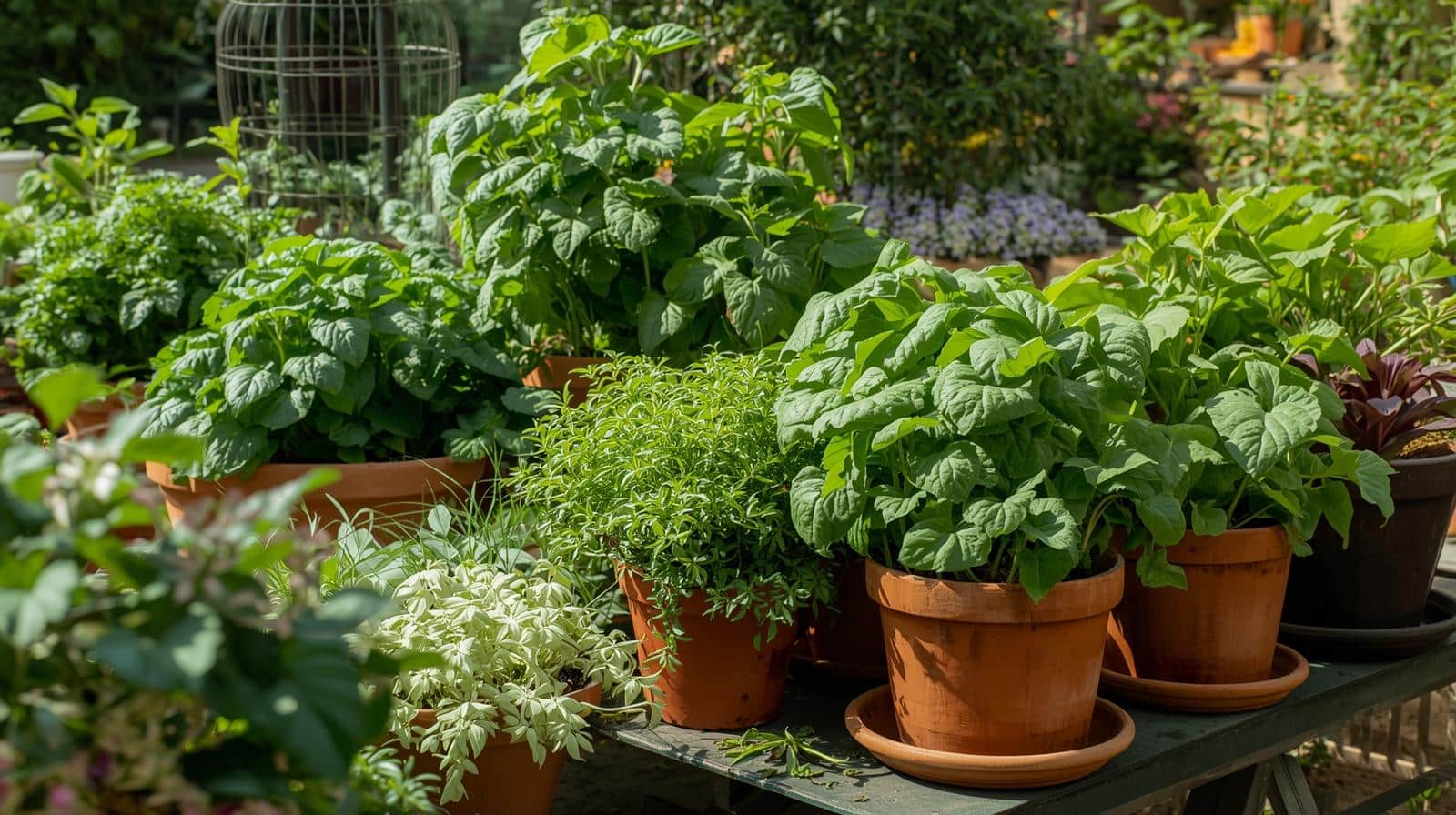
Starting a kitchen garden in pots needs the right containers. The pots you pick affect plant growth and health.
Good pots provide enough space, proper drainage, and suit your garden space well.
Material Options
Pots come in many materials. Each type has benefits and drawbacks for kitchen gardening.
- Terracotta:Breathable and classic, but can dry soil quickly.
- Plastic:Lightweight and retains moisture, but less durable.
- Metal:Stylish and strong, but may heat up and harm roots.
- Wood:Natural look and good insulation, but may rot over time.
Size And Drainage
Choose pots large enough for roots to grow. Small pots limit plant size and yield.
| Pot Size | Recommended Plants | Notes |
| 6-8 inches | Herbs like basil, parsley | Good for small spaces |
| 10-12 inches | Leafy greens like spinach, lettuce | Allows root growth |
| 14 inches or more | Tomatoes, peppers, eggplants | Needs more soil and support |
Drainage holes help excess water escape. Without them, roots can rot.
Placement Tips
Place pots where plants get enough light. Most kitchen plants need 6 hours of sun daily.
Follow these tips for pot placement:
- Use sunny windowsills or balconies.
- Rotate pots weekly for even growth.
- Keep pots away from strong winds.
- Group pots to create humidity.
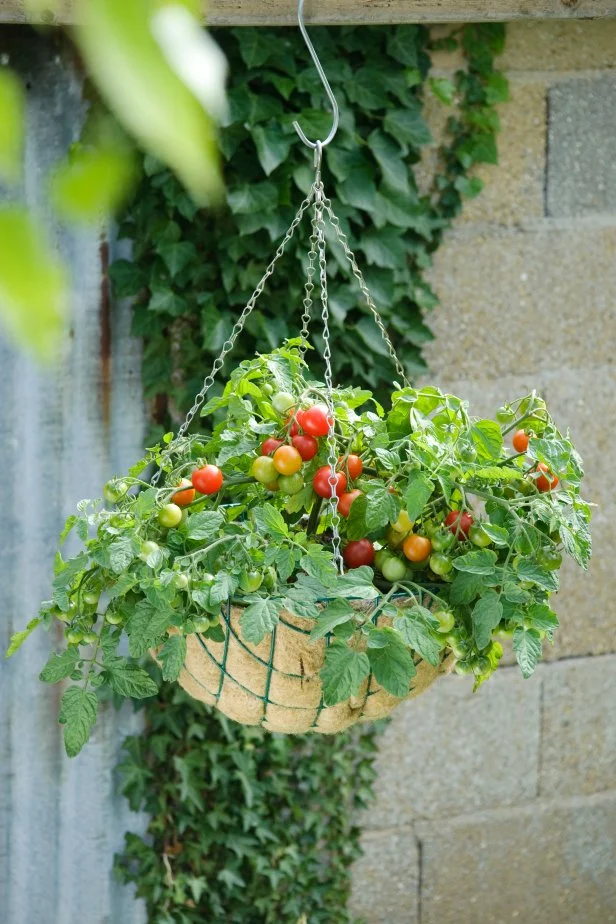
Credit: www.hgtv.com
Selecting Herbs For Your Garden
Choosing the right herbs for your kitchen garden is key to success. Pick herbs that suit your space and needs.
Think about how much sunlight your pots get and what you like to use in cooking. This helps you select the best herbs.
Easy-to-grow Herbs
Some herbs grow well in pots and need little care. They are perfect if you are new to gardening.
- Basil – grows fast and likes warm sunlight
- Mint – spreads easily and needs moderate water
- Parsley – stays fresh with regular watering
- Chives – grow well in small pots
- Thyme – hardy and drought-resistant
Herbs For Cooking
Choose herbs that match your favorite dishes. Fresh herbs add flavor and nutrition.
- Oregano – great for Italian and Mediterranean food
- Cilantro – used in Mexican and Asian dishes
- Rosemary – good for roasting meats and vegetables
- Dill – perfect for salads and fish recipes
- Sage – adds flavor to soups and stuffings
Climate Considerations
Herbs need the right climate to grow well. Know your local weather before planting.
Some herbs like warm sun, while others do better in cooler spots. Choose herbs that match your climate.
- Basil and rosemary prefer warm, sunny areas
- Mint and parsley do well in cooler, shaded places
- Thyme can handle dry and hot conditions
- Cilantro grows best in mild temperatures
- Adjust pot placement based on season and sun
Preparing The Soil Mix
Making a good soil mix is key for a healthy kitchen garden in pots. The right soil helps plants grow strong and produce fresh food.
We will look at the main parts of soil, how to add nutrients, and how to keep the soil pH balanced for your plants.
Soil Components
Good soil has three main parts: sand, silt, and clay. These parts affect drainage and air flow in the soil.
- Sand:Helps water drain quickly and keeps soil loose.
- Silt:Holds water and nutrients well, making soil soft.
- Clay:Holds nutrients but can make soil heavy and hard.
Mixing these parts in the right amount creates soil that holds water but drains well. Adding organic matter like compost improves soil texture.
Nutrients And Fertilizers
Plants need nutrients like nitrogen, phosphorus, and potassium to grow. These nutrients come from fertilizers or natural compost.
| Nutrient | Role | Source |
| Nitrogen (N) | Helps leaves grow green and strong | Compost, manure, nitrogen fertilizer |
| Phosphorus (P) | Supports root and flower growth | Bone meal, rock phosphate |
| Potassium (K) | Improves fruit quality and disease resistance | Wood ash, potassium sulfate |
Use balanced fertilizers or organic compost to feed your kitchen garden regularly. Avoid using too much fertilizer to protect your plants.
Soil Ph Balance
Soil pH shows how acidic or alkaline the soil is. Most vegetables like soil that is slightly acidic or neutral.
You can check soil pH with a kit or test strips. Use these tips to adjust soil pH:
- If soil is too acidic (pH below 6), add lime to raise pH.
- If soil is too alkaline (pH above 7.5), add sulfur or peat moss to lower pH.
- Keep pH between 6 and 7 for most kitchen garden plants.

Credit: savvygardening.com
Planting Your Herbs
Growing herbs in pots lets you enjoy fresh flavors at home. Planting herbs carefully helps them grow well.
Learn how to plant herbs by choosing seeds or seedlings, setting the right depth and spacing, and watering properly.
Seed Vs. Seedlings
Seeds are the start of herb plants. They need more time and care to grow. Seedlings are small plants already started.
Seeds cost less and offer many plants. Seedlings grow faster and are easier for beginners.
- Choose seeds if you want many plants and enjoy growing from scratch.
- Pick seedlings for faster results and easier planting.
- Some herbs, like basil, grow well from both seeds and seedlings.
Planting Depth And Spacing
Plant seeds or seedlings at the right depth for best growth. Too deep or too shallow can harm the plants.
Give each herb enough space to grow leaves and roots. Crowded plants may not grow well.
| Herb | Seed Planting Depth | Spacing Between Plants |
|---|---|---|
| Basil | 0.25 inch (6 mm) | 6-12 inches (15-30 cm) |
| Mint | 0.5 inch (12 mm) | 12 inches (30 cm) |
| Parsley | 0.25 inch (6 mm) | 6-8 inches (15-20 cm) |
| Cilantro | 0.5 inch (12 mm) | 6-8 inches (15-20 cm) |
Watering After Planting
Water herbs gently right after planting. This helps settle soil and starts root growth.
Keep the soil moist but not soaked. Too much water can cause root problems.
- Use a watering can with a fine rose to avoid washing away seeds.
- Check soil moisture daily, especially in warm weather.
- Water when the top inch of soil feels dry.
Caring For Your Garden
Caring for a kitchen garden in pots is simple. It needs regular attention to grow well.
Good care helps plants stay healthy and produce fresh vegetables or herbs.
Watering Schedule
Potted plants dry out faster than garden soil. Check soil moisture daily.
Water the plants when the top inch of soil feels dry. Avoid overwatering to stop root rot.
- Water early in the morning or late in the evening
- Use a watering can with a fine rose to avoid soil damage
- Ensure pots have drainage holes to prevent water buildup
Sunlight Requirements
Most kitchen garden plants need 6 to 8 hours of sunlight every day. Place pots in sunny spots.
Rotate pots weekly to help all sides get sunlight and grow evenly.
- Tomatoes and peppers like full sun
- Leafy greens grow well in partial shade
- Herbs such as basil and parsley need bright light
Pruning And Harvesting
Pruning keeps plants healthy and encourages new growth. Remove dead or yellow leaves often.
Harvest vegetables and herbs regularly to enjoy fresh produce and to help plants grow more.
- Pinch off flower buds on leafy plants to keep leaves growing
- Cut herbs early in the morning for best flavor
- Use clean scissors or pruning shears to avoid plant damage
Dealing With Common Problems
Growing a kitchen garden in pots is fun and rewarding. Sometimes, you may face problems that stop your plants from growing well.
Knowing how to handle these problems helps your garden stay healthy and strong.
Pests And Diseases
Pests like aphids and diseases like powdery mildew can hurt your plants. Watch your plants often for any signs of damage or spots on leaves.
- Use neem oil spray to keep pests away.
- Remove damaged leaves to stop disease spread.
- Place sticky traps to catch flying insects.
- Keep pots clean and avoid crowded plants.
Overwatering And Underwatering
Water is important but too much or too little can harm plants. Overwatering causes root rot. Underwatering makes leaves dry and wilt.
| Problem | Signs | Solution |
| Overwatering | Yellow leaves, soggy soil | Water only when top inch of soil is dry |
| Underwatering | Dry leaves, soil pulls away from pot | Water deeply and regularly, especially in hot weather |
Nutrient Deficiencies
Plants need nutrients like nitrogen, phosphorus, and potassium. Lack of these causes slow growth and weak leaves.
- Nitrogen deficiency shows as pale or yellow leaves.
- Phosphorus lack leads to dark green or purple leaves.
- Potassium shortage causes leaf edges to brown.
- Use balanced liquid fertilizer every 2-3 weeks.
Tips For Year-round Gardening
Growing a kitchen garden in pots lets you enjoy fresh herbs anytime. You can garden all year if you plan well.
Use the right plants and tools to keep your garden healthy through each season. Small changes make a big difference.
Seasonal Herb Choices
Choose herbs that grow well in each season. This keeps your pots full and your kitchen stocked.
- Basil and cilantro grow well in spring and summer.
- Parsley and chives do well in cooler fall and winter.
- Mint can thrive almost all year with some care.
- Thyme and rosemary prefer warm, sunny spots.
- Dill grows fast and is good for summer pots.
Indoor Gardening Options
You can grow herbs inside to keep your garden going when it is cold outside.
| Herb | Light Needs | Water Needs |
| Basil | Bright light | Keep soil moist |
| Mint | Moderate light | Water regularly |
| Chives | Bright light | Allow soil to dry |
| Parsley | Indirect light | Keep soil moist |
Using Grow Lights
Grow lights help plants get enough light when the sun is weak or short.
- Place lights 6 to 12 inches above the plants.
- Use full-spectrum LED lights for best growth.
- Keep lights on for 12 to 16 hours daily.
- Turn lights off at night to rest plants.
- Check plants daily for signs of too much or too little light.
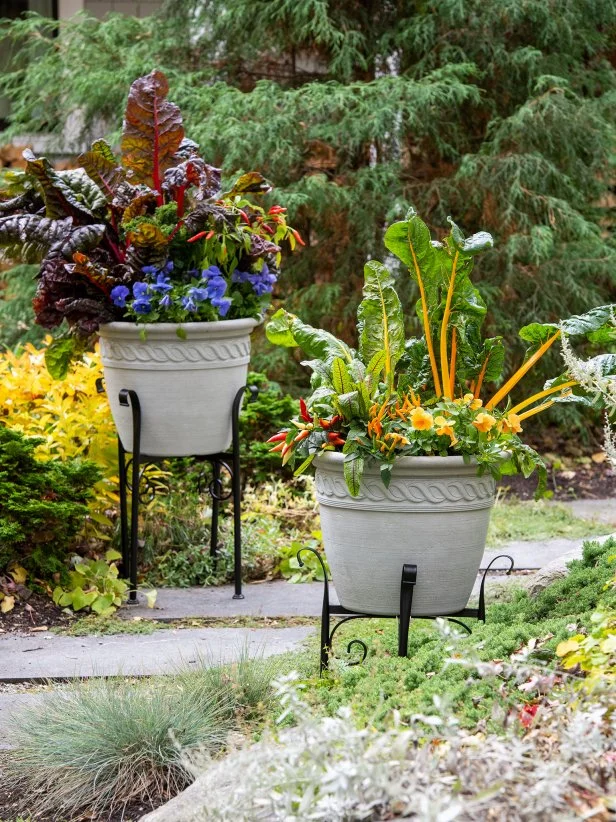
Credit: www.hgtv.com
Frequently Asked Questions
What Are The Best Pots For A Kitchen Garden?
Choose pots with drainage holes and at least 12 inches deep. Terracotta, plastic, or ceramic pots work well. Ensure they suit the plant size to promote healthy root growth.
Which Vegetables Grow Best In Kitchen Garden Pots?
Leafy greens, herbs like basil and mint, cherry tomatoes, and peppers thrive in pots. These plants require minimal space and adapt well to container gardening.
How Often Should I Water Plants In Kitchen Garden Pots?
Water pots when the top inch of soil feels dry. Typically, watering every 2-3 days works, but frequency varies by weather and plant type.
What Soil Mix Is Ideal For Kitchen Garden Pots?
Use a well-draining potting mix enriched with organic compost. Avoid garden soil, as it may compact and reduce aeration for roots.
Conclusion
Creating a kitchen garden in pots is simple and rewarding. You can enjoy fresh herbs and veggies at home. Pots fit small spaces like balconies or patios. Choose the right pots and good soil. Water plants regularly for healthy growth.
Sunlight is crucial, so place pots in sunny spots for your Kitchen Garden in Pots. Enjoy nurturing your plants and watch them thrive. Fresh produce will be at your fingertips.
Gardening can be fun and stress-relieving. Start your Kitchen Garden in Pots today and savor the benefits of homegrown food.
Happy planting!