Which Attachment to Use for Mixing Frosting: Are you tired of your frosting turning out lumpy or too stiff? Choosing the right attachment for mixing frosting can make all the difference in getting that smooth, creamy texture you want.
Whether you’re a beginner or a baking pro, using the correct tool will save you time and frustration. You’ll discover which attachment works best for your frosting and how it can transform your baking experience. Keep reading to find the secret to perfect frosting every time!
Credit: chelsweets.com
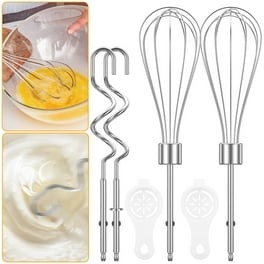
Types Of Mixer Attachments
Choosing the right mixer attachment is important for making frosting. Each attachment works best with different textures and ingredients.
Knowing which tool to use helps you mix frosting smoothly and evenly. Let’s look at three common attachments.
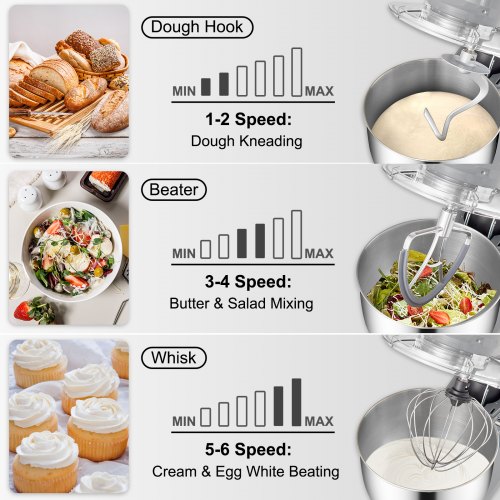
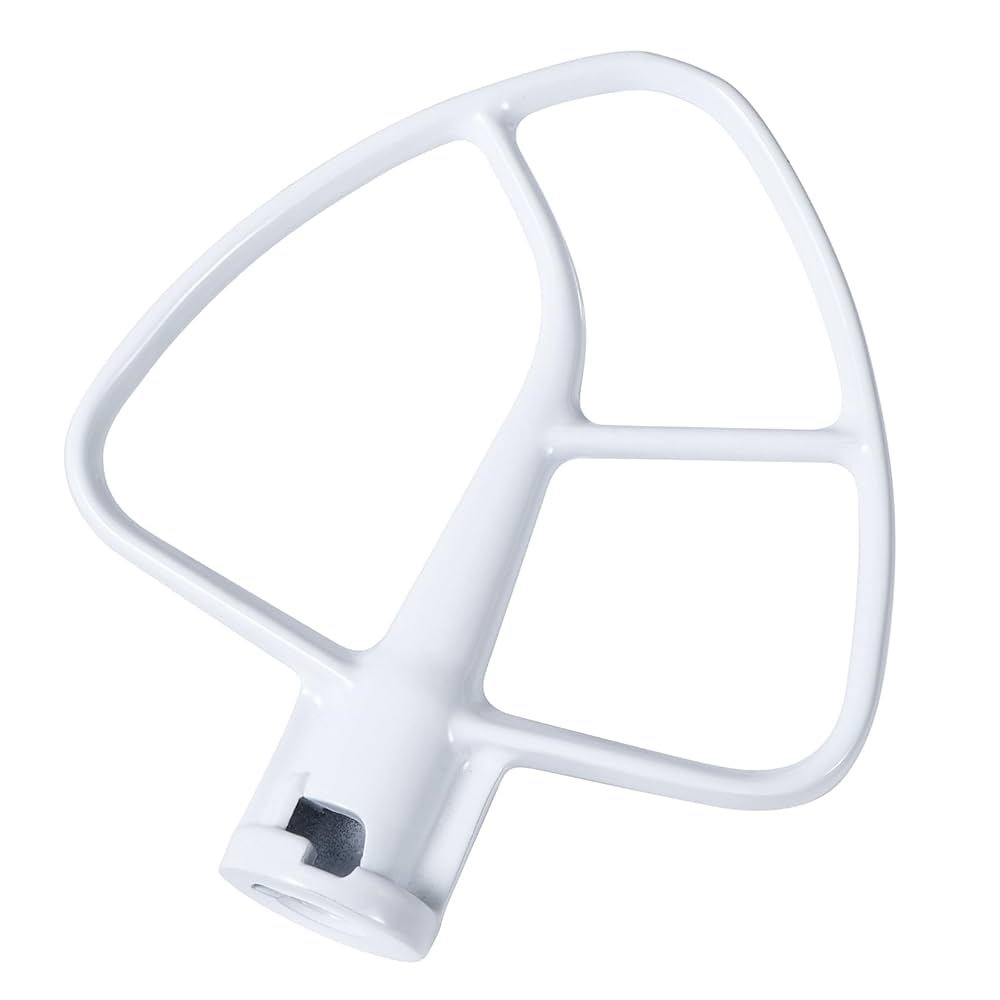
Flat Beater
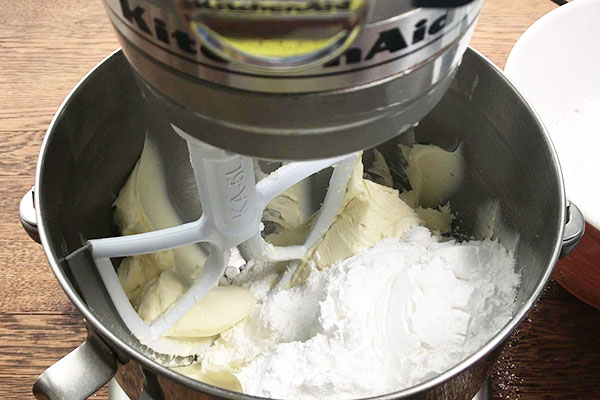
The flat beater is the most popular attachment for mixing frosting. It blends ingredients well without adding too much air. This tool works best for medium-thick frostings like buttercream and cream cheese frostings.
- Mixes ingredients evenly
- Prevents over-whipping
- Good for thick frostings
- Easy to clean
Wire Whip
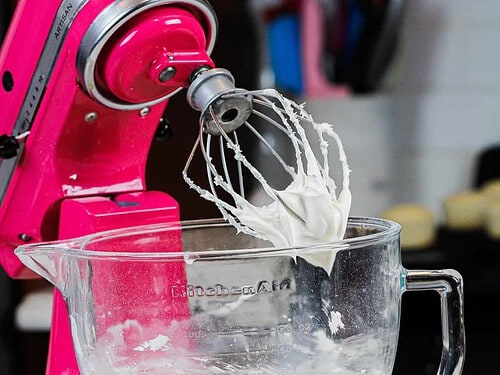
The wire whip attachment adds air to the frosting. It is perfect for light and fluffy frostings such as whipped cream or meringue. Use this attachment to get a soft, airy texture.
| Feature | Best For | Effect |
|---|---|---|
| Wire Whip | Whipped cream, meringue | Adds air, light texture |
| Flat Beater | Buttercream, cream cheese | Even mixing, thick texture |
| Dough Hook | Doughs, heavy mixtures | Kneads and folds |
Dough Hook
The dough hook is not usually used for frosting. It is designed to knead dough. Use this attachment only if your frosting recipe is very thick or needs folding.
Choosing Attachments For Different Frostings
Using the right attachment makes mixing frosting easier. Each frosting needs a specific tool for best results.
Mixers come with several attachments. Picking the correct one helps get the right texture and consistency.
Buttercream Frosting
Buttercream is thick and creamy. Use the paddle attachment to mix it well. The paddle blends ingredients evenly without adding too much air.
Cream Cheese Frosting
Cream cheese frosting is soft and smooth. The paddle attachment works best here too. It helps mix cream cheese and butter without making the frosting runny.
Whipped Cream Frosting
Whipped cream frosting is light and airy. Use the whisk attachment to whip the cream. It adds air quickly and makes the frosting fluffy.
- Start with cold cream for best whipping
- Use the whisk attachment at medium speed
- Stop as soon as stiff peaks form
Royal Icing
Royal icing is smooth and hardens when dry. Use the paddle attachment for mixing. It blends the egg whites and sugar without adding air bubbles.
| Frosting Type | Best Attachment | Reason |
| Buttercream | Paddle | Blends thick ingredients evenly |
| Cream Cheese | Paddle | Keeps texture smooth, not runny |
| Whipped Cream | Whisk | Adds air to make it fluffy |
| Royal Icing | Paddle | Prevents air bubbles in mixture |
Attachment Benefits And Drawbacks
Choosing the right attachment for mixing frosting affects the final result. Each attachment has its own benefits and drawbacks. Knowing these helps you pick the best tool for your needs.
This guide covers speed and efficiency, texture and consistency, and cleaning and maintenance for popular attachments.
Speed And Efficiency
Different attachments mix frosting at different speeds. Some attachments work faster but may not mix evenly. Others take more time but give better results.
- Whisk Attachment:Works fast for light frostings but can over-whip quickly.
- Flat Beater:Slower but mixes ingredients evenly and well.
- Hook Attachment:Not ideal for frosting; slower and less efficient.
Texture And Consistency
| Attachment | Texture Result | Drawbacks |
|---|---|---|
| Whisk | Light and fluffy | Can add too much air |
| Flat Beater | Smooth and creamy | May take longer to blend fully |
| Hook | Dense and heavy | Not suitable for frostings |
Cleaning And Maintenance
Attachments differ in how easy they are to clean. Some have simple shapes, while others have many small parts.
- Whisk: Harder to clean because of many wires.
- Flat Beater: Easy to wash with smooth surfaces.
- Hook: Simple shape, cleans quickly.

Credit: www.kitchenaid.com
Tips For Perfectly Mixed Frosting
Choosing the right attachment is key for smooth frosting. The right tool helps mix ingredients evenly.
Understanding mixing speeds, ingredient temperature, and mixing time will improve your frosting.
Mixing Speeds
Use low speed to combine ingredients without splashing. Medium speed blends well for smooth texture.
High speed is good for whipping air into frosting. Avoid high speed at the start to prevent mess.
- Start mixing at low speed
- Increase to medium speed for even mixing
- Use high speed to whip frosting light and fluffy
Ingredient Temperature
Use room temperature ingredients for best results. Cold ingredients do not mix well and cause lumps.
Softened butter blends smoothly with sugar. Warm ingredients can cause frosting to be too runny.
- Butter and cream cheese should be soft, not melted
- Keep liquids at room temperature
- Avoid cold ingredients to prevent clumps
Mixing Time
Mix frosting long enough to combine ingredients fully. Overmixing can make frosting too soft.
Stop mixing when frosting is smooth and fluffy. Check texture often while mixing.
- Mix until no lumps remain
- Stop once frosting is light and airy
- Avoid overmixing to keep good texture
Alternative Mixing Tools
Mixing frosting can be done with many tools besides the usual stand mixer attachment. Different tools give you control over texture and speed.
Choosing the right tool depends on what you have and the type of frosting you want to make.
Hand Mixers
Hand mixers are small electric tools with beaters. They are easy to use and clean. Hand mixers can whip frosting to a smooth texture quickly.
You can control speed and angle well. Hand mixers are good for small batches or when you do not want to use a big machine.
Manual Whisks
Manual whisks are simple and need no electricity. They work well for light frostings or small amounts. Whisks help mix ingredients evenly by hand.
Using a whisk takes more time and effort. It allows you to feel the frosting’s texture as you mix.
Food Processors
Food processors can mix frosting quickly with their sharp blades. They are best for thick or chunky frostings that need heavy mixing. Use short pulses to avoid overmixing.
This tool is fast but can add too much air if not careful. It works well for firm frostings that need strong mixing power.
Credit: savorysweetlife.com
Frequently Asked Questions
Which Mixer Attachment Is Best For Frosting?
The paddle attachment is best for mixing frosting. It blends ingredients evenly without adding too much air. This ensures smooth, creamy frosting with the right texture.
Can I Use A Whisk Attachment For Frosting?
Whisk attachments can work for light frostings but may introduce too much air. This results in a fluffy texture, which is not ideal for dense frostings like buttercream.
Why Avoid The Dough Hook For Frosting Mixing?
Dough hooks are designed for heavy doughs, not frosting. Using a dough hook can lead to uneven mixing and an inconsistent frosting texture.
How Does The Paddle Attachment Affect Frosting Texture?
The paddle attachment mixes frosting smoothly and evenly. It prevents air bubbles, resulting in a creamy, stable frosting that spreads easily on cakes.
Conclusion
Choosing the right mixer attachment makes a big difference in frosting. Each attachment serves a unique purpose. Whisk attachments add air, making frosting light. Paddle attachments ensure smooth, creamy texture. Dough hooks are less common but useful for thicker mixtures.
Assess your frosting needs. Then, select the best attachment. This ensures perfect results every time. Experimenting with attachments can enhance your baking experience. Enjoy the process of creating delightful, homemade frosting. It’s all about finding what works best for you.
Happy baking!