What Stand Mixer Attachment is Used for Cookie Dough: Ever been in the middle of baking your favorite cookies and wondered, “Which stand mixer attachment should I be using for my cookie dough?” You’re not alone.
Many home bakers and professionals alike face this dilemma, and choosing the right tool can make all the difference between a perfectly mixed dough and a kitchen disaster. Imagine the satisfaction of creating cookie dough with the perfect texture, just like your favorite bakery.
With the right attachment, that’s totally achievable. Keep reading to uncover the secret to flawless cookie dough and elevate your baking game. Your cookies will thank you!
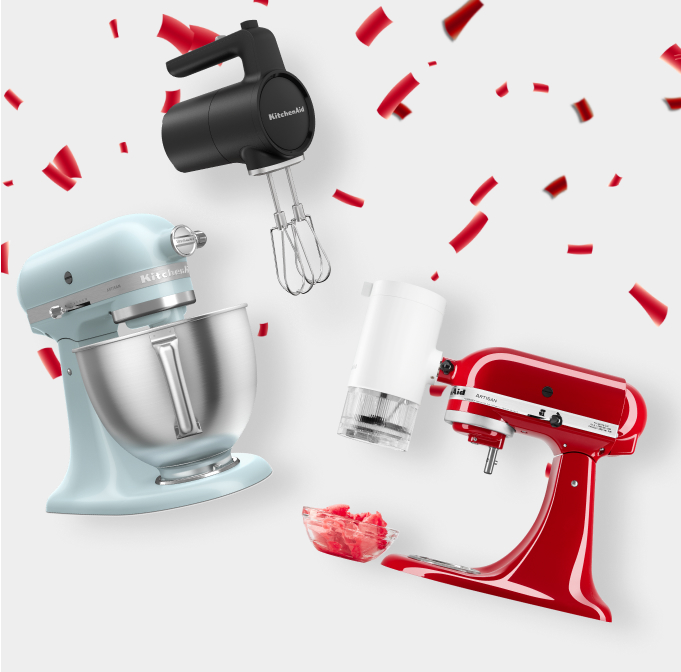
Credit: www.kitchenaid.com
Choosing The Right Attachment
Using the correct stand mixer attachment helps mix cookie dough perfectly. Each attachment has a special job for different tasks.
Choosing the right tool makes baking easier and improves the dough’s texture.
Common Stand Mixer Attachments
Stand mixers usually come with three main attachments: a dough hook, paddle, and whisk. Each one works best for certain ingredients and mixing methods.
- Dough Hook:Used for kneading heavy doughs like bread and cookie dough.
- Paddle Attachment:Ideal for mixing cookie ingredients and batters.
- Whisk Attachment:Best for whipping cream, egg whites, and light mixtures.
Features Of Dough Hook
The dough hook is shaped like a spiral or a C. It is strong and designed to knead dough without overworking it.
This hook mixes ingredients thoroughly and develops gluten for chewy cookies and bread.
- Works slowly to avoid tearing dough
- Handles thick and heavy doughs
- Saves time compared to hand kneading
When To Use Paddle Attachment
The paddle attachment is flat and wide. It mixes cookie dough that is softer and less sticky than bread dough.
Use the paddle for creaming butter and sugar or mixing cake batters and cookie dough.
- Combines ingredients evenly without adding too much air
- Good for medium-thick dough and batter
- Prevents overmixing delicate cookies
Role Of Whisk Attachment
The whisk attachment has many thin wires. It adds air to mixtures like eggs or cream.
This tool is not suitable for cookie dough because it can break down the dough structure.
- Whips liquids to create volume and fluffiness
- Not designed for thick doughs
- Best for light, airy mixtures
Why Dough Hook Is Ideal For Cookie Dough
Using the right attachment for cookie dough makes baking easier. The dough hook is designed to mix thick dough well.
This tool saves time and helps create better cookie texture. It is a must-have for cookie lovers who use stand mixers.
Mixing Efficiency
The dough hook mixes ingredients quickly and evenly. It moves the dough around the bowl smoothly, reducing mixing time.
- Reaches all parts of the bowl
- Combines flour and wet ingredients well
- Prevents over-mixing
Preserving Dough Texture
The dough hook gently folds dough instead of beating it. This keeps the cookie dough soft and tender.
| Attachment Type | Effect on Dough Texture |
| Dough Hook | Keeps dough soft and elastic |
| Flat Beater | Can overwork and toughen dough |
| Whisk | Incorporates too much air, dries dough |
Handling Thick And Sticky Dough
Cookie dough is often thick and sticky. The dough hook can handle these textures without strain.
- Strong shape fits dense dough
- Rotates with enough force to knead
- Reduces mess by keeping dough off the bowl sides
How To Use The Dough Hook
The dough hook is a special attachment for stand mixers. It helps mix cookie dough evenly without too much effort.
Using the dough hook saves time and keeps the dough at the right texture. It is best for heavier doughs like cookie dough.
Attaching The Hook Properly
First, make sure your stand mixer is off and unplugged. This keeps you safe while attaching the dough hook.
Lift the mixer head if your model has one. Align the dough hook with the attachment hub. Push it up and twist it until it locks in place.
- Turn off and unplug the mixer.
- Lift the mixer head if needed.
- Align the dough hook with the hub.
- Push and twist the hook to lock it.
Mixing Techniques For Cookie Dough
Start mixing on low speed to combine ingredients gently. This avoids flour flying out of the bowl.
Once the dough starts to come together, increase to medium speed. Let the dough hook knead the dough for a few minutes.
- Begin on low speed to mix ingredients.
- Raise to medium speed to knead dough.
- Mix until dough is smooth and elastic.
- Stop mixing as soon as dough forms a ball.
Avoiding Overmixing
Mixing cookie dough too long can make cookies tough. Stop mixing once the dough is smooth and clings to the hook.
Check the dough often. If it looks shiny or sticky, it may be overmixed. Overmixed dough can lose its texture.
- Watch the dough while mixing.
- Stop when dough forms a ball.
- Do not mix after dough is smooth.
- Use a timer if needed to avoid overmixing.
Alternatives To Dough Hook
Many bakers use the dough hook for cookie dough. It works well for thick, heavy doughs. But some cookie doughs need other attachments.
This guide looks at other stand mixer attachments. These can help mix cookie dough without a dough hook.
Using Paddle For Certain Dough Types
The paddle attachment is common in cookie baking. It mixes ingredients well without overworking the dough. It works best for soft or crumbly doughs.
- Best for cookie doughs with less gluten development
- Helps mix butter and sugar evenly
- Prevents dough from becoming too tough
- Good for drop cookies and shortbread
Manual Mixing Tips
Sometimes hand mixing is better. It helps control how much you work the dough. Use a spatula or wooden spoon for best results.
| Tip | Reason |
| Mix dry ingredients separately | Ensures even distribution |
| Cut in butter with a pastry cutter | Prevents dough from becoming greasy |
| Use folding motions | Keeps dough light and tender |
| Do not over-mix | Stops dough from getting tough |
Cleaning And Maintaining Attachments
Keeping your stand mixer attachments clean is important for their performance. Proper maintenance helps them last longer. It also keeps your cookie dough fresh and safe from contamination.
After using attachments for cookie dough, clean them carefully. This prevents dough from hardening and sticking to the parts. Let’s look at ways to clean and store these tools.
Safe Cleaning Practices
Clean attachments soon after use to avoid dough drying on them. Use warm water and mild soap. Avoid harsh scrubbers that can damage the surface.
- Detach the attachment from the mixer before washing.
- Soak in warm, soapy water to loosen dough bits.
- Use a soft brush or cloth to clean crevices.
- Rinse thoroughly to remove all soap residue.
- Dry completely with a soft towel to stop rust or damage.
Storing Attachments
Store attachments in a dry and clean place. Keep them protected to avoid dust and damage. Organizing them properly saves time and keeps them in good shape.
| Storage Tip | Reason |
| Use a dedicated container or box | Keeps attachments together and safe |
| Wrap metal parts in a soft cloth | Prevents scratches and rust |
| Store in a cool, dry place | Stops moisture damage |
| Keep away from heavy items | Avoids bending or breaking attachments |

Credit: parade.com
Tips For Perfect Cookie Dough
Using the right attachment on your stand mixer helps make cookie dough smooth and ready to bake. The paddle attachment is best for mixing cookie dough.
It mixes ingredients evenly without adding too much air. Here are some tips for perfect cookie dough.
Ingredient Preparation
Measure all ingredients carefully before mixing. Use room temperature butter for soft dough.
Sift dry ingredients like flour and baking soda to avoid lumps. Chop nuts or chocolate chips into small pieces.
- Use fresh ingredients for best taste
- Keep eggs at room temperature
- Softened butter blends easier
Mixing Time Recommendations
Mix cookie dough just long enough to combine ingredients. Overmixing can make dough tough.
Start on low speed with the paddle attachment. Increase speed slightly until dough forms.
- Mix dry and wet ingredients separately first
- Combine and mix for 1-2 minutes
- Stop mixing as soon as dough clumps

Credit: www.bonappetit.com
Frequently Asked Questions
What Stand Mixer Attachment Is Best For Cookie Dough?
The paddle attachment is best for cookie dough. It mixes ingredients evenly without overworking the dough. This results in a perfect texture and consistency for cookies.
Can I Use A Dough Hook For Cookie Dough?
A dough hook is designed for bread dough and is not ideal for cookie dough. Using it may overwork the dough, affecting cookie texture. The paddle attachment is preferred for mixing cookie dough.
How Does The Paddle Attachment Help With Cookie Dough?
The paddle attachment mixes cookie dough thoroughly while maintaining a light texture. It blends ingredients without adding too much air or over-kneading the dough. This helps produce soft, chewy cookies with the right consistency.
Can I Mix Cookie Dough Without An Attachment?
Yes, you can mix cookie dough by hand or with a wooden spoon. However, using the paddle attachment saves time and ensures even mixing. It also prevents overworking the dough, resulting in better cookies.
Conclusion
The paddle attachment is best for mixing cookie dough. It blends ingredients evenly without overworking the dough. Using the right attachment saves time and effort. It helps create soft and chewy cookies every time. Choose the paddle, not the whisk or dough hook.
This simple choice makes baking easier and more fun. Enjoy baking with confidence and great results.